

Commentary
Middle Eastern states should welcome an accelerated U.S. disengagement from their region.
Michael Young

REQUIRED IMAGE
The Russian Atomic Energy Agency announced on September 1 that additional troops had been dispatched to guard nuclear facilities throughout Russia.The troop move is a sign that Russia recognizes that the threat to its nuclear facilities. US programs to assist Russian nuclear security also need to recognize that the threat has changed and move to accelerate and expand ongoing efforts.
The Russian Atomic Energy Agency announced on September 1 that additional troops had been dispatched to guard nuclear facilities throughout Russia. The move comes in the wake of a series of attacks from Chechen rebels, including the downing of two Russian aircraft, a subway bombing in downtown Moscow and a recent school seizure. The troop move is a sign that Russia recognizes that the threat to its nuclear facilities is growing and that additional steps must be taken to protect its stocks of nuclear materials and weapons. US programs to assist Russian nuclear security also need to recognize that the threat has changed and move to accelerate and expand ongoing efforts.
Despite these risks, as well as statements from top officials, the United States has not been doing all it can to protect Russian nuclear materials and weapons. While some important initiatives have been launched, the recent legacy of nuclear security programs in Russia has been disappointing. According to a major Harvard University study, fewer Russian nuclear materials were secured in the two years after the terrorist attack on September 11, 2001 than in the two years prior to the attacks. Moreover, at its current pace, US-assisted security upgrades will not be completed until well into the next decade, even though the government states it will complete them by 2008.
More Security, Deeper Cuts
In addition, the Bush administration arms reduction policies have increased the risk of Russian nuclear weapons being stolen. The President’s fateful decision not to include verification procedures or requirements for warhead elimination in the Treaty of Moscow means that Russia is retaining a larger nuclear arsenal than it needed and storing those weapons longer than it wants as a hedge against possible US rearmament. The Moscow agreement codified the decision in both countries to reduce their strategic deployed offensive arsenal to no more than 2200 weapons. Despite statements at the time, the Bush administration has made no efforts to follow up on the 2002 agreement with deeper cuts, to reduce tactical nuclear weapons, or to enhance the treaty’s verification procedures.
Even though the nature of the threat to Russia’s nuclear complex is increasing, US and international efforts to assist Russia to improve nuclear security are not keeping pace. Business as usual will not protect Russia’s nuclear materials or weapons, or American security. Programs now being implemented were designed to protect against insider theft and lightly armed attacks against Russian facilities. The growing sophistication of the attacks in Russia means that current programs may be addressing only one part of a more complex problem. Russia appears to have recognized this fact and is taking some modest steps to increase its own efforts. The US and its allies need to do the same by speeding up efforts to protect nuclear and chemical weapons sites, and take a more comprehensive approach to helping Russia eliminate its excess materials and warheads. This, finally, should include steps to accelerate the reductions called for in the Treaty of Moscow, verify those cuts, and eliminate the warheads slated for withdrawal from deployment. Anything less is courting disaster.
Jon Wolfsthal
Carnegie does not take institutional positions on public policy issues; the views represented herein are those of the author(s) and do not necessarily reflect the views of Carnegie, its staff, or its trustees.

Middle Eastern states should welcome an accelerated U.S. disengagement from their region.

Michael Young

Xi, Putin, and other regional leaders are back-slapping in Bishkek, but the SCO has yet to answer the most serious questions about continental Asia's economic future.

Evan A. Feigenbaum

The EU’s responses to two recent incidents expose the gulf between European perceptions and capabilities. Unless the union can bridge that gap, it will never become a real geostrategic power.

Rym Momtaz
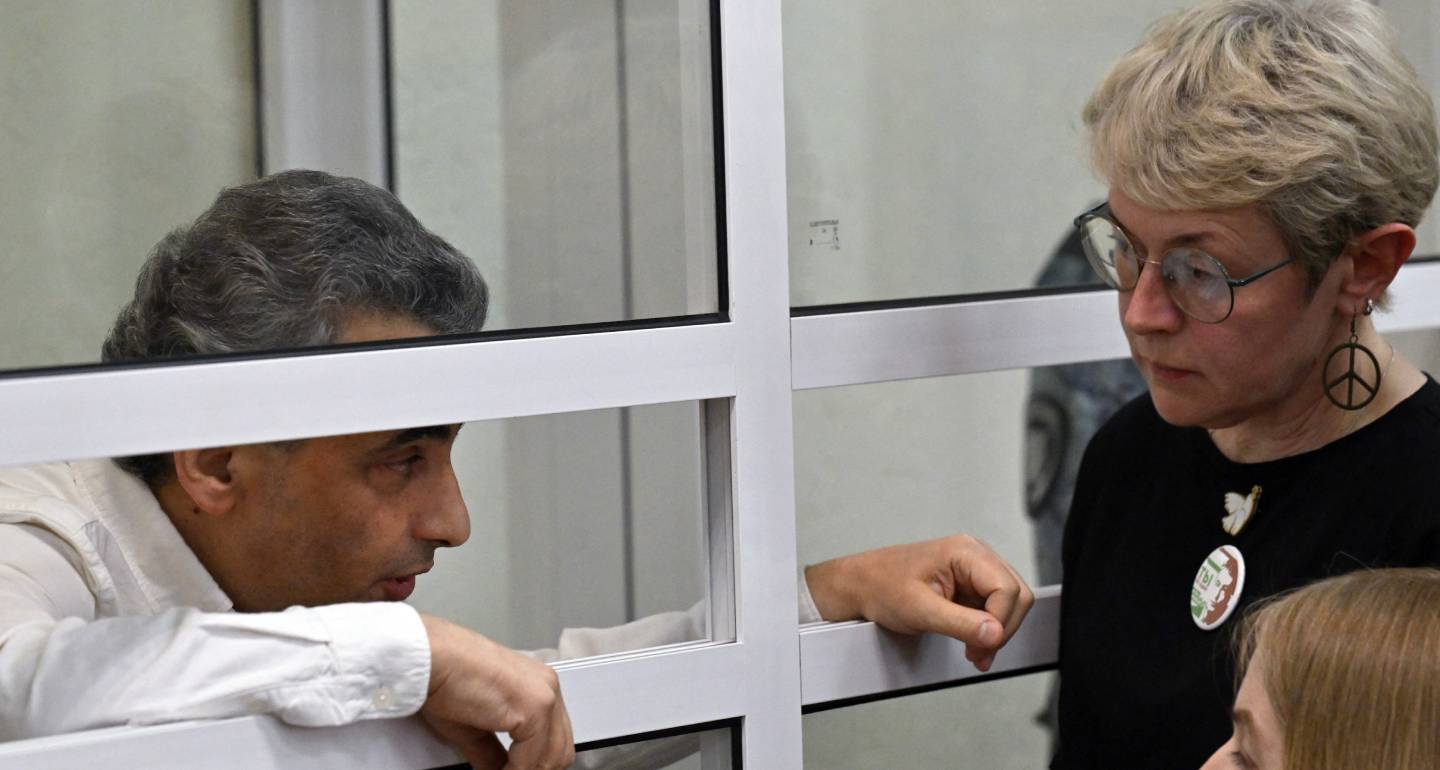
A regime founded on force, coercion, and repression does not want its propaganda, with all its flaws of logic, omissions, and outright lies, to be competing with the most simple of all messages: Thou shalt not kill.

Leonid Bershidsky

In an interview, former ambassador Charles Freeman assesses the Trump administration’s war against Iran.
Michael Young