

In The Media
Branko Milanovic

Source: Getty
Despite the promises made by globalization, in the last twenty years the world's poorest countries have fallen further behind the rich. In a new Carnegie Paper, Branko Milanovic debunks current development theories that explain why poorer countries have not reaped the rewards of global economic integration.
Source: Carnegie Endowment
Summary
Despite the promises made by globalization, in the last twenty years the world’s poorest countries have fallen further behind the rich. In a new Carnegie Paper, Branko Milanovic debunks current development theories that explain why poorer countries have not reaped the rewards of global economic integration. Using statistical analysis, Milanovic finds that the higher likelihood of poor countries to be involved in wars and civil conflicts is the most important determinant for their lack of growth while, surprisingly, the effects of domestic reforms or international lending were minimal.
Why Did the Poorest Countries Fail to Catch Up? reaches surprising and valuable conclusions about the effects of globalization on those who feel it most.
Click on the link above for the full text of this Carnegie Paper.
About the Author
Branko Milanovic is a senior associate in the Trade, Equity and Development Project at the Carnegie Endowment. He is also a lead economist in the World Bank’s research department, where he works on the topics of income inequality and globalization.
This is a web-only publication.
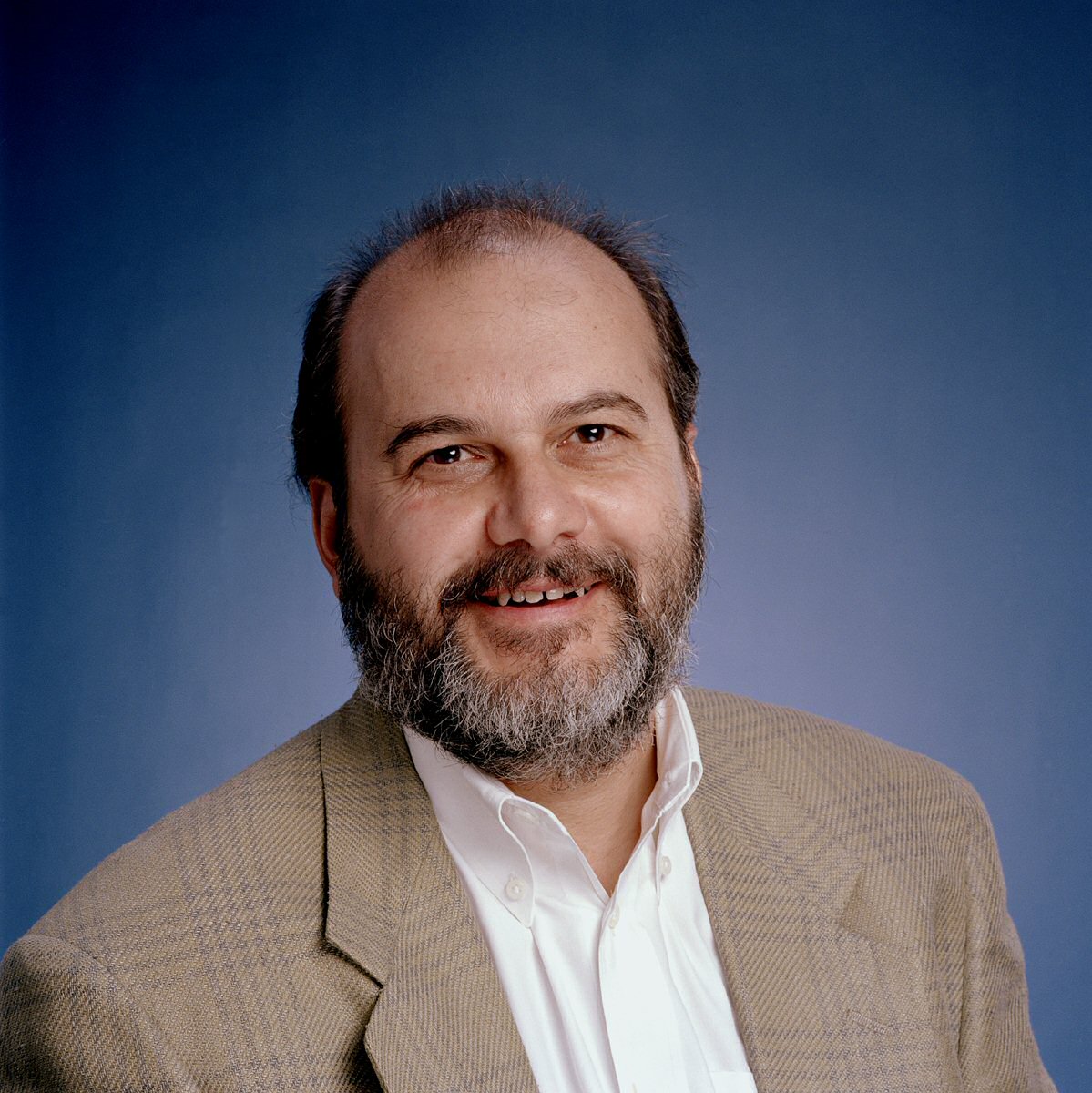
Former Adjunct Scholar
Milanovic is a lead economist in the World Bank's research department,where he has been working on the topics of income inequality and globalization. Previously, he was a World Bank country economist for Poland and a research fellow at the Institute of Economic Sciences in Belgrade.
Recent Work
Branko Milanovic
Karla Hoff, Shale Horowitz, Branko Milanovic
Carnegie does not take institutional positions on public policy issues; the views represented herein are those of the author(s) and do not necessarily reflect the views of Carnegie, its staff, or its trustees.
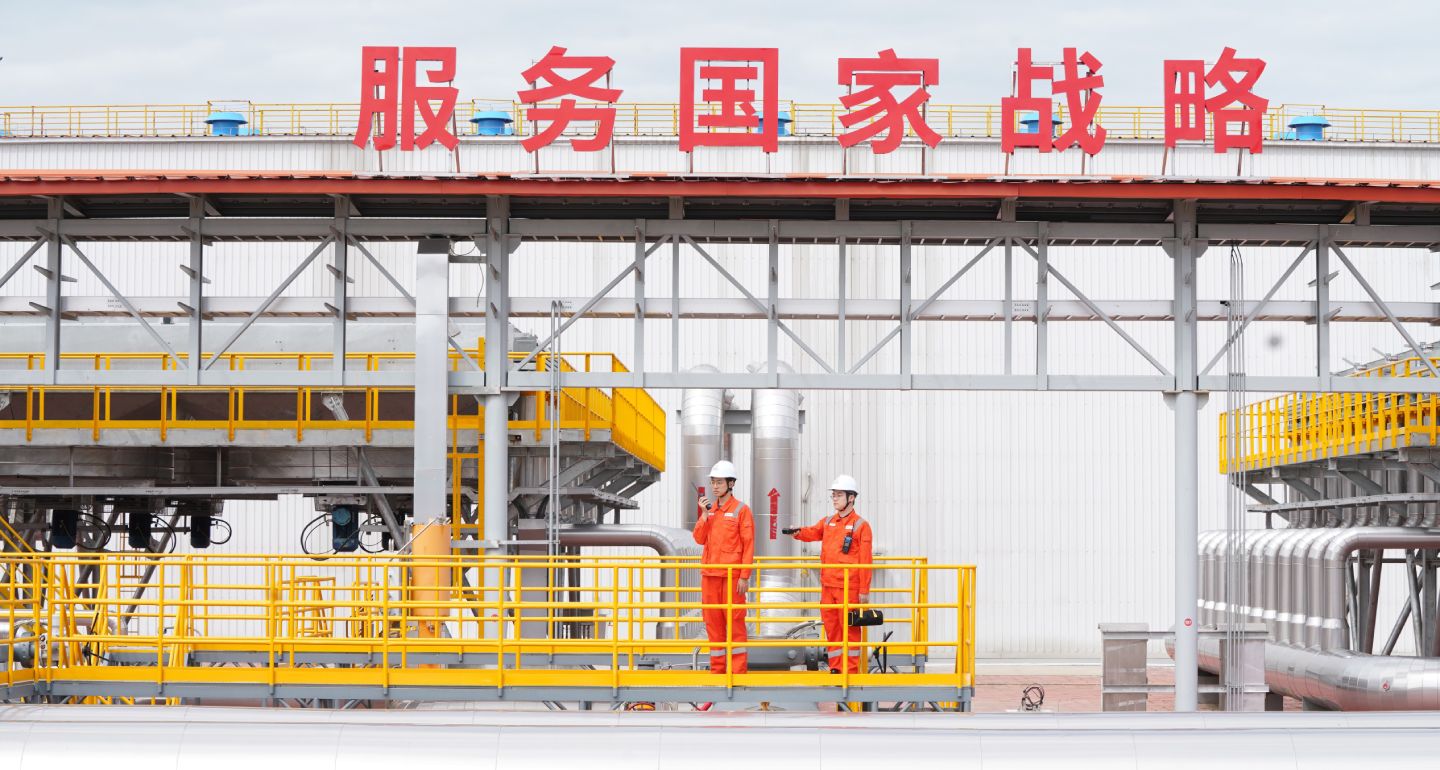
A leak of Russian gas price data helps establish that China is paying Russia far less than Central Asian countries and Gazprom’s former European customers.

Sergey Vakulenko

Rubio’s recent visit brought welcome attention, but more capital requires governance changes that may be a hard sell for regional governments.

Jennifer B. Murtazashvili

China has showcased its engineering prowess with small modular reactor demonstration projects. But turning these technological achievements into commercial success will be a greater challenge.

Tong Zhao
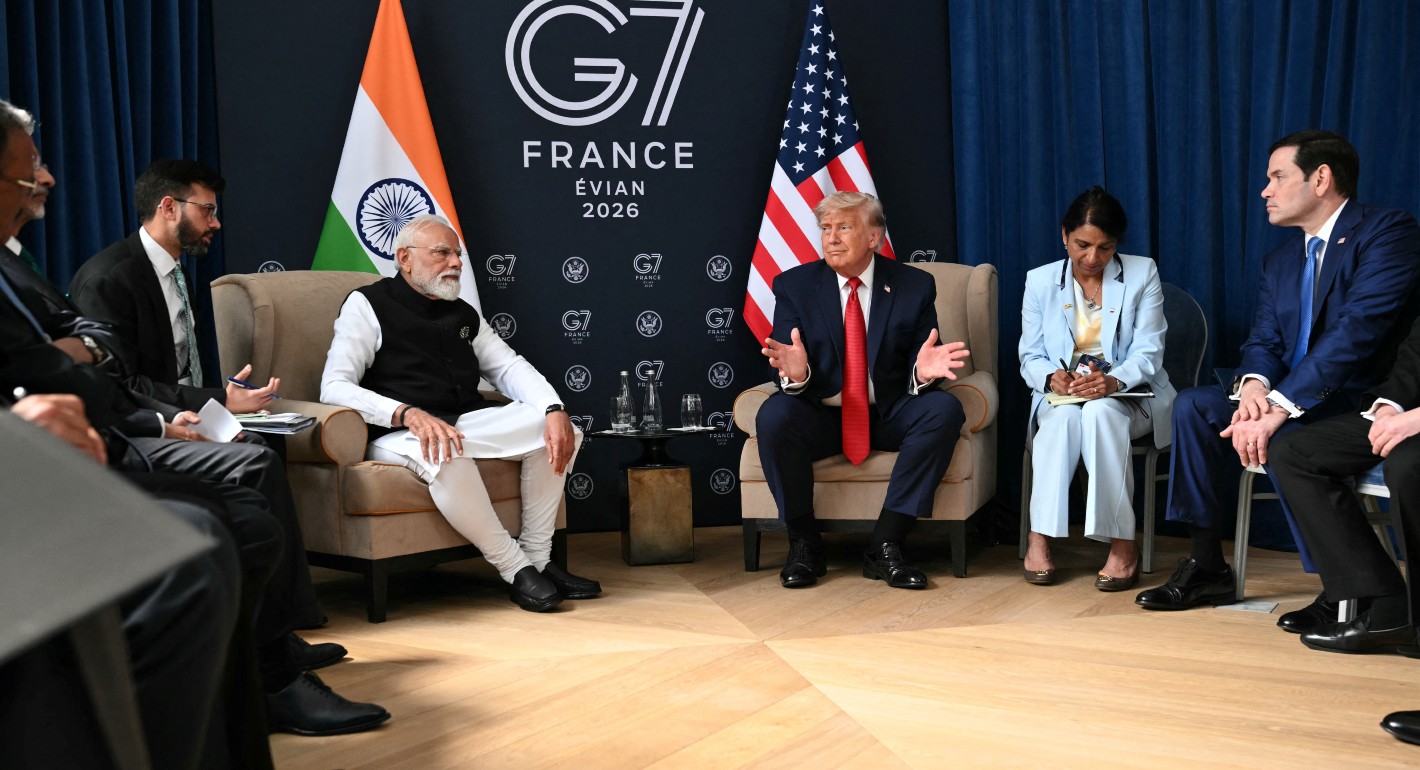
Despite public disputes over trade and immigration, the strategic partnership’s foundations remain sturdy.

Sameer Lalwani

With its public finances in shambles, the far right polling at 35 percent ahead of the 2027 presidential election, and a growing protest movement, is France’s crisis a threat to the EU’s geopolitical awakening?

Rym Momtaz, ed.