

Research
- +10
Rosa Balfour, Frances Z. Brown, Yasmine Farouk, …
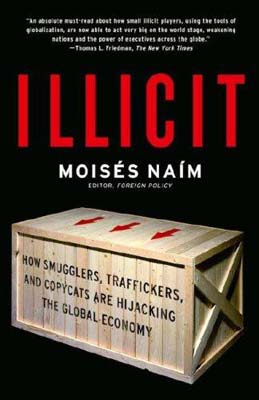
From pirated movies to weapons of mass destruction, from human organs to endangered species, drugs or stolen art, Illicit reveals the inner workings of these amazingly efficient international organizations and shows why it is so hard—and so necessary—to contain them.
Source: New York

Named "One of the Best Books of 2005" by the Washington Post.
Pick up a newspaper anywhere, any day, and you will find reports of illegal migrants, drug busts, smuggled weapons, and laundered money or counterfeit goods. Illicit trades are booming as are the traffickers’ revenues—and their political influence. Black market networks are stealthily transforming global politics and economics. From pirated movies to weapons of mass destruction, from human organs to endangered species, drugs or stolen art, Illicit reveals the inner workings of these amazingly efficient international organizations and shows why it is so hard—and so necessary—to contain them.
About the Author
Moisés Naím is editor of the influential magazine FOREIGN POLICY, published by the Carnegie Endowment for International Peace. He has written extensively on the political economy of international trade and investment, multilateral organizations, economic reforms, and globalization. Naím was the Minister of Industry and Trade in Venezuela, as well as an executive director at the World Bank. His columns are regularly carried by some of the world’s leading publications like The Financial Times, Newsweek, El País [Spain] and L'Espresso [Italy]
"A smart new book that is an absolute must-read"
– Thomas L. Friedman, The New York Times
"...the most comprehensive and thoughtful work on this subject to date..."
– Jeffrey Garten, BusinessWeek
“It is unusual to come across a genuinely fresh discussion of globalization. It's even more unusual to come across one that is well-written and intelligent. Moisés Naím's book is all this and more.”
– Fareed Zakaria, Editor, Newsweek International, and author, The Future of Freedom
“Moisés Naím places much needed light on a hidden subject: how globalization fuels the growth of the international criminal enterprise. His is a compelling narrative of what has been happening around the world and what should be done about it.
– John Deutch, Institute Professor, MIT, and former Director, CIA
“Moisés Naím, the editor who has brought fresh thinking, wide-ranging interests and writerly passion to Foreign Policy magazine, has done it again, this time in a book about the global trade in drugs, dirty money, arms, human kidneys, counterfeit software, bootlegged music, elephant tusks and sex slaves... Naím's more important insight is that this illegal trafficking has now become so large that it, in turn, has fundamentally changed the character of the world, with profound effects on economics, politics and international relations.”
-The
“Globalization is helping traffickers and limiting the governments that are trying – and largely failing – to stop them. Naím offers a fascinating new way of looking at a problem whose scope and consequences are not well understood by politicians, journalists and the public. This book will change the way we think about globalization and the new threats that affect the way we live.”
– Cesar Gaviria, President of
“Moisés Naím has spotted that most crucial of things, a subject of increasing importance that is very poorly understood. The reporting and analysis he offers fills that gap admirably. His book should provoke much new thinking and, it is to be hoped, new action.”
– Bill Emmott, Editor, The Economist
“Moisés Naím has identified a key issue, the fact that political order is rapidly decaying in many parts of the world, and that this decay is brought on at least in part by the same factors that promote globalization: fast communications, inexpensive travel, and porous borders. Illicit is provocative reading that makes you see the world differently once you're done with it.”
– Francis Fukuyama, Professor,
“With brilliance, originality and wit, Moisés Naím enriches our understanding of global trends that will destabilize the world if left unattended.”
- Ernesto Zedillo, President of
"In this sweeping and informative work, Foreign Policy editor Naím demystifies the global trade in illegal goods and services and, in the process, presents an original portrait of globalization that skillfully eschews the utopian doggerel that often characterizes such accounts"
- Publishers Weekly [starred review]
“Moisés Naím has written a very important book. A lot of books just scratch the surface but Illicit offers a lot more and it's interesting and very well written. I commend it to you very, very highly.”
- Leslie H. Gelb, President Emeritus , Council on Foreign Relations

Distinguished Fellow
Moisés Naím is a distinguished fellow at the Carnegie Endowment for International Peace, a best-selling author, and an internationally syndicated columnist.
Recent Work



Rosa Balfour, Frances Z. Brown, Yasmine Farouk, …
Moisés Naím
Carnegie does not take institutional positions on public policy issues; the views represented herein are those of the author(s) and do not necessarily reflect the views of Carnegie, its staff, or its trustees.

China’s banking crisis in the 2000s was resolved by transferring the costs to households through financial repression—a decision that recapitalized the banks while exacerbating the structural imbalances that continue to shape the Chinese economy today.

Michael Pettis
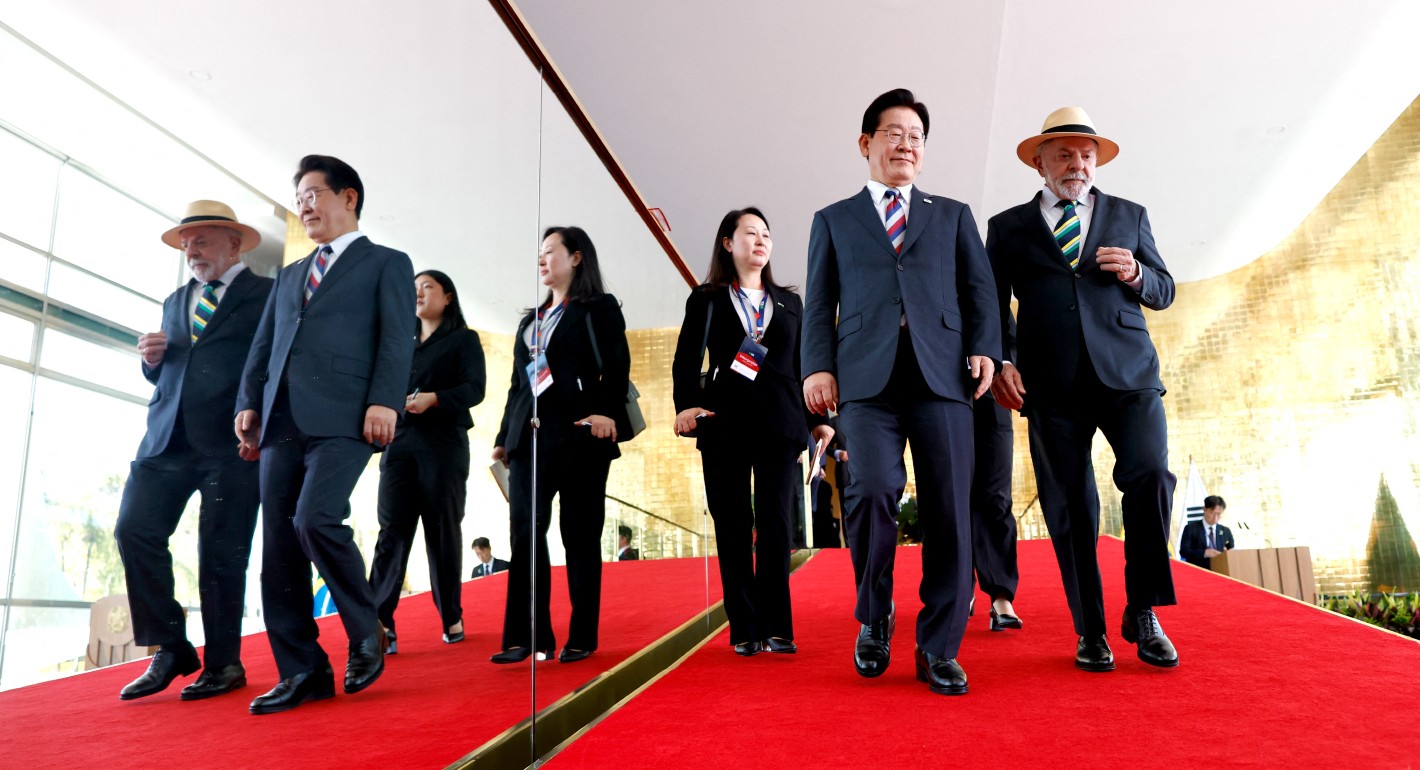
Lee’s tour shows how Seoul is reorganizing its diplomacy away from Pyongyang and toward industrial networks and the geography of the compute economy.

Darcie Draudt-Véjares
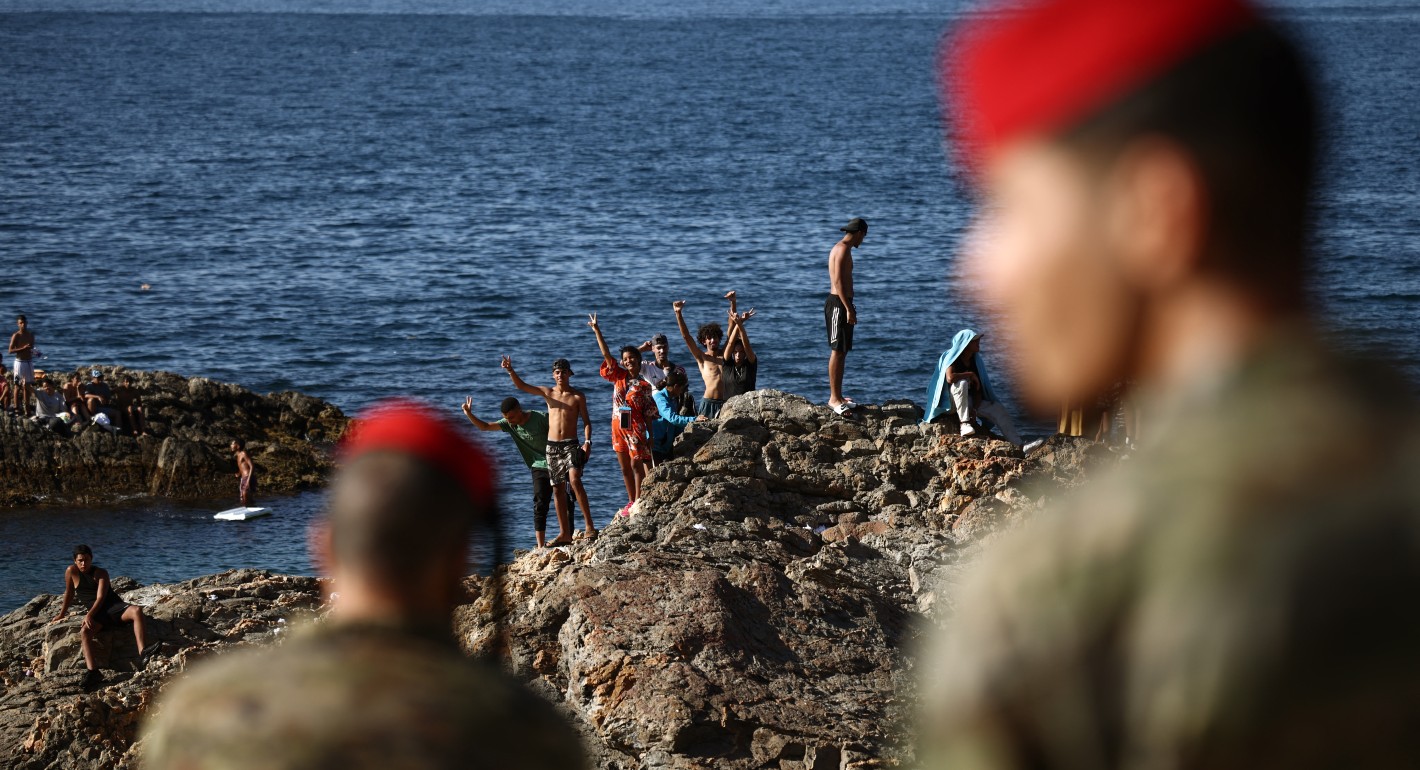
Most migrants may have left Ceuta, but the effects may linger.


Alejandro Martin Rodriguez, Sarah Yerkes
Saied’s main accomplishment has been to destroy a decade’s worth of democratic progress.
Sarah Yerkes
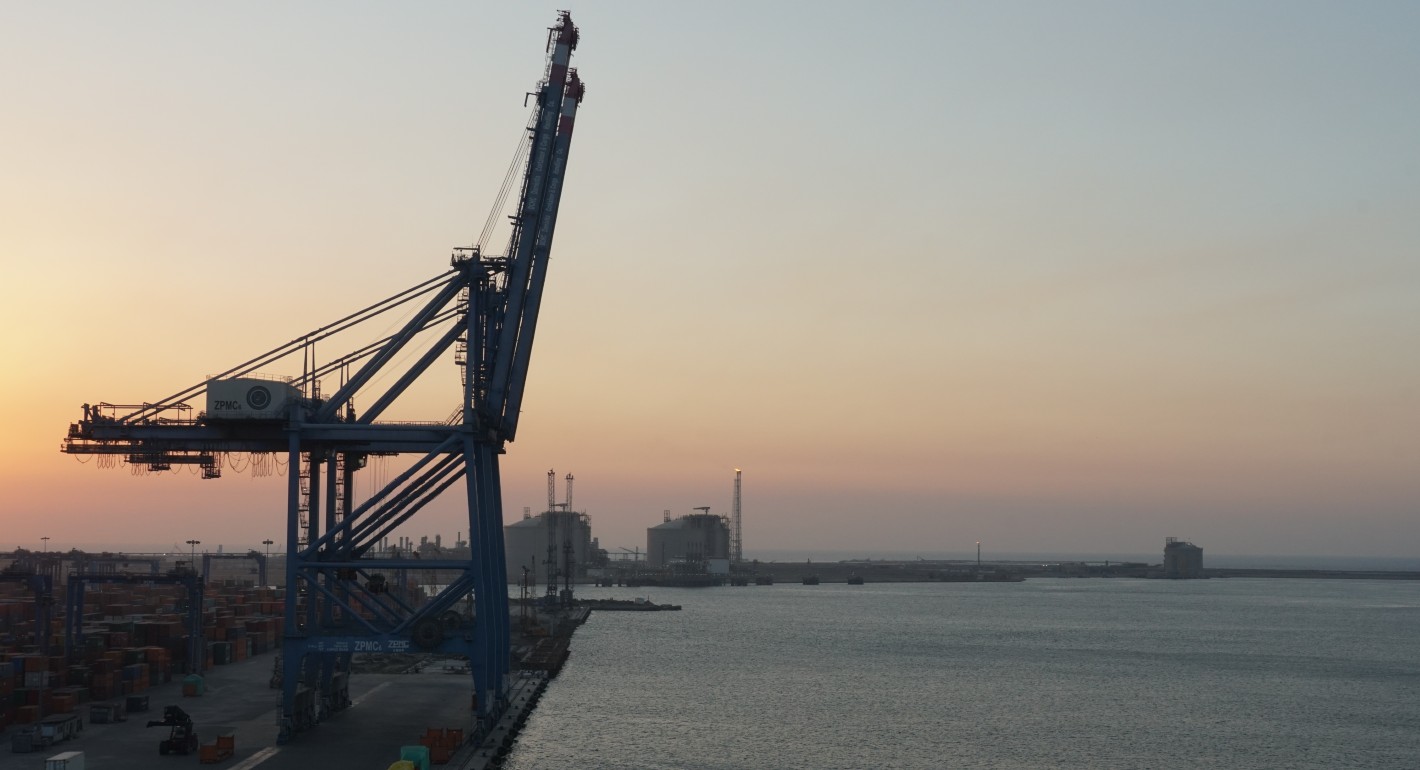
The targeting of Damietta Port appears to be more than a mere security message.

Amr Hamzawy