

Commentary
When democracies and autocracies are seen as interchangeable targets, the language of democracy becomes hollow, and the incentives for democratic governance erode.
Sarah Yerkes, Amr Hamzawy
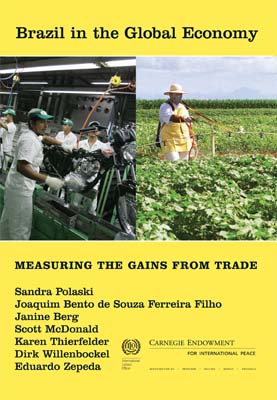
Despite holding a leading position in world trade negotiations, Brazil will benefit little from increased trade. Policy makers face acute challenges as the country struggles to generate sufficient employment and improve labor incomes.
The Brazilian economy has experienced sustained growth since 2000, after several turbulent decades. The country’s engagement with the global economy has played a largely positive, if secondary, role and Brazil has assumed a leading position in world trade negotiations. At the same time, the country has struggled to generate sufficient employment and improve labor incomes. Unemployment hovers at about 8 percent, and of those who work, slightly more than half do so informally. Average earnings today are lower than in the mid-1990s.
Brazilian policy makers face complicated challenges as they try to grow the economy in ways that will generate better livelihoods and incomes. The current global economic downturn is likely to make these tasks even more difficult. The purpose of this study is to contribute to the knowledge base upon which the Brazilian government and public, as well as the international community, evaluate the policy choices the country faces in the realm of trade. It employs computable general equilibrium models of the global and Brazilian economies to simulate a range of possible trade agreements, and explores the effects of these changes on the Brazilian economy, including its sectors, workforce, and households.
Overall, this study shows that the impact of increased trade on the Brazilian economy will be very small, even from a new global agreement at the World Trade Organization or from a very ambitious free trade pact with the largest developing countries. In addition, Brazil will expose its economy to stronger effects from other global policy shocks, such as world price volatility, as it opens its markets. After a careful analysis of the benefits and costs of trade liberalization and specific trade policy choices, increased global economic engagement may still be seen as beneficial for the Brazilian economy. However, it is important in policy debates that the nature and costs of structural adjustment be taken into account and that the pattern of trade achieved serves the country’s long-term development goals.
Carnegie does not take institutional positions on public policy issues; the views represented herein are those of the author(s) and do not necessarily reflect the views of Carnegie, its staff, or its trustees.
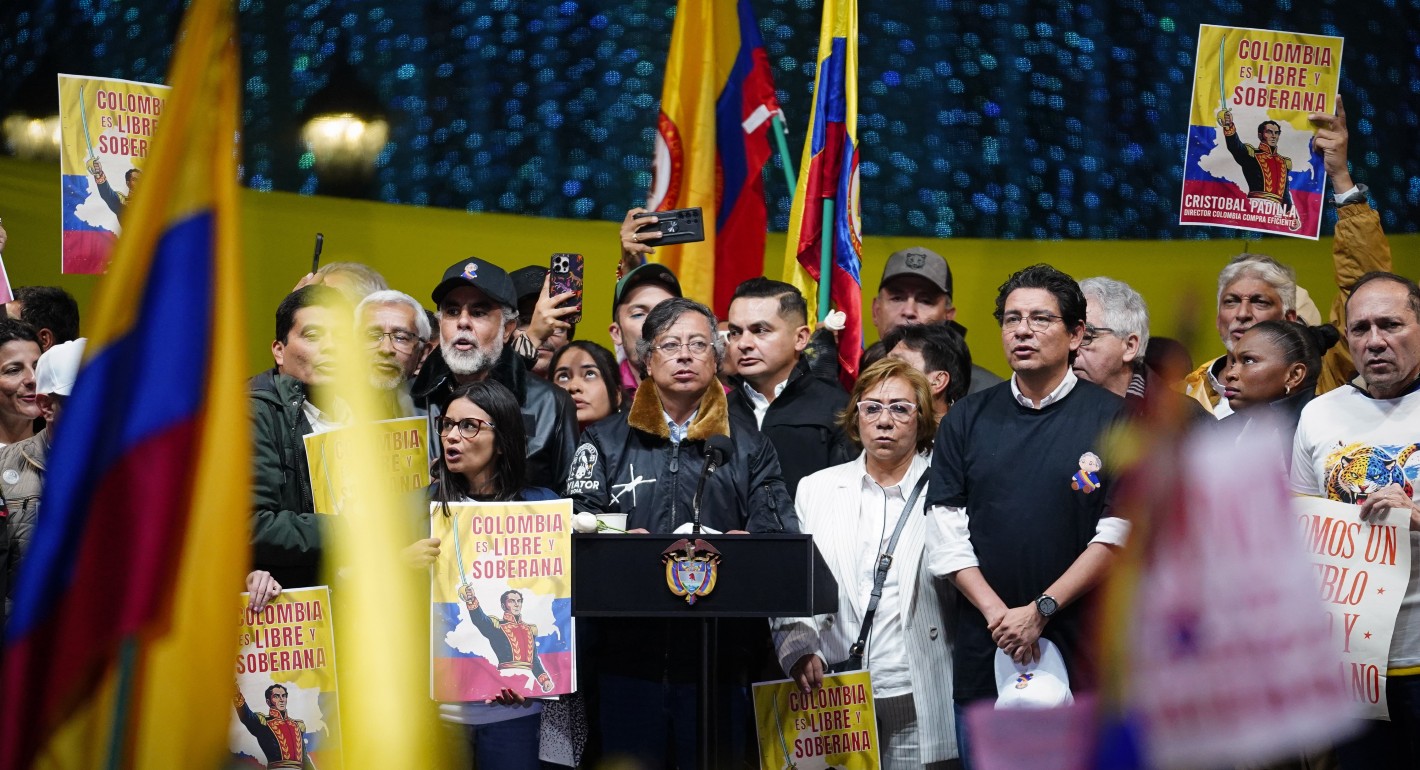
When democracies and autocracies are seen as interchangeable targets, the language of democracy becomes hollow, and the incentives for democratic governance erode.


Sarah Yerkes, Amr Hamzawy
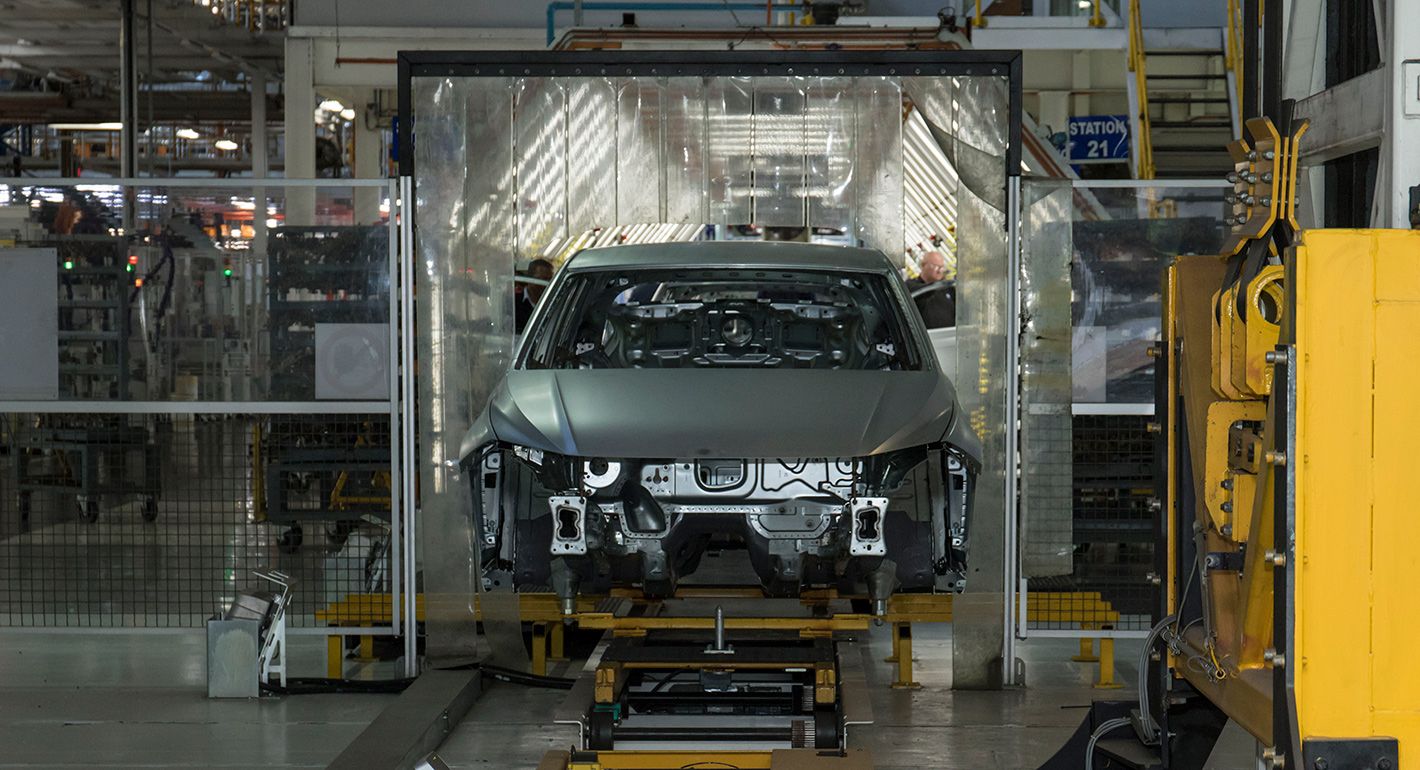
German manufacturing firms in Africa add value, jobs, and skills, while benefiting from demand and a diversification of trade and investment partners. It is in the interest of both African economies and Germany to deepen economic relations.
Hannah Grupp, Paul M. Lubeck
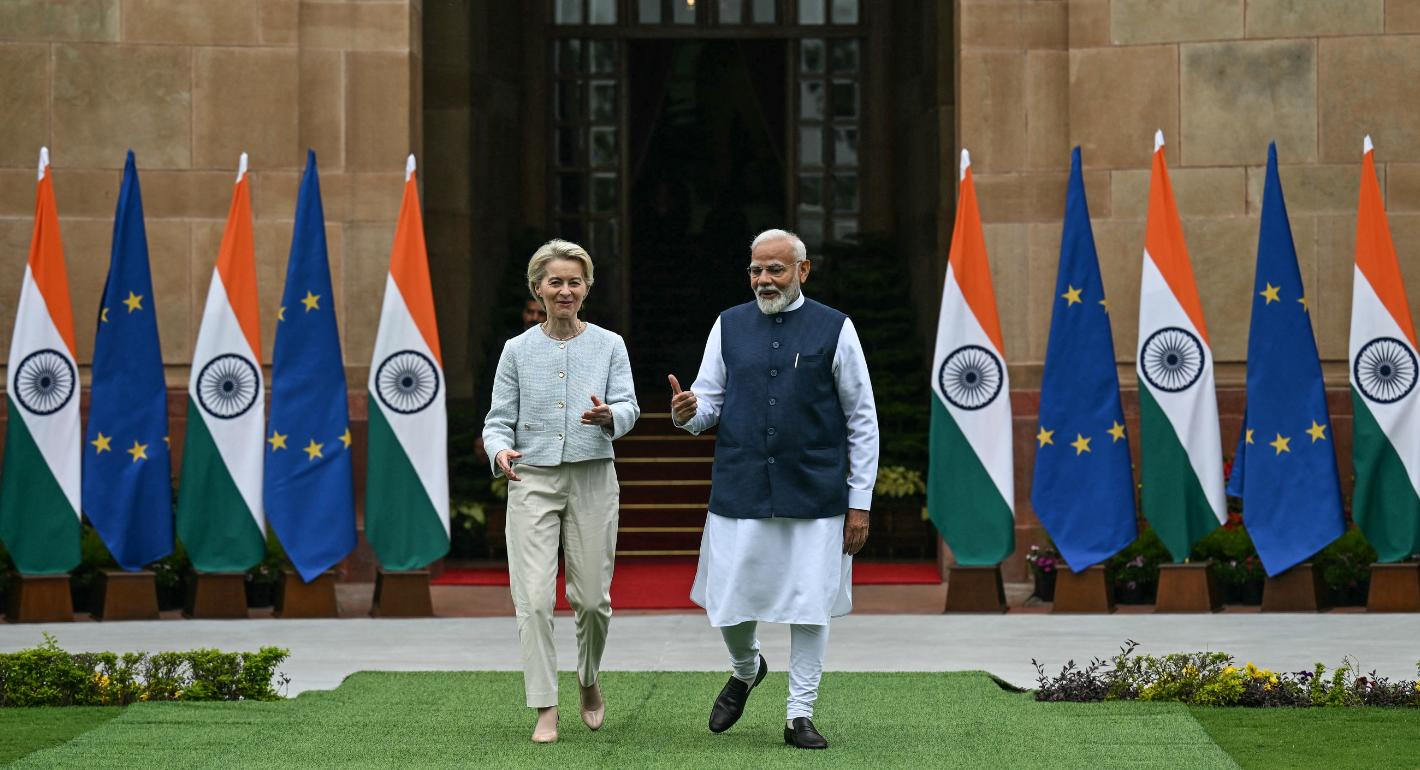
As European leadership prepares for the sixteenth EU-India Summit, both sides must reckon with trade-offs in order to secure a mutually beneficial Free Trade Agreement.

Dinakar Peri
Global development needs imagination to update the purposes, structures, and systems of outmoded institutions to make them fit for today’s world.

David McNair
African countries need to adapt to a new era of U.S. trade relations.

Kholofelo Kugler, Georgia Schaefer-Brown