

Article
U.S. agreements must contend with national data protection laws to make durable foreign policy instruments.
Jane Munga, Rose Mosero

Source: Getty
Offshore oil reserves are too small to significantly impact world oil prices or U.S. reliance on foreign oil. Alternatives to offshore drilling exist and could maximize long-term environmental, economic, and security gains.
Proponents of offshore oil drilling ignore reality: offshore oil reserves are too small to significantly impact world oil prices or U.S. reliance on foreign oil. Offshore oil, which necessitates costly and environmentally dangerous drilling, would produce about 514 million barrels annually by 2030—less than 1 percent of global oil production.
This paper identifies five alternatives to offshore oil for the transportation sector that would decrease energy demand, limit U.S. dependence on foreign oil, cut costs for consumers, and reduce carbon emissions. The transportation sector accounts for nearly three quarters of all petroleum use in the United States and is responsible for 42 percent of carbon emissions.
Five alternatives that make more sense than offshore oil:
“The first step toward weaning our nation off petroleum is to take full advantage of the efficient technologies we already have,” writes Leonard. “We can then supplement these with more advanced technologies to maximize our long-term environmental, economic, and security gains.”
Whitney Angell Leonard
Carnegie Endowment for International Peace
Carnegie does not take institutional positions on public policy issues; the views represented herein are those of the author(s) and do not necessarily reflect the views of Carnegie, its staff, or its trustees.
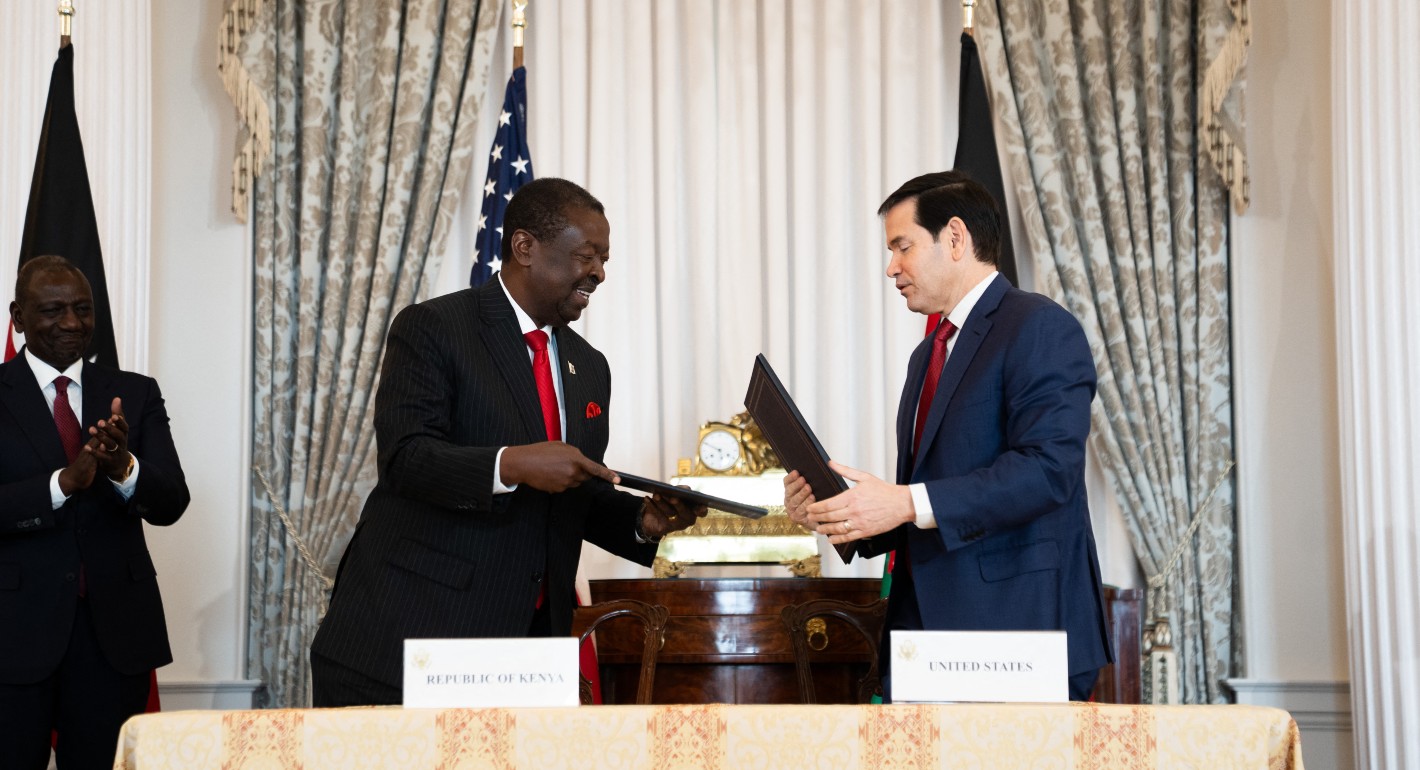
U.S. agreements must contend with national data protection laws to make durable foreign policy instruments.


Jane Munga, Rose Mosero

The simple conclusion is that the scheme will bring neither peace nor prosperity, but will institutionalize devastation.

Nathan J. Brown
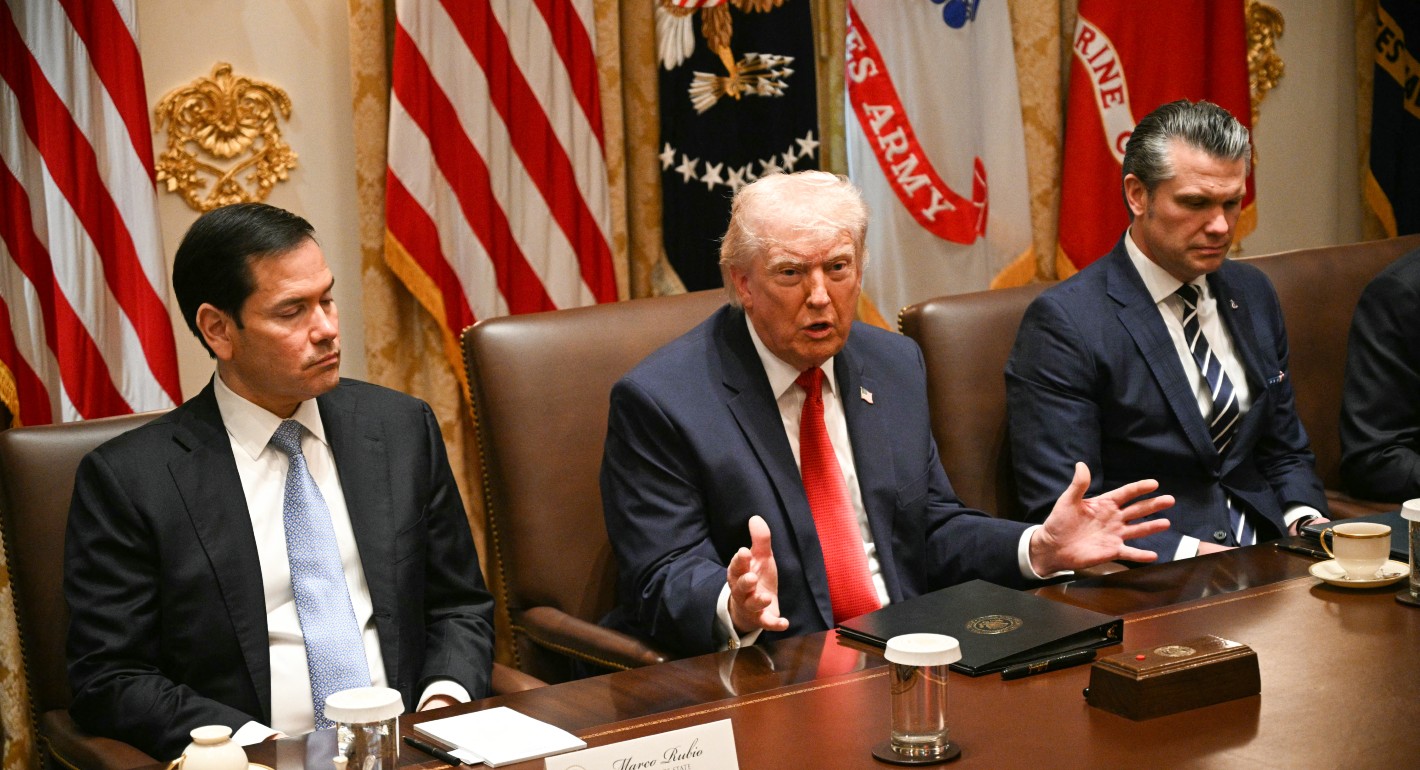
A conflict launched in the name of American security is producing the opposite effect.

Sarah Yerkes

For AI to capture the public’s policy concerns, people need to know that the models are elevating human concerns in human words, not generating their own.

Micah Weinberg
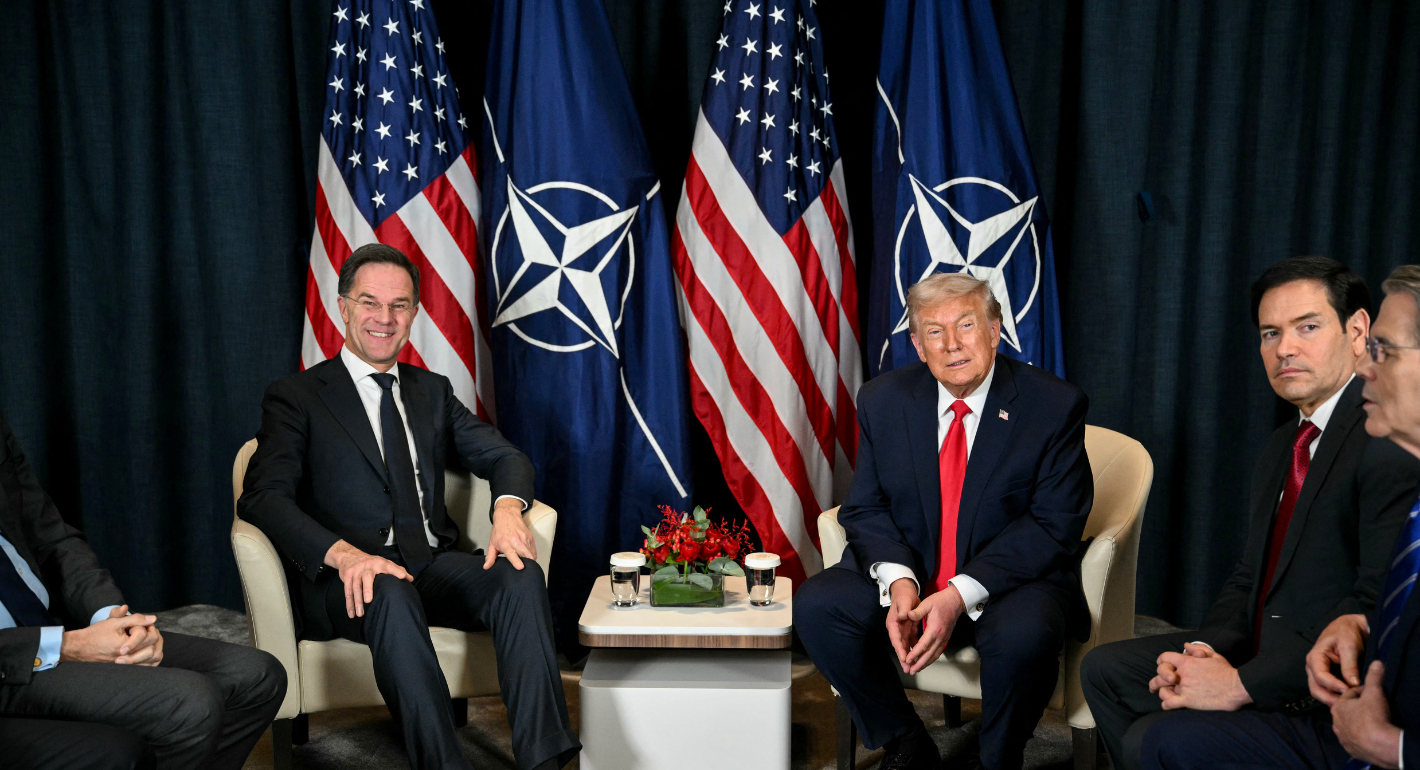
Donald Trump has demanded that European allies send ships to the Strait of Hormuz while his war of choice in Iran rages on. He has constantly berated NATO while the alliance’s secretary-general has emphatically supported him.

Rym Momtaz, ed.