

Article
The incoming government has swept Nepal’s election. The real work begins now.
Amish Raj Mulmi

Source: Getty
The global aims of Al-Qaeda in the Islamic Maghreb—an Algerian jihadi group—have been thwarted by the Algerian government’s more effective military strategy and the collapse of al-Qaeda in Iraq.
Al-Qaeda in the Islamic Maghreb (AQIM)—an Algerian jihadi group that pledged allegiance to Osama bin Laden in 2006—garnered worldwide media exposure after simultaneous attacks in December 2007 on the United Nations building and the Constitutional Court in Algiers. AQIM, however, has not been able to sustain this level of violence and failed to transform itself into a North Africa-wide organization.
AQIM’s global aims have been thwarted by the Algerian government’s more effective military strategy and the collapse of al-Qaeda in Iraq—the conflict in Iraq helped attract followers. Violent incidents fell from 200 in 2007 to below 150 in 2008. Still, the danger of terrorism in the region is real and considerable attention should be devoted to North Africa and the Sahel.
Methods to contain and ultimately eradicate al-Qaeda in the Islamic Maghreb:
“AQIM is deeply rooted in Algeria’s recent history of violence and strife, but the organization’s heavy legacy limits its global potential,” says Filiu. “The security paradox posed by AQIM is that its inability to project its ‘global’ terror beyond Africa intensifies the pressures from al-Qaeda central to achieve such a breakthrough and to force the Algerian jihadi leadership to live up to this commitment.”
Jean-Pierre Filiu
Carnegie does not take institutional positions on public policy issues; the views represented herein are those of the author(s) and do not necessarily reflect the views of Carnegie, its staff, or its trustees.

The incoming government has swept Nepal’s election. The real work begins now.

Amish Raj Mulmi

Assessing U.S. compliance with the international laws of war is essential at a time when these frameworks are already fraying.

Federica D’Alessandra

In key sectors such as critical minerals, specialty agriculture, and fintech, Africa can become a global powerhouse by investing more in manufacturing, value-add, and scaling.

Kholofelo Kugler, Georgia Schaefer-Brown
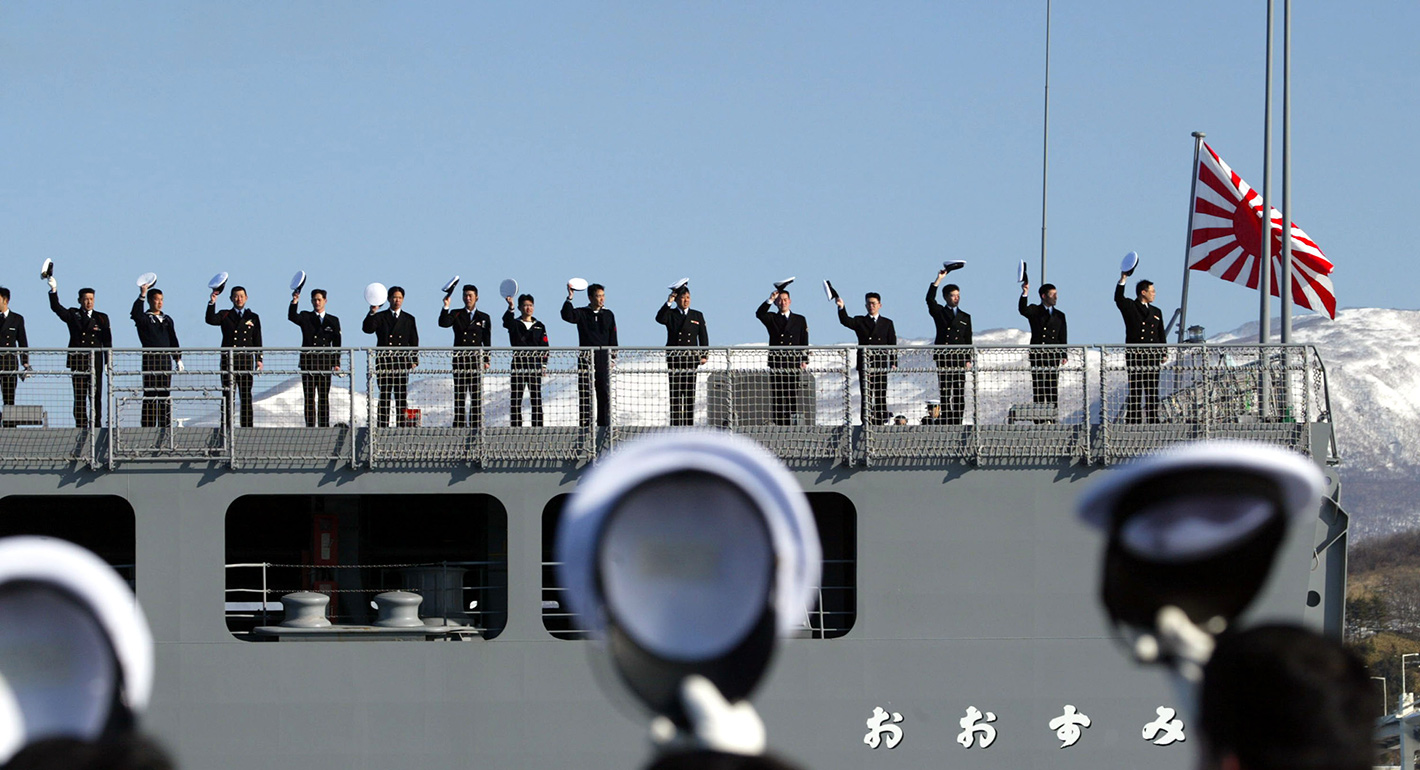
Japan’s response to U.S. pressure over Hormuz highlights a broader dilemma: How to preserve the alliance while remaining bound by legal limits, public opinion, and an Asia-centered security agenda. Tokyo gained diplomatic space through an alliance-embracing strategy, but only under conditions that may not endure.

Ryo Sahashi
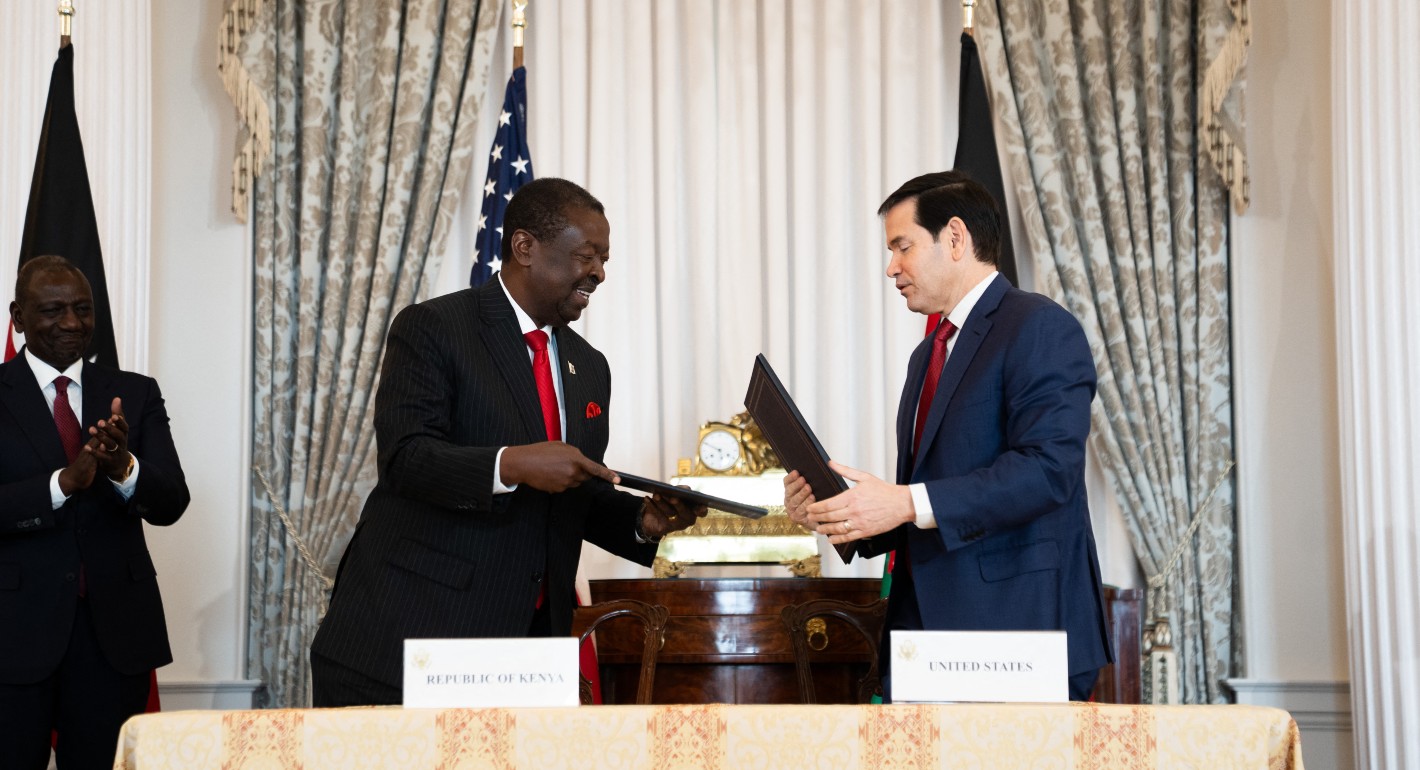
U.S. agreements must contend with national data protection laws to make durable foreign policy instruments.


Jane Munga, Rose Mosero