

Commentary
Dmitri Trenin
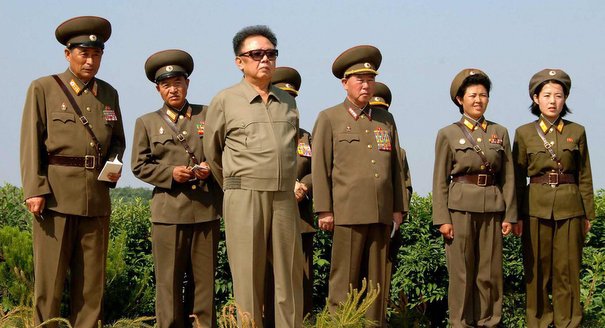
Source: Getty
In order to gain China’s vote, the new UN Security Council resolution on the North Korean torpedo attack condemns the act of war, but does not name the perpetrator of the attack.
The “toothless” UN Security Council resolution on the North Korean torpedo attack is discouraging. The act of war is condemned, yet the perpetrator remains unnamed. Such is the price of bringing China aboard and ensuring unanimity among the five permanent members of the Security Council.
Beijing is Pyongyang’s only ally, but it is also the only outside power with a measure of influence in the Stalinist kingdom. North Korea is not a place for sprinters; progress there requires staying power. Whatever is behind the recent attack, it is not the last gasp of the regime.
The fate of the Kim dynasty is more or less known, but not the circumstances of its exit. To preserve peace on the Korean Peninsula, a modicum of unity among the five countries dealing with North Korea is a conditio sine qua non. Under these circumstances, taking account of China’s sensibilities makes sense.
Former Director, Carnegie Moscow Center
Trenin was director of the Carnegie Moscow Center from 2008 to early 2022.
Recent Work
Dmitri Trenin
Dmitri Trenin
Carnegie does not take institutional positions on public policy issues; the views represented herein are those of the author(s) and do not necessarily reflect the views of Carnegie, its staff, or its trustees.

Censorship in China spans the public and private domains and is now enabled by powerful AI systems.
Nathan Law
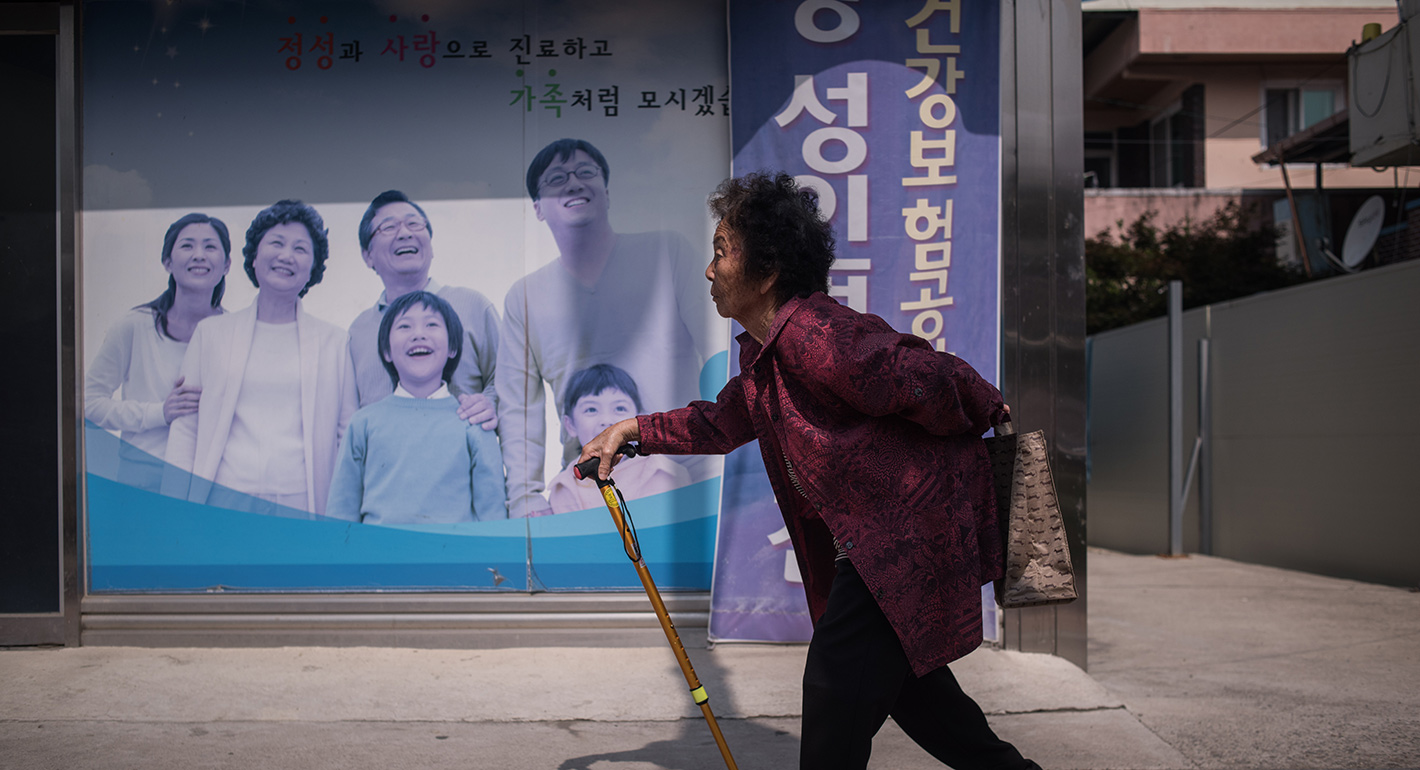
South Korea’s rapid demographic transition previews governance challenges many advanced and middle-income economies will face. This paper argues that aging is not only a care issue but a structural governance challenge—reshaping welfare, productivity, and fiscal sustainability, and reorganizing responsibilities across the state, private sector, and society.

Darcie Draudt-Véjares
South Korea has emerged as a major weapon exporter. But its relationship with Europe will depend on more than that.
Chung Min Lee
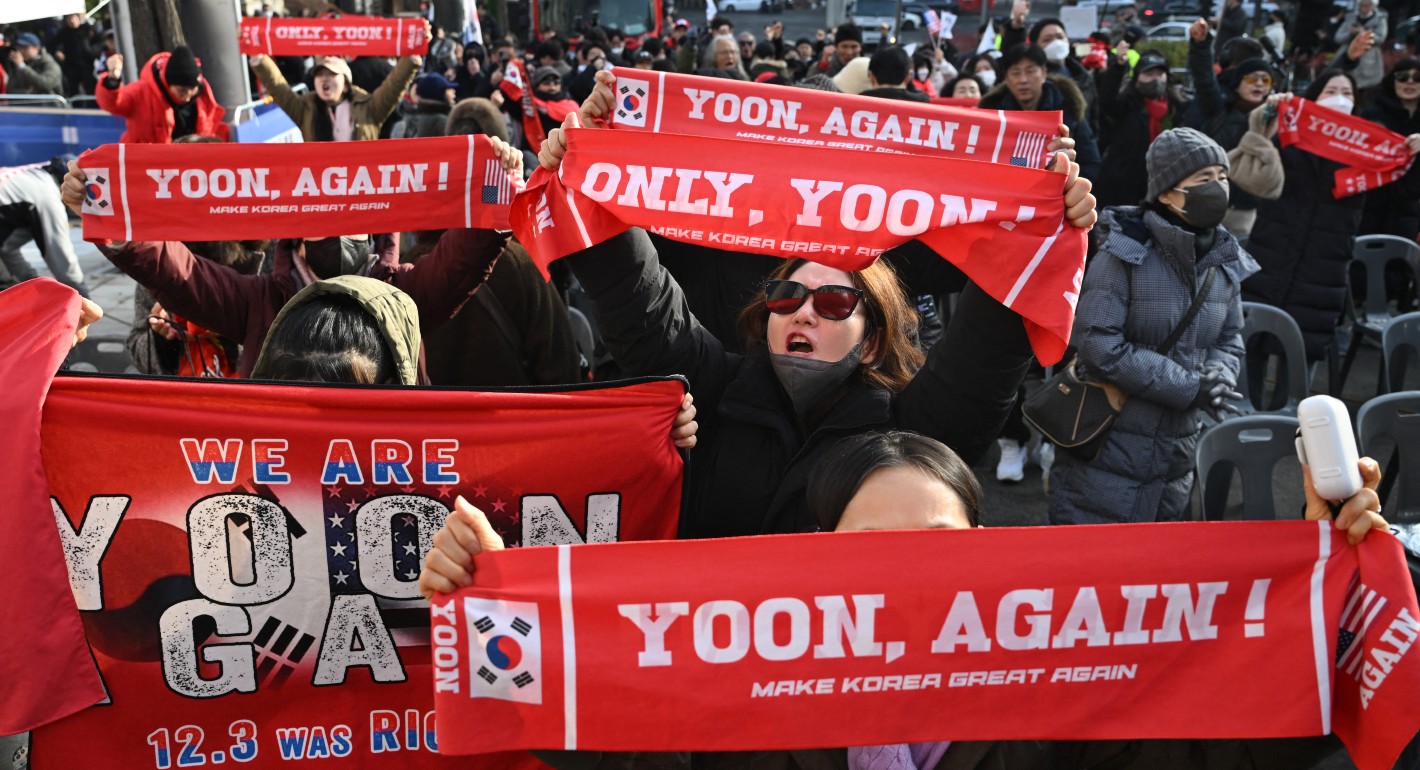
Lessons from Korea’s political right.
Darcie Draudt-Véjares
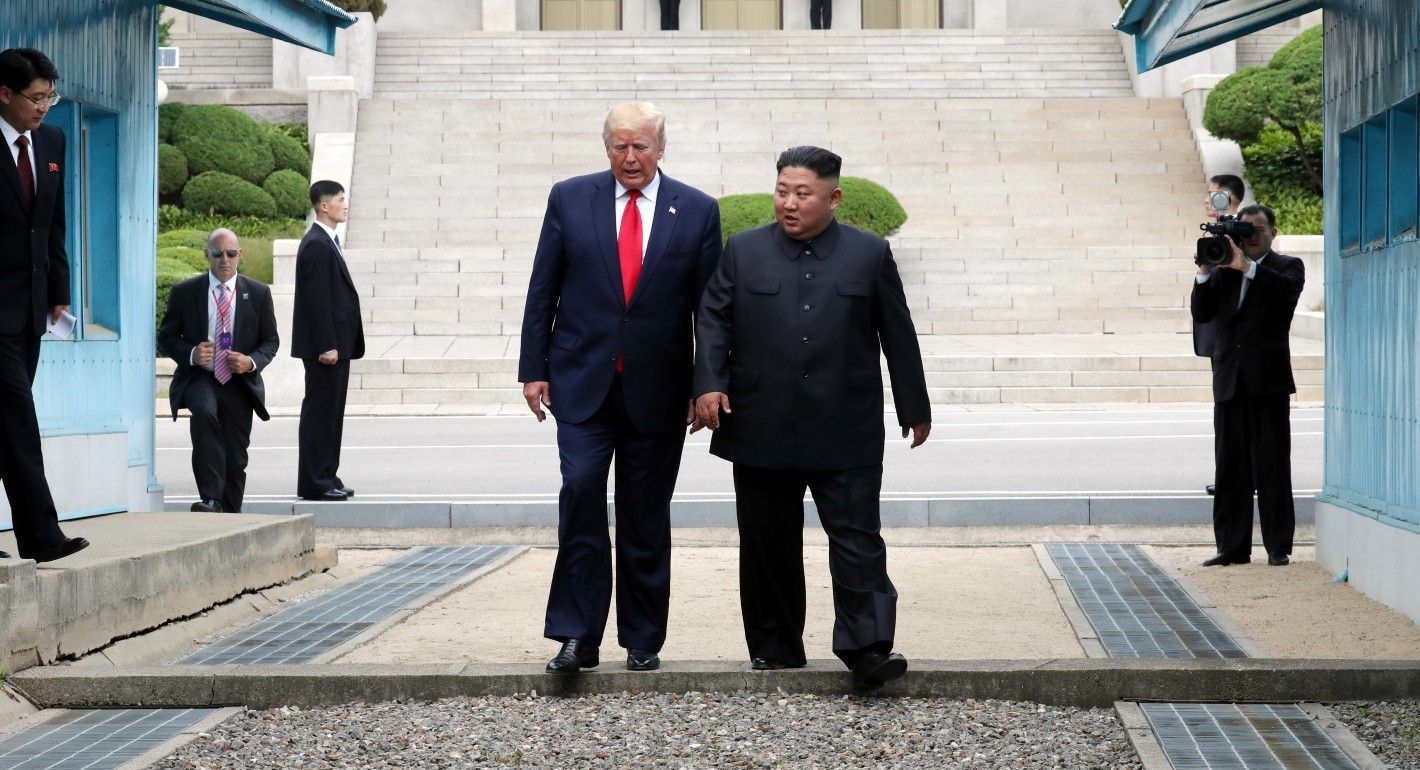
The president should use the upcoming State of the Union address to offer North Korea a new, concrete vision for engagement and reducing nuclear risks.
Ankit Panda