

Commentary
Excitement is in the air following Aleksandar Vučić’s defeat in Serbia. To build a truly democratic state, the movement that unseated the former president must learn from the mistakes of the past.
Ivan Vejvoda
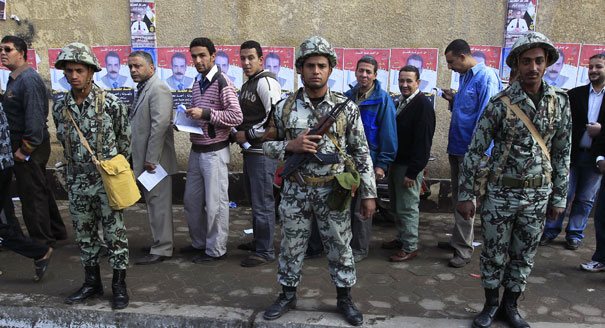
Source: Getty
Rising democracies from the developing world have the potential to assist and revitalize international democracy support. Encouraging these countries to do more to support democracy abroad should be a priority, but it will not be easy.
The emergence of a multipolar world gives Western democracy advocates cause for both optimism and anxiety. China’s success sparks fears of the spread of an autocratic development model. Yet democratic states such as Brazil, Indonesia, India, South Africa, and Turkey are also gaining ground. These countries serve as powerful examples of the universal appeal of democracy and possess unique experiences with democratization. The United States and Europe understandably hope that rising democracies will use their growing prominence to defend democratic values abroad, potentially revitalizing international democracy support.
Rising democracies, however, are often reluctant to publicly embrace a democracy and human rights agenda. Most of them are exponents of the pro-sovereignty, anti-interventionist approach to international politics. They emphasize inclusive cooperation among developing countries and are disinclined to confront autocratic leaders. They are also habitually wary of Western, especially U.S., intentions in the developing world and thus frequently suspicious of Western democracy promotion.
Western powers should not dismiss the potential contribution that rising democracies can make to democracy support, but they should moderate their expectations and proceed with caution. They should start building cooperation with rising democracies through low-visibility, sustained endeavors rather than high-visibility, short-term gestures. Western actors must also be flexible in considering rising democracies’ differing conceptions of how best to support democracy. Support for partnerships between nongovernmental actors in established and rising democracies may offer the best way forward.

Harvey V. Fineberg Chair for Democracy Studies; Senior Fellow, Democracy, Conflict, and Governance Program
Thomas Carothers, a senior fellow in the Carnegie Endowment for International Peace’s Democracy, Conflict, and Governance Program, is a leading expert on comparative democratization and international support for democracy.

Senior Fellow, Democracy, Conflict, and Governance Program
Richard Youngs is a senior fellow in the Democracy, Conflict, and Governance Program, based at Carnegie Europe. He works on EU foreign policy and on issues of international democracy.
Carnegie does not take institutional positions on public policy issues; the views represented herein are those of the author(s) and do not necessarily reflect the views of Carnegie, its staff, or its trustees.
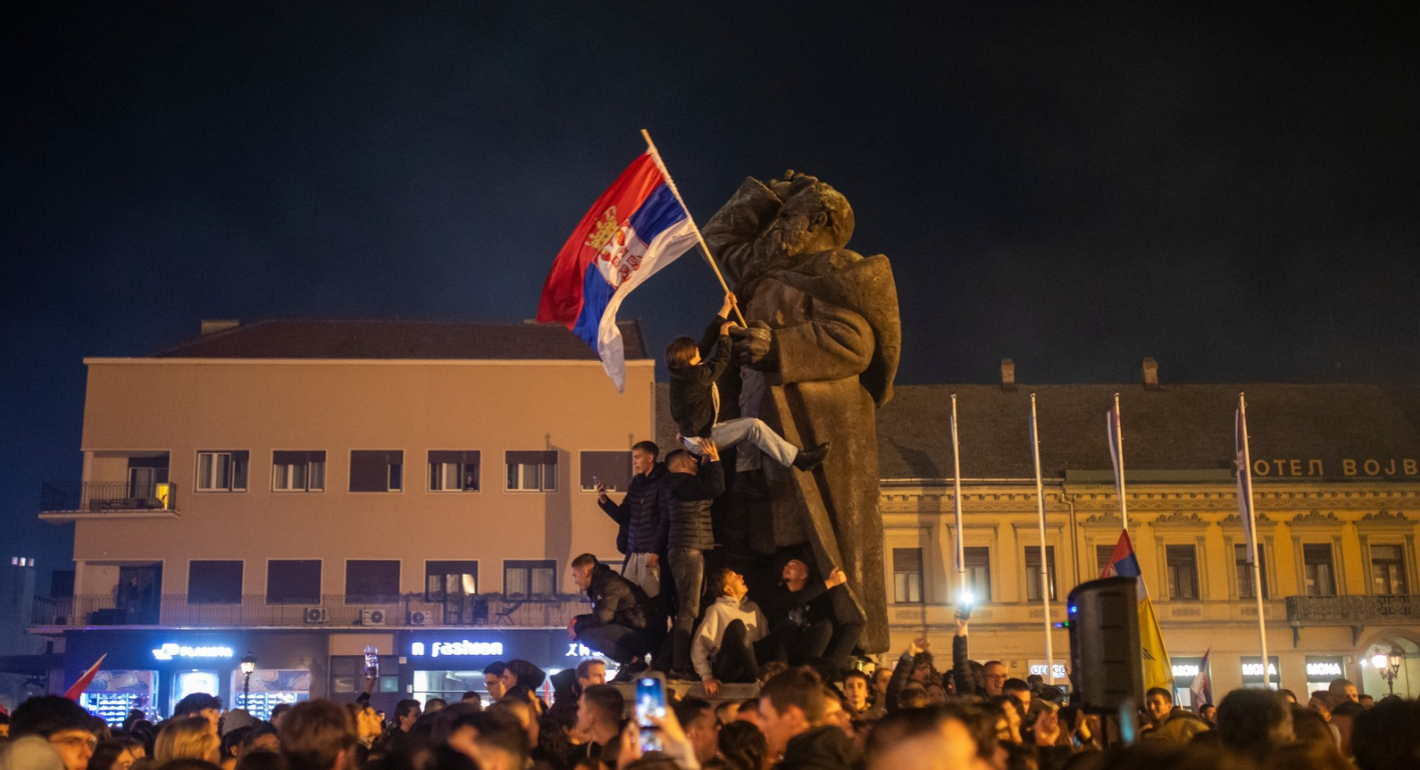
Excitement is in the air following Aleksandar Vučić’s defeat in Serbia. To build a truly democratic state, the movement that unseated the former president must learn from the mistakes of the past.
Ivan Vejvoda
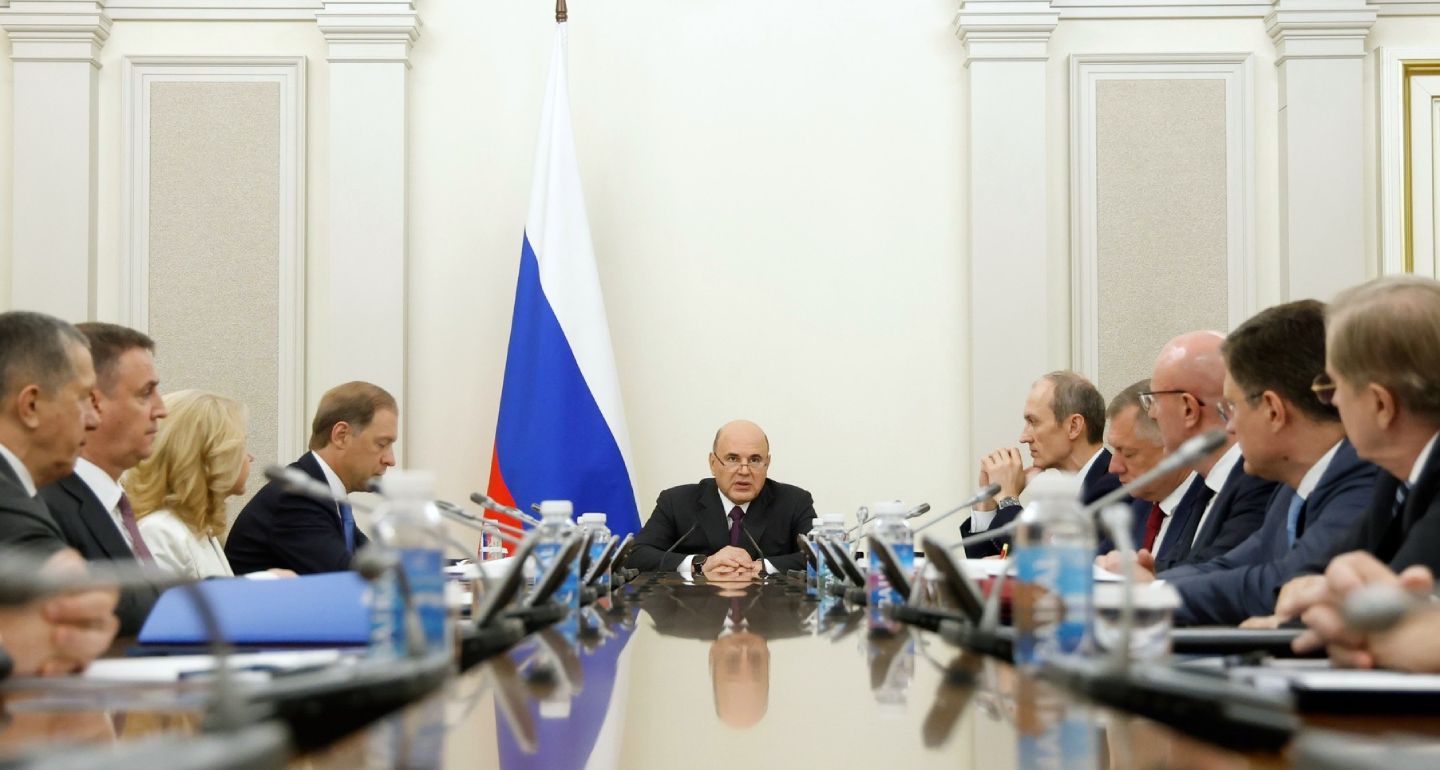
The pressures of war are gradually warping Russia’s system of governance, making it more vulnerable to a future crisis.

Tatiana Stanovaya

China’s political future will be shaped between now and next October. As the Communist Party enters its intense “campaign season” to prepare for a major political transition in 2027, reading Beijing's actions and responses may become more difficult as domestic politics weigh on its behavior more than usual.

Damien Ma

Putin’s conservative staffing policies and search for ever greater control have cemented parliament’s transformation into a bureaucratic appendage of the executive branch.

Andrey Pertsev

Ex-president Gurbanguly Berdimuhamedov remains interested in politics, but his son Serdar, Turkmenistan’s current president, is becoming increasingly independent and willing to break with his father’s legacy. If their covert rivalry goes too far, both risk losing power.

Galiya Ibragimova