

Commentary
The summit may be remembered as a fatal blunder, when Washington, Beijing, and the AI industry collectively chose ceremony over action.
Jeffrey Prescott
Source: Getty
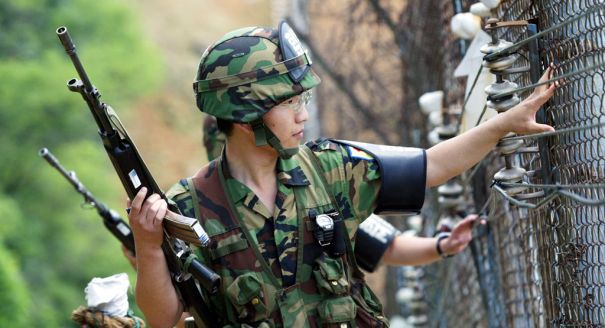
Tension on the Korean Peninsula has increased since North Korean leader Kim Jong-un came to power in 2011. To prevent destabilization, Moscow needs to pursue a more active Korea policy.
Tension on the Korean Peninsula has increased since North Korean leader Kim Jong-un came to power in 2011. Pyongyang has set a firm course toward consolidating power and eradicating opposition, and it has responded aggressively to international attempts to curb these plans. Russia, long on friendly terms with Pyongyang, stands to lose if Kim Jong-un’s actions destabilize the Korean Peninsula. To prevent this outcome, Moscow needs to pursue a more active Korea policy.
Reach out to Pyongyang. Experience shows that worsening relations with North Korea weaken Russia’s role in Northeast Asia.
Oppose North Korea’s isolation and promote diplomatic solutions. Moscow must ensure that no one resorts to force and that countries seek political and diplomatic solutions to the Korean Peninsula’s problems on a multilateral basis and with Russia’s participation, such as through the Six-Party Talks. The diplomatic process should be used as an instrument for preventing nuclear proliferation and escalation.
Promote peaceful nuclear cooperation with Pyongyang. Russia should propose a “repackaged” system of international sanctions that would let North Korea cooperate with international organizations on peaceful nuclear energy (with Russian organizations at the forefront).
Create a multilateral security system for Northeast Asia. Moscow should promote agreements between participants in the Six-Party Talks that would give legally binding form to each party’s rights and obligations with regard to the Korean Peninsula and make it possible to monitor whether parties fulfill their obligations.
Alexander Vorontsov holds a candidate of science degree in history, is head of the Korea and Mongolia Section of the Russian Academy of Sciences’ Institute of Oriental Studies, lectures at the Russian Foreign Ministry’s Moscow State Institute of International Relations (MGIMO), and is a professor at the Russian Academy of Military Sciences.
Georgy Toloraya holds a doctorate in economics and is the director of Korean programs at the Institute of Economics of the Russian Academy of Sciences, a professor at MGIMO, and the director of the Regional Programs Directorate of the Russian World Foundation. He served as a professional diplomat and holds the rank of minister extraordinary and plenipotentiary.
Alexander Vorontsov
Georgy Toloraya
Carnegie does not take institutional positions on public policy issues; the views represented herein are those of the author(s) and do not necessarily reflect the views of Carnegie, its staff, or its trustees.

The summit may be remembered as a fatal blunder, when Washington, Beijing, and the AI industry collectively chose ceremony over action.

Jeffrey Prescott

European NATO countries are wrestling with the possibility of U.S. disengagement from the alliance. With the continent’s security increasingly uncertain, governments must restore the credibility of their collective defense.



Hans-Dieter Lucas, Adam Thomson, Pierre Vimont

Cargo traffic through Russia’s Northern Sea Route has increased because of the disruption caused by the conflict in the Middle East, the Ukraine war, and U.S.-China tensions.

Mikhail Korostikov
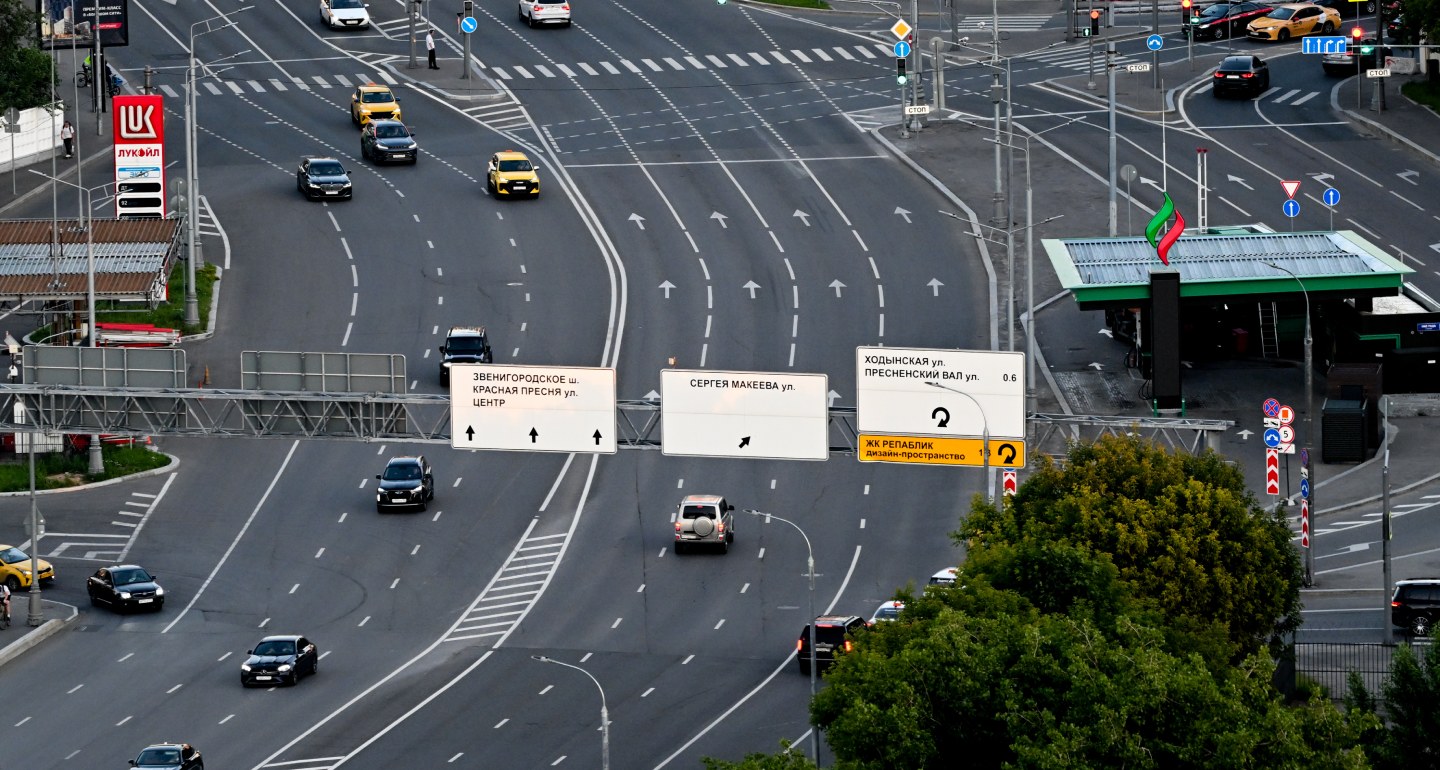
An analysis of traffic accident data suggests that Ukrainian drone attacks caused a material but not disastrous fall in Russian gasoline consumption over the summer.

Sergey Vakulenko
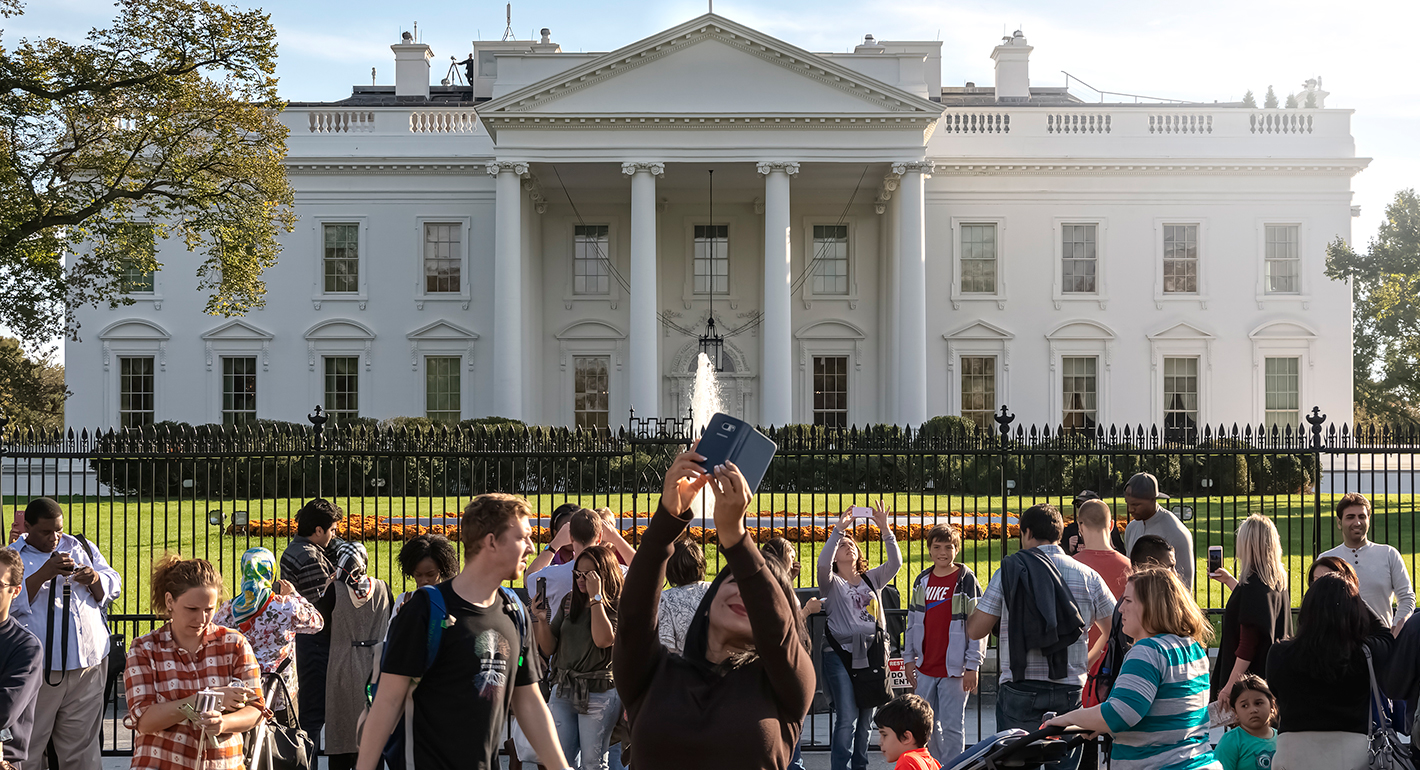
Soft power on its own is insufficient to meet U.S. national security needs, but hard power also has its limits. Soft power allows for more effective and efficient use of hard power than hard power alone, as it encourages cooperation and compliance which deters the need for hard power.

Sarah Yerkes