• Research
  • Emissary
  • About
  • Experts
Carnegie Global logoCarnegie lettermark logo
DemocracyIran
  • Donate
Conceptualizing Great Power Perpetrators
Research

Conceptualizing Great Power Perpetrators

Leveraging alternative mechanisms within the prevailing multilateral system might be the best—if not currently the only—viable approach to confronting, curbing, and countering great power abuse.
Link Copied
By Federica D’Alessandra
Published on Nov 1, 2024
Program mobile hero image

Program

Global Order and Institutions

Carnegie’s Global Order and Institutions Program identifies promising new multilateral initiatives and frameworks to realize a more peaceful, prosperous, just, and sustainable world. That mission has never been more important, or more challenging. Geopolitical competition, populist nationalism, economic inequality, technological innovation, and a planetary ecological emergency are testing the rules-based international order and complicating collective responses to shared threats. Our mission is to design global solutions to global problems.

Learn More
Read the Publication

About the Author

Federica D'Alessandra
Federica D’Alessandra

Nonresident Scholar, Global Order and Institutions Program

Federica D’Alessandra is a nonresident scholar with the Global Order and Institutions Program at the Carnegie Endowment for International Peace.

    Recent Work

  • Paper
    In Fraught Geopolitical Times, Accountability for Russian Aggression Remains Crucial Despite U.S. Policy Reversals
      • Federica D'Alessandra

      Federica D’Alessandra

  • Paper
    Operation Epic Fury and the International Law on the Use of Force
      • Federica D'Alessandra

      Federica D’Alessandra

Federica D’Alessandra
Nonresident Scholar, Global Order and Institutions Program
Federica D’Alessandra
Global Governance

Carnegie does not take institutional positions on public policy issues; the views represented herein are those of the author(s) and do not necessarily reflect the views of Carnegie, its staff, or its trustees.

More Work from Carnegie Endowment for International Peace

  • Commentary
    Carnegie Politika
    Belarus Wants More From the West Than a ‘Massive Deal’ on Potash

    Trump has promised Belarus a massive potash deal. But Minsk is seeking something greater: restored Western transit and greater room for maneuver from Russia.

      Balázs Jarábik

  • Commentary
    Carnegie Politika
    Have U.S.-Belarusian Negotiations Stalled?

    Minsk clearly expected the dialogue with Washington to yield more results, in particular the lifting of EU sanctions and permission to export potash.

      Artyom Shraibman
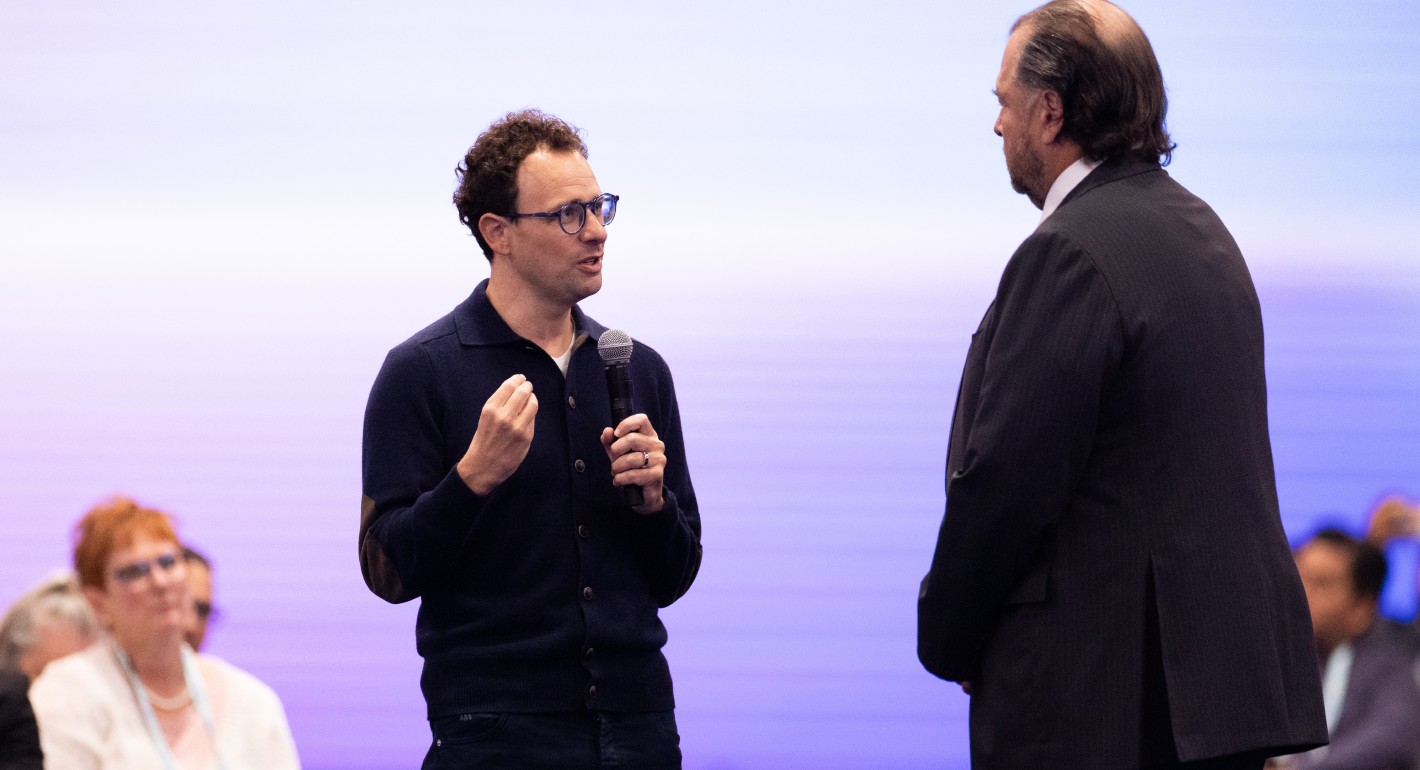
  • Two men speaking
    Commentary
    Emissary
    Who Gets to Put Guardrails on AI?

    Why governance of rapidly evolving technology will be distributed and complex.

      Stewart Patrick, Scott Singer
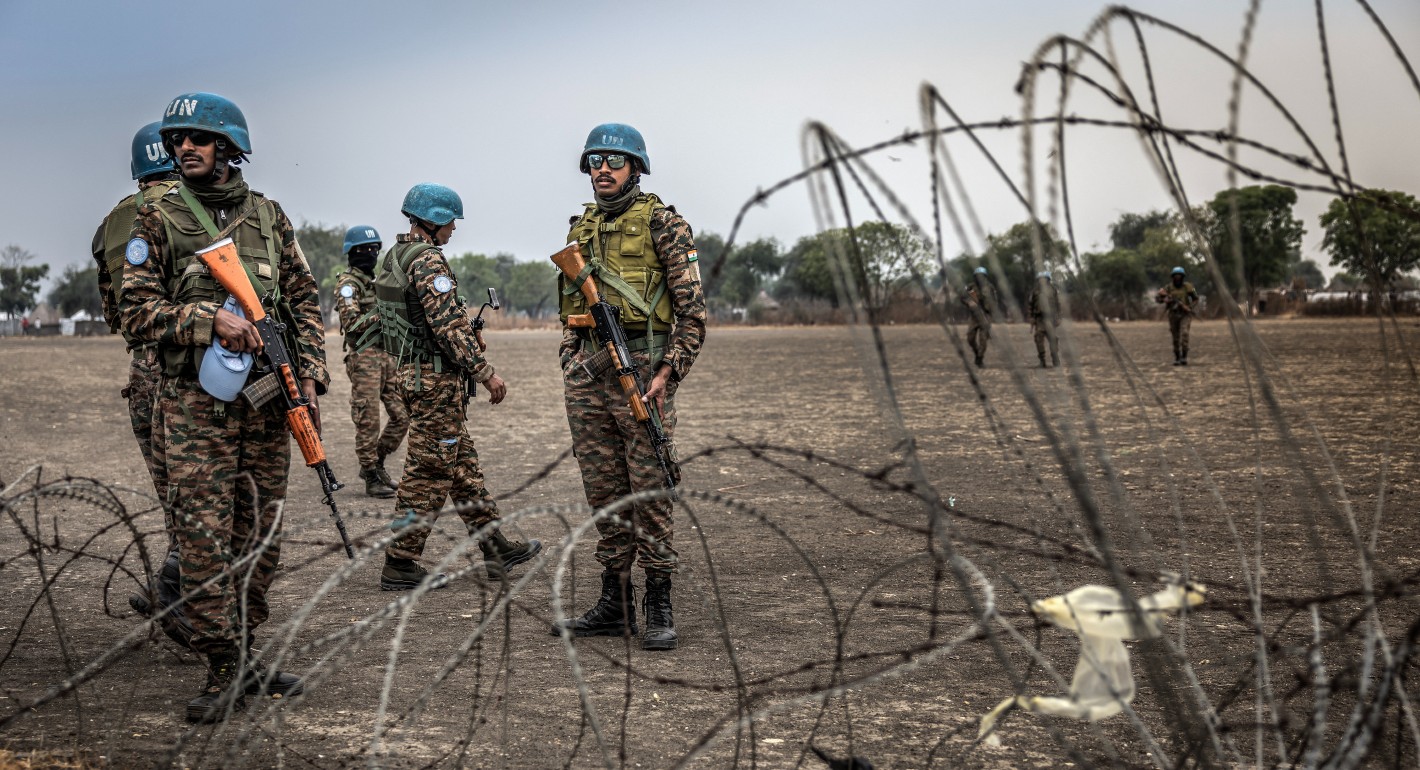
  • Soldiers standing behind barbed wire
    Commentary
    Emissary
    The UN Isn’t Declining. It’s Decomposing.

    Washington’s decision to support some UN functions while letting others wither is pulling the organization apart at the seams.

      Stewart Patrick, Theodore Zaritsky

  • Commentary
    Carnegie Politika
    As It Turns 25, the Shanghai Cooperation Organization Reflects the New World Order

    With the growth in points of friction between the great powers, organizations like the SCO will continue to play a role in the strategic adaptation of the smaller powers caught between them.

      Temur Umarov

Get more news and analysis from
Carnegie Endowment for International Peace
Carnegie global logo, stacked
1779 Massachusetts Avenue NWWashington, DC, 20036-2103Phone: 202 483 7600
  • Research
  • Emissary
  • About
  • Experts
  • Donate
  • Programs
  • Events
  • Blogs
  • Podcasts
  • Contact
  • Annual Reports
  • Careers
  • Privacy
  • For Media
  • Government Resources
Get more news and analysis from
Carnegie Endowment for International Peace
© 2026 Carnegie Endowment for International Peace. All rights reserved.