In key sectors such as critical minerals, specialty agriculture, and fintech, Africa can become a global powerhouse by investing more in manufacturing, value-add, and scaling.
Kholofelo Kugler, Georgia Schaefer-Brown
Recent experience has starkly demonstrated that merely reacting to technological change—whether from AI or from digital innovation more broadly—is insufficient. The world urgently need to proactively forestall rather than just respond to technological impacts.
Nonresident Scholar, Technology and International Affairs Program
Seth Lazar is a nonresident scholar in the Carnegie Technology and International Affairs Program.
Carnegie does not take institutional positions on public policy issues; the views represented herein are those of the author(s) and do not necessarily reflect the views of Carnegie, its staff, or its trustees.
In key sectors such as critical minerals, specialty agriculture, and fintech, Africa can become a global powerhouse by investing more in manufacturing, value-add, and scaling.
Kholofelo Kugler, Georgia Schaefer-Brown
In the latest Five-Year Plan, the Chinese president cements the shift to an innovation-driven economy over a consumption-driven one.
Damien Ma
U.S. agreements must contend with national data protection laws to make durable foreign policy instruments.
Jane Munga, Rose Mosero
For AI to capture the public’s policy concerns, people need to know that the models are elevating human concerns in human words, not generating their own.
Micah Weinberg
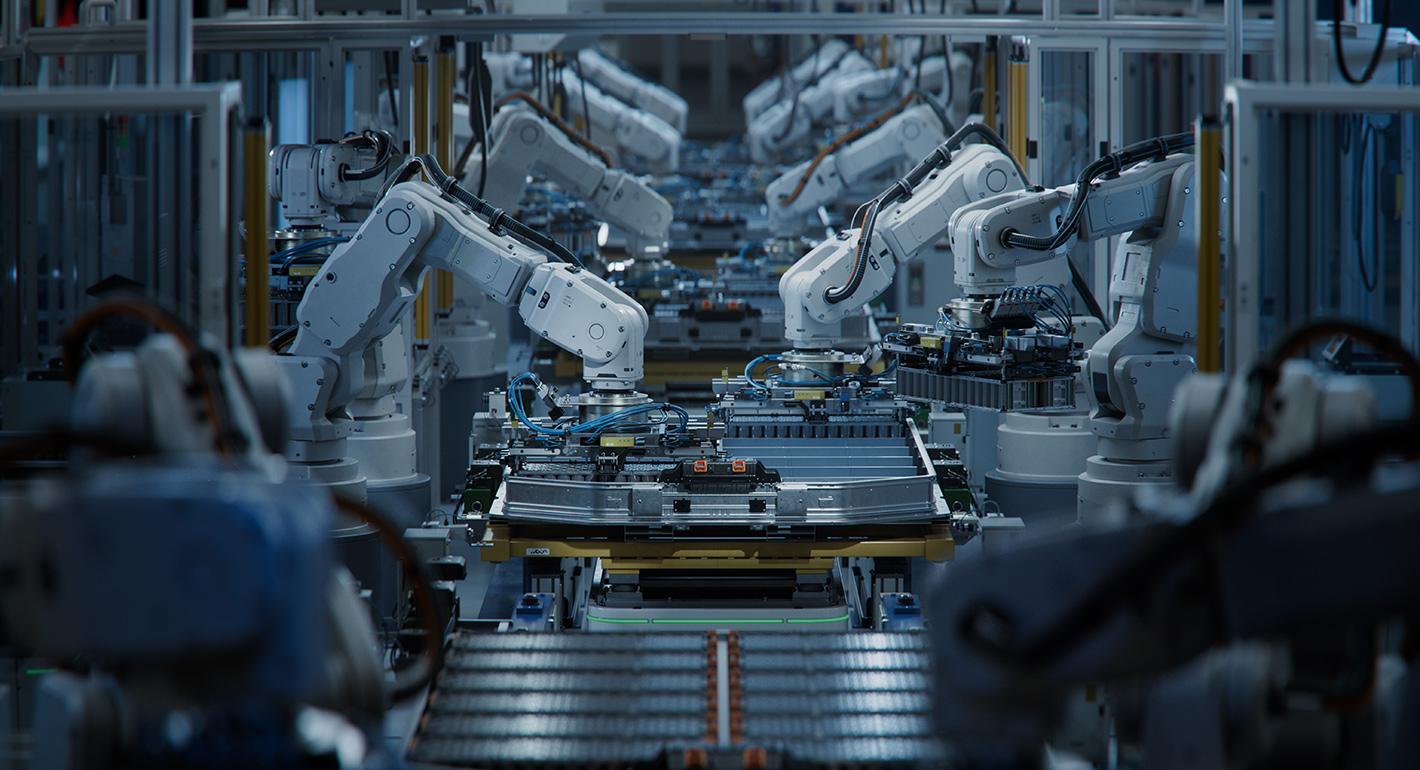
The continent needs to improve conditions for production of complete AI robotic systems and preserve its edge in hardware.
Pavlo Zvenyhorodskyi