• Research
  • Emissary
  • About
  • Experts
Carnegie Global logoCarnegie lettermark logo
Democracy
  • Donate
Promise or Peril? Artificial Intelligence, Human-Machine Interaction, and the Risk of War
Research

Promise or Peril? Artificial Intelligence, Human-Machine Interaction, and the Risk of War

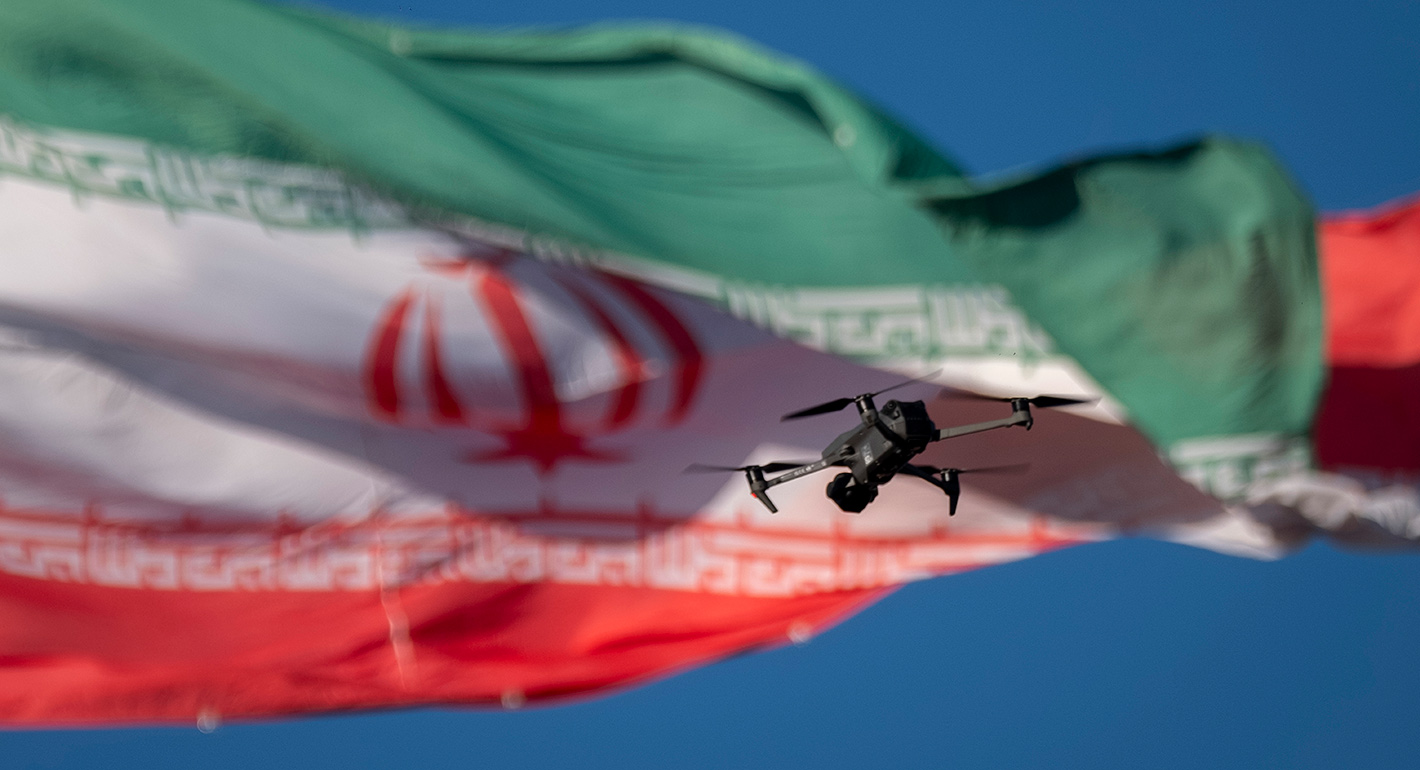
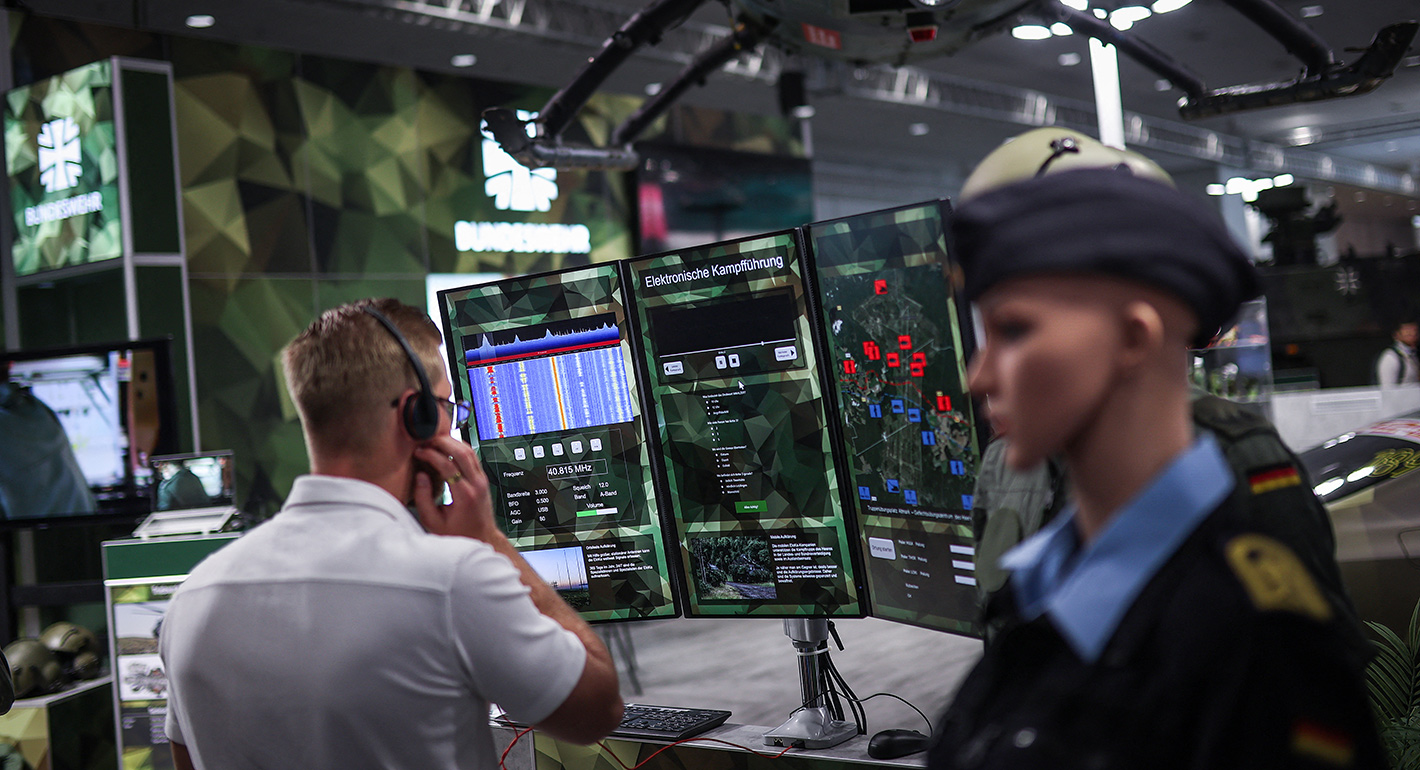
Against the backdrop of increasing global tensions, transformative technologies—notably artificial intelligence—are poised to revolutionize how the military wages war and how leaders think about, prepare for, and decide to go to war.

Link Copied
By Adam McCauley
Published on Feb 3, 2026
Program mobile hero image

Program

Global Order and Institutions

Carnegie’s Global Order and Institutions Program identifies promising new multilateral initiatives and frameworks to realize a more peaceful, prosperous, just, and sustainable world. That mission has never been more important, or more challenging. Geopolitical competition, populist nationalism, economic inequality, technological innovation, and a planetary ecological emergency are testing the rules-based international order and complicating collective responses to shared threats. Our mission is to design global solutions to global problems.

Learn More
Read the Publication
Adam McCauley
AI

Carnegie does not take institutional positions on public policy issues; the views represented herein are those of the author(s) and do not necessarily reflect the views of Carnegie, its staff, or its trustees.

More Work from Carnegie Endowment for International Peace

  • Hochel stading behind a dais, with a hand raised
    Commentary
    Emissary
    With the RAISE Act, New York Aligns With California on Frontier AI Laws

    The bills differ in minor but meaningful ways, but their overwhelming convergence is key.

      Alasdair Phillips-Robins, Scott Singer

  • Politically Resilient Humanitarianism: Rethinking Principles, Power, and Partnership in a Fragmenting World Order
    Research
    Politically Resilient Humanitarianism: Rethinking Principles, Power, and Partnership in a Fragmenting World Order

    A new vision and operational strategy to help humanitarians adapt aid systems to fragmentation while safeguarding core principles, sustaining access, and maintaining legitimacy.

      Rebecca Thompson

  • The Social Foundations for Peace: Violence, Peace, and (Dis)Order in Ukraine
    Research
    The Social Foundations for Peace: Violence, Peace, and (Dis)Order in Ukraine

    Local political and social dynamics will shape the implementation of any peace settlement following Russia’s war against Ukraine—dynamics that adversaries may seek to exploit.

      Daryna Dvornichenko, Holger Nehring

  • Research
    International AI Safety Report 2026

    The second International AI Safety Report is the next iteration of the comprehensive review of latest scientific research on the capabilities and risks of general-purpose AI systems. It represents the largest global collaboration on AI safety to date.

      Scott Singer, Jane Munga

  • Confronting the Dilemmas of Humanitarian Borderwork: NGO Engagements with Australian Offshore Detention
    Research
    Confronting the Dilemmas of Humanitarian Borderwork: NGO Engagements with Australian Offshore Detention

    Beyond hardening borders, rejecting asylum claims, and deporting undocumented persons, some governments have tried to “offshore” the problem of uncontrolled movements across their frontiers.

      Eleanor Davey

Get more news and analysis from
Carnegie Endowment for International Peace
Carnegie global logo, stacked
1779 Massachusetts Avenue NWWashington, DC, 20036-2103Phone: 202 483 7600Fax: 202 483 1840
  • Research
  • Emissary
  • About
  • Experts
  • Donate
  • Programs
  • Events
  • Blogs
  • Podcasts
  • Contact
  • Annual Reports
  • Careers
  • Privacy
  • For Media
  • Government Resources
Get more news and analysis from
Carnegie Endowment for International Peace
© 2026 Carnegie Endowment for International Peace. All rights reserved.