

Commentary
Despite public disputes over trade and immigration, the strategic partnership’s foundations remain sturdy.
Sameer Lalwani

The race where the middle powers can compete and even lead is the race to favorably adapt frontier artificial intelligence into their governments and economies.

Fellow, Technology and International Affairs Program
Anton Leicht is a fellow with the Technology and International Affairs Program at the Carnegie Endowment for International Peace, where he researches the political economy of artificial intelligence.
Dean W. Ball
Dean W. Ball is a senior policy adviser for AI and emerging technology at the White House Office of Science and Technology Policy. He was previously a research fellow at the Mercatus Center and a nonresident senior fellow at both the Foundation for American Innovation and Fathom.
Carnegie does not take institutional positions on public policy issues; the views represented herein are those of the author(s) and do not necessarily reflect the views of Carnegie, its staff, or its trustees.
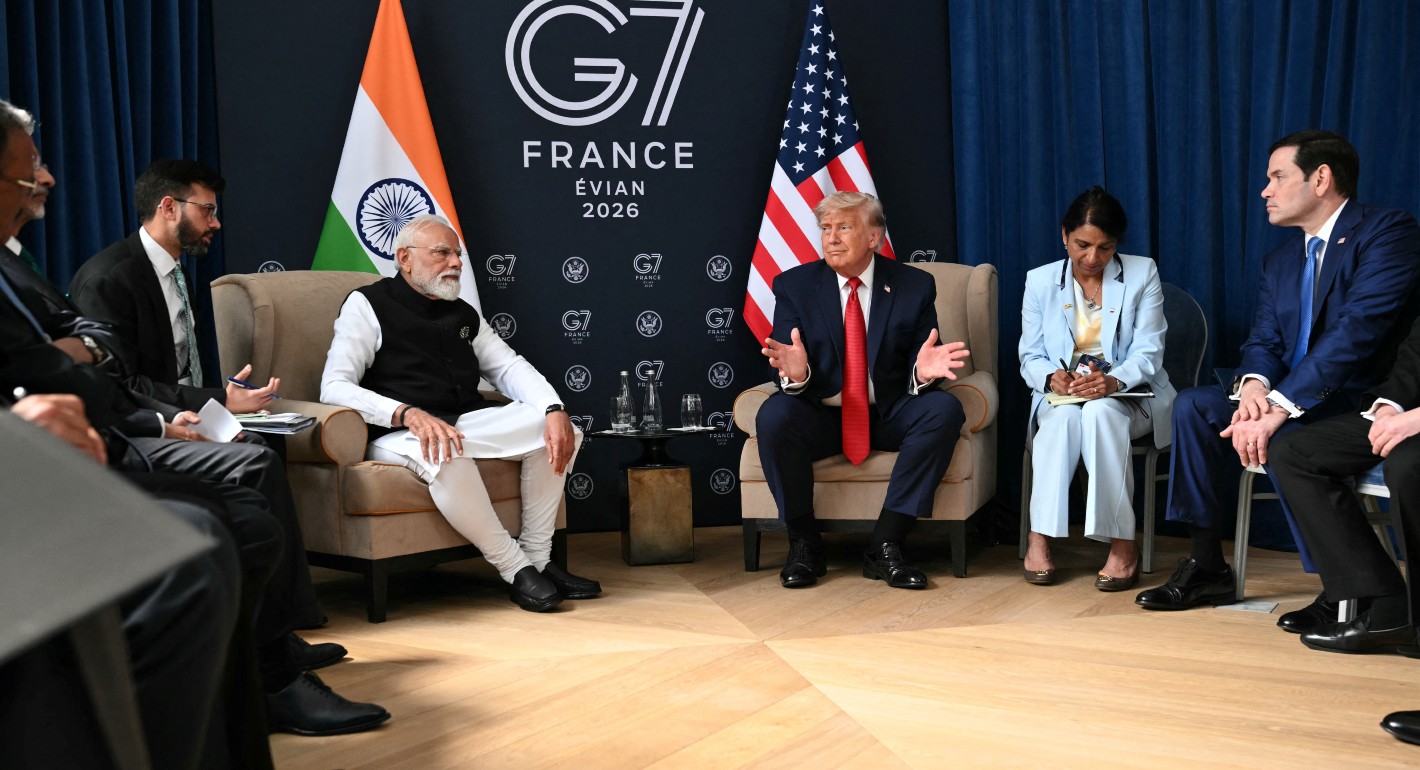
Despite public disputes over trade and immigration, the strategic partnership’s foundations remain sturdy.

Sameer Lalwani
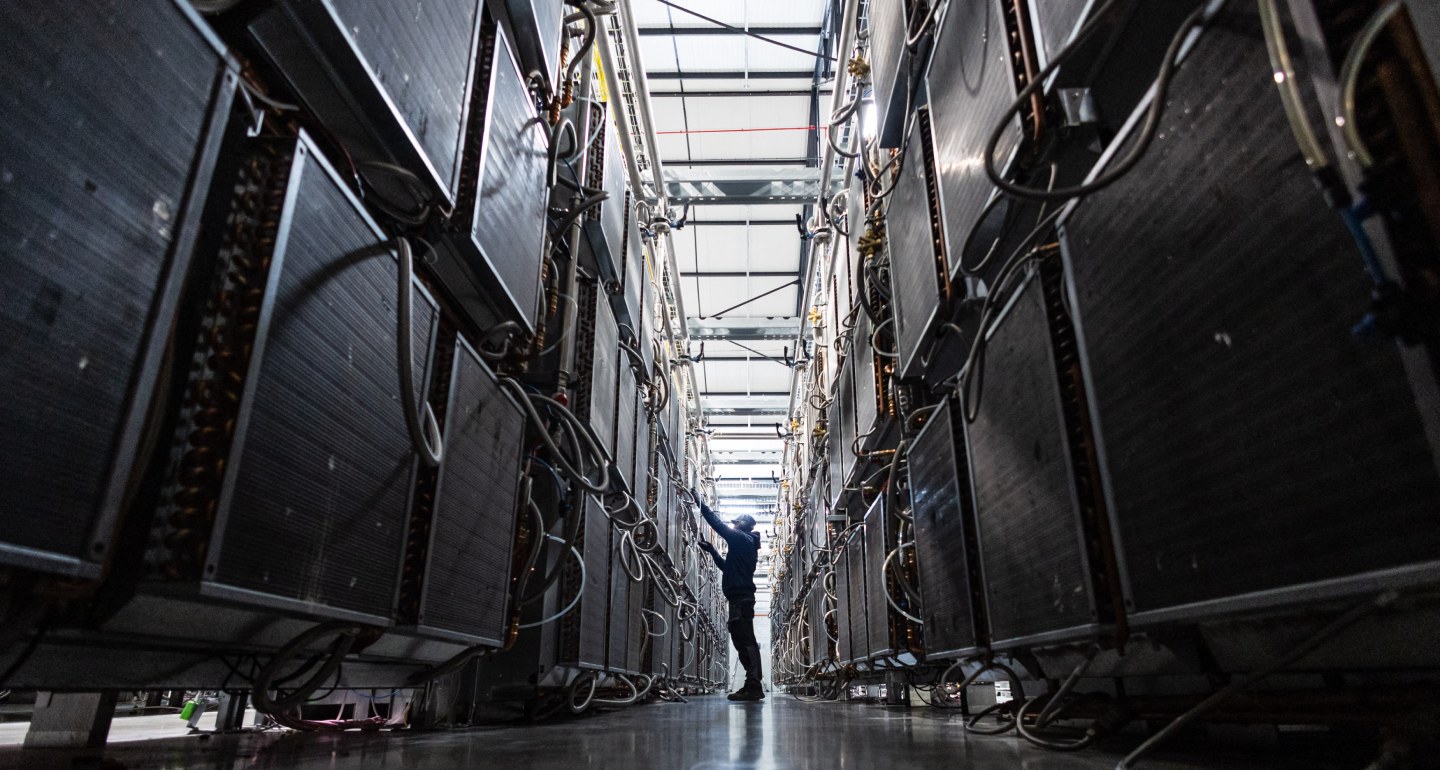
Russia spent years building a “sovereign internet,” concentrating web infrastructure exclusively within Russian territory. Ukrainian drone attacks have shown how vulnerable that approach has left the Russian internet.

Maria Kolomychenko
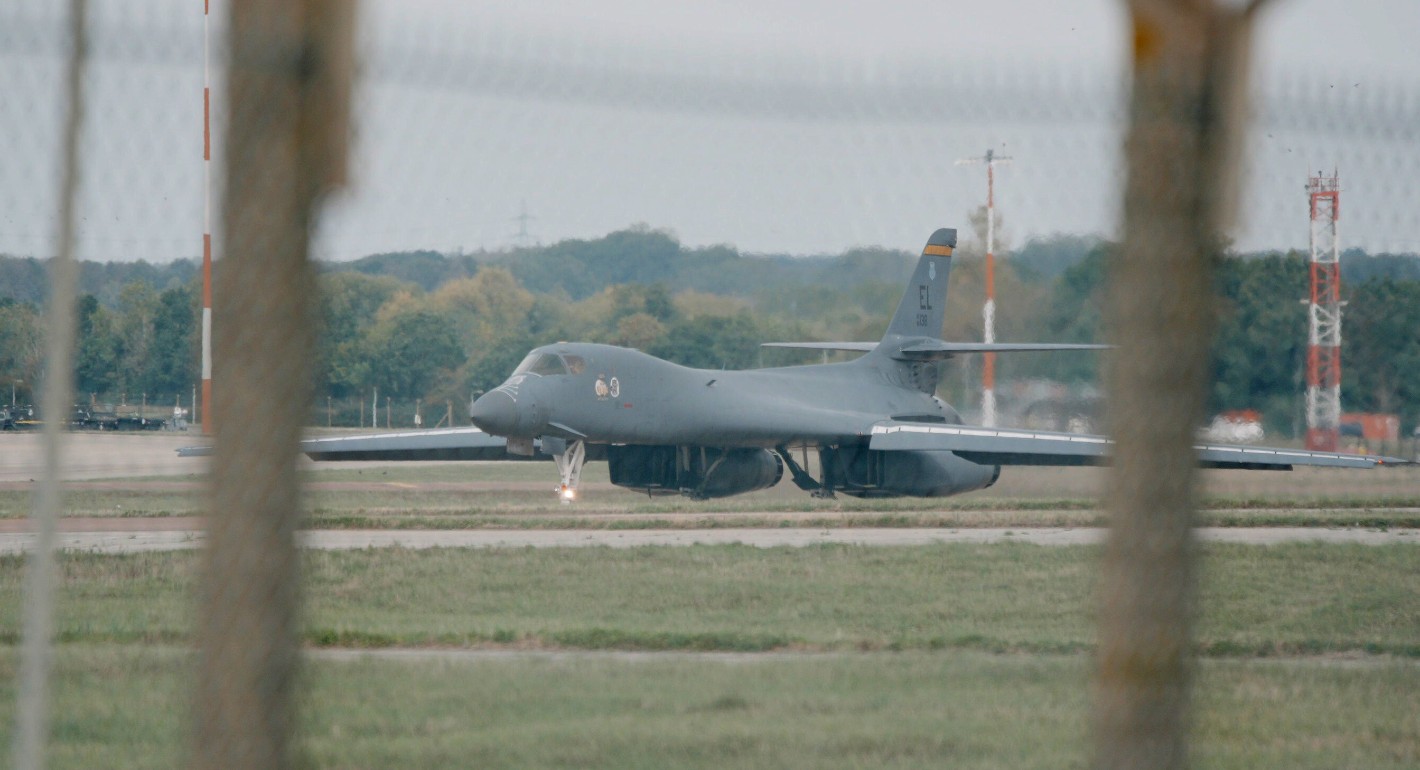
It signals a new era of tech diffusion and warfare.
Steve Feldstein

Russia’s AI-driven propaganda campaigns operate in a fragmented, chaotic, and often illogical manner. That’s not necessarily a problem for the Kremlin, though: It’s much easier to mimic genuine public debate that way.

Ilya Klishin

The acknowledgment has sparked fears of a new arms race with China and Russia.

Chris O’Meara