Paper
Governance realities in Bolivia, Colombia, Cuba, and Uruguay reveal the gaps in rights and opportunities available to citizens under differing forms of government.
Source: Getty
Today’s global democratic recession is partly rooted in a common perception that democracies have a delivery problem, with many citizens in both autocracies and democracies alike now believing that strongmen can achieve better governance outcomes. But a study of four countries in Africa reveals that democratic-leaning governments have demonstrated better governance performance than autocratic governments.
Today’s global democratic recession is partly rooted in a common perception that democracies have a delivery problem, with many citizens in both autocracies and democracies alike now believing that strongmen can achieve better governance outcomes. This paper, the second in a series called “Governance Compared: Autocracy and Democracy in the Global South,” examines this perception by assessing whether autocracies or democracies in Africa perform higher on a variety of governance deliverables. It builds on the already published paper focused on Latin America.1 Future installments will examine governance outcomes in Southeast Asia and the Middle East and North Africa.
To further understand the relationship between regime type and governance performance in Africa, we examined four case studies: Cameroon, Namibia, Senegal, and Tanzania. For each study, we looked at the following four categories of governance indicators identified in our earlier paper: socioeconomics, access to information, rule of law, and civil liberties.
The first category of socioeconomic indicators assessed the felt aspects of governance, such as employment, poverty, income disparities, and access to services (for example, education, healthcare, and subsidies). Important to this last aspect was exclusion, meaning how access to services is distributed by gender, political group, social group, urban-rural location, and socioeconomic position.
The second category, access to information, covered variables such as transparency, academic freedom, arrests for free speech and political content, social media use by the public and elites, government internet filtering capacity and practice, government capacity to regulate online content, and government involvement in the dissemination of false information.
The third category, rule of law, encompassed traditional political principles, including separation of powers, checks and balances, and control of corruption. Important to this category were political equality measures, including educational equality, health equality, power distribution by gender, sexual orientation, social group, and socioeconomic position.
And the final category, civil liberties, reflected the more intangible aspects of governance, including access to justice, equality before the law, freedom of expression and association, freedom of domestic movement, freedom of foreign movement, freedom of religion, and property rights.2
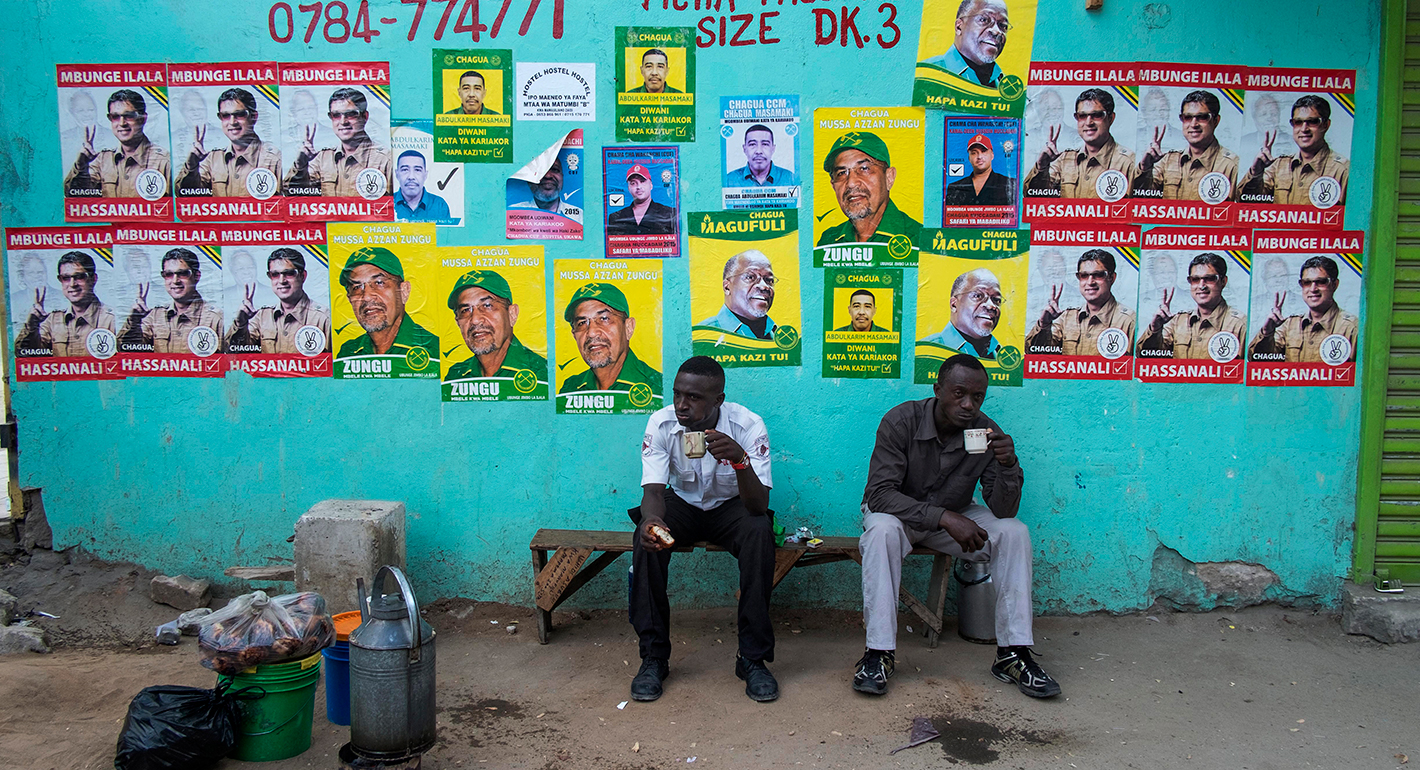
Applying these indicators across the four cases revealed variation in the relationship between regime type and governance performance outcomes. According to the findings, Cameroon is a low-performing, high-level autocracy; Tanzania is a middle-performing, mid-level autocracy; Senegal is a higher-performing, mid-level democracy; and Namibia is a middle-performing, mid-level democracy.34 In Africa as well, democracies tend to outperform autocracies in governance matters.
Understand the world with the latest from our scholars around the world.
Given Africa’s distinct and diverse regions, it is challenging to characterize its governance over the past decade unilaterally. Broadly speaking, though, the continent has experienced extensive economic development, aided by the discovery and expansion of natural resources such as oil and gas. Africa’s regional governance has expanded through institutions like the African Union (AU) and regional economic communities (RECs) like the East African Community or Arab Maghreb Union, but not all of these multi- and mini-lateral organizations have been wholly effective in the face of ongoing challenges. With some of the largest youth populations in the world, many African states are still struggling to meet the demand for economic opportunities. Conflict and insecurity are also eroding good governance by contributing to fragility of the state and weakening public trust. Furthermore, in the past few years, West Africa in particular has been mired by coup attempts, including several successful military coups, ultimately earning the Sahel region the nickname “the coup belt.”5 While some states have weathered the turbulence relatively well, maintaining commitment to democracy even in times of political crises, African governance continues to be paradoxical. States of the region are simultaneously experiencing both economic development and economic challenges, both expansion of regional organizations and a lack of implementation, and both governmental stability and instability.
Regional governance is best understood through the AU, which was established in 2002 as a replacement for the Organization of African Unity to invoke better governance on the continent. To achieve its goal, the AU established sub-institutions, although they have since become fragmented, which reduces their effectiveness.6 One key AU measure, the African Peer Review Mechanism, was established in 2003 to promote good governance for political stability and help countries achieve sustainable development goals. In 2011, the AU created the African Governance Architecture to centralize and implement democracy promotion efforts.7 Additionally, in 2021, the organization adopted the African Continental Free Trade Area (AfCTA), making trade more cooperative across the continent. Africa has consequently been boosted by economic advancement. Growth across all of sub-Saharan Africa has on average exceeded 4.5 percent in recent years, making it the second- or third-fastest growing region in the world after Asia and sometimes Latin America.8
However, despite these efforts to improve economic outcomes, Africa is facing issues with economic inequality across populations. Economies are struggling with a decline in the manufacturing industry. Despite having resource wealth, many states lack the capacity to manufacture, instead relying on outsourcing. The decline of the manufacturing industry has consequently caused a reduction in jobs.9 Further, as the region with the highest youth unemployment rate in the world, the job market in Africa is in a stage of crisis. Some scholars point to a mismatch between the jobs available and the necessary talent in the youth economy—in other words, the jobs that need to be filled require skill sets that young people are not being taught.10 And, indeed, our case studies affirm that limitations in the education system, in both soft and hard skills, are having a real impact on economic opportunities. But other researchers contradict this assertion, arguing that a lack of relevant skill sets among young people is not the issue—it is rather the lack of “remunerative, safe, and dignified” jobs available.11 Regardless of the reason, youth employment remains a major issue with impacts on wider economic growth and political stability.
Another hurdle to achieving better governance across the continent is widespread corruption. In the last fifty years, Africa is estimated to have lost more than one trillion dollars to corruption.12 In a study of several countries in Southern Africa, researchers found that businesses have excessive freedom but lack corporate responsibility to be fair and ethical in their business practices.13 Corruption is prevalent in public and private sectors. To reduce it, governments have created specialized corruption courts, but scholars argue that without ensuring their judicial independence, the courts’ power to defend against corruption is rendered obsolete.14 Corruption was a prevalent theme across our case study results, except for some potential bright spots in corruption mitigation; for example, Senegal passed unprecedented anti-corruption legislation in 2025,15 although the resulting impacts are not yet clear.
In the last fifty years, Africa is estimated to have lost more than one trillion dollars to corruption.
The continent’s governance difficulties are engendering serious consequences, including coups, with some actors rejecting the formal constitutional process. West Africa has become the region with the most coups and coup attempts in the world. Since 2020, there have been successful coups in Burkina Faso, Chad, Gabon, Guinea, and Niger.16 The coups signal, in part, a “crisis of French imperialism in Africa.”17 As France faced decolonization movements in the 1960s, it devised a plan to maintain its hold on West Africa—the result of which was political and economic fragmentation that created small, weak economies dependent on France, who in exchange got raw goods and economic control.18 Additionally, since 2012, France has been increasing its military presence in West Africa in the name of fighting terrorism, but these efforts have ultimately aided separatist movements and failed to protect civilian populations.19 France’s actions through the Economic Community of West African States (ECOWAS), coupled with African states’ closeness to the former colonial power, has contributed to the delegitimizing of democratic governments in the eyes of African citizens.20
Despite this view, however, results from a perception survey conducted by the United Nations Development Programme (UNDP) of more than 8,000 people across Africa counter the argument that the coups in Africa stem from France’s behavior. According to the UNDP’s findings, some notable factors contributing to the recent rise in coups include a lack of inclusive development, underdevelopment, weakened confidence in transitional governments, and disappointment with democratically elected leaders. The UNDP report also argues that coup leaders have strategically employed postcolonial rhetoric to appeal to the popular imagination and undergird coups.21 Such an exploitation of rhetoric therefore signals a correlation, rather than causation, between coups and French actions in the region. The coups also reflect country-specific challenges with developing political institutions and governance capacity.22 One study found that across ECOWAS, political instability that provokes coups is often tied to factors surrounding gross domestic product (GDP) per capita, military expenditure, and trade openness.23 All three categories relate directly to the governance of the state, underscoring the importance of governance outcomes.
Southern Africa has not seen the same level of coups as West Africa, but it does share some of the same trends as West Africa, especially in the centering of anticolonialism in regime legitimacy. Angola, Mozambique, Namibia, South Africa, and Zimbabwe all had national liberation movements but continue to use both authoritarianism and populism as bases of control.24 In addition, their promises of “liberation” have fallen short in terms of providing civil liberties and material improvements.25 However, several of the aforementioned countries are committed to democratic norms and values despite economic challenges or problems with excessive executive authority, thus alleviating some of the effects of poor governance.26
The following four case studies illustrate some of the above trends but also reveal the extent to which particularities of a given country shape its governance trajectory.
Cameroon is characterized by high levels of autocracy and low-performing governance. Considered an electoral autocracy, Cameroon has been led by one man, Paul Biya, as president since 1982. As of this writing, he is ninety-three years old, making him the world’s oldest head of state and a controversial figure domestically and internationally. In recent years, the country’s key governance characteristics—major civil conflicts, continued elite entrenchment, and uneven governance outcomes—have produced cracks in the stability the country enjoyed for decades. In October 2025, the government of Cameroon used lethal force to quell opposition protests in response to the reelection of Biya. Around fifty Cameroonians were killed by security forces, and many others were beaten and injured.27 This state violence reflects the Cameroonian elite’s preference for regime survival over effective governance.
The Cameroonian economy is dualistic: It has maintained strong macroeconomic trends due to increased oil and gas output while not providing sufficient benefits or opportunities to Cameroonian citizens. It has weathered economic challenges like COVID-19 relatively well, but many segments of the population remain economically vulnerable and lack benefits from the macroeconomic outputs. Cameroon has rich natural resources, including oil, gas, and mineral ores, as well as fertile land for producing coffee, cocoa, and cassava. Its economy has grown around 3 percent annually over the past decade. Inflation was up to 7.4 percent at the end of 2023 but fell to 4.1 percent by mid-2025 and is predicted to keep falling to 3 percent by 2027. The rate of goods exports to GDP increased between 2023 and 2024, but is still down around 6 percent from 2012. This shows a long-term decline in goods, revealing the impact of a decade of civil conflict.28 Over just the past five years, exports from Cameroon have declined 8.4 percent.29 The International Monetary Fund (IMF) classifies Cameroon at high risk of debt distress.30
The government’s socioeconomic deliverables have been uneven across the country and the population. In 2021, Cameroon’s Gini index rating was 42.2.31 As of 2022, only half of Cameroon had access to sanitation and two-thirds had access to electricity and drinking water. The lack of public services, especially in rural areas, is the consequence of mismanaged decentralization and the inability of local governments to collect taxes.32 Education and healthcare have also been unevenly provided and generally low-performing. Learning poverty was 72 percent in 2022, which reflects what an interlocutor told the authors is an education system in crisis.33 Healthcare expenditure represents less than 5 percent of Cameroon’s GDP as of 2023.34 Thirty-seven percent of people who visited a public clinic or hospital in a survey from Afrobarometer reported having to pay a bribe to receive their needed care.35
Reliable information in Cameroon is both hard to access and disseminate because the media is largely state-controlled. Despite being home to more than 600 newspapers and 200 radio stations, Cameroon’s media environment is extremely dangerous for reporters.36 The government controls many media sources, including private ones, via licensing restrictions. It will suspend the licenses of journalists and take them to court if the reporting is deemed in opposition to the government or its messaging.37 Journalists are constantly targeted for arrest and abduction, and several prominent journalists have been murdered in recent years with limited response from judicial investigators. A prominent example is the kidnap and murder of Martinez Zogo, a well-known journalist, in 2023.38 Another example is the arrest of Mimi Mefo Takambou, who in 2018 investigated the killing of an American missionary, ultimately finding it was the Cameroonian military at fault. She was charged with spreading disinformation.39
Outside of the media space, the government also controls information and political action. An interlocutor who spoke with the authors said that the government has been accelerating silencing of civil society since 2020 by refusing to authorize new civil society organizations (CSOs) and harassing existing ones. He shared that his registered CSO was targeted by the state in 2025. The police searched the organization’s office, seizing laptops and harassing employees. He himself was personally questioned for eighteen hours and accused of engaging in illegal actions. For the safety of his family, he is more cautious in his association’s actions now. He told us the result of all the restriction is “most Cameroonians have developed apathy to political affairs.”40
Rule of law in Cameroon is also a low-performing area of governance; Cameroon received a score of 0.36 from the World Justice Project’s Rule of Law Index in 2025, placing it 134th out of 143 ranked countries.41 Centralization has undercut rule of law significantly because rather than being a mechanism to reduce corruption, it has given excessive power to Biya’s government for decades. According to a human rights advocate in Cameroon, the biggest challenge facing the country is centralized power. Bureaucrats are entrenched in the system and “have run the country into a state of decay,” he argued.42 Furthermore, there is no separation between the government and Biya’s party, the Cameroon People’s Democratic Movement.
It is thus not surprising that Cameroon is considered a corrupt state. Over the past decade, Cameroon has maintained a Corruption Perceptions Index score between twenty-five and twenty-seven (out of one hundred), which places it among the bottom-rated countries and reveals that Cameroonian citizens view corruption as a significant phenomenon in their country.43 Although Cameroon has established anti-corruption measures within the National Anti-Corruption Commission and the Ministry of Public Contracts, a lack of political will has made them ineffective.44 Further, application of the measures is not standardized across all government sectors, undermining effectiveness from the outset.45
Widespread corruption is emblematic of the lack of equality in rule of law in Cameroon, which is historically rooted. Colonization caused the separation of Cameroon into Anglophone and Francophone sections. Prior to World War I, Germany colonized Cameroon, but after the war, France and the United Kingdom assumed colonial administration of the country, dividing the land into two separately administered areas, with France’s portion accounting for roughly 80 percent of the country. In 1960, the French-dominated areas of Cameroon achieved independence from France, and in 1961, the British areas followed suit. Rather than forming two separate nations, in 1961 following a referendum in the former British Southern Cameroons, the French- and English-speaking areas created a federalist system called the Federal Republic of Cameroon.46 By the 1970s, however, federalism had eroded and centralization around the French-speaking majority replaced it. In a 1972 referendum, the overwhelming majority of Cameroonians approved a unitary constitution, resulting in the creation of the United Republic of Cameroon.47 Consequently, the Anglophone population became secondary to the Francophone, rather than maintaining autonomy.48
In 2017, following major protests in 2016 led by teachers and lawyers in Anglophone Cameroon, the Anglophone Crisis—an armed separatist movement—began. It continues today and has caused the displacement of around 600,000 people.49 Speaking to what makes this civil conflict persistent when previous protest movements had failed, an interlocutor said, “Hopelessness and helplessness made the rebellion possible.” Such a statement underscores how pervasive the impact of poor governance has been in Cameroon.50
Even with the challenges Cameroon faces in achieving strong rule of law, citizens still value it as a tool for dissent and realizing change.
Even with the challenges Cameroon faces in achieving strong rule of law, citizens still value it as a tool for dissent and realizing change. An interlocutor told us that the constitutional tradition in Cameroon remains important: There are rules for how the party should operate, and therefore, if Biya were to pass away tomorrow, these rules would guide a transition (although a succession vision seems to be lacking). In addition, citizens must be able to point to the laws of the country to critique the regime.51
Like the other three governance categories, civil liberties are a low-performing governance area in Cameroon. Significant repression undermines civil liberties. The Biya government has employed legal mechanisms to repress actors across the judicial, media, and military sectors, among others. Over the past fifteen years, two particularly notable instances of state-sanctioned repression are the Special Criminal Tribunal (SCT) created in 2011 and the Anti-Terror Law of 2014. The SCT was formed to prosecute high-profile corruption, yet Biya selects the judges and the tribunal has been criticized for targeting his political rivals.52 While the SCT represses high-level political actors, the anti-terror law is used to suppress Cameroonians of all backgrounds. The Anti-Terror Law was created ostensibly to combat the Boko Haram insurgency plaguing the northern part of Cameroon but has morphed into a tool to constrain fundamental human rights throughout the country.53 One interlocutor noted that the law makes domestic political issues an issue of national security, granting authority for excessive state violence.54 The military courts have used the law to prosecute citizens who have engaged in freedom of expression and exercised their political rights.55
The Anglophone Crisis has also led to the government’s repression of civil rights, violating citizens’ freedom to live in peace and security and to exercise their vote in elections. Voter turnout in the 2018 and 2020 elections declined significantly because the immense insecurity in Anglophone areas disenfranchised voters.56 Although the Anglophone Crisis has limited Cameroonians’ civil liberties, the population is divided primarily by geographic distance, according to one interlocutor. Movement between the Francophone and Anglophone regions is limited, thus “people aren’t integrated.”57
One civil liberty generally respected by the government is freedom of religion. Cameroon is a diverse country, owing partly to its position between regions of Africa. The state is established as secular, and the constitution guarantees freedom of religion. Cameroon is about 70 percent Christian (split between Catholic and Protestant), 21 percent Muslim, and 5 percent animist.58 The conflict in the north with Boko Haram has been threatening the norm of religious tolerance in Cameroon, but the right to religious freedom remains sanctioned by the government.
Gender-based rights remain a challenging area of governance for Cameroon, despite some positives. Child marriage is an issue facing the country as three out of ten girls are married before they turn eighteen.59 Female genital cutting is also a challenge particularly in the southwest region of Cameroon. The people of the region, the Ejaghams, have indicated that they would not choose to cooperate with government efforts to quell cutting because the government has neglected its duty in the region to create schools, sanitation, electrical supply, and so on, and therefore should not interfere with the Ejagham way of life.60 Their response reveals the importance of the delivery of sufficient governance leading to legitimacy. A positive aspect of gender governance in Cameroon is the 2012 Electoral Code reforms that made gender a consideration of party lists in elections. Consequently, in the 2013 election, the portion of women in the bicameral National Assembly surpassed 30 percent for the first time.61
Namibia is a unique democratic case given the centrality of a single party and the scale of the country. It is one of the most sparsely populated countries in the world with a population of around 3 million, of which 2.5 million live in areas controlled politically by the South West African People’s Organization (SWAPO).62 Following free and pluralist elections, which the unrivaled national independence movement, SWAPO, won, a new constitution was adopted in 1990 emphasizing universal suffrage, fundamental rights, multiparty democracy, and the separation of powers. The Namibian constitution created the foundation for democratic governance and equal citizenship rights to which Namibia has largely adhered in the subsequent decades.
In 2024, a major political development occurred when incumbent president, Hage Geingob, died unexpectedly in office. In accordance with constitutional provisions, serving vice president Nangolo Mbumba assumed the presidency and oversaw a peaceful and orderly transition. Later that year, presidential elections resulted in the victory of SWAPO’s candidate, Netumbo Nandi-Ndaitwah, who became the country’s first woman president. While the presidential elections were marred by technical and administrative problems, the broader constitutional and legislative order of the country proved resilient through two transfers of executive power.
Namibia is one of the more resource-rich countries in Southwest Africa. Its economy is diverse, with diamond and uranium mining, agriculture, fishing, and tourism composing the main industries.63 Following legal and policy reforms in the 1990s, Namibia decentralized its natural resource management—granting resource rights to local communities and simultaneously combating poverty, unemployment, and corruption. The Community-Based Natural Resource Management Program has been applauded by international development agencies and stands in stark contrast to other management programs cases in Africa.64
Given its rich resources, Namibia has a steady flow of foreign direct investment (FDI), earning it the top spot in Africa on the Greenfield FDI Performance Index.65 GDP per capita is above the regional average in Southwest Africa.66 However, after hovering around $4,000 in the 2010s, annual GDP growth rates have dropped significantly: In the two decades prior to 2015, GDP growth averaged 4.5 percent, and in the period since then, the rate has slowed to less than half of that. The impact has been felt in almost all social and economic indicators. Unemployment has remained chronically high, estimated at over 30 percent as of 2025. Youth unemployment has reached 46 percent in recent years.67 The World Bank estimates Namibia’s poverty rate in 2025 to be over 38 percent and the inequality rate to be one of the highest in the world (with a Gini index of 59.1).68
Namibia’s persistent social and economic structural impediments are bound to minimize the effectiveness of the current developmental push.
Although SWAPO’s successive governments have maintained a commitment to infrastructure development, economic diversification, and liberal reforms in social and economic sectors—evidenced by plans such as Vision 2030, the Harambee Prosperity Plan, and the Fifth National Development Plan—gains have not been distributed evenly.69 Namibia is rated by the Gini index as the second most unequal country globally.70 Rural communities have continued to face challenges in accessing basic services, and informal labor markets have become increasingly vital to livelihoods, particularly among women and youth.71 When speaking to us about the persistence of inequality since the end of apartheid, an interlocutor rightfully asked, “Is that the liberation people were entitled to expect?”72 The economic challenges are partially a result of Namibia’s structural limits and dependence on extractive industries. Consequently, the government is showing a growing interest in alternative developmental strategies, such as investment in renewable energy. However, Namibia’s persistent social and economic structural impediments, coupled with the clientelist network around SWAPO’s uninterrupted control of public institutions, are bound to minimize the effectiveness of the current developmental push.
Namibia is one of the top-ranked countries in Africa and the world for media freedom. Freedom of the press is constitutionally guaranteed, and journalists operate generally without restrictions.73 Independent newspapers, radio stations, and online media outlets have played active roles in public debate, investigative reporting, and election coverage. In 2022, the government passed the Access to Information Act No. 8, which is aimed among other things at facilitating investigating journalism.74 Nevertheless, journalists have occasionally reported challenges related to accessing official information, navigating opaque bureaucracy, and obtaining public records without delays. Transparency advocates have argued that stronger legislative frameworks and more proactive disclosure practices within public institutions are necessary to strengthen democratic accountability.75
Despite these challenges, however, freedom of expression has remained broadly protected throughout Namibia’s democratic years. Citizens have enjoyed the ability to criticize government policies, participate in public debate, and express political opinions without fear of systematic repression.76 Independent media, civil society organizations, and opposition parties have been active participants in public debate and contributed to efforts to hold the presidency and the government accountable.
Regarding rule of law, Namibia has remained anchored to its founding democratic principles. The judiciary enjoys substantial constitutional protections and is widely regarded as relatively independent.77 Courts regularly adjudicate politically sensitive matters and occasionally rule against government positions, even in high-profile corruption cases.
However, some important challenges have impacted the judiciary’s capacity. Resource shortages, case backlogs, geographic inequalities, and limited access to legal representation have constrained the effective administration of justice.78 It is also important to note that rural populations, vulnerable communities, and economically disadvantaged citizens are frequently reported to encounter greater difficulties in navigating the legal system.79
In recent years, law enforcement institutions have been facing public criticism. Human rights organizations have documented allegations involving police misconduct, excessive force, and poor detention conditions. While Namibia has not experienced widespread, state-sponsored political violence, those isolated incidents have generated public concern and led civil society organizations and independent media outlets to demand stronger accountability mechanisms.
Judicial independence has been a persistent concern. Although the judiciary is constitutionally protected, many observers of Namibia argue that its autonomy has weakened in the face of executive encroachment through SWAPO’s clientelist networks. Particularly, in cases with implications for elite accountability and anti-corruption measures, the impact of the government has been noticeable.
Opposition politics have been a challenge in the rule of law environment created by SWAPO’s leadership. SWAPO, because of its historical credentials and control over the executive branch of government as well as the state bureaucracy, has accumulated significant incumbent advantages. Opposition parties have struggled with underfunding, media marginalization, and splintering. As a result, presidential and parliamentary elections have lacked competitiveness.80 The parties are themselves divided across ethnic and geographic borders, which undercuts their ability to effectively organize. Moreover, the three biggest parties after SWAPO were all started by former SWAPO members. As an interlocutor put it, “With enemies like these you don’t need friends.”81 Also, SWAPO’s fusion with state institutions has undermined checks and balances, created a clientelist network in the different branches of government, and ultimately limited the space of the democratic contestation of power.
Civil liberties are a particularly strong area of Namibian governance. Over the last decade, Namibia has remained one of Africa’s more stable democratic systems. Since independence in 1990, the country has maintained a constitutional government, regular elections, peaceful transfers of executive authority within the ruling party, and relatively strong institutions. Between 2015 and 2025, Namibia enjoyed a reputation as a country characterized by political stability, respect for constitutional procedures, and comparatively robust civil liberties.
At the same time, the last ten years have exposed persistent challenges related to limited political contestation, multiparty competition, corruption, limited access to information, and judicial independence. While Namibia has remained among the freest countries in Africa, public debate has been increasingly focused on the limits of Namibia’s democratic model.
Clientelist networks have penetrated public institutions and the state bureaucracy, making corruption a defining challenge for Namibia’s democracy. High-profile corruption cases have reduced popular support for SWAPO in recent presidential and parliamentary elections. The 2019 elections demonstrated this trend.82 Although SWAPO retained power, it experienced noticeable declines in electoral support. The results reflected growing public dissatisfaction regarding corruption scandals, economic stagnation, unemployment, and widely held perceptions that political elites were becoming disconnected from ordinary citizens. The 2020 local and regional elections reinforced this trend through significant wins of opposition parties in key constituencies such as Namibia’s capital Windhoek.83
Election outcomes in 2019 and 2020 demonstrated the declining popular trust in SWAPO and the growing openness among citizens to political alternatives. They also documented the significant role played by CSOs and independent media outlets in challenging the SWAPO’s clientelist networks and pushing for greater transparency and accountability.84
CSOs occupy an important undergirding position within Namibia’s democratic system. Human rights groups, labor unions, professional associations, community organizations, and advocacy groups operate with relatively few restrictions. Safeguards to protect civil society are enshrined in the constitutional and legal framework. Freedom of association is widely respected in practice. Public demonstrations, political rallies, and civic mobilization occur regularly. Although isolated disputes have emerged concerning permits and public-order regulations in recent years, Namibia has preserved a more permissive environment for the exercise of freedom of association. However, one interlocutor said, “The impression that Namibia has strong civil society is kind of misleading” because there is limited political activism across the population, and when there is any, it is almost exclusively Windhoek-based.85
Since 2015, human rights conditions have not significantly deteriorated. Constitutional protections for fundamental rights have remained broadly intact. Courts, media, and civil society have contributed to a political culture that does not condone human rights violations.
While the overall condition of human rights sheds a positive light on Namibia, the rights of vulnerable groups tell a different story.
But while the overall condition of human rights sheds a positive light on Namibia, the rights of vulnerable groups tell a different story. The San people, among Namibia’s most marginalized communities, have continued to experience disproportionate poverty, limited access to services, and social exclusion. Minority communities have been suffering from accumulated inequalities due to the uneven distribution of public investments and developmental resources.86
Although gender equality has advanced gradually in recent years, impunity in relation to gender-based violence has remained a national problem. In one national health survey, 35 percent of women ages twenty to twenty-four reported experiencing physical violence by a partner.87 An interlocutor emphasized that poor treatment of women exists in everyday spaces: “Women are insulted in the meanest ways by men on social media.”88 Yet, at the same time, women maintain substantial representation in public and political institutions. Government leaders have promoted policies designed to increase female participation in public life.89
Senegal is a resilient democracy that has successfully weathered several political and economic challenges since its independence from France in 1960. While it initially emerged as a one-party autocracy, Senegal underwent a gradual political and economic liberalization and held its first democratic elections in 2000. Today, Senegal is a semi-presidential republic with a multiparty democratic system.
We visited Dakar in April 2026 and found a country full of optimism and pride.90 According to Afrobarometer, two-thirds of the population believe that the country is moving in the right direction—despite the rift between President Bassirou Diomaye Faye and former prime minister Ousmane Sonko, who was replaced in May 2026 with Ahmadou Al Aminou Lô.91 While some interviewees described the rift as an “institutional crisis,” others emphasized the strength of Senegal’s political institutions in overcoming challenges and the “normality” of the ballot box within Senegalese society.92
One of the most striking features of Senegal’s resilience is its resistance to military coups. It is one of the only countries in Central and West Africa to have avoided a coup in the twentieth and twenty-first centuries. As one civil society activist told us, Senegal performs “far better” than its neighbors, but it is “a big question mark” if that will continue.
Senegal can also be understood through the lens of “Teranga,” a concept that loosely translates to “hospitality.” Senegalese people pride themselves on their openness and welcoming spirit, and despite a diverse, multilingual society, the country is largely peaceful.
Senegal, a lower-middle-income country, began its democratic period on strong economic footing and today has a modest economic growth rate of 6 percent and one of the lowest poverty headcounts in the region. Nevertheless, more than 50 percent of the population is illiterate, and 74 percent is under age thirty-five, with some youth feeling increasingly marginalized.93
However, similar to other countries in our study, there is a vast difference in socioeconomic outcomes between various groups of the population. For example, poverty is heavily concentrated in rural areas. And as much as 90 percent of the economy is informal, even in urban areas.94 Furthermore, there is a divide between the East and the West of the country: one civil society activist described it as a disequilibrium of “infrastructure and services concentrated in the West” and a “lack of opportunity in the East” that stems back to the colonial period.95
Although Senegal instituted barriers to prevent the misuse of resources during the democratic transition, the country’s first democratically elected leaders found ways around those barriers. Perhaps the most glaring example is Senegal’s extremely high debt to GDP ratio (estimated at 132 percent); under former president Macky Sall’s government, debt equal to around a quarter of the country’s GDP was hidden from the public.96 Some of our interlocutors noted that the public debt issues trickle down to many different aspects of governance. For example, the government has been struggling to pay for education, transportation, healthcare, and other social services.
The economy is also being squeezed by the ongoing U.S.-Iran war, with rising fuel prices exacerbating the current economic challenges. While we were in Dakar, the Senegalese government announced austerity measures, including prohibiting government officials from traveling abroad due to rising fuel costs.
Senegal has substantially increased access to information under the current administration, which came into power with the goal of fighting corruption. Several of our interlocutors identified corruption as one of the biggest governance and socioeconomic challenges facing the country. In fall 2025, after two decades of work, the National Assembly passed a series of transparency laws that created a new National Office for Combatting Fraud and Corruption, as well as additional laws on asset declaration for government officials, access to information, and whistleblower protection.97 These laws represent a watershed moment for Senegal, with the whistleblower protection law the first of its kind in Francophone Africa. The asset declaration law expands a 2014 law requiring high-ranking government officials, including judges, auditors, and the heads of public companies, to declare their assets over 1 billion CFA francs (around $1.8 million). As a result of Senegal’s efforts, Transparency International has raised Senegal’s Corruption Perception Index score by ten points over the past decade, an improvement that is echoed in other global indices such as the Afrobarometer.98
Senegalese civil society has been critical in the fight to combat corruption and increase access to information. We interviewed multiple nongovernmental organizations (NGOs) who have been working for decades to push the government to enact stronger access to information laws and improve the climate for civil society more broadly. Civil society groups were instrumental in the adoption of the various anti-corruption laws and participated in forums around the drafting of the laws.
There is widespread application of the rule of law in Senegal. While the judiciary and Constitutional Court were once seen as in favor of the incumbent, today they are responsible for keeping Senegal’s democracy on track: One civil society actor emphasized that they are now “the ones sorting out the problems” within the political system.99
During Sall’s administration, over 1,000 members of the opposition were imprisoned and eighty were killed.100 And one NGO activist the authors spoke with noted that no single case of repression under the Sall administration has been brought to the judiciary, signaling a lack of accountability.101 However, the judiciary did step in to thwart some anti-democratic measures of both the Abdoulaye Wade and Sall administrations.
Senegal’s separation of powers is relatively strong. Political parties are distinct from government, and they are not particularly ideological. One interlocutor noted, “Ideology does not matter for elections.”102 The separation of powers has been tested, however, under the current government. As noted earlier, Faye recently fired Sonko, both of whom were jailed by the previous administration on what many viewed as politically motivated charges.103 The two co-founded the African Patriots of Senegal for Work, Ethics and Fraternity party but have grown apart since taking office, and Faye recently announced plans to form his own party. Among their disagreements is whether Senegal should work with the IMF amid a ballooning debt crisis. According to one Senegal expert, Sonko overestimated the role of prime minster before agreeing to take the post and was unhappy with the limited amount of power he held vis-à-vis Faye.104 In June 2026, Sonko led an effort to pass a law strengthening the power of parliament in relation to the presidency, but the law, which Faye publicly opposed, was rejected by the Constitutional Council in July.
Senegal has made great strides in addressing gender inequality within the law.
Senegal has made great strides in addressing gender inequality within the law. A strong feminist civil society has been working since the 1970s to promote equality of women and children within the law. It succeeded in pushing for the passage of a reproductive health law in 2005 and other laws in the following years that lower the rates of taxes for women (which used to be higher than men) and in pushing for gender parity within the National Assembly and local collectivities. Nevertheless, the country continues to face sociocultural disparities between men and women, perpetuating several practices that threaten women’s human rights, including female genital mutilation, child marriage, gender-based violence, and other barriers to accessing resources and land.105
As in the other cases in this paper, the governance performance of Senegal also differs across the country’s regions. This is largely due to the French colonial occupation that divided Senegal into four territories with different resources. Today, the socioeconomic disparities largely fall between East and West. The Senegalese government is attempting to address some of these disparities but has largely failed to make headway. For example, it is developing a satellite city in Diamniadio, about 19 miles (30 kilometers) from Dakar, to ease strain on the capital. Fifteen ministries have already been relocated there, and high-profile infrastructure projects including a new airport, stadium, and rail link to Dakar have been completed, but Dakar has yet to see a meaningful ease in congestion.106 Furthermore, this move represents deconcentration rather than decentralization, and despite a decades-long decentralization process, power remains highly concentrated within the central government.107 There are, however, some small moves toward decentralization. This year, for the first time, the government held its official national day celebration in the Thies region rather than Dakar, as one symbolic way to signal an interest in decentralization and empower regions outside the capital.
Senegal has a vibrant and active civil society, and the civil society activists we met with expressed being able to operate independently without fear of state retribution. Some interlocutors noted that civil society is consulted by the government regularly and has for decades pushed it to address important issues like corruption. In other words, civil society plays a vital watchdog role in making sure the laws that protect Senegal’s democracy are being implemented.
For example, the foreign and domestic rights of migrants are respected in law and in practice. The country prides itself on its welcoming spirit and respect for religious pluralism, despite being overwhelmingly Muslim. In addition, Senegal has made impressive strides on gender equality. Civil society has effectively worked with the government to enshrine women’s rights in law through both lobbying and education. According to an interlocutor from the Association of Senegalese Women Lawyers (AJS), the organization was created in the 1970s following the adoption of a family code that did not regard the needs or rights of women. She enumerated the myriad laws that have since passed at the behest of female activists over the last twenty years, resulting in a much more equal political culture for women. One standout is the 2010 law that requires gender parity in elective institutions, achieved via a list system. The effects were immediate: In the 2012 national elections, the proportion of women in the National Assembly rose to 42.7 percent from 22.7 percent.108 Today, 41.2 percent of National Assembly representatives are women.109 The AJS has also worked to change the law on healthcare and reproductive health to benefit women.
Nevertheless, sociocultural disparities impacting women remain, including from female genital mutilation, child marriage, gender-based violence, and the lack of equal land rights. And in early 2026, the government passed a law increasing the penalty for same-sex relationships and has initiated a crackdown on homosexuality. This is evidence that civil society has had differing levels of impact over time.
One major challenge now facing governance in Senegal is that many civil society efforts supporting good governance were funded by the United States Agency for International Development (USAID), which one interlocutor described as a “strategic technical and financial partner.” With the agency’s disappearance, many CSOs in the country are struggling.
Over the last decade, Tanzania, while an autocracy, has escaped most of the political and economic turmoil of its East African neighbors. The country has enjoyed sustained economic growth, some improved developmental indicators, and political stability. However, structural deficits with regard to poverty eradication, the rule of law, access to information, media freedoms, political competition, and human rights have persisted.
Tanzania came into being after the two regions of Tanganyika and Zanzibar gained their independence from British colonial power in 1961 and 1964, respectively. The united republic now has a multireligious population of 72 million people, with an average age of only 17.6 years.110 Since independence, Tanzania has been ruled by de facto one-party political systems. Although the constitutional framework was amended in 1992 to permit the existence of multiple parties, the country has remained under the single control of the Party of the Revolution (CCM). As an interlocutor told the authors, “The president is everything in a country like Tanzania because the president appoints each and every one . . . the head of commissions, the head of regional commissions, the heads of security forces.”111
The World Bank characterizes Tanzania as a lower-middle-income country with a relatively diversified economy.112 Its main sectors are agriculture, industry, and services. Agriculture is the country’s biggest employer with two out of three Tanzanians working in the sector. Since 2015, Tanzania’s steady economic growth and decreasing national unemployment rates have been coupled with persistent high poverty rates and deteriorating education and healthcare services. In 2025, Tanzania achieved a 6 percent GDP growth rate and the literacy rate reached an unprecedented 83 percent. But while the national unemployment rate was 6.2 percent, youth unemployment slightly exceeded 10 percent and poverty rates remained high at 47 percent. These are troubling socioeconomic realities that policies of successive governments have failed to get a handle on.
Upon taking office in 2015, then president John Magufuli cultivated an image as a reform-oriented leader determined to combat rampant corruption, improve public services, and accelerate economic diversification. Between 2015 and 2021, his two governments launched a number of high-profile infrastructure projects, including railway modernization designed to improve transport connectivity, airport development, road construction, and energy investments.
Magufuli also introduced several measures to improve public service delivery. In 2015, a fee-free education policy was adopted for public primary and lower secondary schools resulting in boosting enrollment rates. Government loans for higher education students increased with a focus on science, technology, engineering, and mathematics. In the healthcare sector, Magufuli’s governments allocated growing resources to the construction and upgrading of health centers in urban and rural areas. Yet, despite all these investments, government corruption minimized the impact of Magufuli’s policies and measures in a way that maintained the sectors’ existing performance levels.
Today, Tanzania continues to face challenges delivering public services due to low governance capacity that is exacerbated by significant population growth. Youth unemployment is a significant issue in Tanzania. Economic disparities between urban and rural areas also persist, with higher rural poverty rates.113 Under current President Samia Suluhu, this macro picture has not changed.
Over the past decade, media freedoms have emerged as a particularly contentious issue in Tanzania. Adopted legislation has expanded government authority over journalists and media organizations. In multiple cases, the government has suspended newspapers, restricted broadcasting licenses, and initiated legal proceedings against journalists and media outlets—thereby undermining media independence and creating an environment of self-censorship and fear. A famous case is the 2017 disappearance of Azory Gwanda, who was investigating a story about the murder of local officials in the Pwani region. He has not been seen since, and the government has failed to conduct a credible investigation into his disappearance.114
The media environment is opaque in spite of a democratically spirited access to information law that was passed in 2016. While important in principle, the law’s implementation, according to observers, has remained limited and its legal provisions have often favored government control over disclosure. In addition, other legislation has actively hampered media freedoms.
Digital rights have become increasingly important during recent years. As internet access has expanded, government regulation of online content has intensified.115 Cybercrime legislation and digital communication regulations have generated debate regarding the balance between national security, public order, and freedom of expression.116 Journalists, bloggers, and activists have argued that online regulations restrict their freedom of expression and also create a digital culture of fear.
Rule of law during the last ten years has had mixed outcomes. On the one hand, the government’s anti-corruption efforts have been popular and resulted in visible actions against some forms of administrative misconduct. On the other hand, these efforts have been more successful in addressing lower-level offenses than higher-level ones involving powerful political actors. Questions about selective enforcement and political neutrality have therefore remained part of the public debate.
The judiciary lacks independence partly because, according to an interlocutor, “100 percent of the judiciary is politicized.”117 Under both Magufuli and Suluhu, the criminal justice system has continued to confront structural challenges, including lengthy pretrial detention, case backlogs, limited legal aid, and uneven access to justice. Domestic and international human rights organizations have documented instances in which opposition politicians, journalists, activists, and government critics were arrested under laws related to public order, cybercrime, or national security. These practices have stifled both freedoms of association and of expression.
Although constitutional safeguards for these freedoms exist, authorities have retained a de facto broad discretion regarding permits, public gatherings, demonstrations, and licensing of media outlets. Under both Magufuli and Suluhu, periods of relative openness have always alternated with periods of increased restriction.
Human rights constitutional protections demonstrate a similarly mixed record. Tanzania maintains constitutional commitments to equality, dignity, and fundamental rights. However, the country’s track record has been marred with deficits and restrictions. Despite a constitutional stipulation for gender equality, Tanzanian women have continued to face discrimination, gender-based violence, and unequal economic opportunities. Women’s representation in politics, despite the country’s first female president, has remained highly limited. The same reality of discrimination is true with regard to vulnerable groups, including pastoralist and LGBTQ communities, that have often encountered significant challenges in securing equal treatment and protection.
One of the most contentious rule of law issues has been the treatment of Maasai communities in northern Tanzania. Government efforts related to conservation, tourism, and land management have generated prolonged disputes over land rights, displacement, and access to services. Human rights organizations have documented allegations of forced evictions, excessive use of force, arbitrary arrests, and restrictions on local communities.118 International attention has increased substantially as advocacy groups, journalists, and international organizations have highlighted the issue.
The 2025 presidential elections crystalized Tanzania’s serious rule of law deficits at the national level. Several critics of the government, including opposition leaders, were detained and faced criminal charges. Scores of citizens were arrested for protesting peacefully in the lead up to the elections. The National Electoral Commission employed various legal tactics to limit the number of candidates challenging the incumbent and to disadvantage them at the ballot box.119
Under both Magufuli and Suluhu, Tanzania has remained one of East Africa’s most stable countries. Unlike many neighbors, it has avoided large-scale violent conflict, military intervention in politics, or severe ethnic polarization. However, Tanzania’s stability has been maintained through the dominance of the CCM. Although opposition parties have participated in elections, they have struggled to challenge the CCM’s control over state institutions and extensive networks in policy, media, and business circles. Their de facto disadvantages and restrictions have also manifested from lack of freedom of association and expression.
Under Magufuli, CSOs faced increasing scrutiny. Registration requirements, regulatory oversight, and administrative controls expanded during his presidency. Although Tanzania continued to possess an active civil society sector, NGOs involved in governance, human rights, election observation, and political advocacy encountered persistent challenges. Some groups reported difficulties obtaining permits, maintaining registration, or conducting activities without official interference.
The 2020 general elections represented a pivotal moment in Tanzania’s recent political history. The elections delivered a decisive victory for the CCM and Magufuli, but opposition parties and international observers raised substantial concerns regarding electoral fairness, restrictions on campaigning, and the broader political environment. Public debates about the limits of political freedoms and civil liberties gained momentum.
When Magufuli died in office in 2021, Suluhu assumed the presidency. Domestically and internationally, observations quickly emerged that her leadership might signal a different approach to politics. In her first years in office, Suluhu initiated a national dialogue with opposition parties, eased some restrictions on freedom of association, and promised a less restrictive environment for media outlets. However, despite the optimism her promises generated among citizens, Tanzania’s polity largely remains closed and significant improvements in freedom of association and expression remain elusive.
The initial political opening under Suluhu proved more limited than hoped. In 2024 and 2025, human rights organizations and democracy advocates increasingly expressed concern that her government was reverting toward more restrictive practices. There were reports of arrests of activists, constraints on protests, restrictions on opposition activities, and allegations involving enforced disappearances and intimidation of government critics.120
Governance realities in Bolivia, Colombia, Cuba, and Uruguay reveal the gaps in rights and opportunities available to citizens under differing forms of government.
Looking back across the period from 2015 to 2025, the four African countries examined in this paper reveal that democratic-leaning governments have demonstrated better governance performance than autocratic governments. Namibia and Senegal remain two of Africa’s more successful democratic cases despite political challenges. In these countries, democratic constitutional and legal pillars have endured for several decades. Political contestation has remained intact. Opposition parties have kept a clear public profile and participated regularly in presidential and parliamentary elections. CSOs and independent media outlets have remained active. Human rights and civil liberties have been largely safeguarded, and citizens have enjoyed a considerable degree of judicial protection. Despite weak social and economic governance deliverables in both countries, overall popular support for the Namibian and Senegalese democracy model has remained intact.
Across the period from 2015 to 2025, the four African countries examined reveal that democratic-leaning governments have demonstrated better governance performance than autocratic governments.
On the contrary, Cameroon and Tanzania, both autocratically governed countries, have suffered from deteriorating governance performance according to almost all socioeconomic, political, and legal indicators. Both countries have seen some socioeconomic progress in the last decades. However, it has not led to significant improvements in poverty eradication, youth unemployment, or service delivery in key sectors such as education and healthcare. At the same time, concerns regarding political pluralism, civil liberties, media freedom and access to information, and the rule of law and judicial independence have remained persistent in Tanzania and become engulfed in protracted crises in Cameroon. The multiparty and pluralist election façade in both countries has not changed the autocratic nature of the respective polity, nor has it created growing political competition. In comparison to their counterparts in Namibia and Senegal, Cameroonian and Tanzanian citizens have seen their political freedoms and fundamental rights curtailed and compromised. Opposition parties and CSOs continue to operate in an environment of fear and face a wide set of restrictions undermining freedoms of expression and association.
The authors thank all the amazing civil society actors, academics, and political figures with whom we met in Dakar, Senegal, and online for their generous time and expertise. We also thank Andrew Bonney for his incredibly valuable research assistance during the early stages of this project. Further, we thank Fonteh Akum and Lesley Anne Warner for their review of our work.
To determine the level of democracy and governance in each state, we created a database comparing each country’s democracy and governance scores. We used the Varieties of Democracy (V-Dem) project’s Liberal Democracy Index scores to determine where a country falls on the spectrum of autocracy to democracy (https://v-dem.net/) and the Bertelsmann Stiftung’s Transformation Index governance scores to determine a country’s level of governance (https://bti-project.org/en/?&cb=00000). To categorize countries by region, we used the Pew Research Center’s classifications (https://pewresearch.org/wp-content/uploads/2022/12/global-migration-countries-and-territories.pdf). We calculated each country’s mean democracy and mean governance scores over the 2010–2022 time frame and then calculated the discrepancy between the governance and democracy scores for each country. A positive discrepancy indicates high governance relative to the country’s democratic standing, while a negative discrepancy indicates low governance relative to the country’s democratic standing.
To select each set of four country case studies for the regional paper series, we consistently applied several qualitative and quantitative criteria. Where possible, our case studies included two autocracies and two democracies from each region. Variation in democracy and governance levels was necessary to ensure we did not select on the dependent variable.
For each region, if there was only one democracy present, we selected that democracy and chose the remaining three case studies from the autocracy category. If no democracies were listed, all four case studies were selected from the autocracy category. In both scenarios where we were compelled to choose more than two autocracies from a region, we prioritized variation in states’ regime types (for example, monarchy or republic) and governance levels. In addition to these criteria, we selected case studies that reflected the geographic diversity of each region. Undergirding all these criteria was the consideration of feasibility. Each case study had to be viable both from a literature perspective (that is, sufficient information was available for rigorous analysis) and a fieldwork perspective (meaning we had to be able to conduct focus groups or interview local researchers). If a country was too understudied, too closed, or too dangerous, it was excluded as a case study.
The Governance Compared project seeks to understand how citizens across the Global South form perceptions of government performance, and, ultimately, whether autocratic regimes are really better at providing for their citizens, as they claim to be.

Acting Co-Director and Senior Fellow, Middle East Program
Sarah Yerkes is acting co-director and a senior fellow in the Middle East Program at the Carnegie Endowment for International Peace. Her research focuses on democracy and governance, U.S. foreign policy towards the Middle East and North Africa, and political and economic reform in Tunisia.
Former Research Assistant, Middle East Program
Natalie Triche was a research assistant in the Carnegie Middle East Program. She was previously a James C. Gaither Junior Fellow in the Middle East Program.

Director, Middle East Program
Amr Hamzawy is a senior fellow and the director of the Carnegie Middle East Program. His research and writings focus on Egypt’s and other middle powers’ involvement in regional security in the Middle East, particularly through collective diplomacy and multilateral conflict resolution
Carnegie does not take institutional positions on public policy issues; the views represented herein are those of the author(s) and do not necessarily reflect the views of Carnegie, its staff, or its trustees.
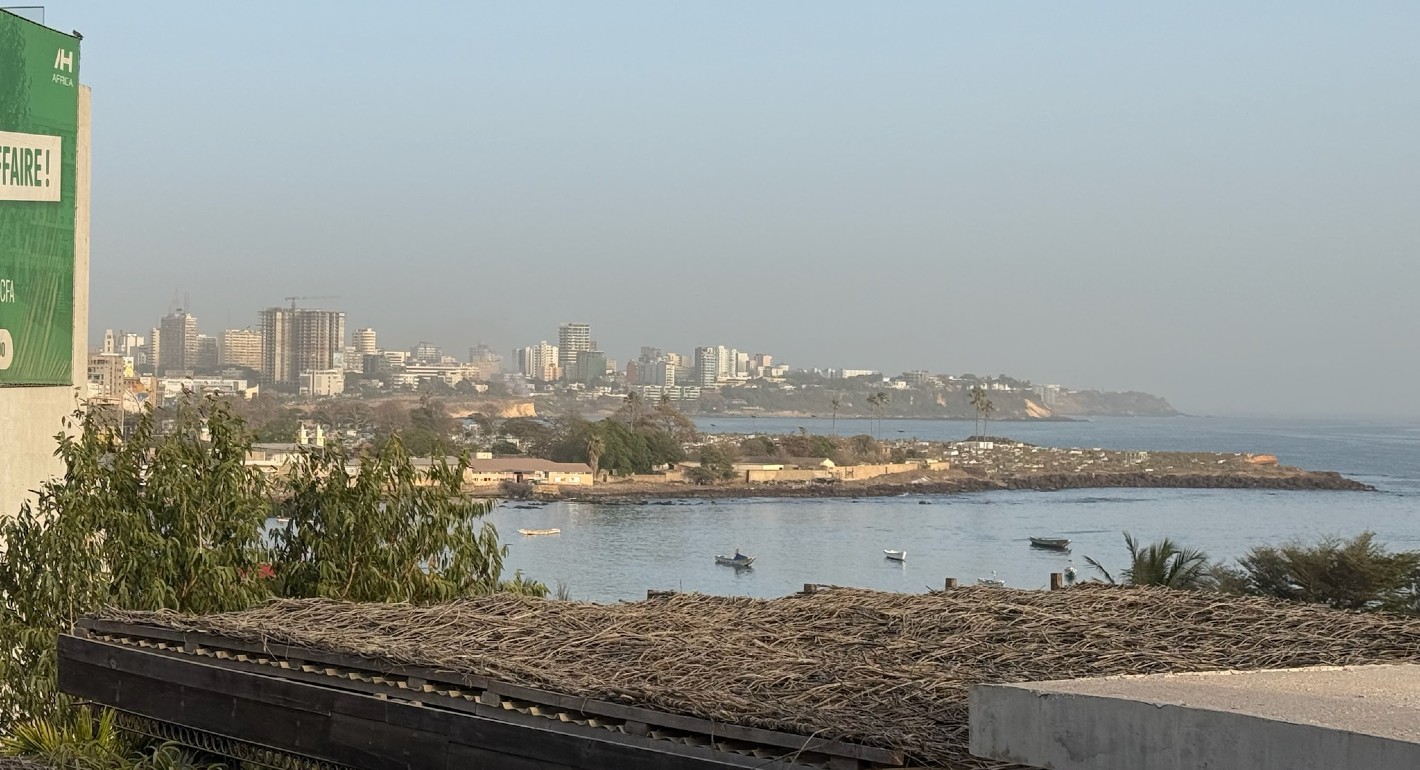
During our visit, we observed a democracy that has learned from its difficult past and is working toward an even more dynamic future.
Sarah Yerkes, Natalie Triche
When democracies and autocracies are seen as interchangeable targets, the language of democracy becomes hollow, and the incentives for democratic governance erode.
Sarah Yerkes, Amr Hamzawy
Governance realities in Bolivia, Colombia, Cuba, and Uruguay reveal the gaps in rights and opportunities available to citizens under differing forms of government.
Sarah Yerkes, Natalie Triche, Amr Hamzawy
An on-the-ground look at a government at a critical juncture.
Amr Hamzawy, Natalie Triche, Sarah Yerkes
The Carnegie Middle East Program has worked for decades to understand tides of reform in the Arab world. While the uprisings of the Arab Spring have overwhelmingly failed to change Arab politics in a sustained manner, the questions of how Arab states govern and how Arab populations experience governance remain. Through our ongoing research, we seek to understand governance as multi-faceted and fundamental to the domestic and foreign policy of Arab states.