

Commentary
From anime heroes to online gaming communities, Morocco’s Gen Z is building a new protest culture. What does this digital imagination reveal about youth politics, and how should institutions respond?
Abdelilah Farah
{
  "authors": [
    "Bilal Wahab"
  ],
  "type": "commentary",
  "blog": "Sada",
  "centerAffiliationAll": "",
  "centers": [
    "Carnegie Endowment for International Peace"
  ],
  "collections": [],
  "englishNewsletterAll": "",
  "nonEnglishNewsletterAll": "",
  "primaryCenter": "Carnegie Endowment for International Peace",
  "programAffiliation": "",
  "programs": [],
  "projects": [],
  "regions": [
    "Iraq",
    "Middle East"
  ],
  "topics": [
    "Political Reform"
  ]
}

REQUIRED IMAGE
Virtually autonomous since 1992, the Kurdistan Regional Government (KRG) in Iraq has followed an uneven path on the road to good governance. Six months have passed since the formation of the current united Kurdish cabinet. While Kurdistan has been increasingly stable and secure, its potential for accountability and clean government has yet to be fulfilled.
Virtually autonomous since 1992, the Kurdistan Regional Government (KRG) in Iraq has followed an uneven path on the road to good governance. Six months have passed since the formation of the current united Kurdish cabinet. While Kurdistan has been increasingly stable and secure, its potential for accountability and clean government has yet to be fulfilled. Corruption, low wages, incompetence, poor management skills, and lack of opportunity for young people are significant challenges facing the KRG.
After years of discord, conflict, and parallel governments, the Kurdistan Democratic Party (KDP) and the Patriotic Union of Kurdistan (PUK) formed a broad coalition and competed jointly in the two post-2003 elections for the Iraqi National Assembly as well as in the elections for the Kurdish National Assembly. Despite the 50-50 power sharing structure and the co-chairing of some key ministries, the new cabinet has performed better than many observers anticipated.
Yet governance in Kurdistan faces challenges due to the legacy of decades-long dictatorship, wars, sanctions and political party monopoly. When left to run the country in 1992, the Kurds had one model of governance to follow: that of the former regime. Hence government institutions became vehicles through which political parties maintained power. The government also remained the largest employer; the KRG spends 60 percent of its budget in salaries to heavily overstaffed public offices. Overstaffing wastes revenues and also gives public officials the opportunity to dispense patronage and abuse their position.
Until recently Kurdish administrations have had little incentive to better their performance. Government officials in earlier Kurdish cabinets were political appointees, and as such were accountable only to their parties. Having just emerged from almost a decade of monopolistic rule, the current cabinet has little experience with accountability and transparency. Moreover, the role of Kurdish political parties other than the PUK and the KDP has been diminishing. These smaller parties are financially or politically dependent on the government, and hence are either co-opted into alliances or silenced through pressure.
Increasing public discontent, however, may mean that the KRG will soon have to address its poor performance. Like the rest of Iraq, Kurdistan has been suffering a shortage of gas and electricity. Demonstrations and rebellions against corruption and lack of services broke out across the region in the spring and summer of 2006, with demonstrators accusing party officials of reaping the benefits of the reconstruction boom. Discouragement about job prospects has led to a new trend of emigration among young people and intellectuals.
Furthermore, an increasingly vibrant media and civil society demand more responsive governance. Although the bulk of the media are still party controlled, the audience for the few independent newspapers and one independent radio station is growing. Supported by local and international NGOs, these free outlets have acted as public mouthpieces and raised issues considered taboo before.
Iraqi Kurdistan's need for foreign investment is another important incentive to improve governance and curtail corruption. The region is expected to produce oil by the end of 2006. Recent remarks by Iraq's Oil Minister casting doubt on the legality of the contracts signed by the KRG enraged Kurdish authorities, who deemed such comments aimed at undermining the region's efforts to appeal to investors. Having already approved a new investment law, the Kurdish parliament is expected to also approve a draft oil law that recognizes the threat of corruption in the oil industry and seeks to curb it.
On the positive side of the ledger, Kurds—whether officials or not—have a sense of ownership of their region. Even the many Kurdish officials accused of becoming overnight tycoons invest their newfound wealth in the region rather than stashing it in Western banks. And the KRG seems willing to respond to increasing demands for transparency and good governance. Steps in the right direction by the current cabinet include choosing technocrats rather than politicians as ministers and hiring Westerners and returned expatriates as consultants in building institutions, collecting better data for all sectors, and teaching at universities.
Although the KDP-PUK deal dictates that the two parties run jointly in 2007 elections, the two groups should present separate platforms and compete amicably in order to encourage accountability. They should also tolerate other opposition groups. Kurdish politics after Saddam have become more open and outward looking, but there is still room for some serious house cleaning.
Bilal Wahab is a Fulbright fellow from Iraqi Kurdistan enrolled at American University in Washington, DC.
Bilal Wahab
Carnegie does not take institutional positions on public policy issues; the views represented herein are those of the author(s) and do not necessarily reflect the views of Carnegie, its staff, or its trustees.
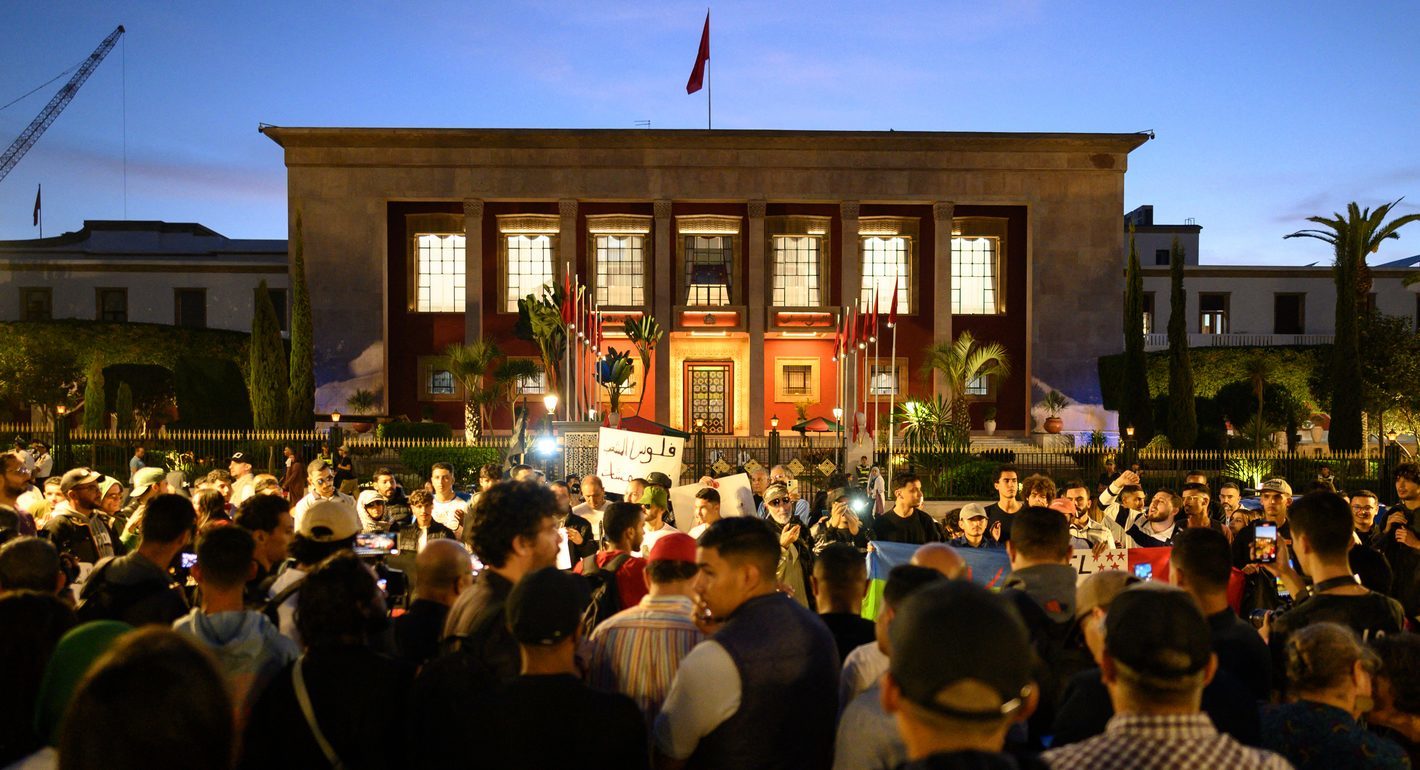
From anime heroes to online gaming communities, Morocco’s Gen Z is building a new protest culture. What does this digital imagination reveal about youth politics, and how should institutions respond?
Abdelilah Farah
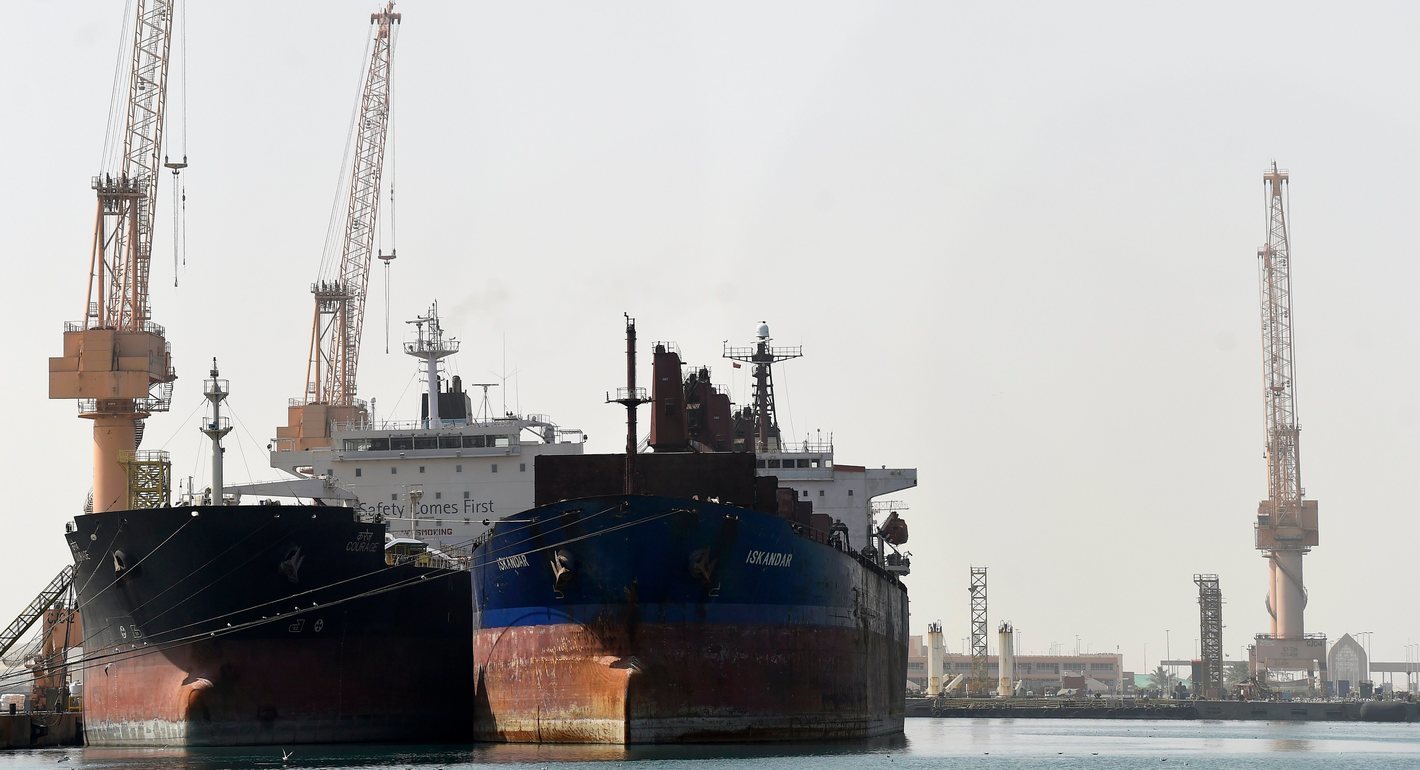
In a volatile Middle East, the Omani port of Duqm offers stability, neutrality, and opportunity. Could this hidden port become the ultimate safe harbor for global trade?
Giorgio Cafiero, Samuel Ramani
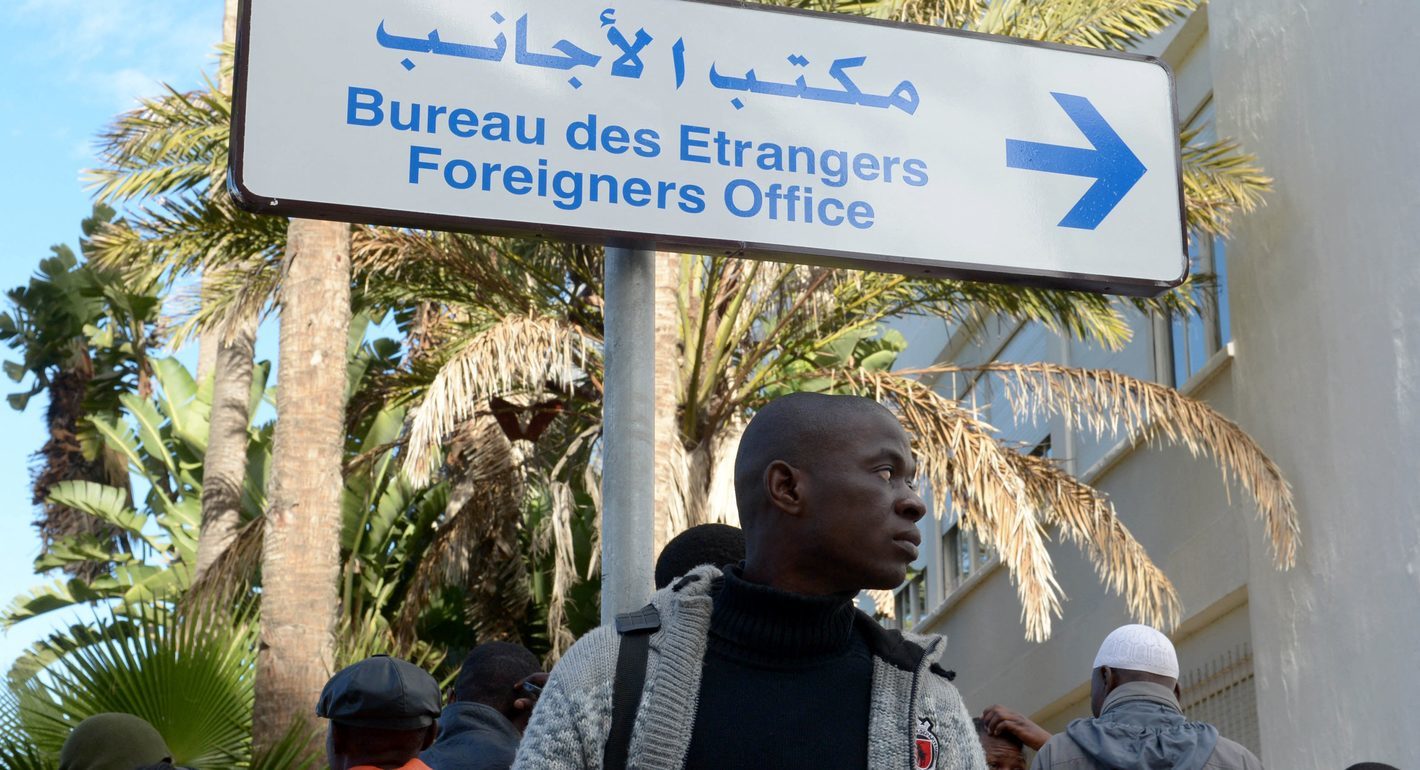
Is Morocco’s migration policy protecting Sub-Saharan African migrants or managing them for political and security ends? This article unpacks the gaps, the risks, and the paths toward real rights-based integration.
Soufiane Elgoumri
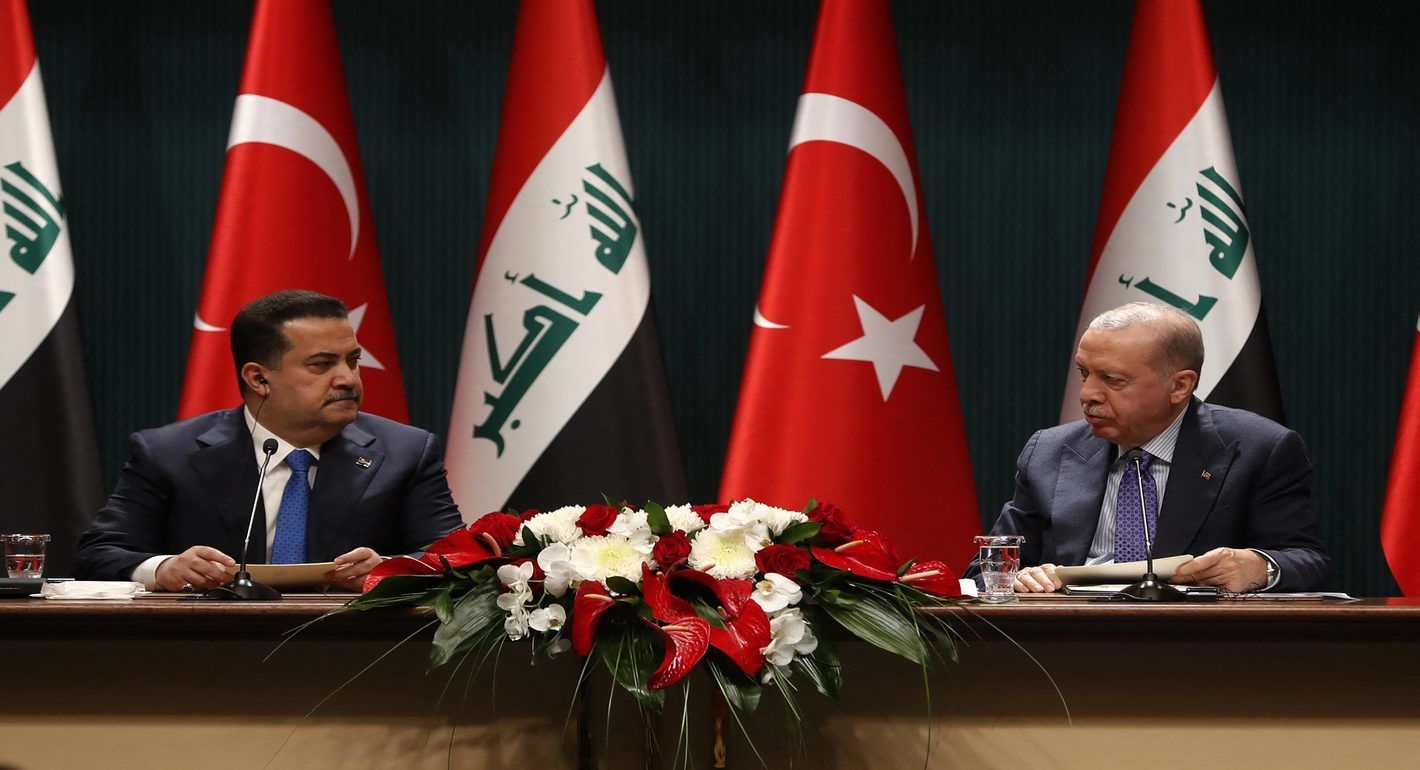
Iraq’s foreign policy is being shaped by its own internal battles—fractured elites, competing militias, and a state struggling to speak with one voice. The article asks: How do these divisions affect Iraq’s ability to balance between the U.S. and Iran? Can Baghdad use its “good neighbor” approach to reduce regional tensions? And what will it take for Iraq to turn regional investments into real stability at home? It explores potential solutions, including strengthening state institutions, curbing rogue militias, improving governance, and using regional partnerships to address core economic and security weaknesses so Iraq can finally build a unified and sustainable foreign policy.
Mike Fleet
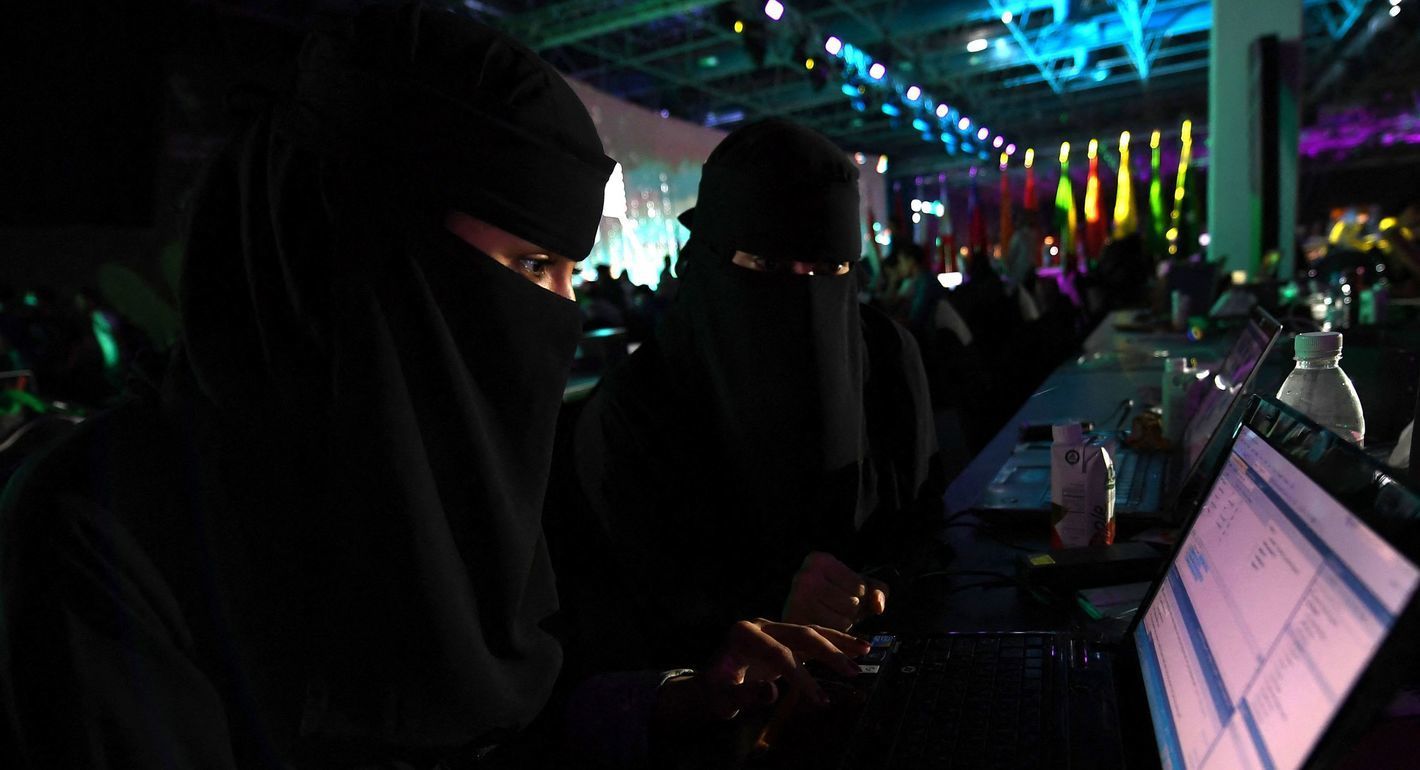
How can Saudi Arabia turn its booming e-commerce sector into a real engine of economic empowerment for women amid persistent gaps in capital access, digital training, and workplace inclusion? This piece explores the policy fixes, from data-center integration to gender-responsive regulation, that could unlock women’s full potential in the kingdom’s digital economy.
Hannan Hussain