
• Research
  • Emissary
  • About
  • Experts
Carnegie Global logoCarnegie lettermark logo
DemocracyIran
  • Donate
{
  "authors": [
    "Intissar Fakir"
  ],
  "type": "commentary",
  "blog": "Sada",
  "centerAffiliationAll": "",
  "centers": [
    "Carnegie Endowment for International Peace"
  ],
  "collections": [],
  "englishNewsletterAll": "",
  "nonEnglishNewsletterAll": "",
  "primaryCenter": "Carnegie Endowment for International Peace",
  "programAffiliation": "",
  "programs": [],
  "projects": [],
  "regions": [
    "North Africa"
  ],
  "topics": []
}

Attribution logo

Source: Getty

Commentary
Sada

Western Sahara and Regional Security

While Morocco and Algeria continue their perennial rivalry, deteriorating security conditions in the Sahel and the presence of al-Qaeda might make the international community rethink its patience with the long-running Western Sahara dispute and press the two nations to increase cooperation.

Link Copied
By Intissar Fakir
Published on Apr 2, 2009
Sada

Blog

Sada

Sada is an online journal rooted in Carnegie’s Middle East Program that seeks to foster and enrich debate about key political, economic, and social issues in the Arab world and provides a venue for new and established voices to deliver reflective analysis on these issues.

Learn More

Once only a minor concern, al-Qaeda’s presence in North Africa has grown into a threat with potential consequences for Europe and the United States. The 2006 alliance between al-Qaeda and the Algerian Salafist Group for Preaching and Combat led to the creation of al-Qaeda in the Islamic Maghreb, which continues to expand its presence in the poorly controlled border areas of Maghreb and Sahel countries. In 2005, the United States began a largely military initiative, the Trans-Sahara Counterterrorism Partnership, and called on Algeria, Morocco, and  several Sahel countries to combat terrorist networks in their midst. But the effort has borne little fruit. Algeria and Morocco could confront al-Qaeda by mounting coordinated offensives, but relentless antipathy over the ongoing Western Sahara conflict has dogged their efforts.? 

What began as a messy postcolonial land squabble after the Spanish withdrawal and the subsequent Moroccan annexation of the Western Sahara in 1975 has turned into a festering thirty year conflict over the contested territory. Today, the area is still claimed by both Morocco and the Polisario Front, a rebel movement exiled in and supported by Algeria, and it has become a liability for both countries.
 
Al-Qaeda in the Islamic Maghreb thrives in the lawlessness of the isolated desert regions of southern Algeria, Morocco, Mauritania, northern Mali, and the Western Sahara. The loose alliance appeals to disaffected youth and sustains itself by smuggling drugs and other goods and by kidnapping people for ransom. The 2003 Casablanca bombings, 2004 Madrid train bombings, attempted 2007 bombing of the U.S embassy in Morocco, and attacks later that year targeting the Algerian president and prime minister have all shown that the stakes are high and rising for Morocco and Algeria alike.
 
The international community is beginning to recognize the importance of North African security. On March 19, Spanish Foreign Minister Miguel Moratinos urged greater international involvement in resolving the Western Sahara dispute, calling on France and the United States in particular to help mediate. In January 2009, the UN Secretary General appointed U.S. diplomat Christopher Ross as his new special envoy for the Western Sahara, a job formerly held by Dutch diplomat Peter Van Walsum and former U.S. Secretary of State James Baker, both of whom ran into familiar patterns of intransigence. Ross inherits an unenviable portfolio; Morocco remains as unlikely as ever to agree to a referendum that offers independence for the territory, and the Polisario and Algeria will settle for nothing less.
 
To date, UN proposals have all been unsatisfactory to at least one of the three parties. The proposed UN referendum on independence signed in 1991 died when the Polisario and Morocco disagreed over who in the Western Sahara should have the right to vote. In 2001, Morocco signed on to the first version of the Baker plan, under which the Western Sahara would become an autonomous region of Morocco, but Polisario and Algeria predictably rejected the plan. In 2003, Baker revised the plan to include autonomy and a referendum of the entire Western Saharan population, including the Polisario aligned refugees in camps in Algeria. Algeria and Polisario signed on, as did the UN Security Council, but without Morocco’s cooperation the deal fell through. Today, Morocco offers “greater autonomy” for Western Sahara, but without any concrete details.
 
A fifth round of UN-sponsored negotiations is expected, but promises little immediate progress.? In a recent interview with an Algerian newspaper, Polisario leaders threatened to return to armed resistance if Morocco tried to obstruct UN efforts. Yielding to Algerian and Polisario demands would be extremely unpopular among Moroccan nationalists. Similarly, Algerian moderates find themselves in a game they cannot win; giving in to Moroccan demands would make them appear complicit in a colonial enterprise, not to mention losers in a regional power play. UN Envoy Ross’ prospects seem poor unless he can bring Algeria to the negotiating table by making the Western Sahara part of a broader deal that would include reopening the borders between Morocco and Algeria, and even economic cooperation.
 
Although a solution for Western Sahara seems as far away as ever at present, the international community’s need to control the rapidly degenerating situation in the Sahel and resulting terrorist threats might eventually change the dynamics. With their internal sovereignty already in question, Algeria’s leaders should be mindful that it is not in their interest to have another failing state on their border. And Morocco should realize that the Polisario challenge to traditional notions of territorial integrity might no longer be the greatest threat facing the monarchy.??
 
Intissar Fakir is assistant editor of the Arab Reform Bulletin and was previously program coordinator for the Middle East and North Africa program at the Center for International Private Enterprise.

About the Author

Intissar Fakir

Former Fellow, Middle East Program, Editor in Chief, Sada

Intissar Fakir was a fellow and editor in chief of Sada in Carnegie’s Middle East Program.

    Recent Work

  • Commentary
    A Conflict That Time Forgot

      Intissar Fakir

  • Commentary
    Interview with Moroccan Human Rights Activist Maâti Monjib

      Maâti Monjib, Intissar Fakir

Intissar Fakir
Former Fellow, Middle East Program, Editor in Chief, Sada
Intissar Fakir
North Africa

Carnegie does not take institutional positions on public policy issues; the views represented herein are those of the author(s) and do not necessarily reflect the views of Carnegie, its staff, or its trustees.
More Work from Sada

  • Commentary
    Sada
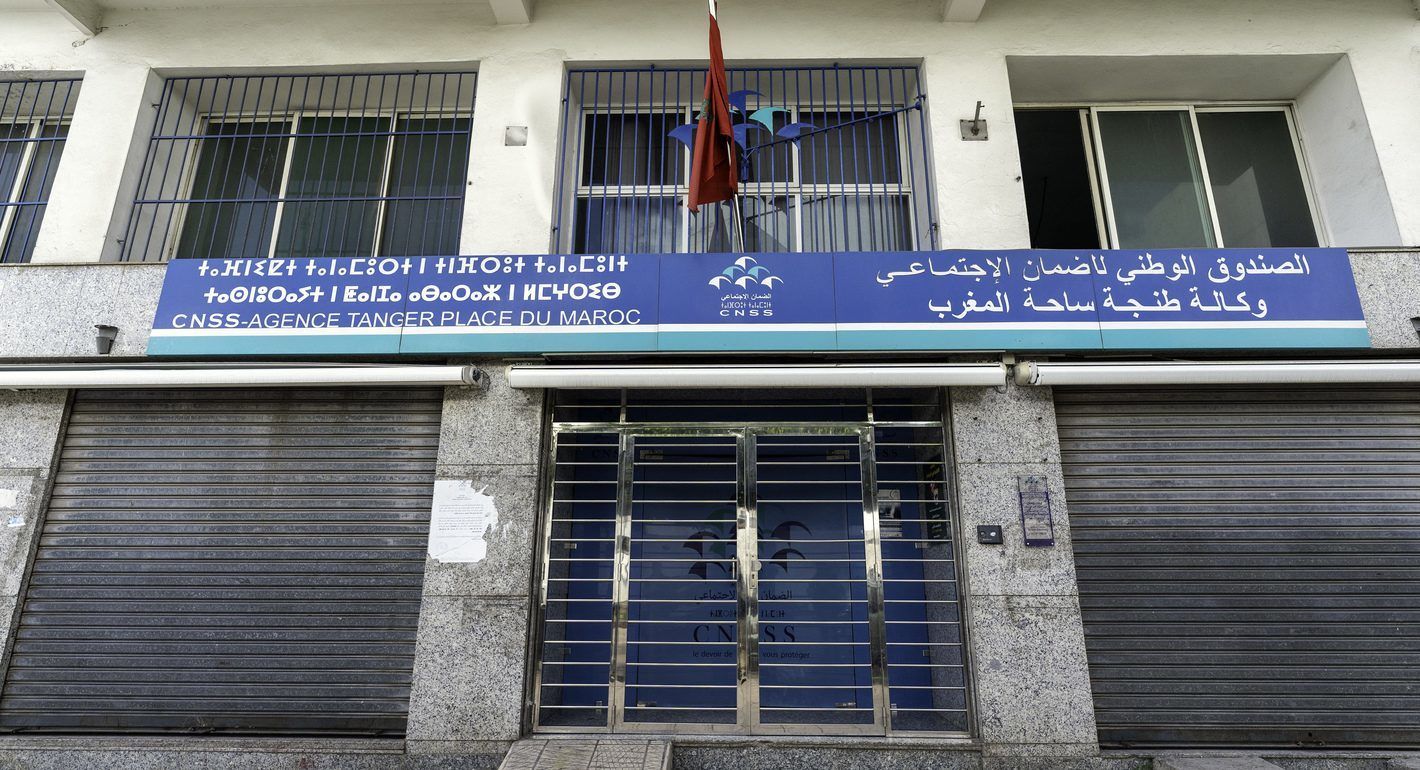
    The Political Economy of Social Data: Opportunities and Risks of Digitizing Morocco’s Social Targeting System

    While Morocco’s shift to a digitized social targeting system improves efficiency and coordination in social programs, it also poses risks of exclusion and reinforces austerity policies. The new system uses algorithms based on socioeconomic data to determine eligibility for benefits like cash transfers and health insurance. However, due to technical flaws, digital inequality, and rigid criteria, many vulnerable families are unfairly excluded.

      Abderrafie Zaanoun
  • Commentary
    Sada
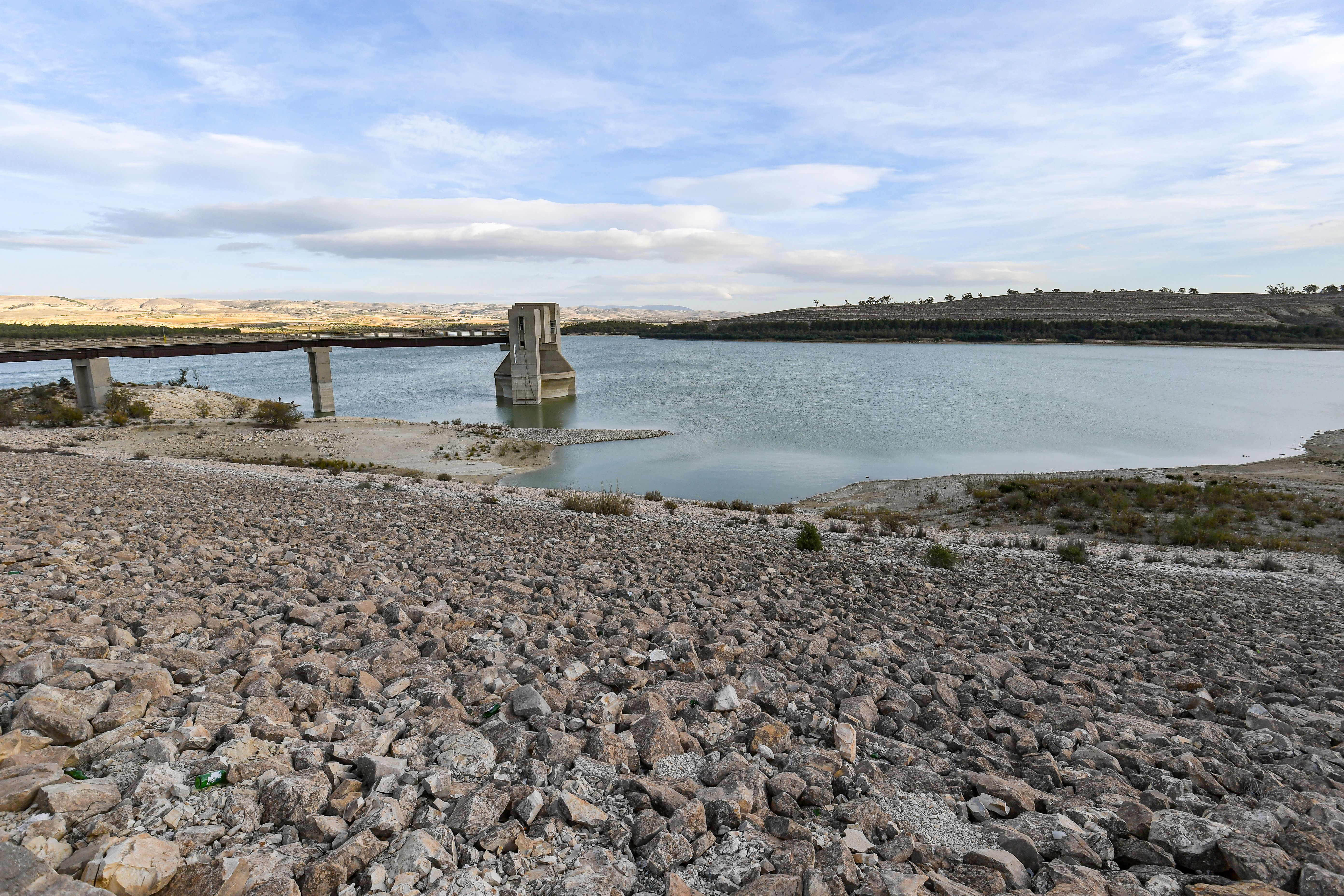
    Securing Tunisia's Constitutional Right to Water: Policy Solutions

    Tunisia is facing a worsening water crisis characterized by widespread protests over access to potable water, particularly in rural areas with underdeveloped supply networks. This situation is exacerbated by climate change, outdated agricultural policies, and industrial water consumption, necessitating comprehensive policy reforms to secure Tunisians’ constitutional right to water and ensure equitable access across the country.

      Noura Omar
  • Commentary
    Sada
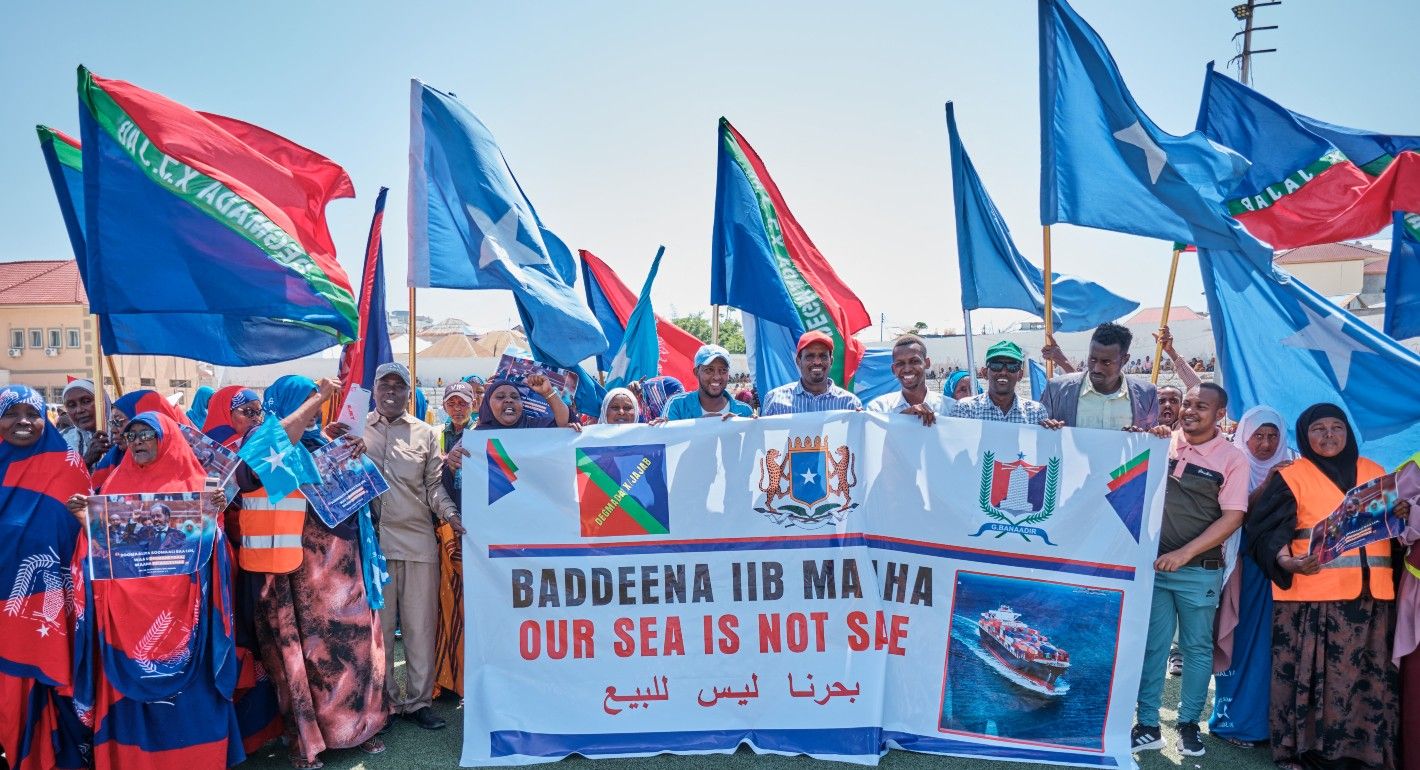
    Somalia’s Strategic Counterbalance to Ethiopian Influence in the Horn of Africa

    As hegemonic Ethiopian ambitions threaten stability in the Horn of Africa, Somalia is building strategic alliances regionally and internationally to counter Ethiopia’s growing political and military influence.

      Hisham Qadri Ahmed
  • Commentary
    Sada
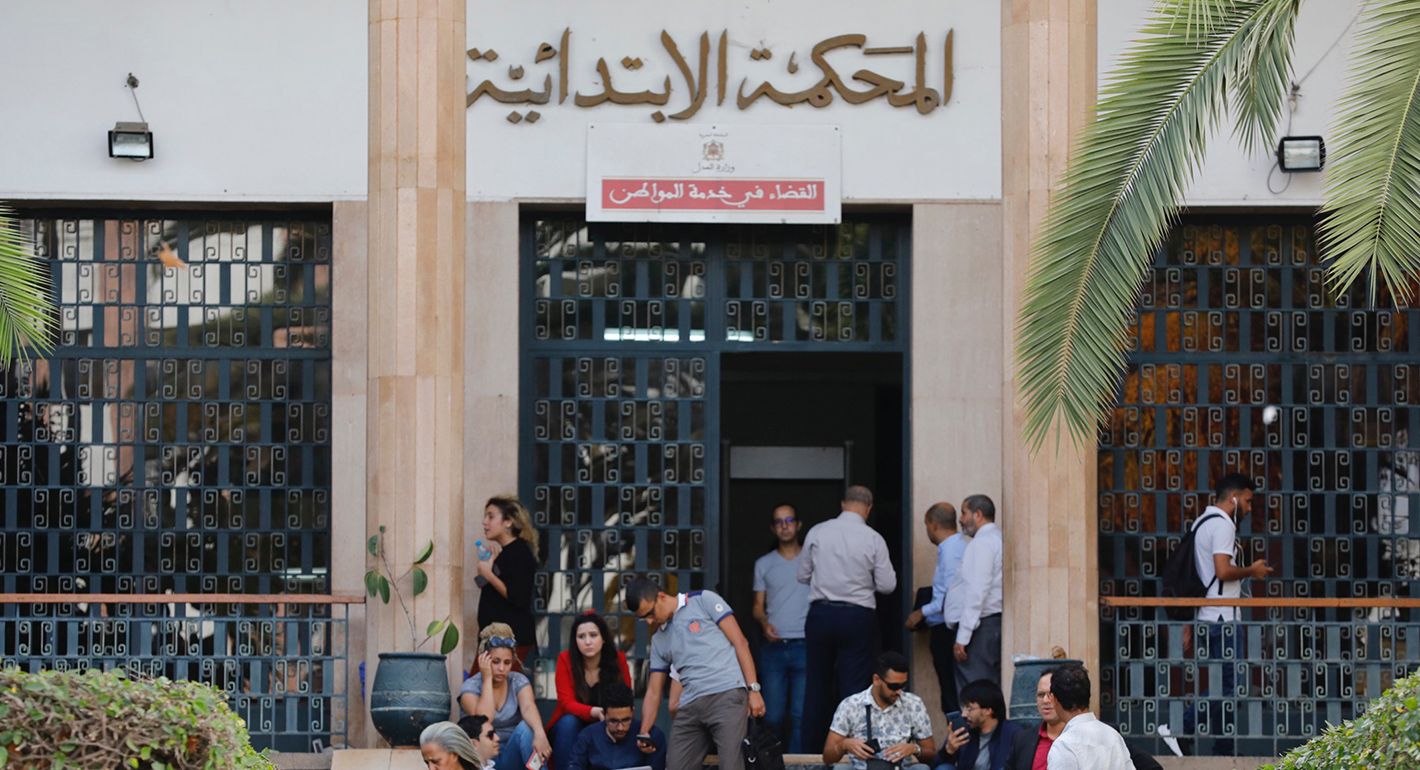
    Morocco’s New Restrictions on Civil Society: A Setback for Anti-Corruption Efforts

    The Moroccan government’s decision to bar civil society from filing public actions in cases of public fund and property offenses has stirred debate, with critics warning it sidelines crucial players in the fight against corruption.

      Hasan Al-Ashraf
  • Commentary
    Sada
    Morocco’s Atlantic Initiative and Potential Challenges to Regional Leadership

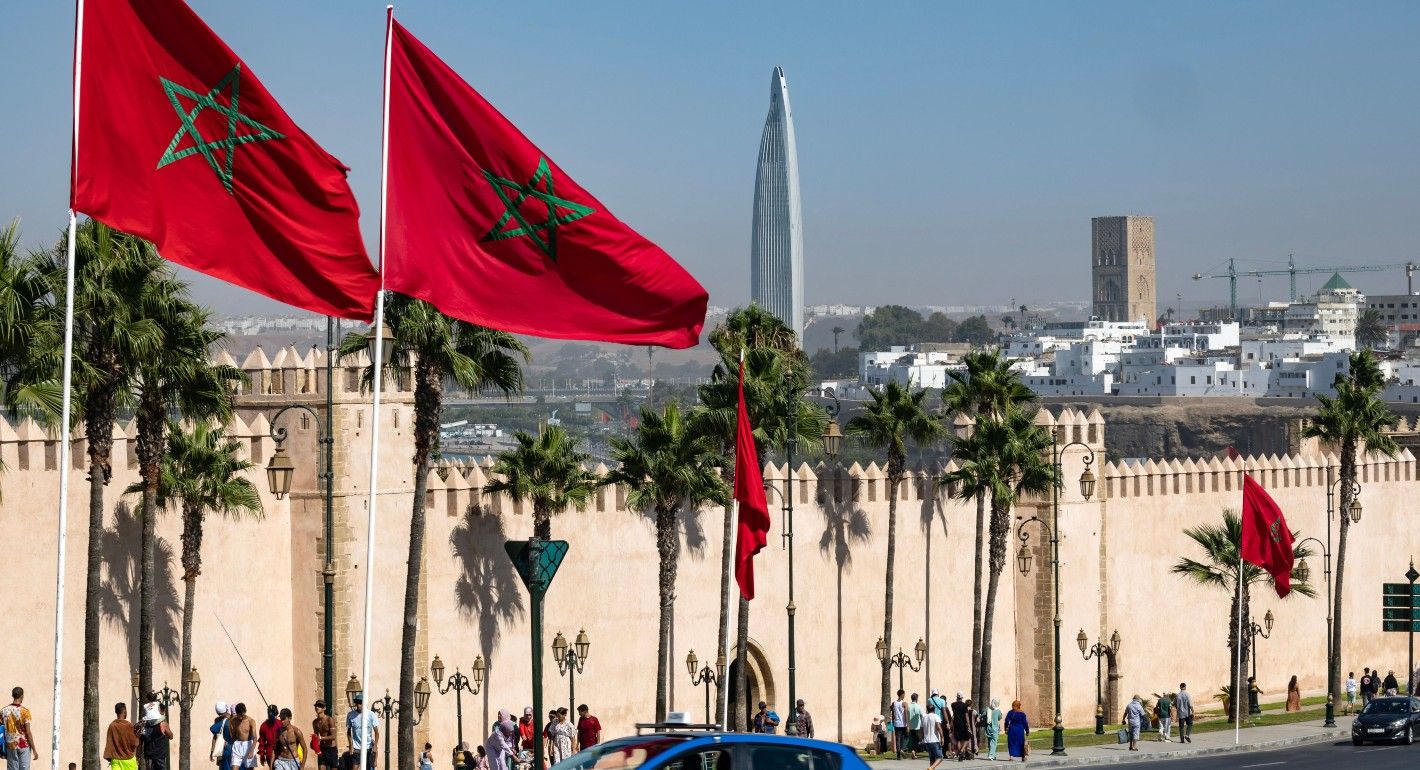
    Morocco's Atlantic Initiative seeks to transform the geostrategic landscape of the Sahel and Sub-Saharan regions amid a wave of coups fueled by economic and social decline.

      Abderrafie Zaanoun

Get more news and analysis from
Carnegie Endowment for International Peace
Carnegie global logo, stacked
1779 Massachusetts Avenue NWWashington, DC, 20036-2103Phone: 202 483 7600Fax: 202 483 1840
  • Research
  • Emissary
  • About
  • Experts
  • Donate
  • Programs
  • Events
  • Blogs
  • Podcasts
  • Contact
  • Annual Reports
  • Careers
  • Privacy
  • For Media
  • Government Resources
Get more news and analysis from
Carnegie Endowment for International Peace
© 2026 Carnegie Endowment for International Peace. All rights reserved.