

Q&A
Christopher Boucek
{
  "authors": [
    "Christopher Boucek"
  ],
  "type": "commentary",
  "blog": "Sada",
  "centerAffiliationAll": "",
  "centers": [
    "Carnegie Endowment for International Peace"
  ],
  "collections": [],
  "englishNewsletterAll": "",
  "nonEnglishNewsletterAll": "",
  "primaryCenter": "Carnegie Endowment for International Peace",
  "programAffiliation": "",
  "programs": [],
  "projects": [],
  "regions": [
    "North Africa",
    "Mauritania"
  ],
  "topics": []
}

Source: Getty
Most Mauritanian opposition leaders will boycott the June 6 presidential election, in which coup leader Muhammed Ould Abdel Aziz is ensured victory.
Mauritania will hold a presidential election on June 6, ten months after the overthrow of the country’s first democratically elected government. None of the country’s major opposition figures or parties will participate. The field is open for General Muhammad Ould Abdel Aziz, leader of the August 2008 coup, to defeat the three other minor candidates.
General Abdel Aziz and other senior military officers deposed President Sidi Ould Sheikh Abdullahi in a bloodless coup on August 6, 2008. Abdullahi had a falling out with the country’s senior military leaders, culminating in their dismissal by presidential decree—the development that many believe directly sparked the coup, although there were other contributing factors. Soldiers loyal to the coup leaders—including the elite Presidential Security Battalion led by General Abdel Aziz—arrested Abdullahi, Prime Minister Yahya Ould Ahmed al-Waghef, and Interior Minister Muhammad Ould R’zeizm. State media announced that a new High State Council composed entirely of military officers would govern the country. A majority of the new junta were also members of the Military Council for Justice and Democracy that assumed power after Mauritania’s last coup in 2005 (including Abdel Aziz who also played a key role in that coup). The junta announced that governing authority was transferred to Abdel Aziz as president of the High State Council.
After the coup, Abdel Aziz stated that elections would be held quickly. Initially there were hints that he would not run for president, but only govern in the interim until a new election could be held. Beginning in late December 2008, talks were held in order to set the terms for the upcoming presidential election, including setting a date and assessing the role of military personnel in the campaign. Deposed president Abdullahi did not participate in the talks, nor did the largest anti-coup coalition (the National Front for the Defense of Democracy, FNDD), but representatives from more than 65 countries attended as observers despite many governments’ condemnation of the coup.
The participation of military officers in politics continues to be controversial. Ahmed Ould Daddah, leader of the opposition Rally of Democratic Forces (RFD) party, had proposed that no one serving in the military or security services at the time of coup be allowed to stand for election. Other figures have echoed this call. In mid-April, state media announced that General Abdel Aziz would step down from the military-led High State Council in order to participate as a “civilian” candidate in the upcoming presidential elections. In accordance with Mauritania’s constitution, Senate President Ba Mamadou Mbare was elevated to acting president. His brief tenure is noteworthy as he is the first Afro-Mauritanian to hold the office of president; Afro-Mauritanians have historically faced significant discrimination. It is unclear, however, whether Abdel Aziz ever truly resigned from the military junta and officially served his connections to the military.
Abdel Aziz faces no credible challenger. In addition to junta leader Abdel Aziz, the three official candidates (compared to 20 in the 2007 election) are independent Kane Hamidou Baba, Moctar Ibrahim Sarr of the Alliance for Justice and Democracy (an Afro-Mauritanian who earned just under a tenth of the 2007 vote), and former Prime Minister Sghaier Ould M’Bareck. None of the other presidential candidates have spoken out against the August 2008 coup, and candidate Ibrahim Sarr’s party officially supported the coup.
Deposed president Abdullahi and 2007 presidential runner-up Ahmed Ould Daddah have reportedly urged their supporters to boycott the elections. Others who had been mentioned as possible candidates—Isselmou Ould Moustapha of the small Party for Democratic Convergence (who received approximately a quarter of one percent of the votes in 2007) and newcomer Sidi Muhammad Ould el-Gauth—apparently will not run.
Internationally, Mauritania remains under sanction from the African Union and the European Union, which cut off aid for two years starting February 2009. Citing concerns, neither the U.S. National Democratic Institute nor the EU will send election observers to Mauritania.
The election of Abdel Aziz currently appears a foregone conclusion. Rather than marking a return to civilian rule, the June election will instead serve to continue the current state of affairs. While Western governments are keeping their distance from the election, it appears that ultimately few will place governance issues ahead of transnational security concerns. Following the election, Western interests in Mauritania will revert to combating violent extremism, primarily through improving state capacity and boosting regional cooperation in the fight against terrorism and international crime.
Christopher Boucek is an associate in the Carnegie Middle East Program, where his research focuses on regional security challenges.

Former Associate, Middle East Program
Boucek was an associate in the Carnegie Middle East Program where his research focused on security challenges in the Arabian Peninsula and Northern Africa.
Recent Work
Christopher Boucek

Christopher Boucek, Karim Sadjadpour
Carnegie does not take institutional positions on public policy issues; the views represented herein are those of the author(s) and do not necessarily reflect the views of Carnegie, its staff, or its trustees.
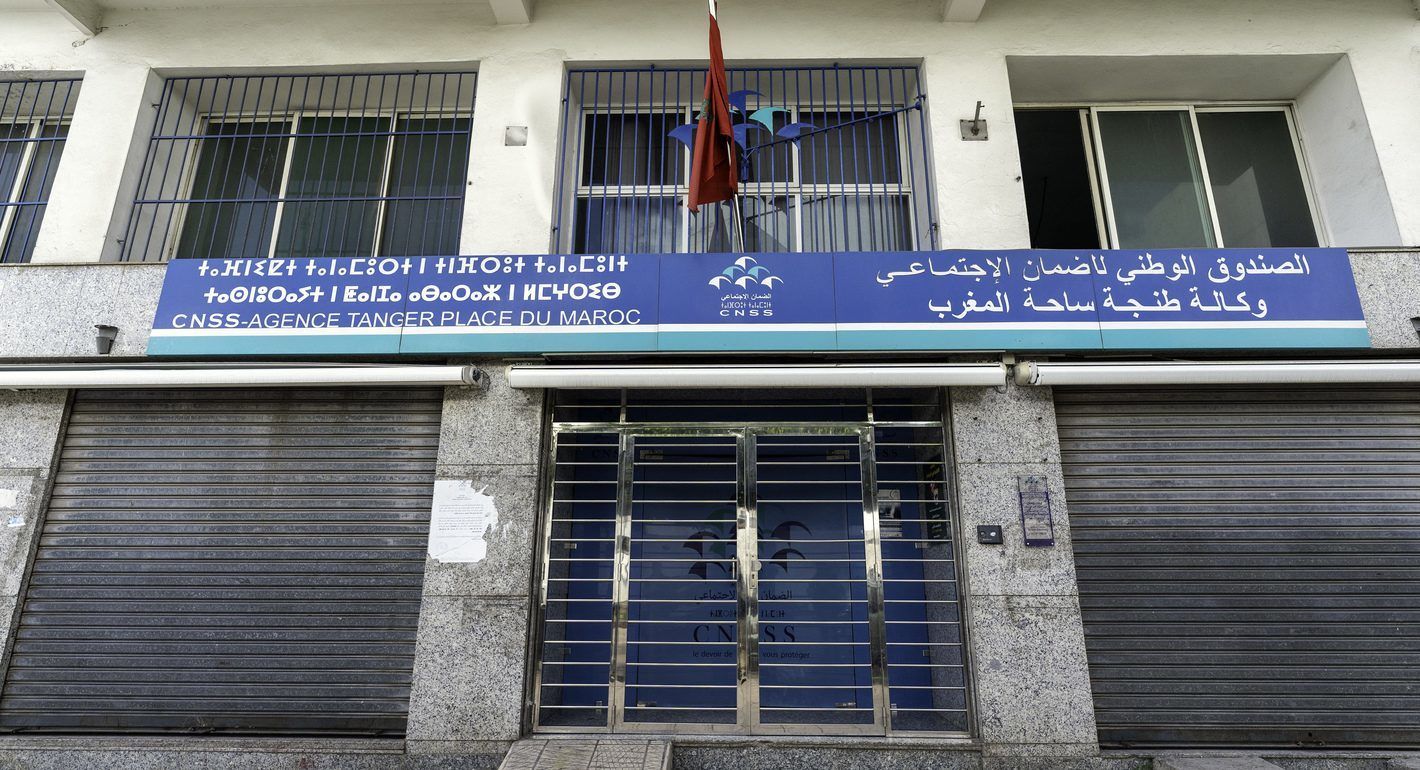
While Morocco’s shift to a digitized social targeting system improves efficiency and coordination in social programs, it also poses risks of exclusion and reinforces austerity policies. The new system uses algorithms based on socioeconomic data to determine eligibility for benefits like cash transfers and health insurance. However, due to technical flaws, digital inequality, and rigid criteria, many vulnerable families are unfairly excluded.
Abderrafie Zaanoun
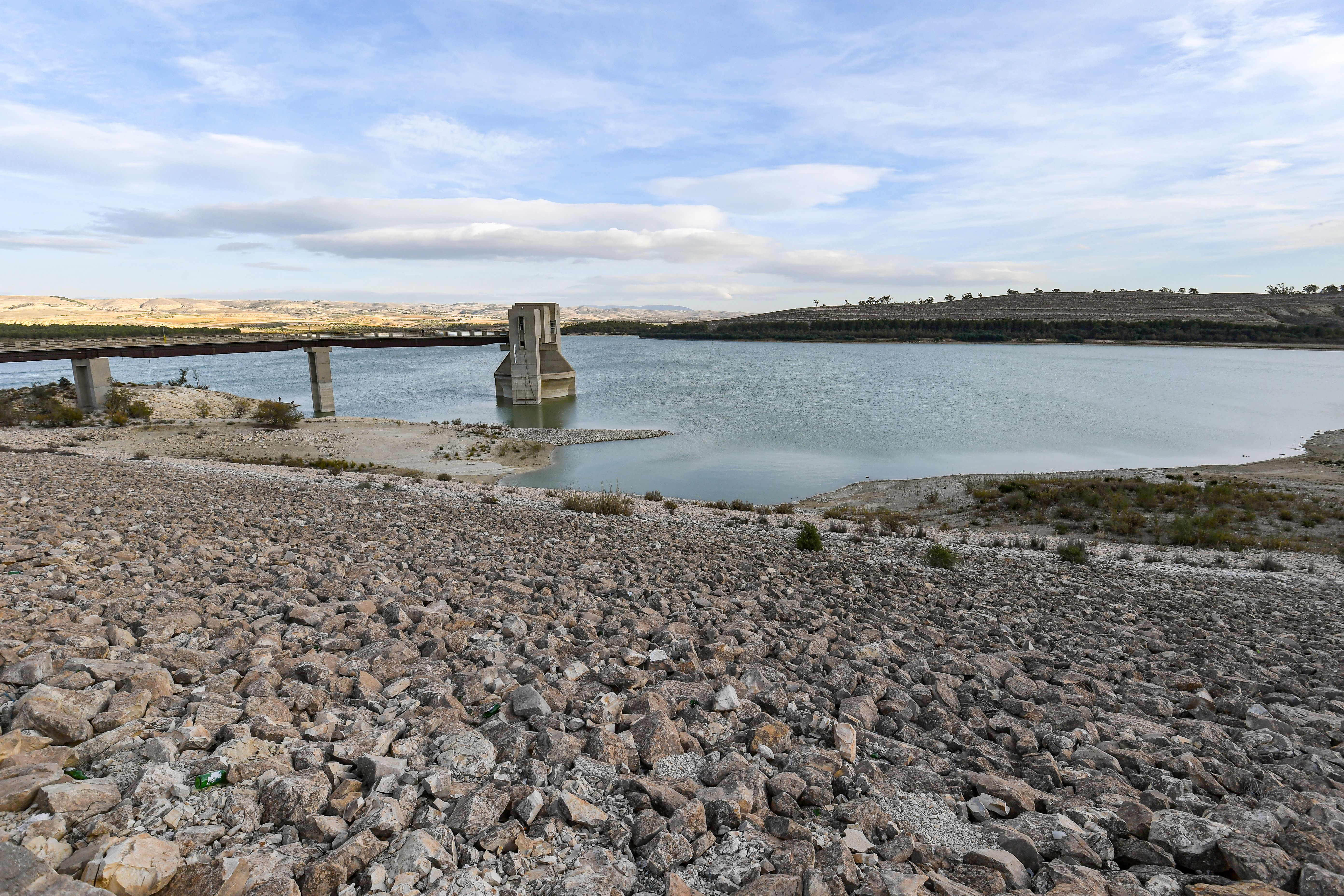
Tunisia is facing a worsening water crisis characterized by widespread protests over access to potable water, particularly in rural areas with underdeveloped supply networks. This situation is exacerbated by climate change, outdated agricultural policies, and industrial water consumption, necessitating comprehensive policy reforms to secure Tunisians’ constitutional right to water and ensure equitable access across the country.
Noura Omar
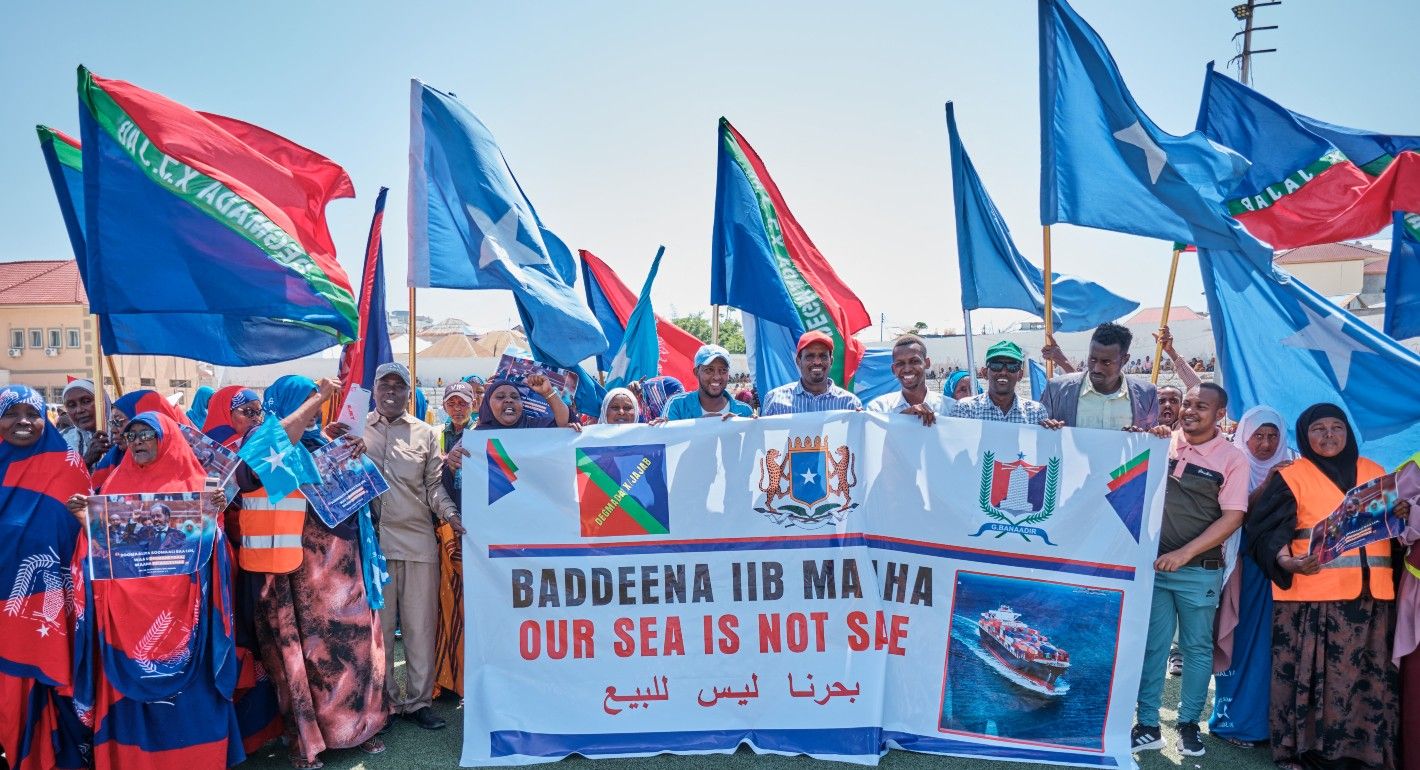
As hegemonic Ethiopian ambitions threaten stability in the Horn of Africa, Somalia is building strategic alliances regionally and internationally to counter Ethiopia’s growing political and military influence.
Hisham Qadri Ahmed
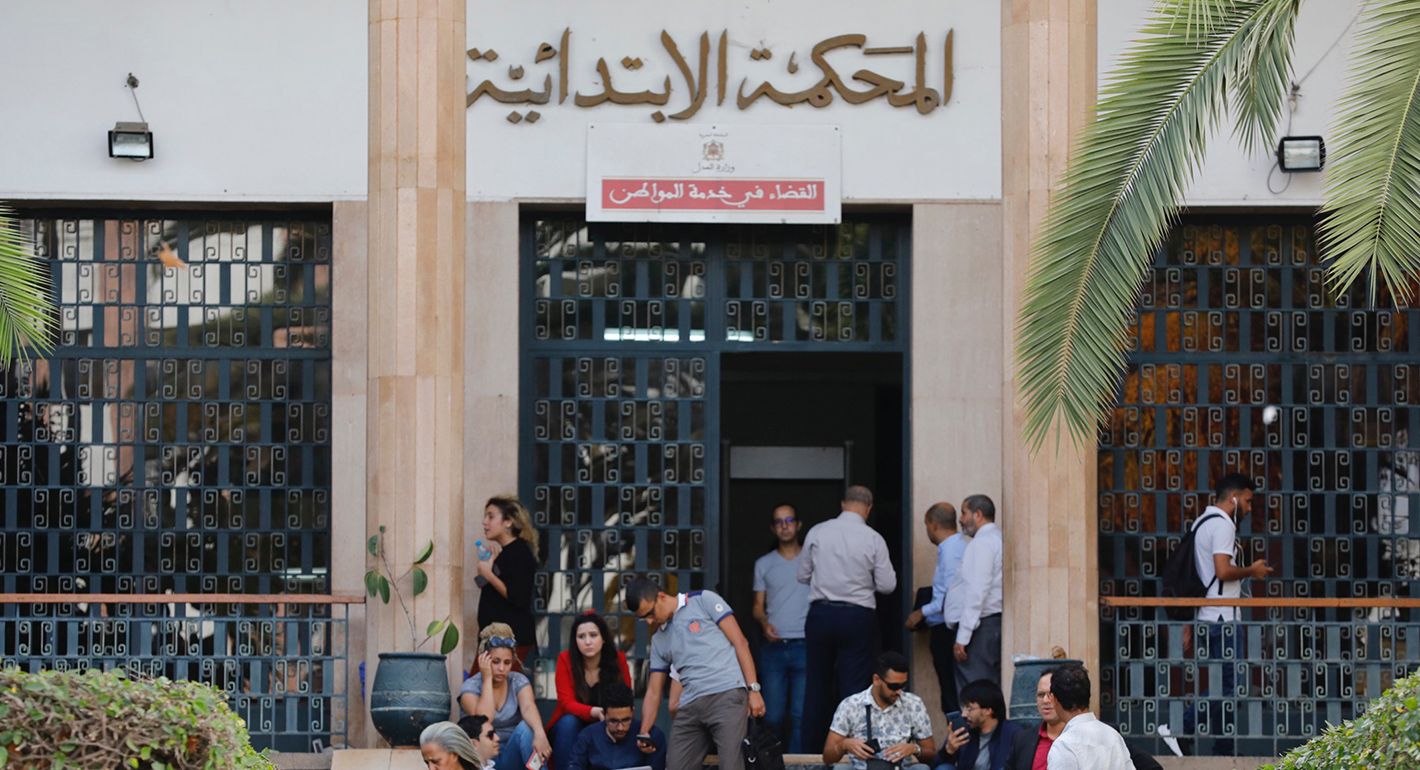
The Moroccan government’s decision to bar civil society from filing public actions in cases of public fund and property offenses has stirred debate, with critics warning it sidelines crucial players in the fight against corruption.
Hasan Al-Ashraf
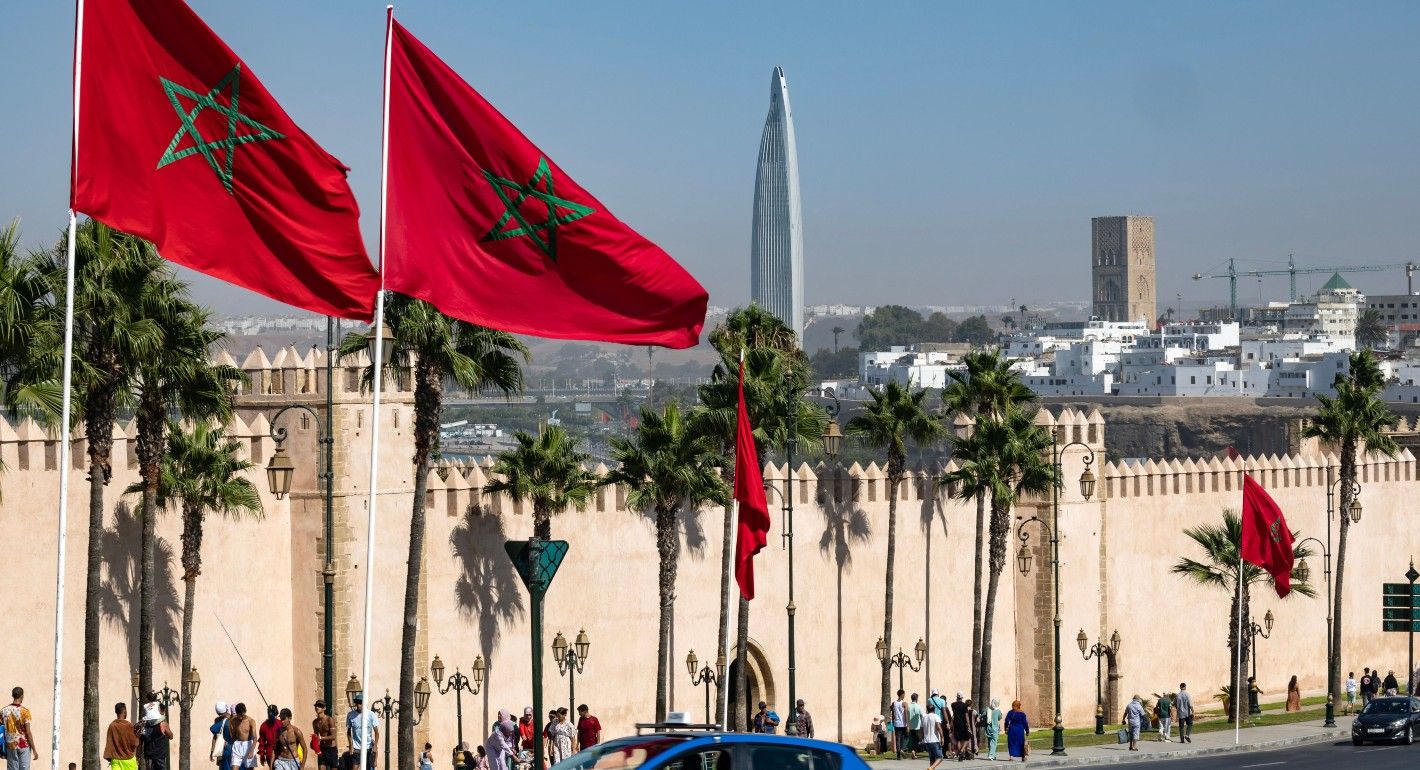
Morocco's Atlantic Initiative seeks to transform the geostrategic landscape of the Sahel and Sub-Saharan regions amid a wave of coups fueled by economic and social decline.
Abderrafie Zaanoun