

Article
The return of war as the organizing factor in Middle Eastern politics has predictable consequences: governments are prioritizing regime stability and becoming averse to political and social reform.
Sarah Yerkes, Amr Hamzawy
{
  "authors": [
    "Marina Ottaway",
    "Stefan Mair"
  ],
  "type": "other",
  "centerAffiliationAll": "dc",
  "centers": [
    "Carnegie Endowment for International Peace"
  ],
  "collections": [],
  "englishNewsletterAll": "democracy",
  "nonEnglishNewsletterAll": "",
  "primaryCenter": "Carnegie Endowment for International Peace",
  "programAffiliation": "DCG",
  "programs": [
    "Democracy, Conflict, and Governance"
  ],
  "projects": [],
  "regions": [],
  "topics": [
    "Political Reform",
    "Democracy"
  ]
}
REQUIRED IMAGE
Failing and failed states are a threat to their citizens and to the international community, creating a need for international intervention. In addressing failing states, the international community should concentrate first and foremost on restoring state security.
Failing and failed states are a threat to their citizens and to the international community, creating a need for international intervention. The oft-advocated model of early intervention to restore human security in states at risk cannot be implemented except in rare cases, because it requires large resources. In addressing failing states, the international community should concentrate first and foremost on the narrower and more achievable task of restoring state security. But it should also accept that in some cases the restructuring of the state may be the only way of
restoring human security.
About the Authors
Marina Ottaway is a Senior Associate in the Democracy and Rule of Law Project at the Carnegie Endowment for International Peace. She works on problems of democratization and post-conflict transitions.
Stefan Mair is deputy director of SWP German Institute for International and Security Affairs. He works on sub-Saharan Africa non-state actors in international affairs and on state failure.

Former Senior Associate, Middle East Program
Before joining the Endowment, Ottaway carried out research in Africa and in the Middle East for many years and taught at the University of Addis Ababa, the University of Zambia, the American University in Cairo, and the University of the Witwatersrand in South Africa.
Stefan Mair
Carnegie does not take institutional positions on public policy issues; the views represented herein are those of the author(s) and do not necessarily reflect the views of Carnegie, its staff, or its trustees.
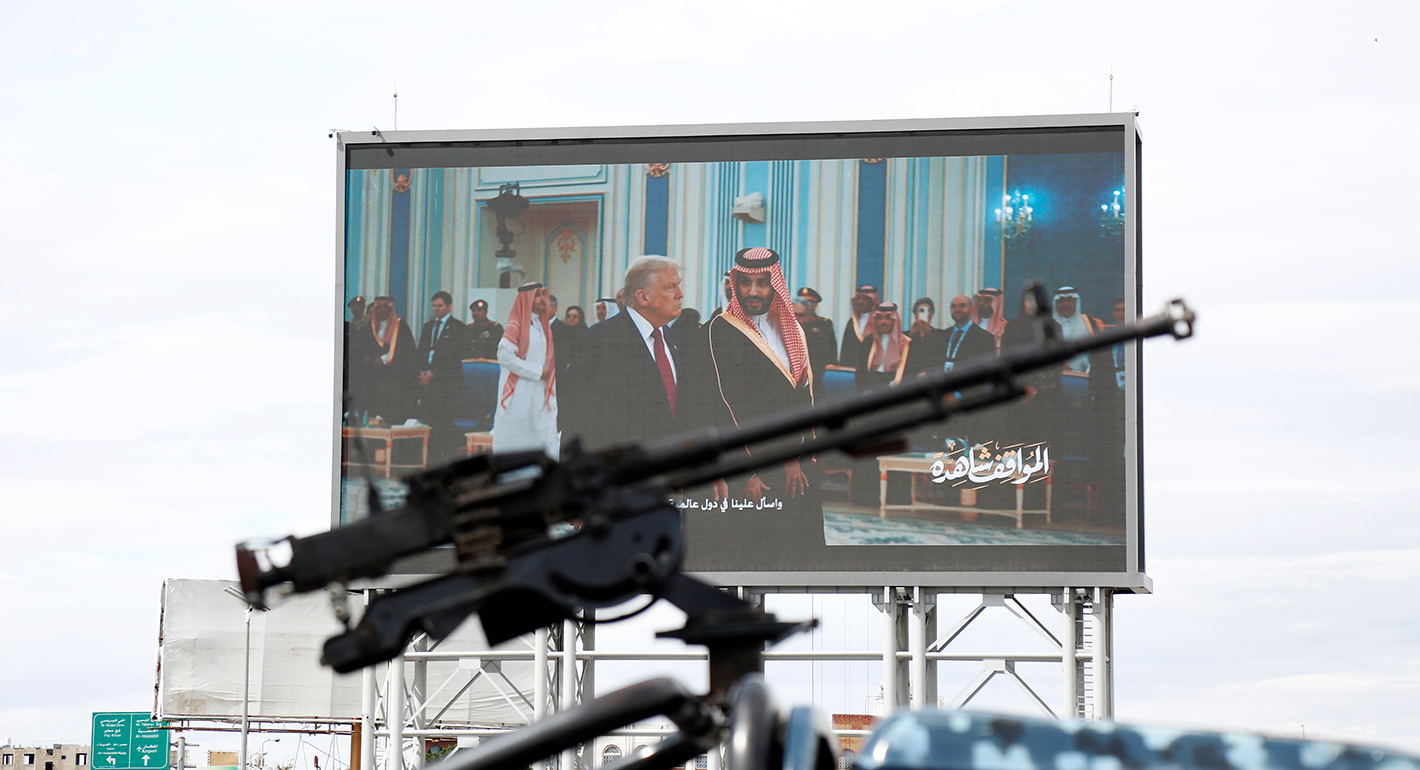
The return of war as the organizing factor in Middle Eastern politics has predictable consequences: governments are prioritizing regime stability and becoming averse to political and social reform.

Sarah Yerkes, Amr Hamzawy
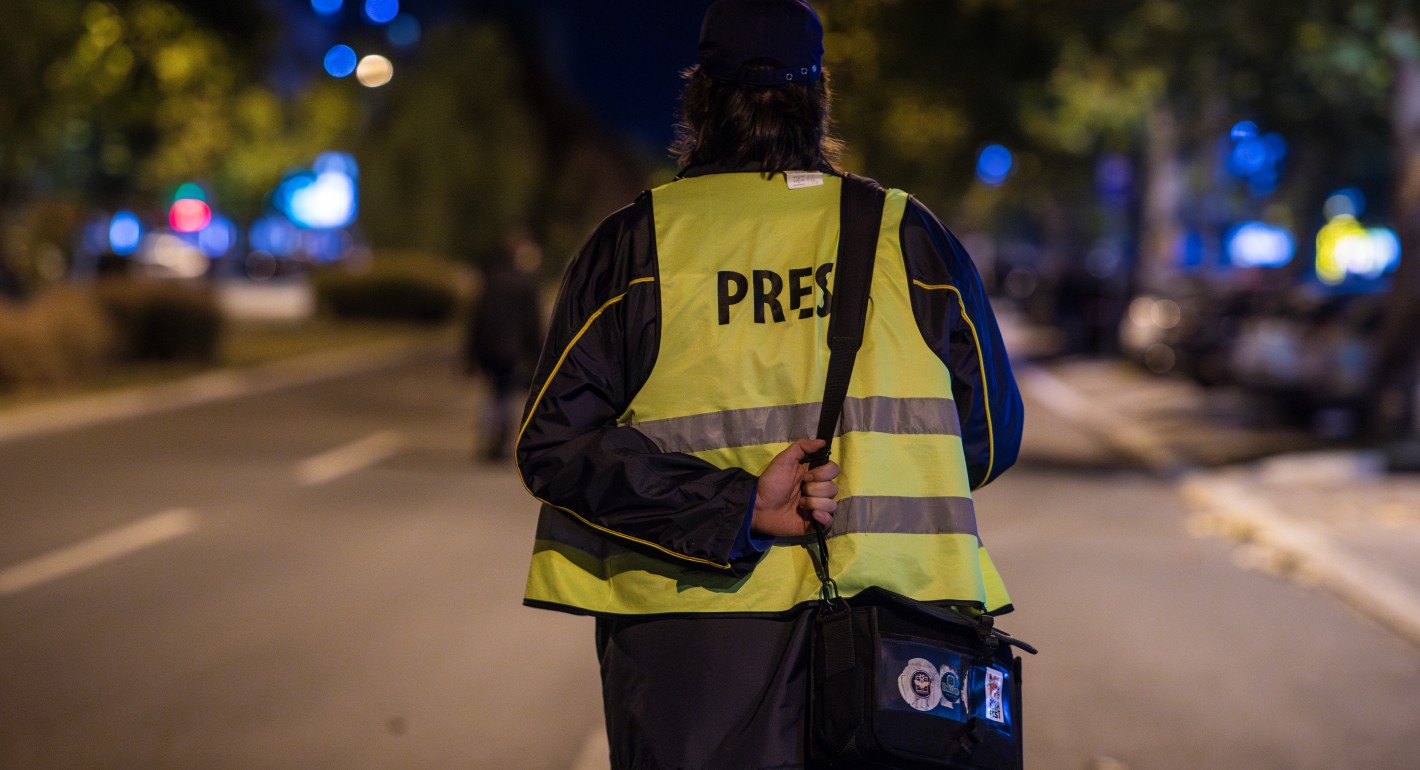
The future looks bleak for independent media worldwide, but there is a robust infrastructure of knowledge, organizations, and people to build upon.

Daniel Sabet, Susan Abbott
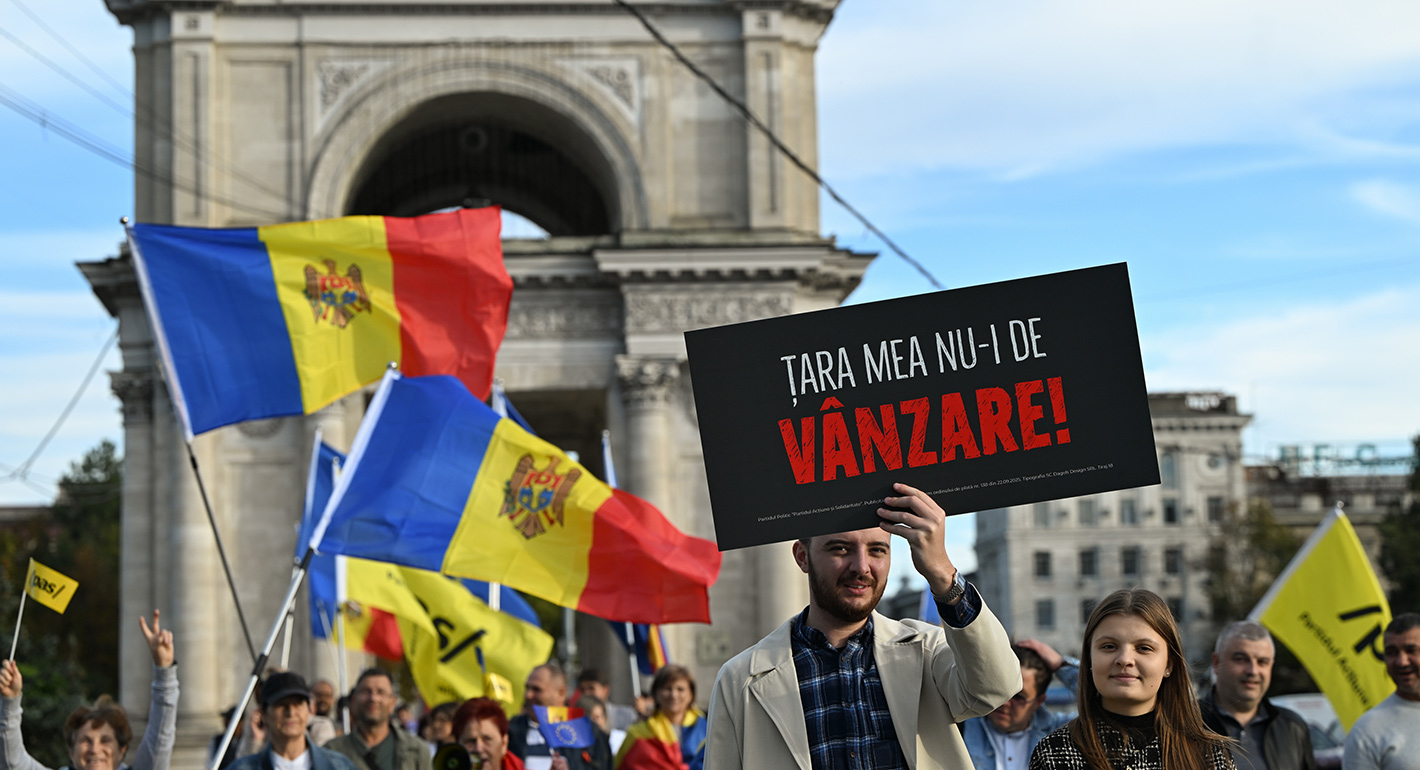
Defenders of democracy often split over perceptions, methods, urgency levels, and priorities.

Murat Somer, Jennifer McCoy

Lessons from other backsliding democracies show that mass mobilization needs to feed into an electoral strategy.
Saskia Brechenmacher, Shreya Joshi
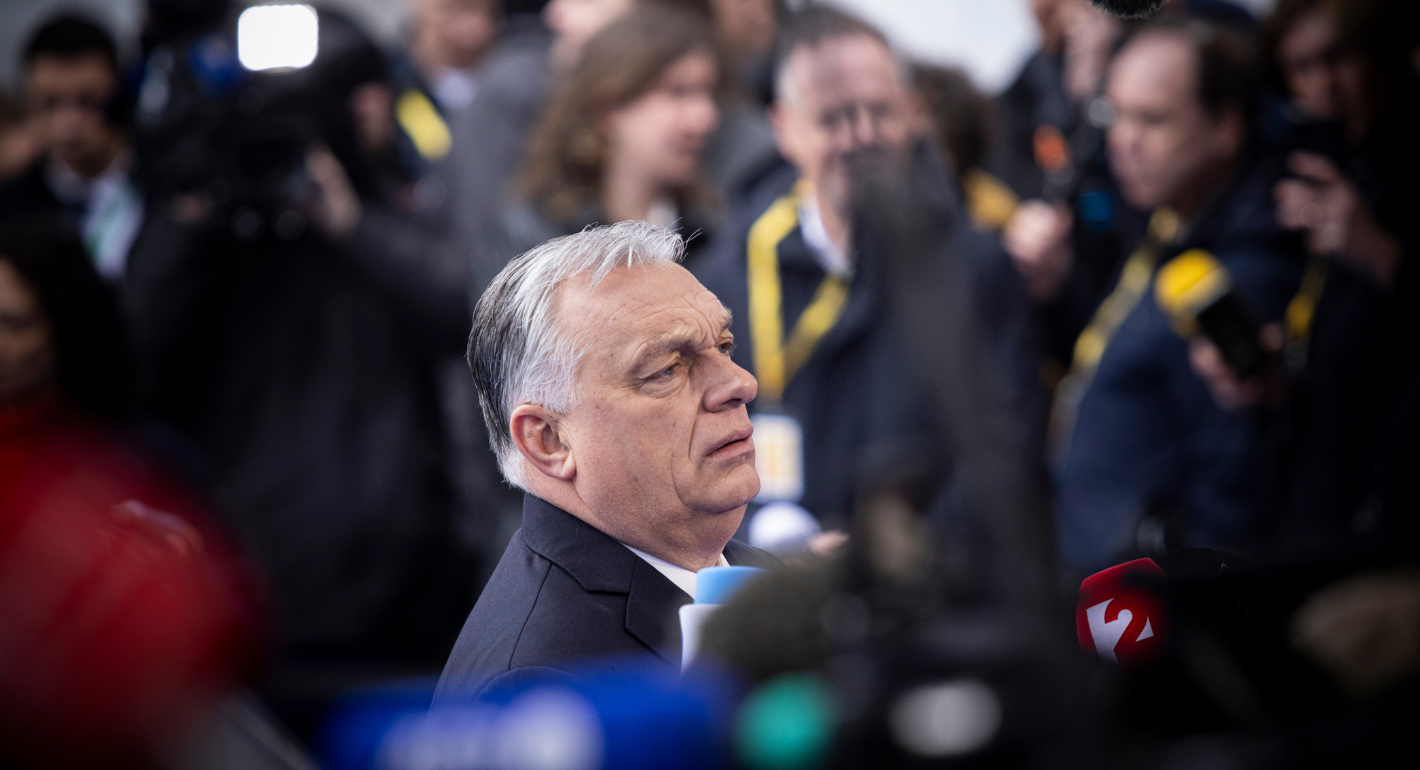
Hungarians head to the polls on April 12 for an election of national and European consequence. Three different outcomes are on the cards, each with their own implications for the EU.
Zsuzsanna Szelényi