Commentary
Four Middle East experts analyze the region’s reactions and next steps.
- +1
Amr Hamzawy, Andrew Leber, Eric Lob, …

REQUIRED IMAGE
Source: Carnegie Endowment
Summary
For nearly two decades the Middle East and North Africa (MENA) has languished in economic stagnation and lassitude. At a time when the logic of market-driven reform and exportoriented growth has become nearly canonical worldwide, the MENA region has proven steadfastly unenthusiastic about reform, shutting itself out of the benefits of economic globalization and falling behind most other regions in economic development.
At the same time, the MENA region has distinguished itself by spurning another worldwide trend: democratization. As democracy has spread in Latin America, Central and Eastern Europe, Asia, and sub-Saharan Africa, the Middle East has remained largely authoritarian, experiencing at most only mild liberalizing political reforms. This dual resistance to world trends is intriguing and resurrects the question of the relationship between political and economic reform. Is this dual resistance to reform coincidental? And what does this resistance say about whether and how Western policy makers and aid practitioners should try to link or sequence their efforts to promote political and economic reform in the region?
Click on link above for the full text of this Carnegie Paper.
About the Author
Eva Bellin is associate professor in the Department of Political Science at Hunter College/City University of New York. An expert on the political economy of the Arab world, she is the author of Stalled Democracy: Capital, Labor, and the Paradox of State-Sponsored Development (Ithaca: Cornell University Press, 2002). She was previously associate professor in the Department of Government at Harvard University.
A limited number of print copies are available.
Request a copy
Eva Bellin
Carnegie does not take institutional positions on public policy issues; the views represented herein are those of the author(s) and do not necessarily reflect the views of Carnegie, its staff, or its trustees.
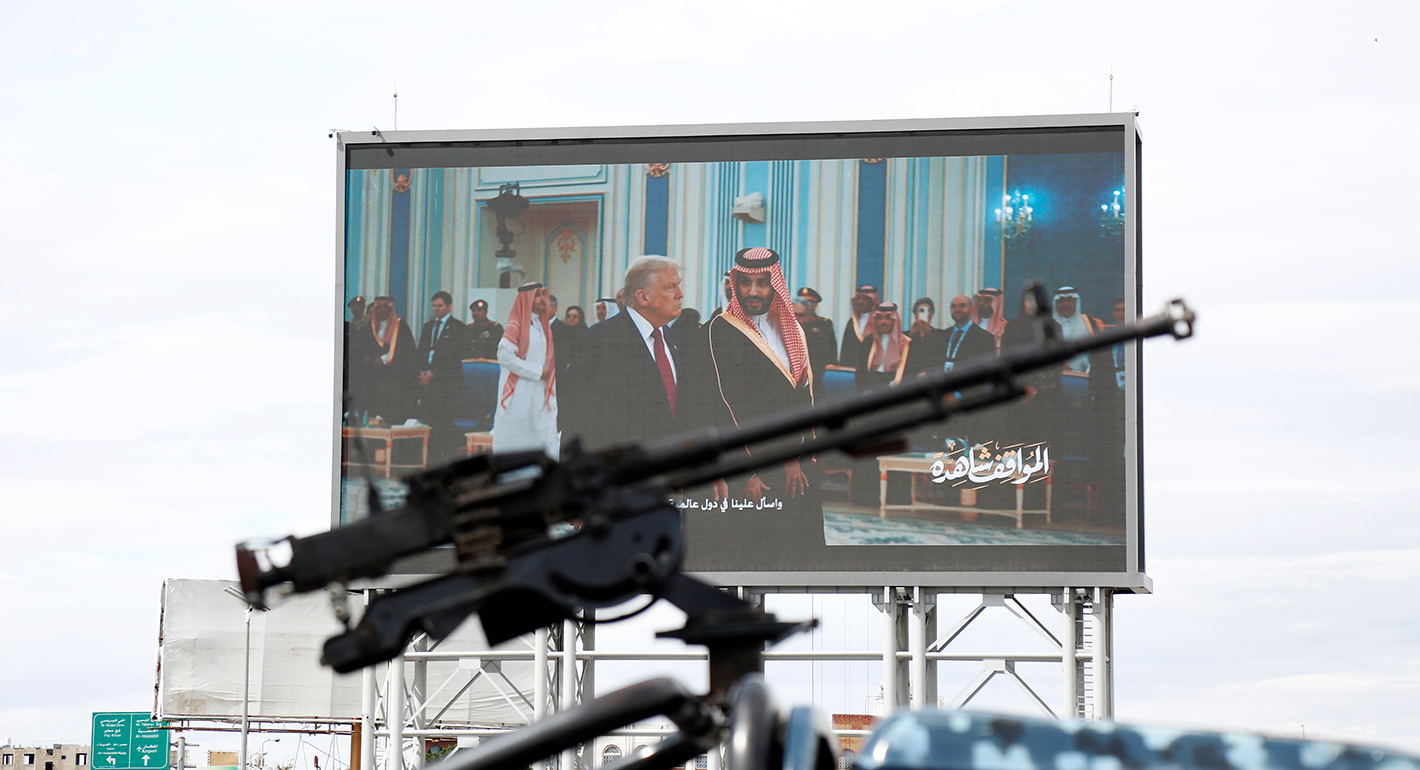
Four Middle East experts analyze the region’s reactions and next steps.



Amr Hamzawy, Andrew Leber, Eric Lob, …
As the war between the United States, Israel, and Iran continues, Carnegie scholars contribute cutting-edge analysis on the events of the war and their wide-reaching implications. From the impact on Iran and its immediate neighbors to the responses from Gulf states to fuel and fertilizer shortages caused by the effective shutdown of the Strait of Hormuz, the war is reshaping Middle East alliances and creating shockwaves around the world. Carnegie experts analyze it all.
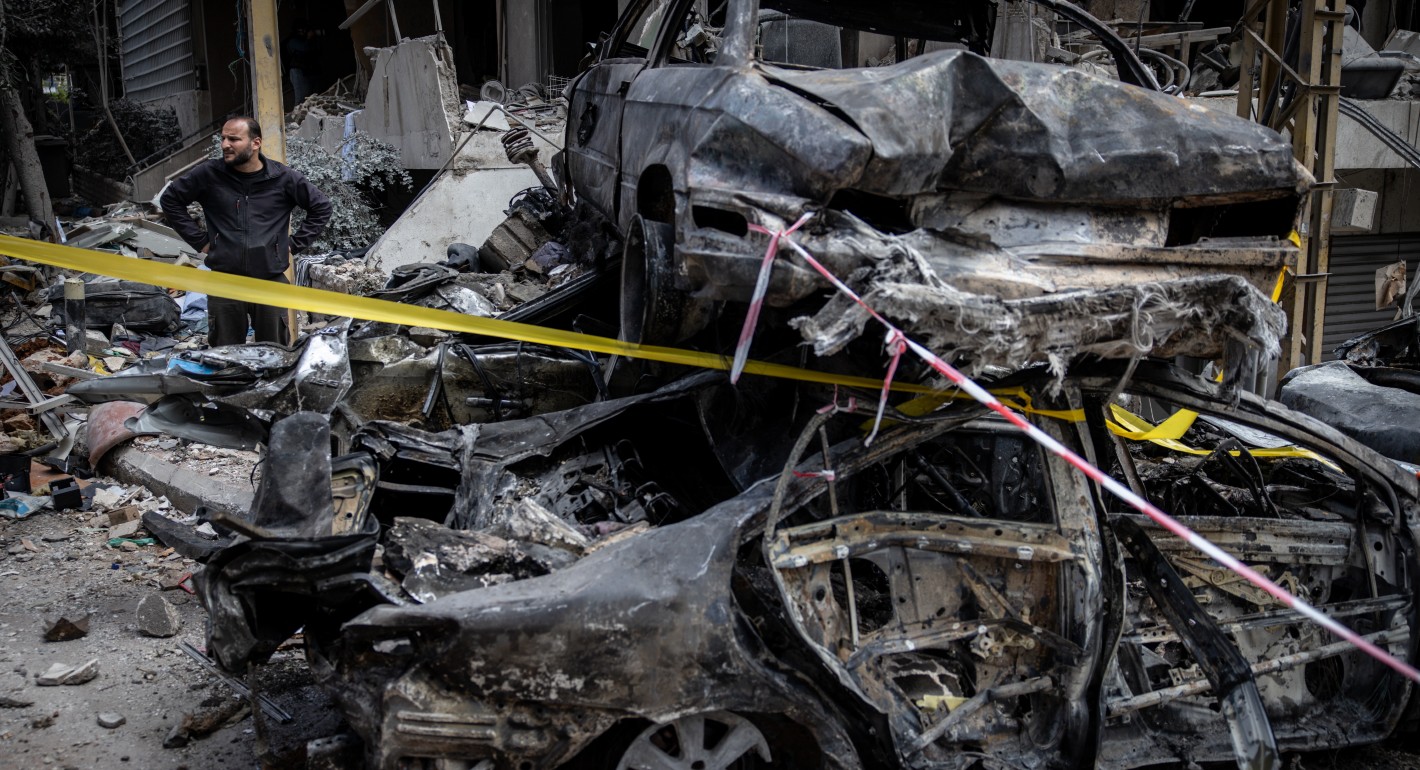
The return of war as the organizing factor in Middle Eastern politics has predictable consequences: governments are prioritizing regime stability and becoming averse to political and social reform.

Sarah Yerkes, Amr Hamzawy
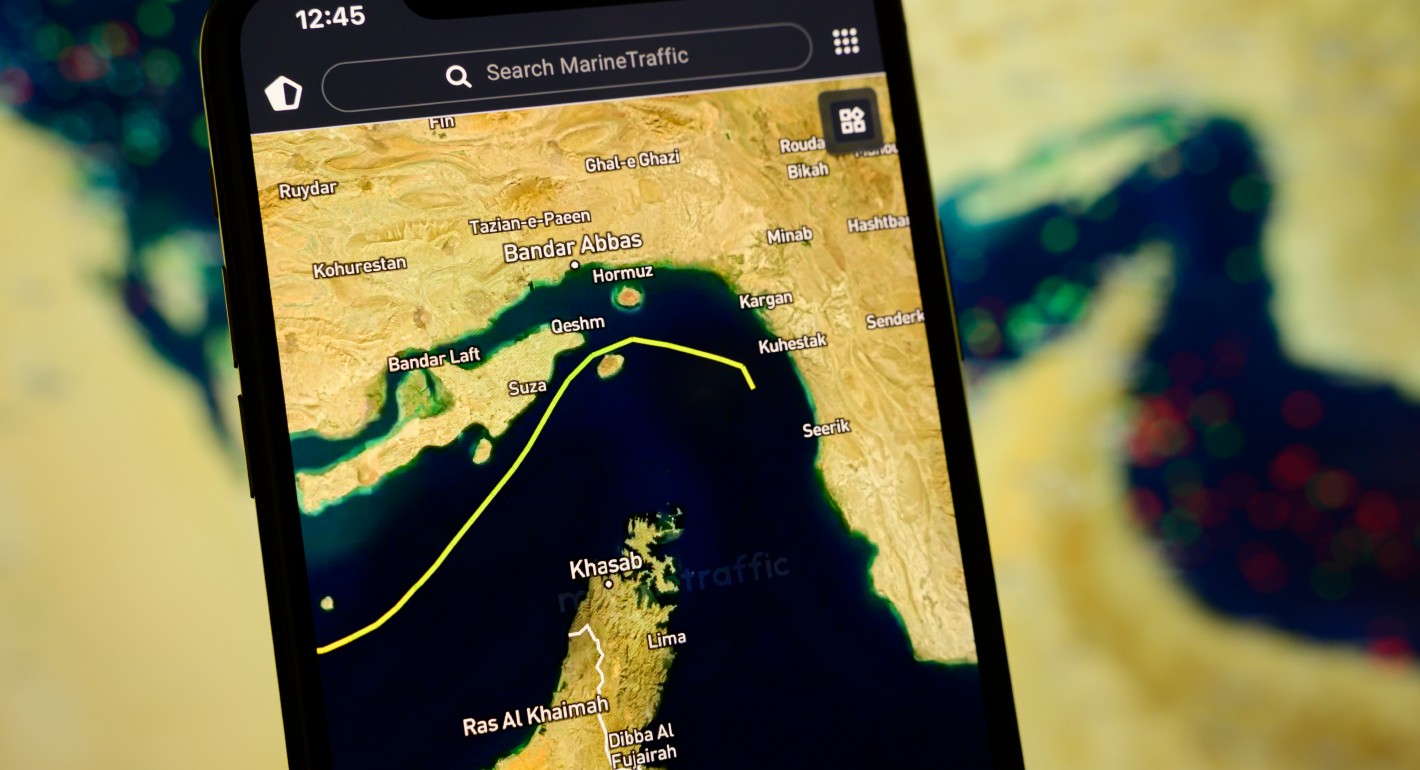
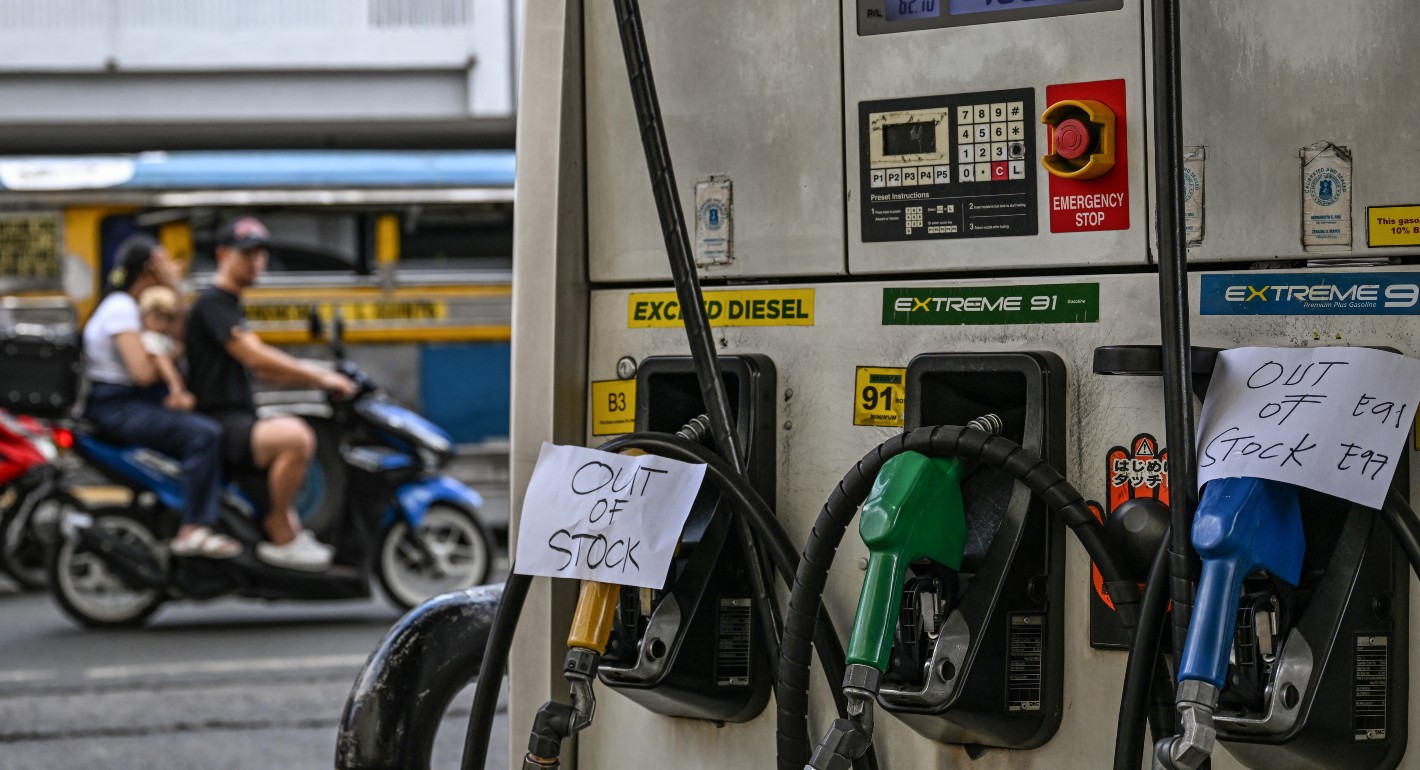
Why the Iran ceasefire isn’t a quick fix to the Strait of Hormuz energy crisis.

Helima Croft, Aaron David Miller
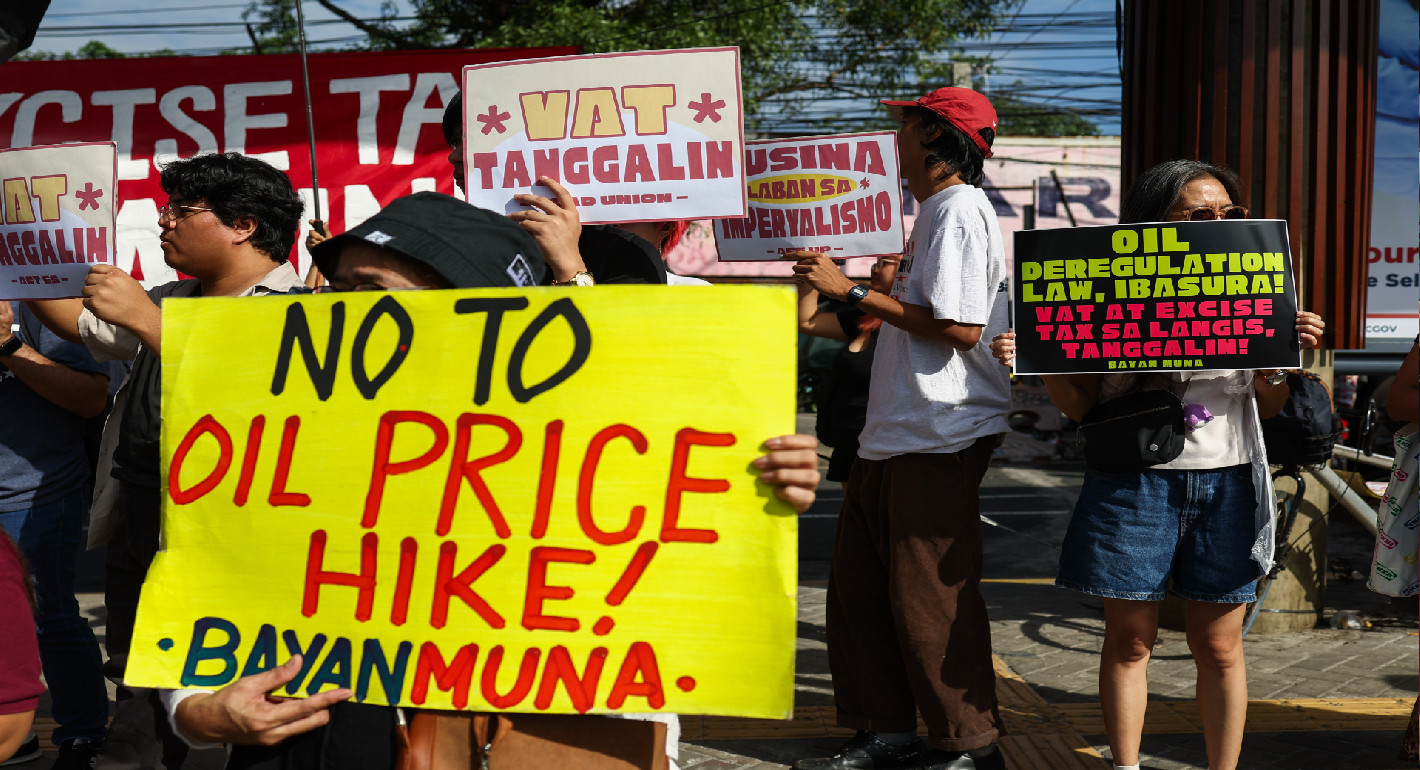
There is no better time for the countries of Southeast Asia to reconsider their energy security than during this latest crisis.
Gita Wirjawan