Paper
Mei Ying Gechlik (Veron Hung)
{
  "authors": [
    "Mei Ying Gechlik (Veron Hung)"
  ],
  "type": "legacyinthemedia",
  "centerAffiliationAll": "dc",
  "centers": [
    "Carnegie Endowment for International Peace"
  ],
  "collections": [],
  "englishNewsletterAll": "asia",
  "nonEnglishNewsletterAll": "",
  "primaryCenter": "Carnegie Endowment for International Peace",
  "programAffiliation": "AP",
  "programs": [
    "Asia"
  ],
  "projects": [],
  "regions": [
    "China"
  ],
  "topics": [
    "Political Reform",
    "Democracy",
    "Economy",
    "Trade"
  ]
}
Source: Getty
Source: The American Journal of Comparative Law
China's accession to the World Trade Organization has presented the leaders in Beijing with the formidable challenge of establishing an independent judicial review system. Yet, empirical research conducted by Dr. Veron Hung in key locales in China since 1998 reveal that the judicial review system is not independent. In particular, in the realm of administrative litigation, factors such as interference, inter-court and intra-court influence, and bribery all work to weaken the independence of the judiciary. While the Chinese government has undertaken steps to reduce the magnitude of these problems, the efforts - though quite impressive - cannot eliminate the fundamental obstacles to an independent judicial review system in China. These obstacles persist because local governments and the Chinese Communist Party (CCP) exercise power over the courts' personnel and finance and because of the overall primacy of CCP policies over law. To resolve these problems, political reform is needed to redefine the relationships between courts, the CCP, and local governments, and the international community can play an invaluable role in this regard.
To view the full text of the article, click on the right.

Former Non-Resident Associate
Recent Work
Mei Ying Gechlik (Veron Hung)
Mei Ying Gechlik (Veron Hung)
Carnegie does not take institutional positions on public policy issues; the views represented herein are those of the author(s) and do not necessarily reflect the views of Carnegie, its staff, or its trustees.
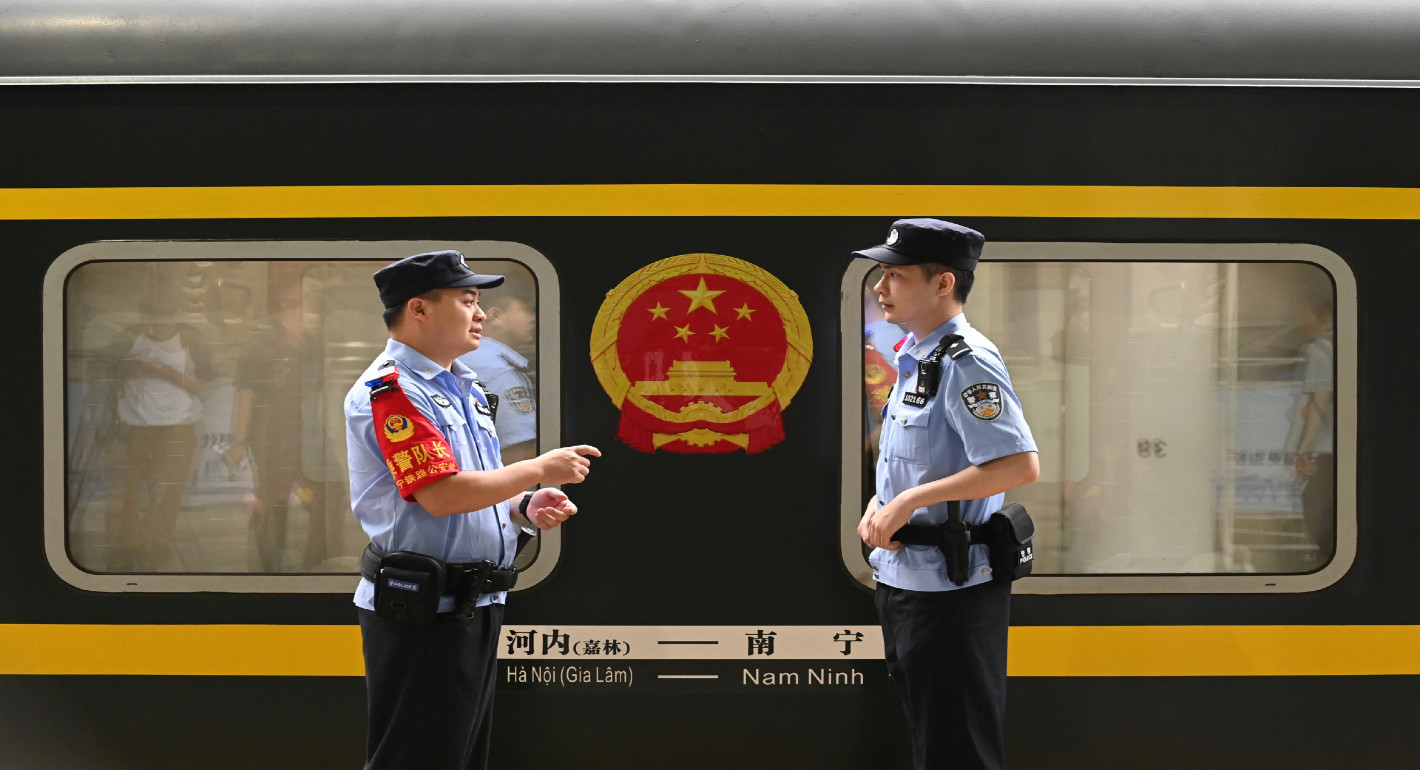
Despite long-standing differences, China and Vietnam are reinforcing common ground for collaboration, especially in public security. This internal security–centered diplomacy offers a strengthened road map for how China moves forward with Southeast Asia.
Sophie Zhuang
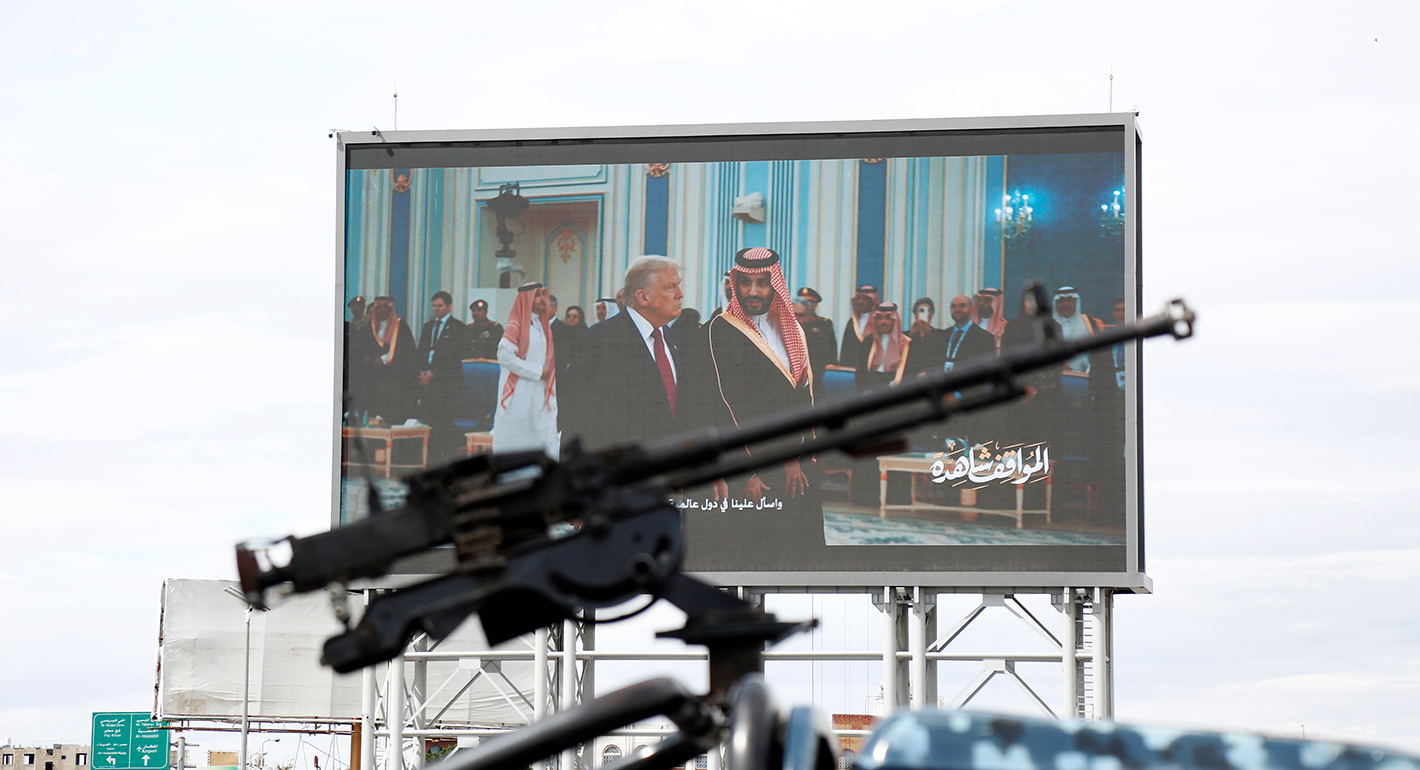
As the war between the United States, Israel, and Iran continues, Carnegie scholars contribute cutting-edge analysis on the events of the war and their wide-reaching implications. From the impact on Iran and its immediate neighbors to the responses from Gulf states to fuel and fertilizer shortages caused by the effective shutdown of the Strait of Hormuz, the war is reshaping Middle East alliances and creating shockwaves around the world. Carnegie experts analyze it all.
The return of war as the organizing factor in Middle Eastern politics has predictable consequences: governments are prioritizing regime stability and becoming averse to political and social reform.


Sarah Yerkes, Amr Hamzawy

The future looks bleak for independent media worldwide, but there is a robust infrastructure of knowledge, organizations, and people to build upon.


Daniel Sabet, Susan Abbott
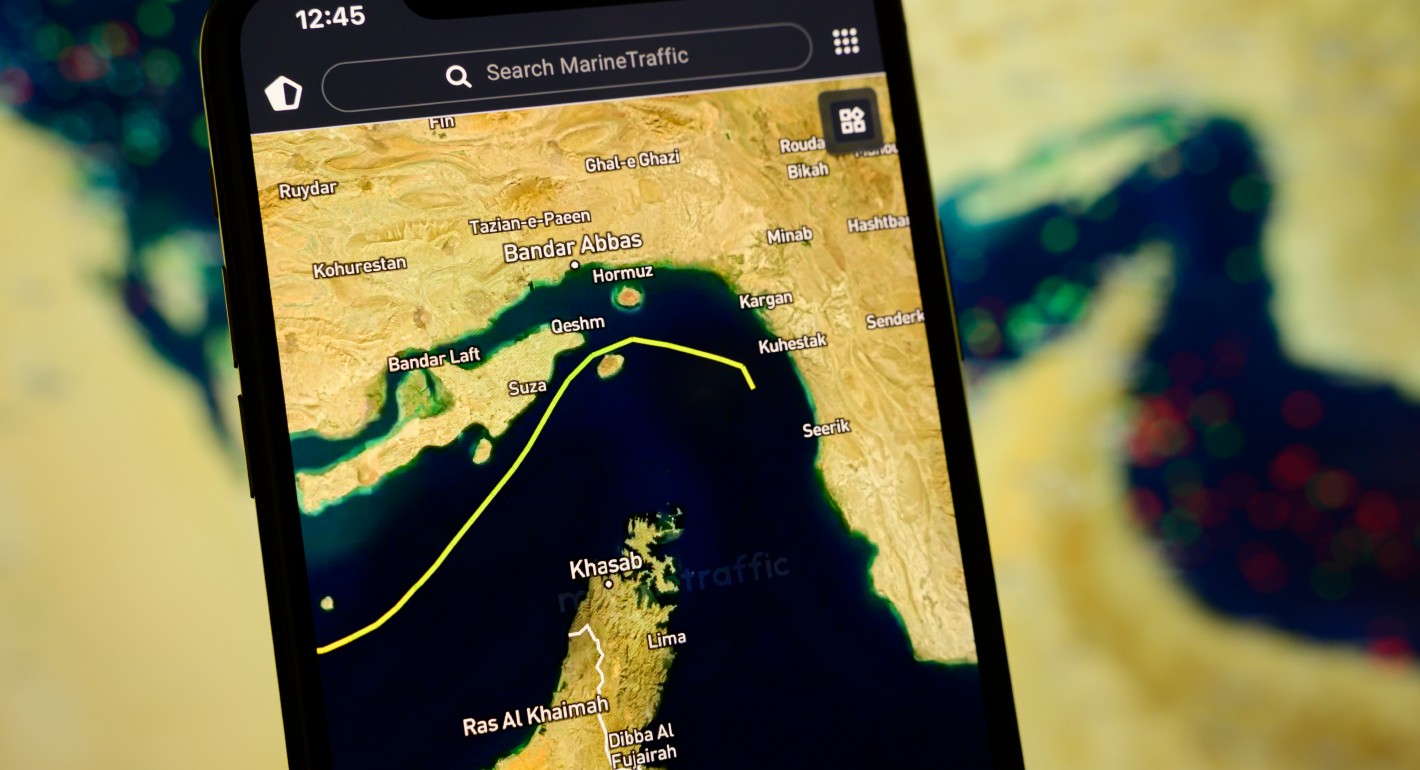
Why the Iran ceasefire isn’t a quick fix to the Strait of Hormuz energy crisis.


Helima Croft, Aaron David Miller