Paper
George Perkovich
The acquisition of nuclear weapons by terrorists or any additional states would shake the international system. The more strategically important the state, the greater the potential threat to global security.
Source: Strategic Studies Institute
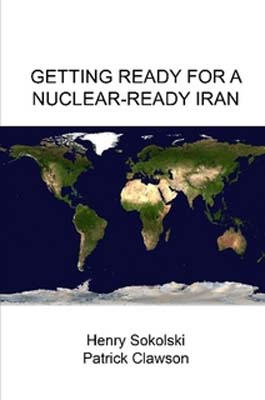
This chapter appears in Sokolski, H. D. and Clawson, P. (eds) Getting Ready for a Nuclear-Ready Iran, Strategic Studies Institute, United States Army War College, 2005.
The acquisition of nuclear weapons by terrorists or any additional states would shake the international system. The more strategically important the state, the greater the potential threat to global security.
Iran is a strategically vital actor in the international system. It incarnates an historically major civilization. It is the largest state in the regional complex that comprises the Persian Gulf, the Middle East, and Central Asia, including Turkey. Major developments in Iran, therefore, have wide reverberations simply as a matter of political geophysics. Iran’s large role in the global supply of fossil fuels makes it still more important. As a direct source of fuel, and also as a shaper of regional dynamics, Iran can signifi cantly affect the global economy, and therefore politics. Iran’s ties to terrorist organizations operating (primarily) in the Middle East renders Tehran a vital actor in the international campaign against terrorism.
Iran has the capability to peacefully augment or violently disrupt U.S. missions in Afghanistan and Iraq. Thus, a major change in Iran’s military strength and/or political status would directly affect major U.S. and international interests.
To continue reading this article, please follow the PDF link above.

Japan Chair for a World Without Nuclear Weapons, Senior Fellow
George Perkovich is the Japan Chair for a World Without Nuclear Weapons and a senior fellow in the Carnegie Endowment for International Peace’s Nuclear Policy Program. He works primarily on nuclear deterrence, nonproliferation, and disarmament issues, and is leading a study on nuclear signaling in the 21st century.
Recent Work
George Perkovich
George Perkovich
Carnegie does not take institutional positions on public policy issues; the views represented herein are those of the author(s) and do not necessarily reflect the views of Carnegie, its staff, or its trustees.
Four Middle East experts analyze the region’s reactions and next steps.



Amr Hamzawy, Andrew Leber, Eric Lob, …
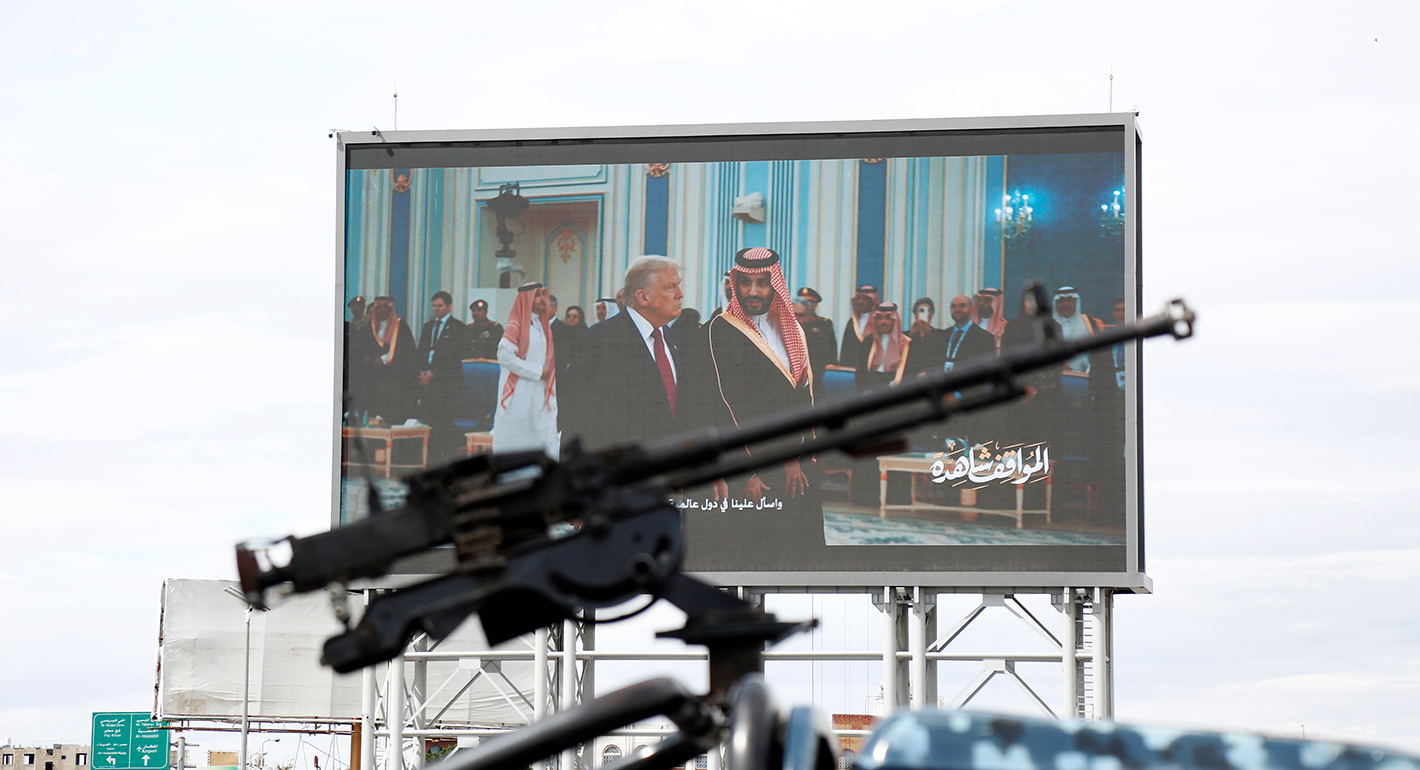
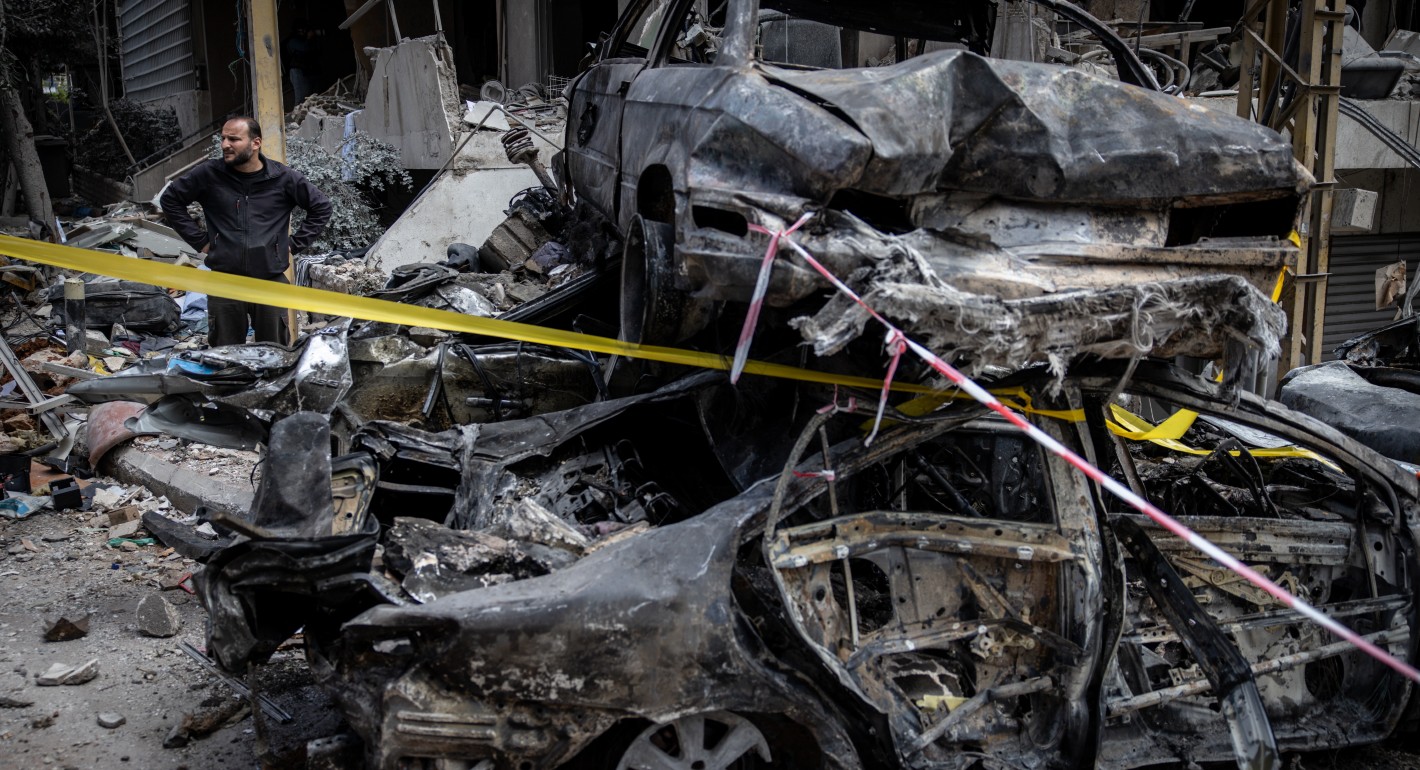
As the war between the United States, Israel, and Iran continues, Carnegie scholars contribute cutting-edge analysis on the events of the war and their wide-reaching implications. From the impact on Iran and its immediate neighbors to the responses from Gulf states to fuel and fertilizer shortages caused by the effective shutdown of the Strait of Hormuz, the war is reshaping Middle East alliances and creating shockwaves around the world. Carnegie experts analyze it all.
The return of war as the organizing factor in Middle Eastern politics has predictable consequences: governments are prioritizing regime stability and becoming averse to political and social reform.

Sarah Yerkes, Amr Hamzawy
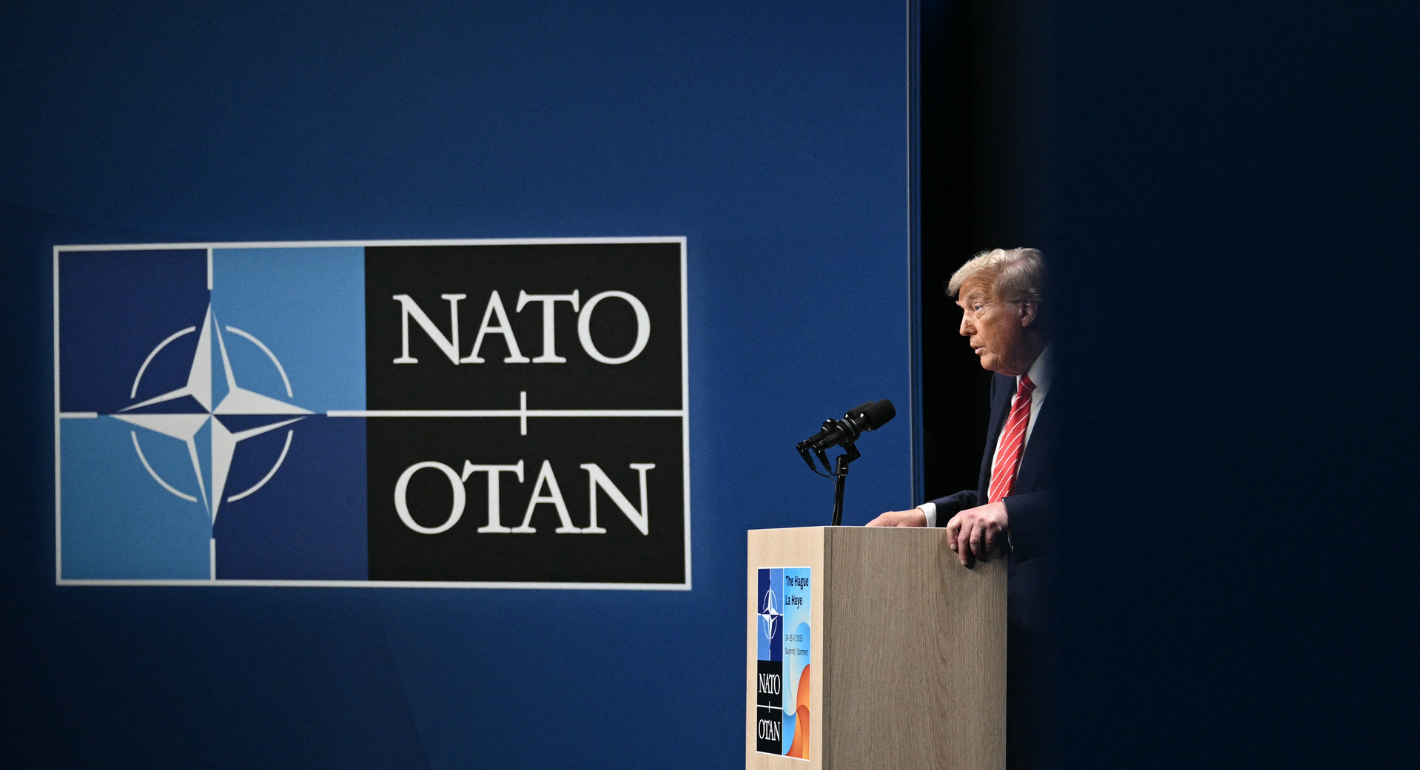
Donald Trump has repeatedly bashed NATO and European allies, threatening to annex Canada and Greenland and deploring their lack of enthusiasm for his war of choice in Iran. Is this latest round of abuse the final straw?

Rym Momtaz, ed.
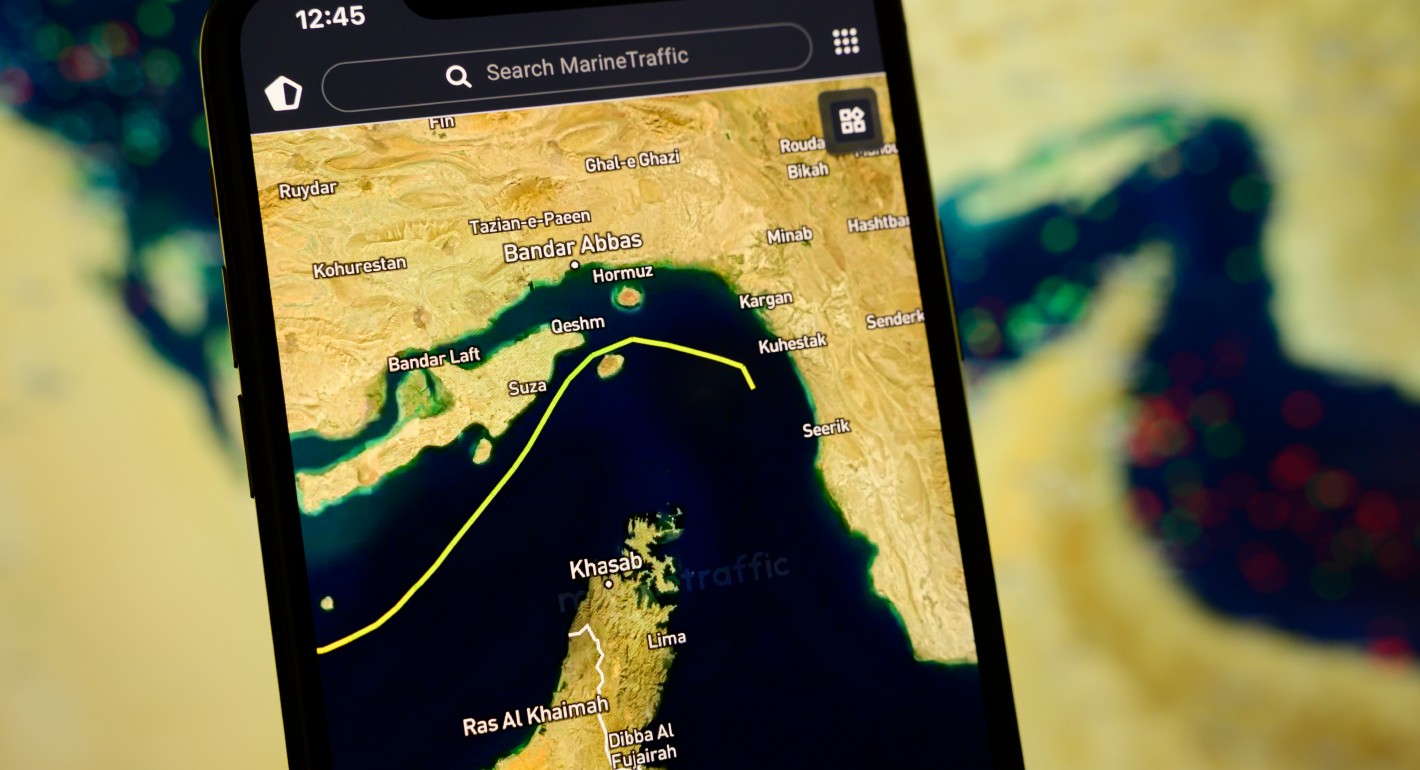
Why the Iran ceasefire isn’t a quick fix to the Strait of Hormuz energy crisis.

Helima Croft, Aaron David Miller