

Commentary
The books, podcasts, and films that explain the world it made.
Andrew Leber
{
  "authors": [
    "Bruce Stokes"
  ],
  "type": "legacyinthemedia",
  "centerAffiliationAll": "",
  "centers": [
    "Carnegie Endowment for International Peace"
  ],
  "collections": [],
  "englishNewsletterAll": "",
  "nonEnglishNewsletterAll": "",
  "primaryCenter": "Carnegie Endowment for International Peace",
  "programAffiliation": "",
  "programs": [],
  "projects": [],
  "regions": [
    "North America",
    "Middle East",
    "China"
  ],
  "topics": [
    "Economy",
    "Trade"
  ]
}
REQUIRED IMAGE
Bruce Stokes comments on Sandra Polaski's new report on the WTO Doha Round, Winners and Losers, in The National Journal.
Bruce Stokes comments on Sandra Polaski's new report on the WTO Doha Round, Winners and Losers, in The National Journal:
American cattlemen, poultry producers, and moviemakers can expect to be winners in the current Doha Round of multilateral trade negotiations, according to a new computer model that measures the impact of a likely outcome of the talks. The model will be released March 15 in Washington by the Carnegie Endowment for International Peace. But the American successes will, in part, be offset by the losses that U.S. soybean growers and automakers will incur. In the end, the round will do nothing to reduce the mushrooming U.S. trade deficit.
Bruce Stokes
Carnegie does not take institutional positions on public policy issues; the views represented herein are those of the author(s) and do not necessarily reflect the views of Carnegie, its staff, or its trustees.

The books, podcasts, and films that explain the world it made.

Andrew Leber
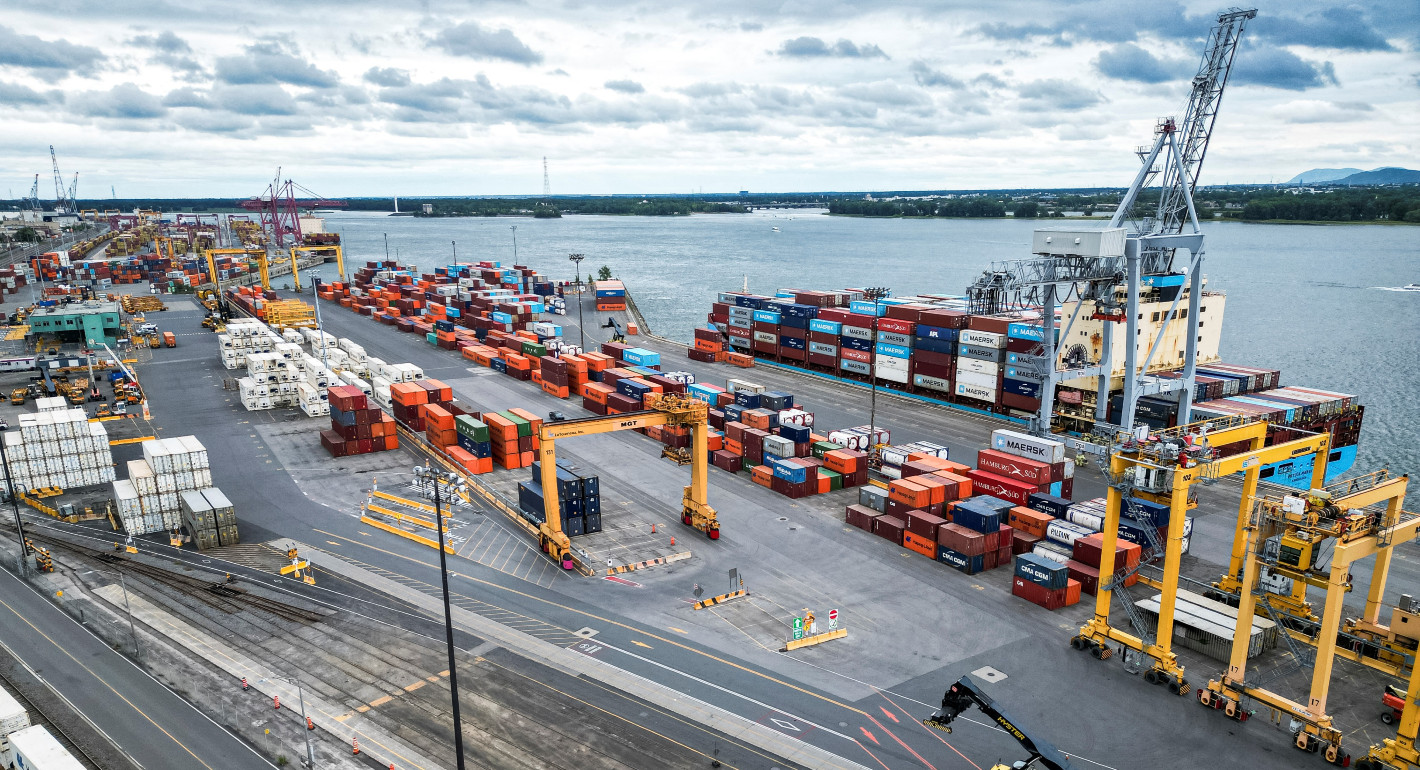
U.S. trading partners in Asia are closely watching the dispute for signs of how it may affect their own interests.
Barbara Weisel
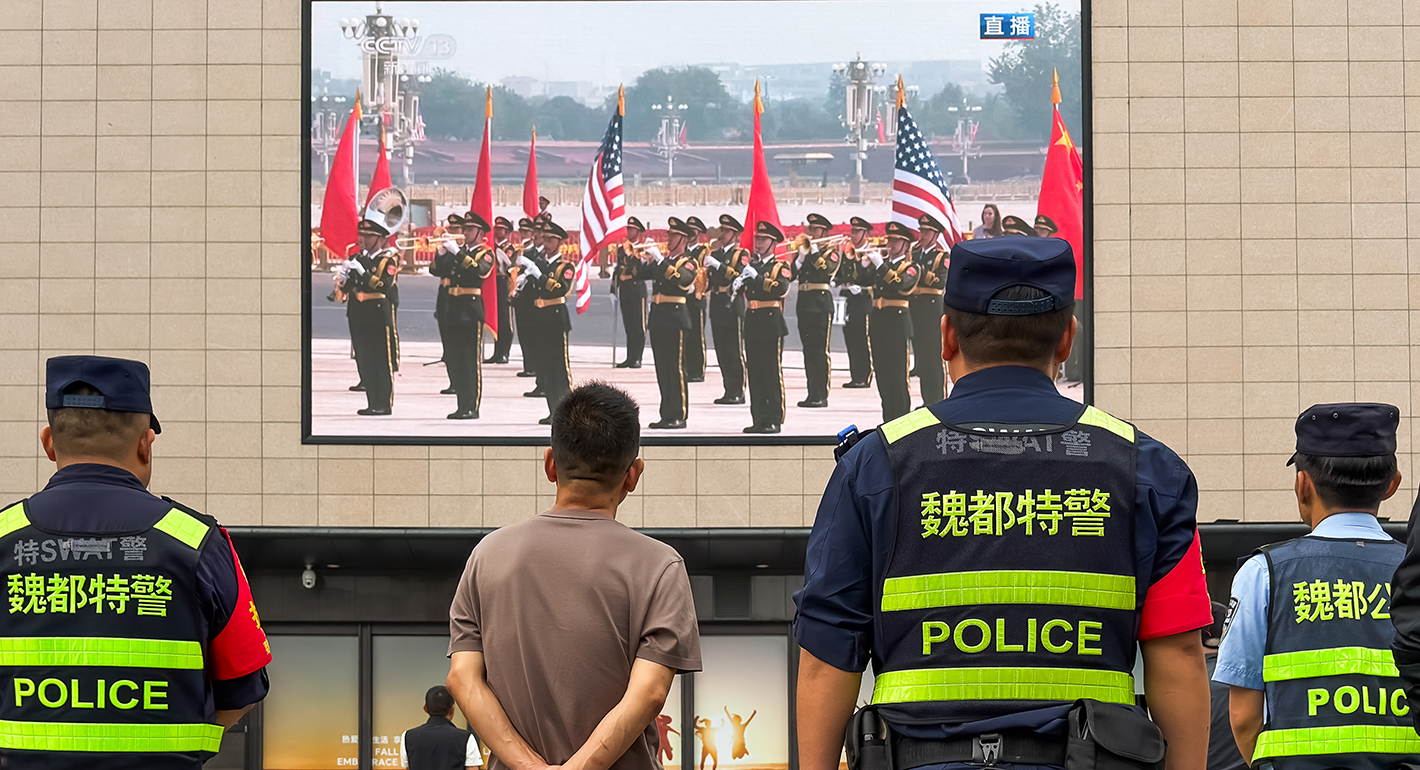
Chinese strategists are once again debating whether American power is declining and whether U.S. hegemony is experiencing irreversible decay.
Wu Xinbo

Congress needs to step up and make EXIM a low-carbon financing powerhouse.
Jesse Young

With the growth in points of friction between the great powers, organizations like the SCO will continue to play a role in the strategic adaptation of the smaller powers caught between them.

Temur Umarov