

Commentary
With his public call for new elections in Ukraine, ex-defense minister Mykhailo Fedorov has opened Pandora’s box.
Konstantin Skorkin
{
  "authors": [],
  "type": "pressRelease",
  "centerAffiliationAll": "dc",
  "centers": [
    "Carnegie Endowment for International Peace"
  ],
  "collections": [],
  "englishNewsletterAll": "menaTransitions",
  "nonEnglishNewsletterAll": "",
  "primaryCenter": "Carnegie Endowment for International Peace",
  "programAffiliation": "MEP",
  "programs": [
    "Middle East"
  ],
  "projects": [],
  "regions": [
    "Middle East"
  ],
  "topics": [
    "Political Reform"
  ]
}
REQUIRED IMAGE
Despite recent electoral reform, Kuwait’s parliamentary election on May 17 will produce little change. This question and answer guide explains the significance of the election, and the implications of the electoral reform on campaigning, opportunities for women in Kuwaiti politics, and most significantly, for democracy in the Gulf.
WASHINGTON, May 7—Despite recent electoral reform, Kuwait’s parliamentary election on May 17 will produce little change and continue to foster a parliament more adept at blocking the ruling family than initiating positive change, argues Middle East expert Nathan Brown. Increasing frustration with parliament led Kuwait’s ruling family to call an early election and has fueled speculation that they may suspend parliament.
Brown provides a question and answer guide to explain the significance of the election, and the implications of the electoral reform on campaigning, opportunities for women in Kuwaiti politics, and most significantly, for democracy in the Gulf—an important development the United States is overlooking.
Key Conclusions:
Brown argues that Kuwait’s looming political crisis may have some serious implications for democracy in the Gulf: “The ruling family tends to blame the parliament for Kuwait’s failure to develop as rapidly as Dubai—a model which allows the government to make decisions unhindered by democratic institutions. Other countries in the region are coming to see Kuwait as a negative model of what democracy can result in. Kuwaitis are increasingly debating how to reform (or whether to scale back) their democratic experiment.”

Carnegie does not take institutional positions on public policy issues; the views represented herein are those of the author(s) and do not necessarily reflect the views of Carnegie, its staff, or its trustees.
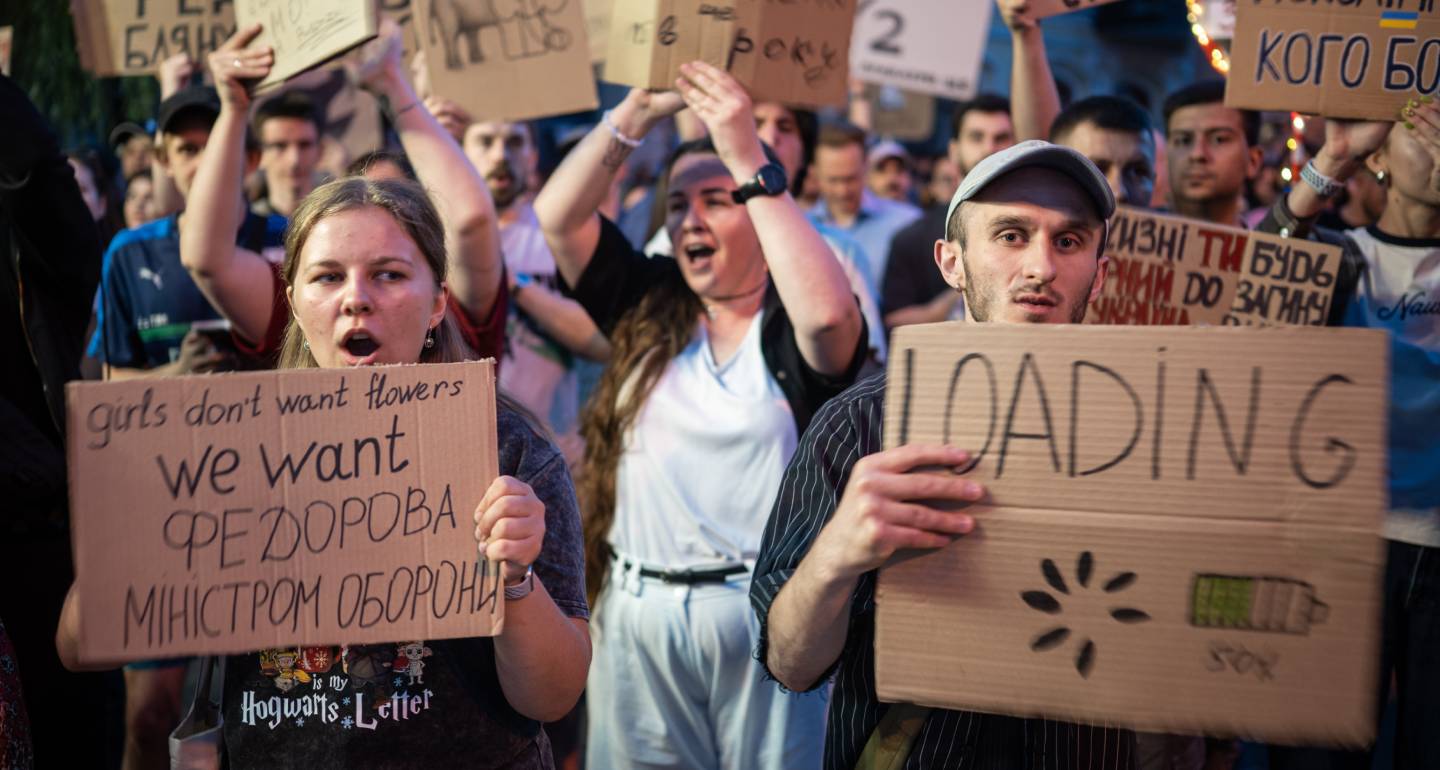
With his public call for new elections in Ukraine, ex-defense minister Mykhailo Fedorov has opened Pandora’s box.

Konstantin Skorkin
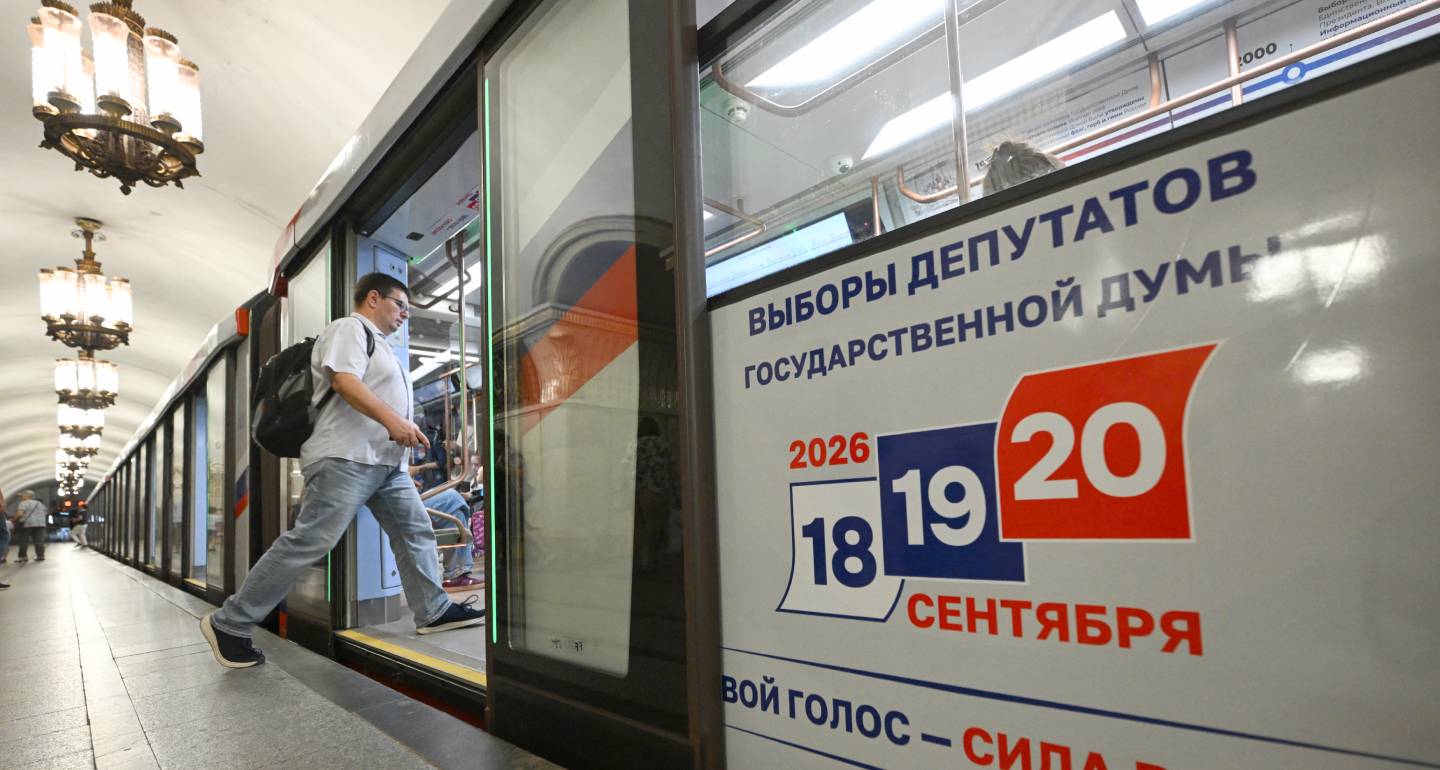
In the discussions made possible by the State Duma election campaign, one question is being asked more and more loudly. “What next?”

Andrey Pertsev
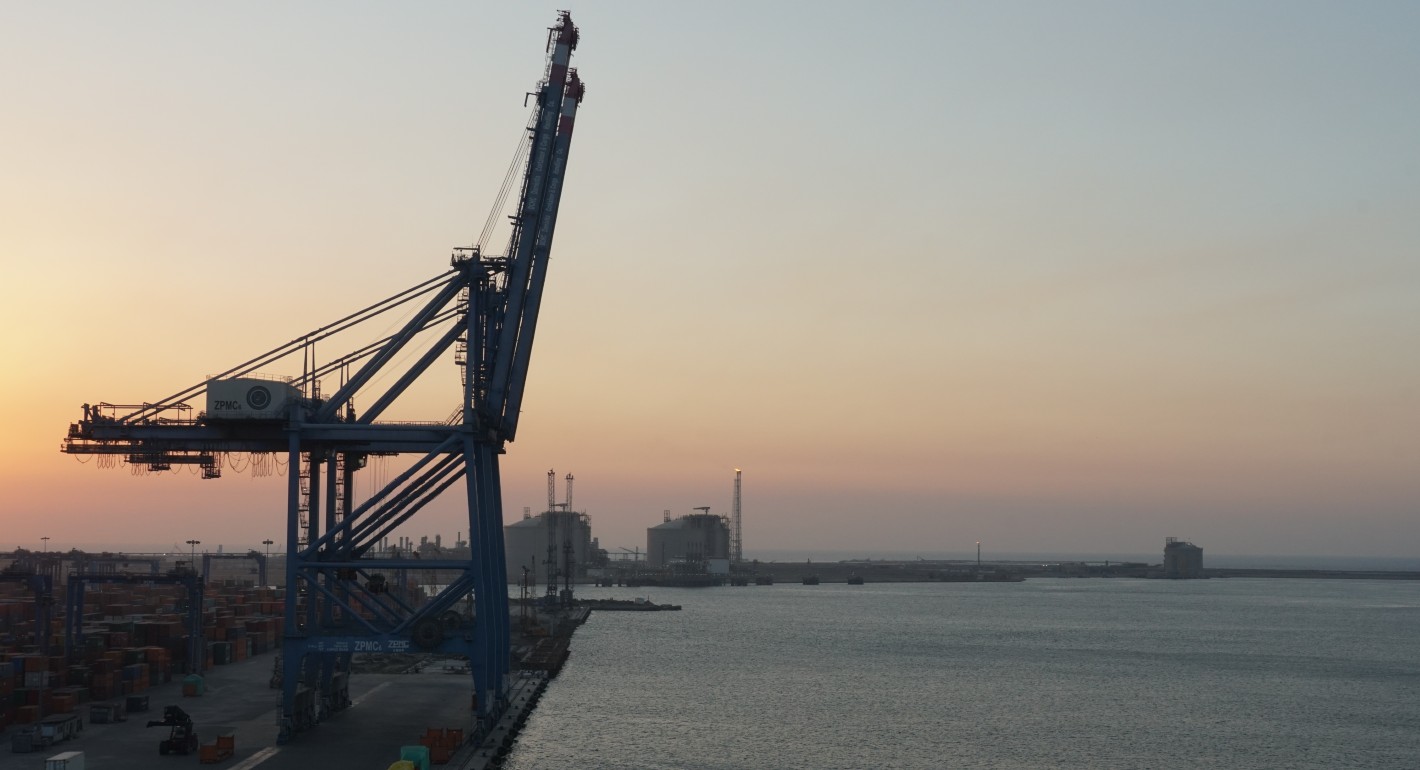
The targeting of Damietta Port appears to be more than a mere security message.

Amr Hamzawy
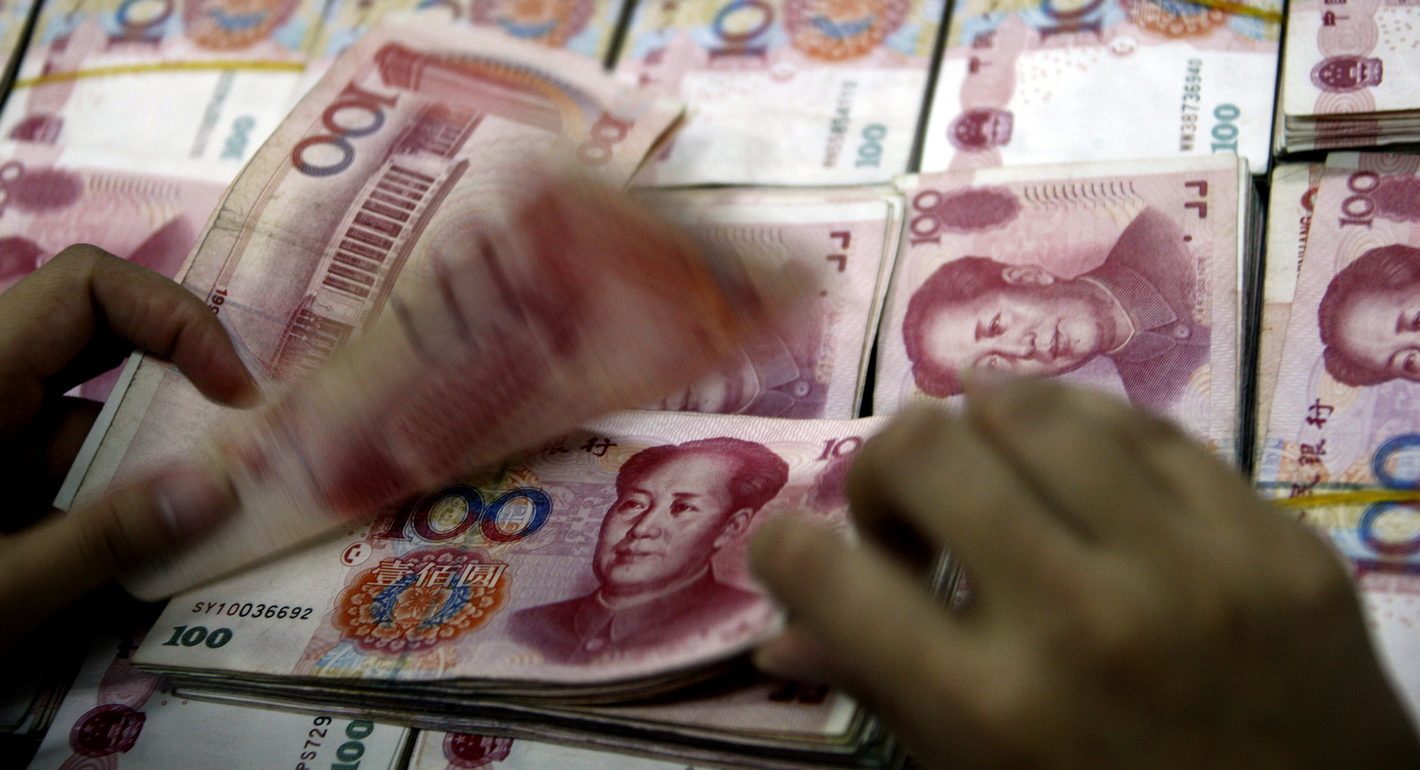
Is the Gulf moving beyond the dollar? This article examines how China is expanding the renminbi's role across Gulf markets, what that means for regional finance, and why the future of global currencies is more complex than the de-dollarization debate suggests.

Andrew Bonney

As India undergoes a demographic transition, its cities will be its economic powerhouse—but only if it accurately captures city growth and empowers cities to support their citizens.
Apoorva Jadhav