• Research
  • Emissary
  • About
  • Experts
Carnegie Global logoCarnegie lettermark logo
DemocracyIran
  • Donate
Al-Qaeda in the Islamic Maghreb

Source: Getty

Paper

Al-Qaeda in the Islamic Maghreb

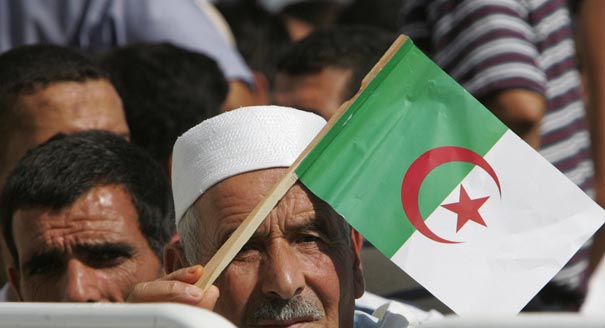
The global aims of Al-Qaeda in the Islamic Maghreb—an Algerian jihadi group—have been thwarted by the Algerian government’s more effective military strategy and the collapse of al-Qaeda in Iraq.

Link Copied
By Jean-Pierre Filiu
Published on Nov 30, 2009

Additional Links

Full Text
Program mobile hero image

Program

Middle East

The Middle East Program in Washington combines in-depth regional knowledge with incisive comparative analysis to provide deeply informed recommendations. With expertise in the Gulf, North Africa, Iran, and Israel/Palestine, we examine crosscutting themes of political, economic, and social change in both English and Arabic.

Learn More

Al-Qaeda in the Islamic Maghreb (AQIM)—an Algerian jihadi group that pledged allegiance to Osama bin Laden in 2006—garnered worldwide media exposure after simultaneous attacks in December 2007 on the United Nations building and the Constitutional Court in Algiers. AQIM, however, has not been able to sustain this level of violence and failed to transform itself into a North Africa-wide organization. 

AQIM’s global aims have been thwarted by the Algerian government’s more effective military strategy and the collapse of al-Qaeda in Iraq—the conflict in Iraq helped attract followers. Violent incidents fell from 200 in 2007 to below 150 in 2008. Still, the danger of terrorism in the region is real and considerable attention should be devoted to North Africa and the Sahel.
 
Methods to contain and ultimately eradicate al-Qaeda in the Islamic Maghreb:

  • Regional and international cooperation: AQIM wants its terror record to match its global rhetoric. The threat must be addressed at the regional and international level.   
     
  • Disrupt e-jihad: The internet is a powerful tool for recruitment and mobilizing terrorist attacks inspired by al-Qaeda. AQIM’s use of jihadi websites must not only be monitored, but actively disrupted.
     
  • Enhanced cooperation among law-enforcement and intelligence agencies regionally and internationally: Algeria and other states facing terrorism in North Africa have a long record of confronting jihadi networks, but regional security organizations need to enhance their abilities to share information and manage borders.
     
  • Long-term, indirect support from the United States and Europe to North Africa: Outside powers should continue to provide support by training and equipping rapid-reaction forces, but it is essential that they keep a low profile.


“AQIM is deeply rooted in Algeria’s recent history of violence and strife, but the organization’s heavy legacy limits its global potential,” says Filiu. “The security paradox posed by AQIM is that its inability to project its ‘global’ terror beyond Africa intensifies the pressures from al-Qaeda central to achieve such a breakthrough and to force the Algerian jihadi leadership to live up to this commitment.”

About the Author

Jean-Pierre Filiu

Jean-Pierre Filiu
North AfricaAlgeriaMaghrebPolitical ReformSecurity

Carnegie does not take institutional positions on public policy issues; the views represented herein are those of the author(s) and do not necessarily reflect the views of Carnegie, its staff, or its trustees.

More Work from Carnegie Endowment for International Peace

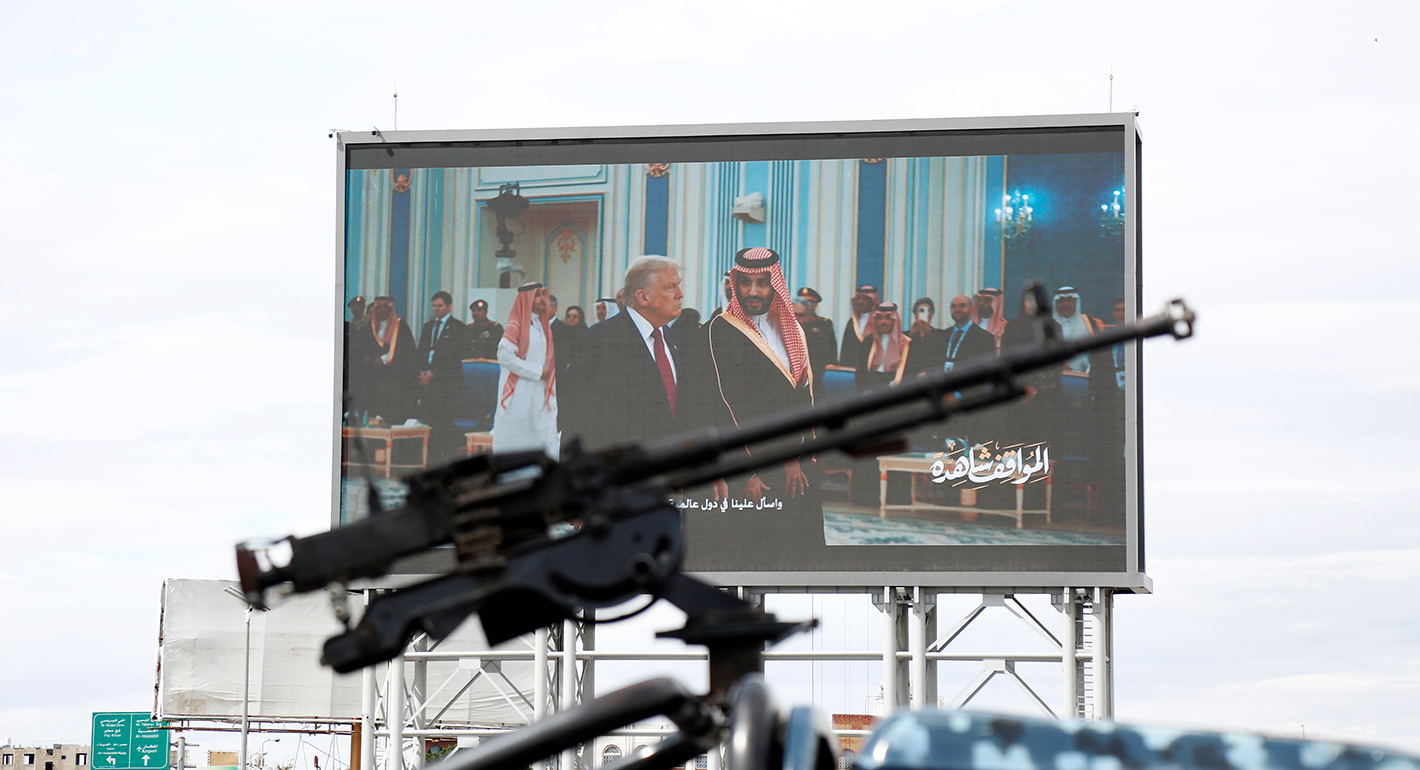
  •  A machine gun of a Houthi soldier mounted on a police vehicle next to a billboard depicting the U.S. president Donald Trump and Mohammed Bin Salman, the Crown Prince and Prime Minister of Saudi Arabia, during a protest staged to show support to Iran against the U.S.-Israel war on March 27, 2026 in Sana'a, Yemen.
    Collection
    The Iran War’s Global Reach

    As the war between the United States, Israel, and Iran continues, Carnegie scholars contribute cutting-edge analysis on the events of the war and their wide-reaching implications. From the impact on Iran and its immediate neighbors to the responses from Gulf states to fuel and fertilizer shortages caused by the effective shutdown of the Strait of Hormuz, the war is reshaping Middle East alliances and creating shockwaves around the world. Carnegie experts analyze it all.
  •  A machine gun of a Houthi soldier mounted on a police vehicle next to a billboard depicting the U.S. president Donald Trump and Mohammed Bin Salman, the Crown Prince and Prime Minister of Saudi Arabia, during a protest staged to show support to Iran against the U.S.-Israel war on March 27, 2026 in Sana'a, Yemen.
    Article
    Amid Iran War, Gulf Countries Slow the Pace of Reforms

    The return of war as the organizing factor in Middle Eastern politics has predictable consequences: governments are prioritizing regime stability and becoming averse to political and social reform.

      • Sarah Yerkes

      Sarah Yerkes, Amr Hamzawy

  • Commentary
    Strategic Europe
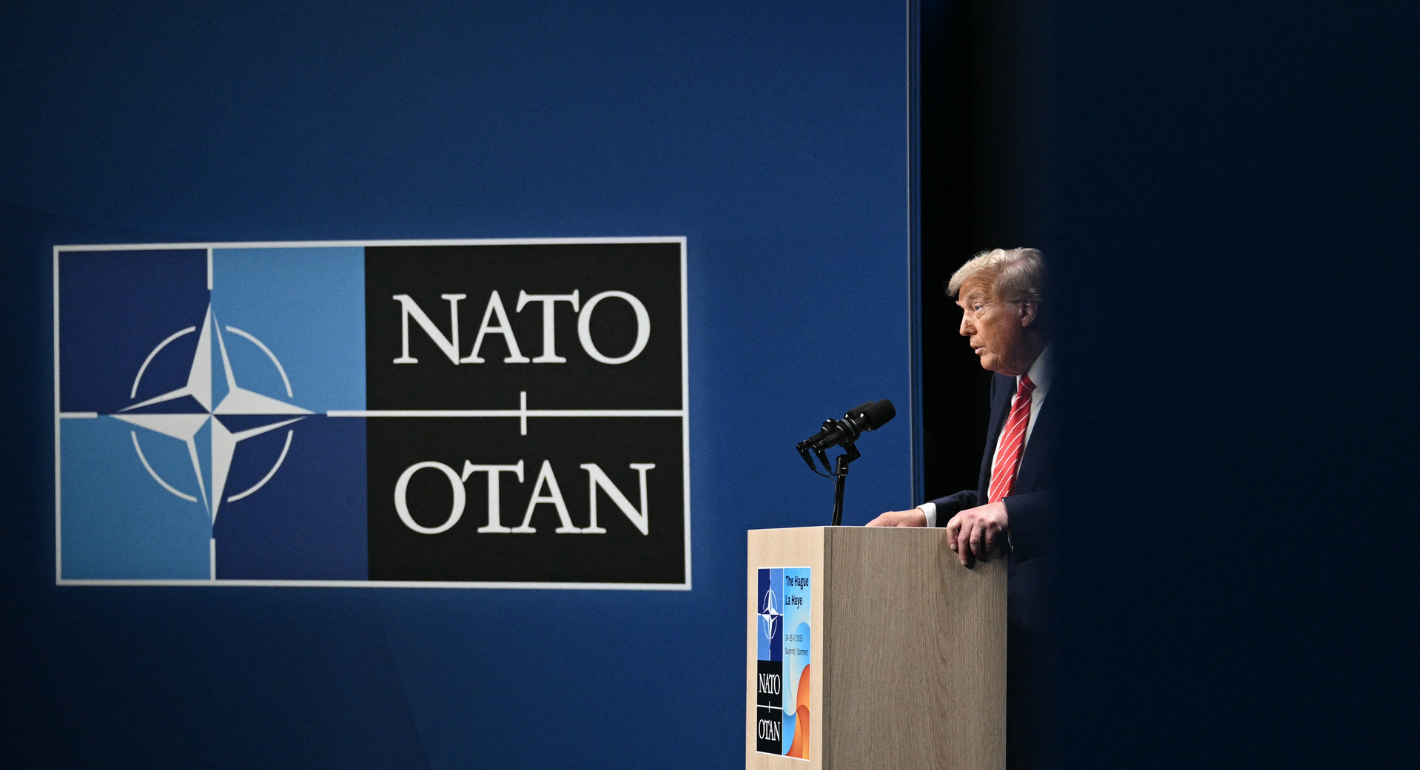
    Taking the Pulse: Can NATO Survive the Iran War?

    Donald Trump has repeatedly bashed NATO and European allies, threatening to annex Canada and Greenland and deploring their lack of enthusiasm for his war of choice in Iran. Is this latest round of abuse the final straw?

      • Rym Momtaz

      Rym Momtaz, ed.

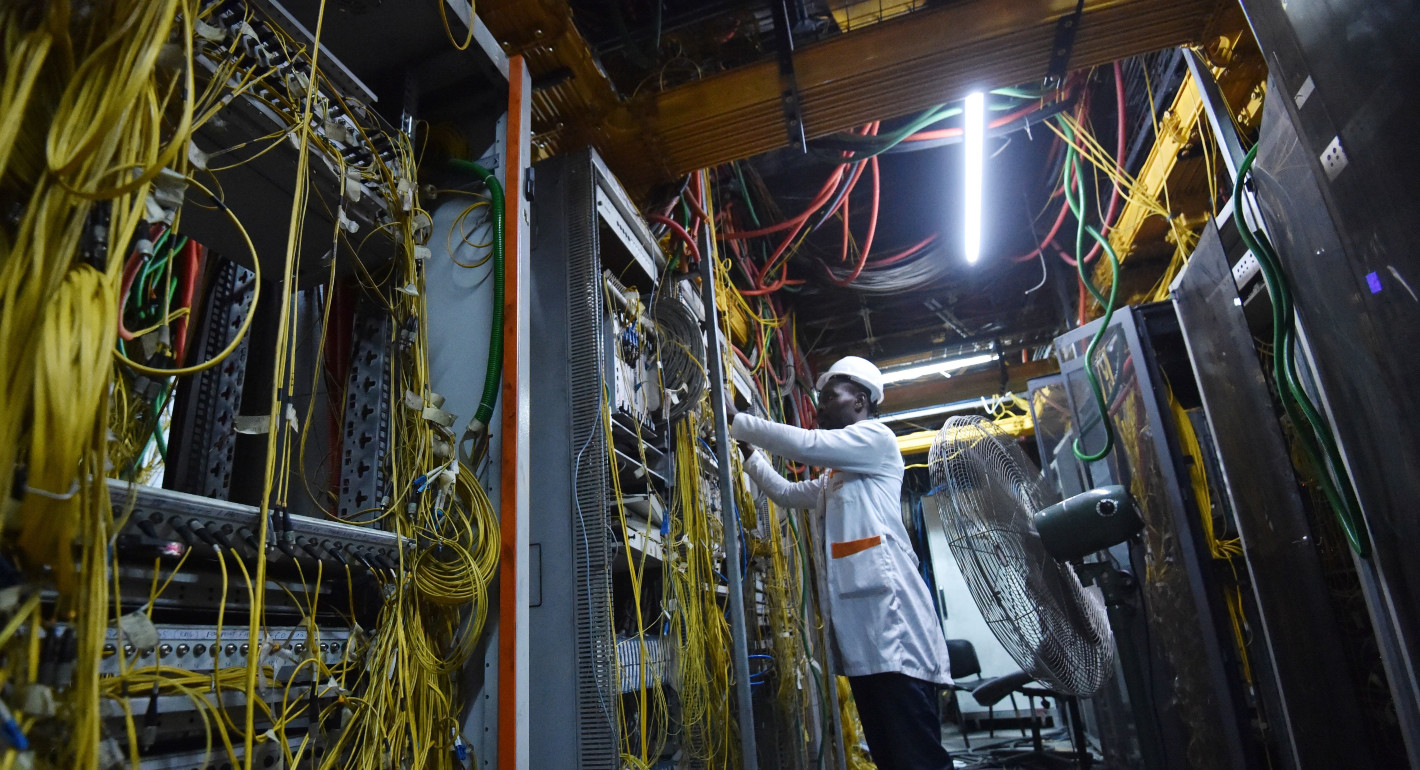
  • Photo of a man conducting repairs in a technical center, surrounded by wires.
    Article
    Africa’s Digital Infrastructure Imperative

    The Africa Technology Policy Tracker reveals policymakers’ priorities for the continent’s digital transformation.

      Jane Munga

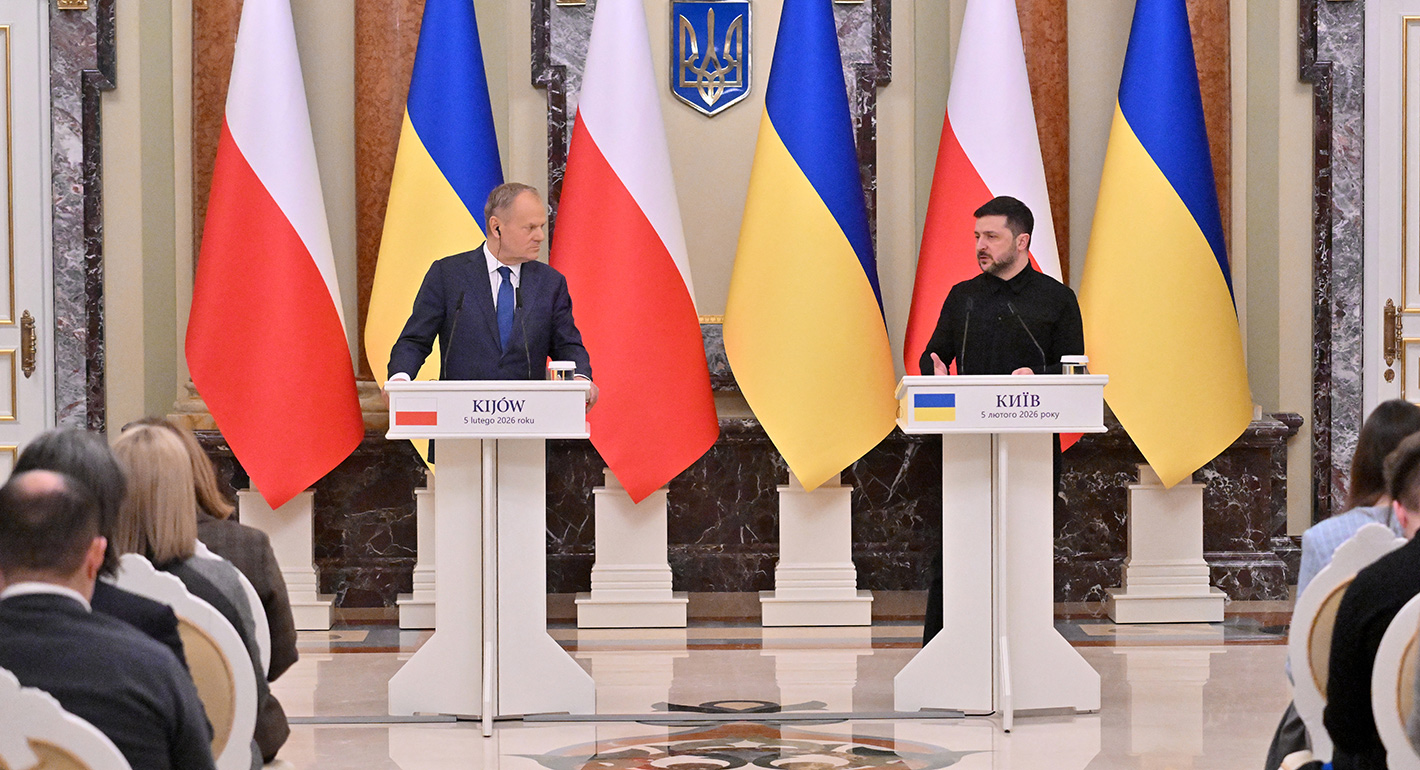
  • Ukraine's President Volodymyr Zelensky (R) and Poland's Prime Minister Donald Tusk attend a press conference at the Mariinskyi Palace in Kyiv on February 5, 2026, amid the Russian invasion of Ukraine.
    Article
    Kindred Nations, Uneasy Neighbors: Polish-Ukrainian Relations in the Crucible of Russia’s War

    The full-scale invasion cemented Ukraine’s determination to sever its ties with Russia; reimagining the Poland-Ukraine partnership can accelerate Kyiv’s westward alignment and improve the security of both countries.

      Eric Green

Get more news and analysis from
Carnegie Endowment for International Peace
Carnegie global logo, stacked
1779 Massachusetts Avenue NWWashington, DC, 20036-2103Phone: 202 483 7600Fax: 202 483 1840
  • Research
  • Emissary
  • About
  • Experts
  • Donate
  • Programs
  • Events
  • Blogs
  • Podcasts
  • Contact
  • Annual Reports
  • Careers
  • Privacy
  • For Media
  • Government Resources
Get more news and analysis from
Carnegie Endowment for International Peace
© 2026 Carnegie Endowment for International Peace. All rights reserved.