• Research
  • Emissary
  • About
  • Experts
Carnegie Global logoCarnegie lettermark logo
DemocracyIran
  • Donate
{
  "authors": [],
  "type": "legacyinthemedia",
  "centerAffiliationAll": "dc",
  "centers": [
    "Carnegie Endowment for International Peace",
    "Malcolm H. Kerr Carnegie Middle East Center"
  ],
  "collections": [],
  "englishNewsletterAll": "menaTransitions",
  "nonEnglishNewsletterAll": "",
  "primaryCenter": "Carnegie Endowment for International Peace",
  "programAffiliation": "MEP",
  "programs": [
    "Middle East"
  ],
  "projects": [],
  "regions": [
    "Middle East",
    "Iraq",
    "Gulf"
  ],
  "topics": [
    "Political Reform"
  ]
}

Source: Getty

In The Media

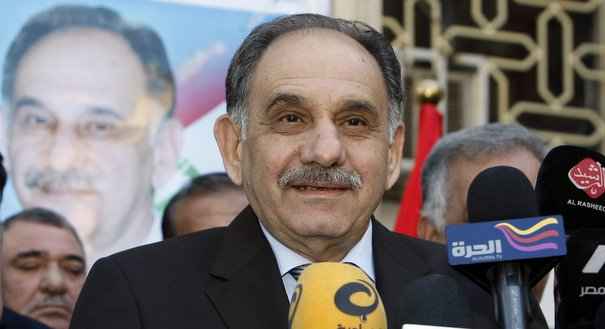
De-Baathification Decision Postponed Until After Election Results

While an ad hoc committee has lifted the ban barring candidates suspected of ties to Saddam Hussein’s Baath Party from participating in the Iraqi elections, it did not dismiss the charges against those candidates and is widely seen as the result of internal and external political pressures.

Link Copied
Published on Feb 4, 2010
Program mobile hero image

Program

Middle East

The Middle East Program in Washington combines in-depth regional knowledge with incisive comparative analysis to provide deeply informed recommendations. With expertise in the Gulf, North Africa, Iran, and Israel/Palestine, we examine crosscutting themes of political, economic, and social change in both English and Arabic.

Learn More

Source: Analysis of the 2010 Iraqi Parliamentary Elections

De-Baathification Decision Postponed Until After E
Editor's Note: Read updates on the JAC ban: February 10, 2010 and February 25, 2010.

On February 3, the ad hoc committee set up by the Iraqi parliament lifted the ban on the candidates previously barred from participating in the elections because they were suspected of ties to Saddam Hussein’s Baath Party. Still unconfirmed reports indicate that the committee was composed of four Shia Islamists, two Kurds, and a single Sunni Islamist, with no representation for the secular nationalists who were hit hardest by the ban. The committee did not dismiss the charges against the candidates, instead ruling that they be allowed to run in the elections. If successful, however, such candidates will not automatically take their seats in parliament. Instead, each case will be re-examined—it is unclear by whom—to determined whether that person’s ties to the Baath Party warrant exclusion from political life. The February 3 decision thus removes an obstacle to the elections in the short run—some parties were threatening to call for a boycott of the vote—but could create an even more dangerous crisis later if candidates chosen by the voters are disqualified from serving . 
 
The lifting of the ban is the result of internal and external political pressures. President Jalal Talabani raised questions about the legality of the Justice and Accountability Commission, which originally banned the candidates; U.S. Vice President Joe Biden flew to Baghdad to urge a compromise that would allow the elections to proceed as scheduled. The decision has already been greeted by a chorus of protest in Baghdad, with many accusing the United States of interference and even calling into question the legality of the reversal. There is no doubt that political rather than legal considerations played the key role in the decision to lift the bans.
 
 
Political ReformMiddle EastIraqGulf

Carnegie does not take institutional positions on public policy issues; the views represented herein are those of the author(s) and do not necessarily reflect the views of Carnegie, its staff, or its trustees.

More Work from Carnegie Endowment for International Peace

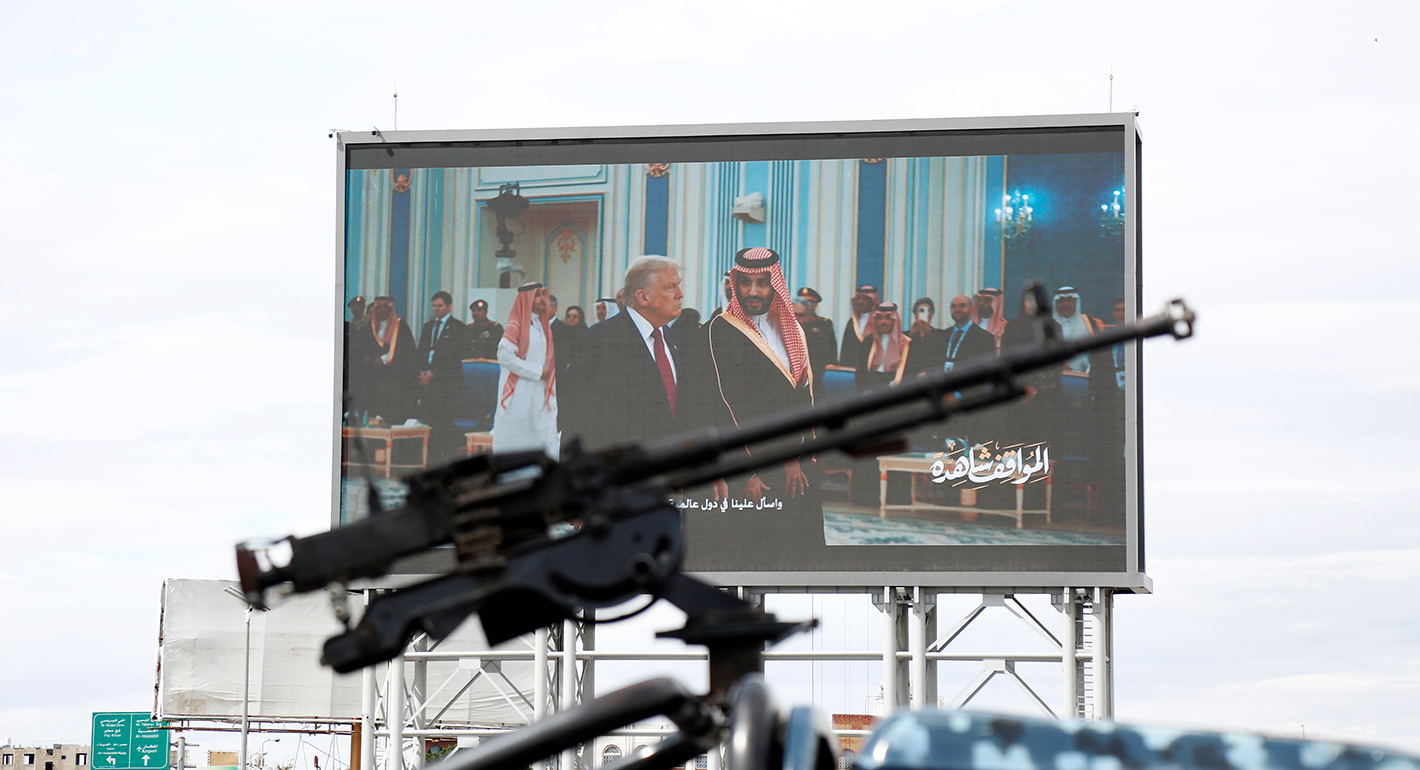
  •  A machine gun of a Houthi soldier mounted on a police vehicle next to a billboard depicting the U.S. president Donald Trump and Mohammed Bin Salman, the Crown Prince and Prime Minister of Saudi Arabia, during a protest staged to show support to Iran against the U.S.-Israel war on March 27, 2026 in Sana'a, Yemen.
    Collection
    The Iran War’s Global Reach

    As the war between the United States, Israel, and Iran continues, Carnegie scholars contribute cutting-edge analysis on the events of the war and their wide-reaching implications. From the impact on Iran and its immediate neighbors to the responses from Gulf states to fuel and fertilizer shortages caused by the effective shutdown of the Strait of Hormuz, the war is reshaping Middle East alliances and creating shockwaves around the world. Carnegie experts analyze it all.
  •  A machine gun of a Houthi soldier mounted on a police vehicle next to a billboard depicting the U.S. president Donald Trump and Mohammed Bin Salman, the Crown Prince and Prime Minister of Saudi Arabia, during a protest staged to show support to Iran against the U.S.-Israel war on March 27, 2026 in Sana'a, Yemen.
    Article
    Amid Iran War, Gulf Countries Slow the Pace of Reforms

    The return of war as the organizing factor in Middle Eastern politics has predictable consequences: governments are prioritizing regime stability and becoming averse to political and social reform.

      • Sarah Yerkes

      Sarah Yerkes, Amr Hamzawy

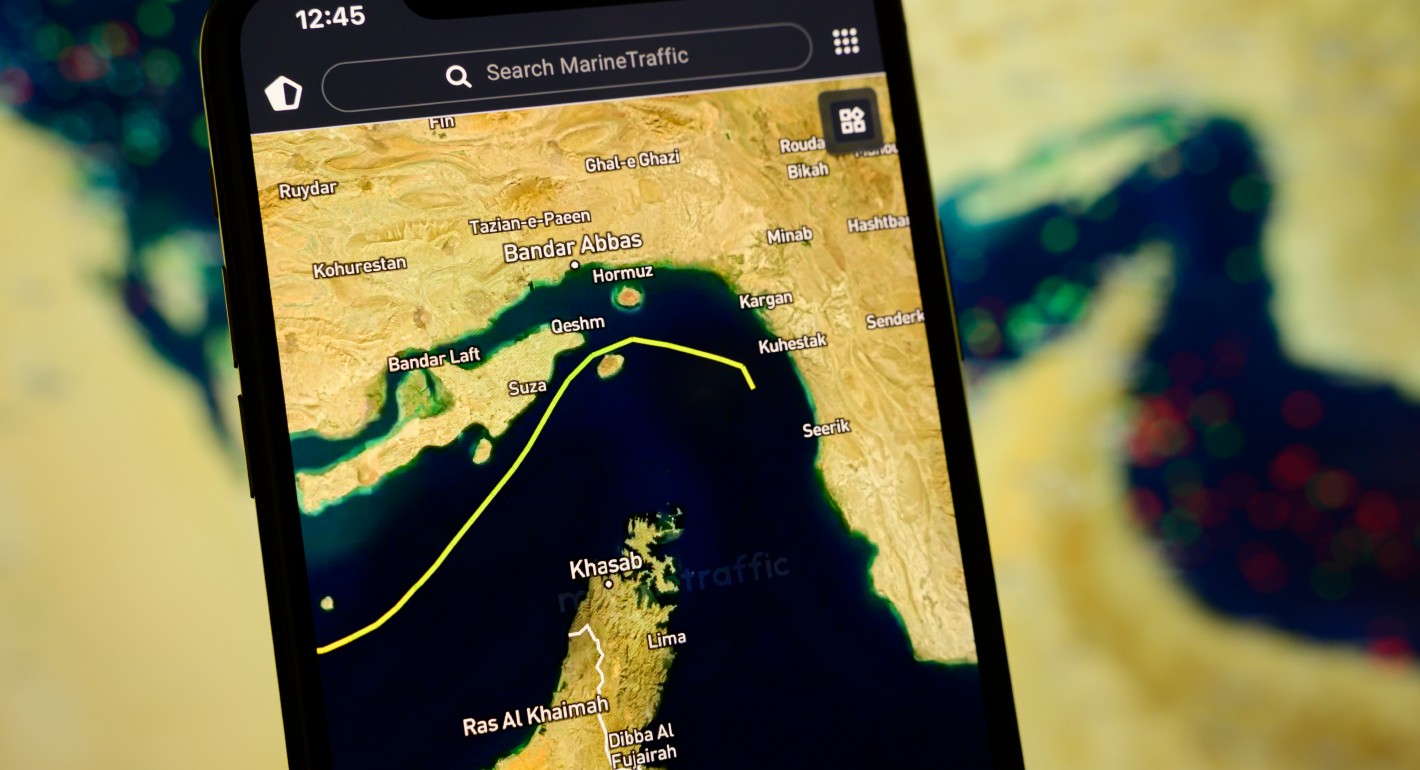
  • Map of Hormuz shipping traffic on a smartphone screen
    Commentary
    Emissary
    “It’s Not Like Turning a Switch On and Off”

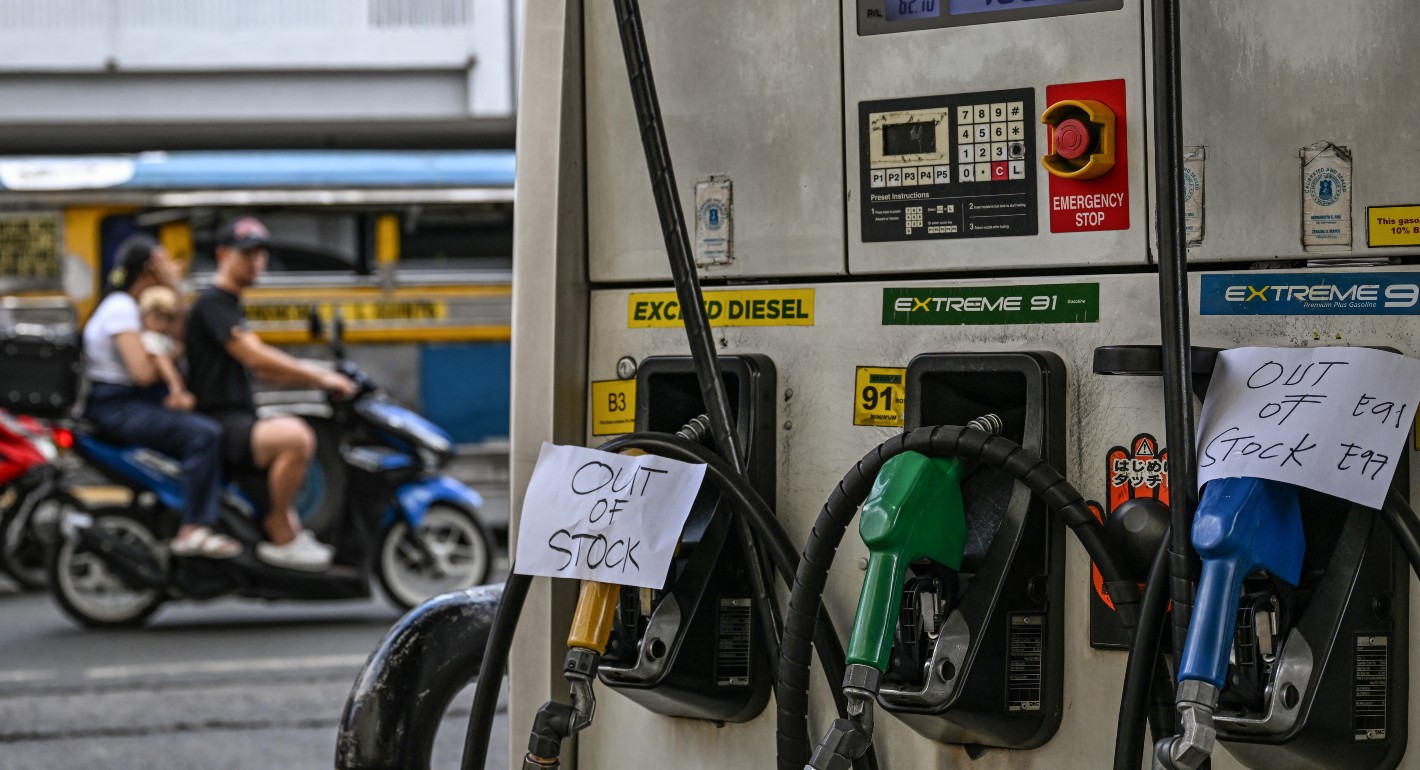
    Why the Iran ceasefire isn’t a quick fix to the Strait of Hormuz energy crisis.

      Helima Croft, Aaron David Miller

  • Commentary
    Diwan
    The United States and Iran Have Agreed to a Two-Week Ceasefire

    Spot analysis from Carnegie scholars on events relating to the Middle East and North Africa.

      Michael Young

  • Commentary
    Emissary
    The Iran War Is Uncovering the Weakness in U.S.-Gulf Ties

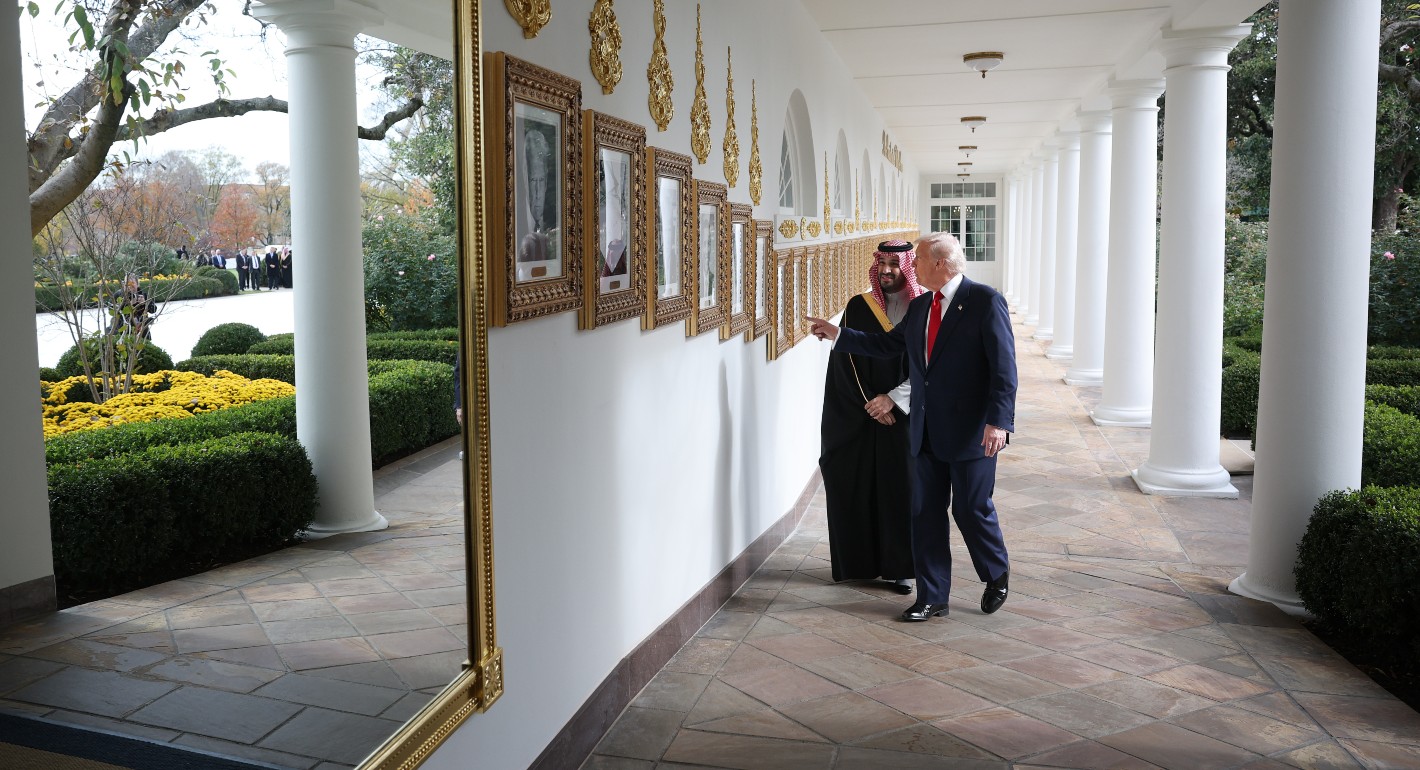
    Neither the Abraham Accords nor the presence of large U.S. bases are enough to protect Arab Gulf states.

      Marwan Muasher

Get more news and analysis from
Carnegie Endowment for International Peace
Carnegie global logo, stacked
1779 Massachusetts Avenue NWWashington, DC, 20036-2103Phone: 202 483 7600Fax: 202 483 1840
  • Research
  • Emissary
  • About
  • Experts
  • Donate
  • Programs
  • Events
  • Blogs
  • Podcasts
  • Contact
  • Annual Reports
  • Careers
  • Privacy
  • For Media
  • Government Resources
Get more news and analysis from
Carnegie Endowment for International Peace
© 2026 Carnegie Endowment for International Peace. All rights reserved.