

Commentary
Despite public disputes over trade and immigration, the strategic partnership’s foundations remain sturdy.
Sameer Lalwani

Source: Getty
Confronted with structural weaknesses, external shocks, and the Ahmadinejad administration's gross mismanagement of the economy, Iran is facing its bleakest economic prospects in nearly two decades.
The Iranian economy is facing its bleakest prospects in nearly two decades, with an almost unanimous forecast of low growth, high inflation, and continued double-digit unemployment. These worsening economic conditions, in turn, are likely to place considerable stress on internal politics, leading to strikes, protests, and business bankruptcies, and encouraging further emigration and capital flight. Persistent structural weaknesses and the Ahmadinejad administration’s gross mismanagement of the economy are largely at fault for the economy’s dysfunction, but recent external developments—including Western banks and industrial companies’ reduced exposure to Iran, possible new sanctions, and increasing transaction costs—are also damaging the economic climate.
The dim outlook reflects both a number of structural weaknesses that developed since the 1979 revolution and the Ahmadinejad government’s avowed “anti-liberalist” and “anti-capitalist” economic mismanagement and bellicose anti-Western posture.
Structurally, Iran’s economy remains largely state-owned and controlled, poorly taxed, highly subsidized, and hazardously reliant on crude oil export. In addition, the economy continues to follow a lopsided economic model reminiscent of the former Soviet Union’s.
Despite the leadership’s repeated emphasis on the need for privatization and a favorable reinterpretation of the Constitution, the government and state-affiliated entities continue to own, manage, or control some 70 percent of the economy, with the Islamic Revolutionary Guard Corps (IRGC) making increasing inroads into such strategic areas as oil and gas, infrastructure, telecommunications, missile development, nuclear energy, and even some unsavory operations.
While the Islamic Republic now ranks high among a handful of nations in some high-tech endeavors, its traditional economic activities continue to rely on nineteenth century technologies.
Taxes constitute at best only 7 percent of GDP, with more than 50 percent of the economy legally tax-exempt, and the rest engaging in tax evasion. Subsidies to both consumers and producers amount to nearly 25 percent of the national product.
Receipts from oil and gas exports—the economy’s lifeblood—constitute more than 80 percent of total annual foreign exchange earnings, and 70 percent of the government’s fiscal budget. The presence of oil resources raises the cost of labor, housing, and various services. Non-oil exports are stifled by their sectors’ competitive disadvantage and economic diversification becomes even more arduous.
Public investment prioritizes nuclear energy, space exploration, defense gear, and exotic nanotechnology over agriculture, industry, public transportation, and environmental protection. As a result, while the Islamic Republic now ranks high among a handful of nations in some high-tech endeavors—and in Ahmadinejad’s boastful description, is a “nuclear state”—its traditional economic activities continue to rely on nineteenth century technologies. By various estimates, a hidden underground economy also accounts for some 20 percent of formal GDP.
In addition to suffering from these growth-impeding structural weaknesses, the economy is also grossly mismanaged. The Ahmadinejad administration’s blatant and boastful disregard of economic realities, misguided populism, crony capitalism, and growing militarization, on top of biting external sanctions, have established a dysfunctional economic environment and are worsening the business climate. The public sector, plagued by nepotism and widely-publicized corruption, lacks competent managers. Periodic reports by the Heritage Foundation, Freedom House, and Transparency International paint a highly unfavorable picture of Iran’s strait-jacketed economy.
On top of all of this, the exchange rate for the rial has been kept relatively stable even as inflation has continued to register double digits every year. The overvalued currency has increased imports to unprecedented levels, bankrupting thousands of domestic producers.
The Ahmadinejad administration has established a dysfunctional economic environment and is worsening the business climate.
This combination of structural weaknesses and glaring mismanagement has exposed the economy to “stagflation,” a simultaneous combination of inflation and recession. Real GDP growth has been declining every year since 2005/2006—when Ahmadinejad first took office—falling to less than 1.5 percent in 2009/2010. Official data also show an all around decline in capital, labor, and total factor productivity, with some 20 percent of the population now below the national poverty line.
Inflation has been an endemic feature since the revolution. Except for a few years of strict wage and price controls during the Iran–Iraq war, it has steadily registered double-digits. Iran’s current inflation rate is the highest in the region, and arguably third highest in the world. The latest official inflation rate is 12.2 percent, but private estimates place it at more than 20 percent due to differences in consumption baskets and methods of calculation, gaps between official and free-market prices, and data manipulation by officials. With the Iranian New Year—and the associated end-of-the-year bonuses and rising consumer expenditures—approaching, prices are expected to rise further.
Increasing injection of record oil export receipts into the low-capacity national economy, public investment in low-return but politically popular development projects, mandated loans to so-called “quick-return” projects for job creation, and generous bank lending for home purchases, marriages, and other consumer needs are all responsible for the inflation.
However, the government’s perennial budget deficit, which is financed by the state banking system and has been a prominent feature of all but four post-revolution years, tops the list. In the last four years, total liquidity has more than doubled. The government’s debt to the banking system (state banks and the Central Bank) and the banking system’s debt to the Central Bank have both increased substantially. At the same time, non-performing assets of the state banks have reached record levels, and nearly 7000 businesses have failed to service their debts.
Protracted unemployment is an important symptom of the weak business climate. Official jobless data are highly unreliable, as numbers published by different agencies differ considerably. Official figures are always on the low side, while pro-labor quarters give higher numbers. The current official rate is 12 percent; private estimates go twice as high. The Statistical Center’s claims of declining unemployment in recent months, which are frequently disputed, rely on the innovative assumptions that even one hour of work per week constitutes employment and that students and housewives are “employed”—thus equating occupation with employment.
The worsening economic conditions are likely to place considerable stress on internal politics.
Reasons for the high unemployment range from the disastrous pro-natal policy of the 1980s wartime administration to the mismatch between the skills provided by education and those needed for employment to a defective pro-labor code that discourages long-term employment contracts. However, Ahmadinejad’s bewildering policy of reducing lending interest rates below inflation while adjusting minimum wage rates to the annual increase in consumer prices—thus encouraging investment in capital-intensive projects over those in labor—is a major culprit.
The worsening economic conditions are likely to place considerable stress on internal politics: energizing the “greens” movement, provoking strikes by disgruntled and unpaid workers; giving rise to massive protests by university campus activists; and leading to further exodus of talent and capital, as well as a spate of business bankruptcies.
While the somber trend line and the economy’s poor prospects may still fail to fulfill the wishes of democracy advocates at home (and their supporters abroad), hoping for a “regime change,” such factors as reduced foreign exchange reserves, uncertain oil prices, an overvalued exchange rate, looming external pressures, and internal political exigencies are bound to drastically affect President Ahmadinejad’s major economic policies, if not his bombastic rhetoric, in the coming year.
Jahangir Amuzegar, former minister of commerce, minister of finance, and ambassador-at-large in Iran, is an international economic consultant. He has also represented Iran and other several other member countries on the IMF’s Executive Board.
Jahangir Amuzegar
Carnegie does not take institutional positions on public policy issues; the views represented herein are those of the author(s) and do not necessarily reflect the views of Carnegie, its staff, or its trustees.

Despite public disputes over trade and immigration, the strategic partnership’s foundations remain sturdy.

Sameer Lalwani
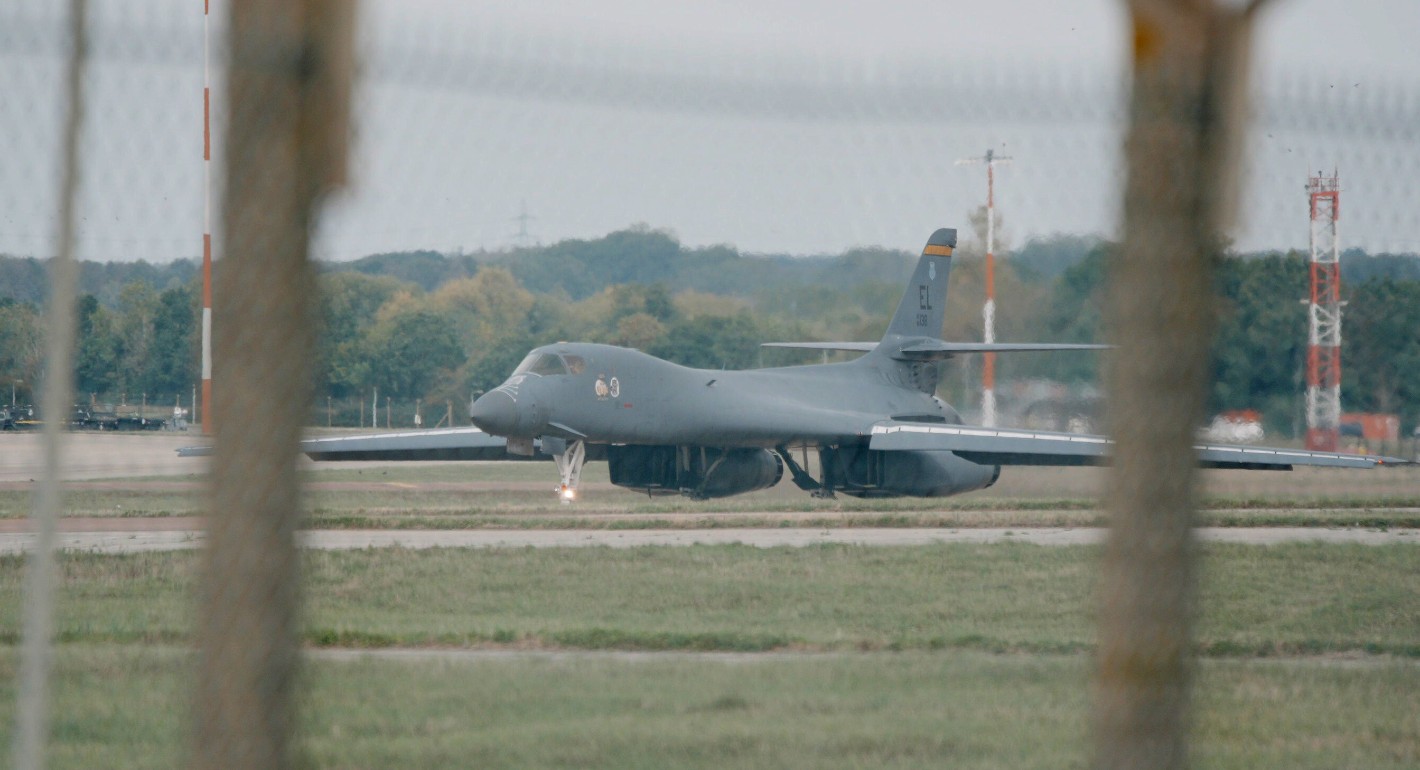
It signals a new era of tech diffusion and warfare.

Steve Feldstein

With its public finances in shambles, the far right polling at 35 percent ahead of the 2027 presidential election, and a growing protest movement, is France’s crisis a threat to the EU’s geopolitical awakening?

Rym Momtaz, ed.

Russian strikes are weakening the economy sustaining Ukraine’s war effort. Closing the growing funding gap will require more European support and politically contentious reforms in Kyiv.

Balázs Jarábik
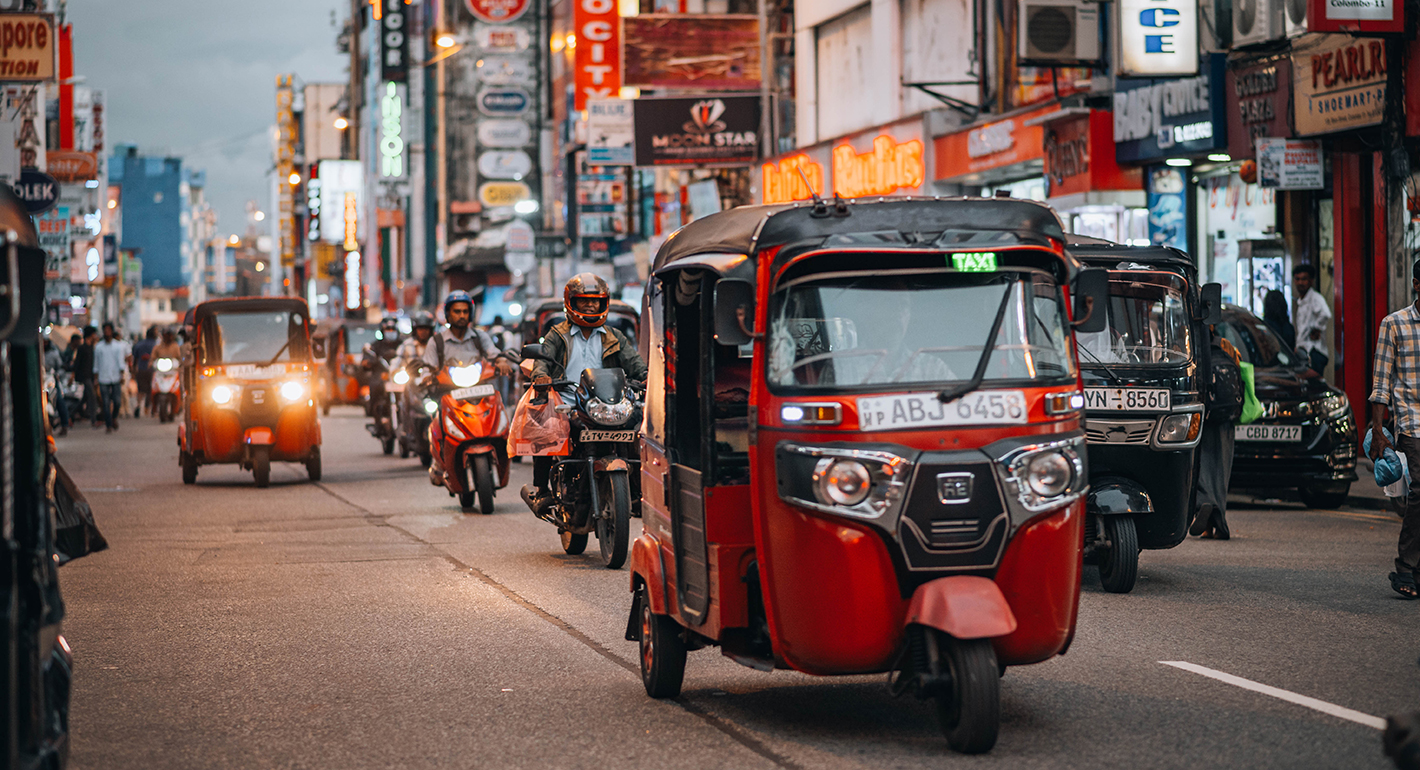
Economic recovery has brought Sri Lanka a modicum of stability, but domestic strains and great-power rivalry could test how long it lasts.
Avinash Paliwal