• Research
  • Emissary
  • About
  • Experts
Carnegie Global logoCarnegie lettermark logo
DemocracyIran
  • Donate
{
  "authors": [],
  "type": "pressRelease",
  "centerAffiliationAll": "dc",
  "centers": [
    "Carnegie Endowment for International Peace"
  ],
  "collections": [],
  "englishNewsletterAll": "ctw",
  "nonEnglishNewsletterAll": "",
  "primaryCenter": "Carnegie Endowment for International Peace",
  "programAffiliation": "SAP",
  "programs": [
    "South Asia"
  ],
  "projects": [],
  "regions": [
    "South Asia",
    "Afghanistan",
    "Pakistan"
  ],
  "topics": [
    "Security"
  ]
}
REQUIRED IMAGE

REQUIRED IMAGE

Press Release

Expert: Recent arrests represent only tactical changes in Pakistan’s counterterrorism policy

Recent arrests of high profile Afghan Taliban leaders by Pakistan do not indicate a strategic change in Pakistan’s counterterrorism strategy. In reality, Pakistan wants to assume a leading role in negotiating and reconciling with the Afghan Taliban to ensure a friendlier neighbor after the United States withdraws.

Link Copied
Published on Mar 24, 2010
Program mobile hero image

Program

South Asia

The South Asia Program informs policy debates relating to the region’s security, economy, and political development. From strategic competition in the Indo-Pacific to India’s internal dynamics and U.S. engagement with the region, the program offers in-depth, rigorous research and analysis on South Asia’s most critical challenges.

Learn More

WASHINGTON, Mar 24—Recent arrests of high profile Afghan Taliban leaders by Pakistan do not indicate a strategic change in Pakistan’s counterterrorism strategy. In reality, Pakistan wants to assume a leading role in negotiating and reconciling with the Afghan Taliban to ensure a friendlier neighbor after the United States withdraws, concludes a new paper by Ashley J. Tellis.

Key conclusions:

  • Despite the arrests of Mullah Beradar and other Taliban leaders (which were either inadvertent or self-serving), Pakistan’s overall strategy of protecting the Afghan Taliban leadership has not changed.
  • Pakistan is threatened by the 2011 drawdown of U.S. troops from Afghanistan, which it believes will leave behind an Afghan state with strong ties to its rival India.
  • A true change in Pakistan’s strategic calculations requires Islamabad to accept that the Taliban—and not India—is the greatest threat to success in Afghanistan.
  • The lack of U.S. leadership at the January London conference on Afghanistan allowed reconciliation with the Taliban to become a centerpiece of the endgame of international involvement.
  • Pakistan’s recent arrests of a few Taliban leaders is meant to exert control over the reconciliation process that Pakistan believes is imminent.

“The recent seizures of a few Taliban leaders by Pakistan isn’t much of a turning point in Islamabad’s traditional strategy after all,” writes Tellis.

###


NOTES

  • Click here to read the paper online
  • Ashley Tellis is a senior associate in the Carnegie South Asia program. He specializes in international security, defense, and Asian strategic issues and helped the U.S. State Department negotiate the civil nuclear agreement with India. Previously, he was a senior adviser to the U.S. ambassador to India and was a special assistant to the president and senior director for strategic planning and Southwest Asia in the National Security Council.
  • The Carnegie South Asia Program offers in-depth expertise on a range of issues relating to South Asia, including nonproliferation, international security, and political and economic development.
  • Press Contact: David Kampf, 202/939-2233, dkampf@ceip.org
SecuritySouth AsiaAfghanistanPakistan

Carnegie does not take institutional positions on public policy issues; the views represented herein are those of the author(s) and do not necessarily reflect the views of Carnegie, its staff, or its trustees.

More Work from Carnegie Endowment for International Peace

  • Article
    India’s Oil Security Strategy: Structural Vulnerabilities and Strategic Choices

    This piece argues that the present Indian strategy, based on opportunistic diversification and utilization of limited strategic reserves, remains inadequate when confronting supply disruptions. It evaluates India’s options in the short, medium, and long terms.

      Vrinda Sahai

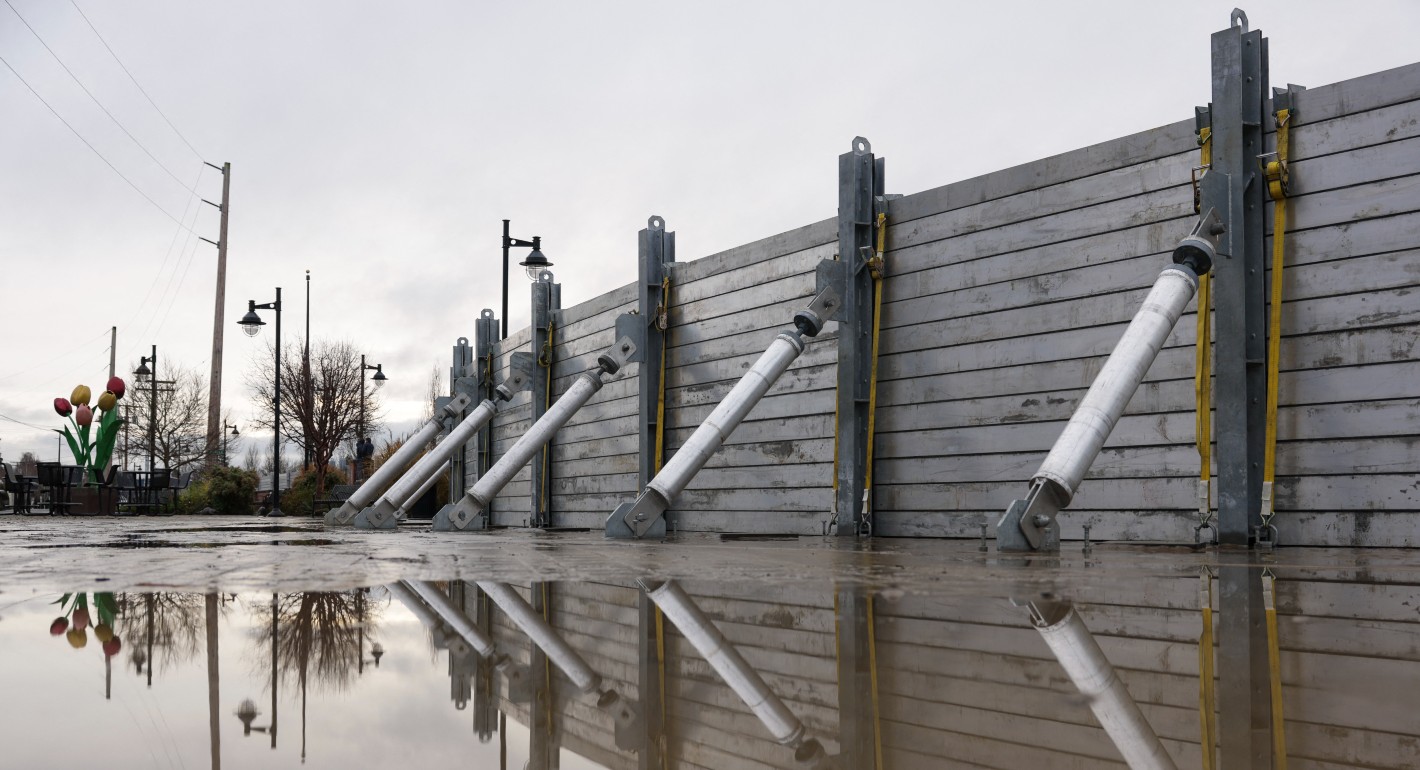
  • flood wall
    Commentary
    Emissary
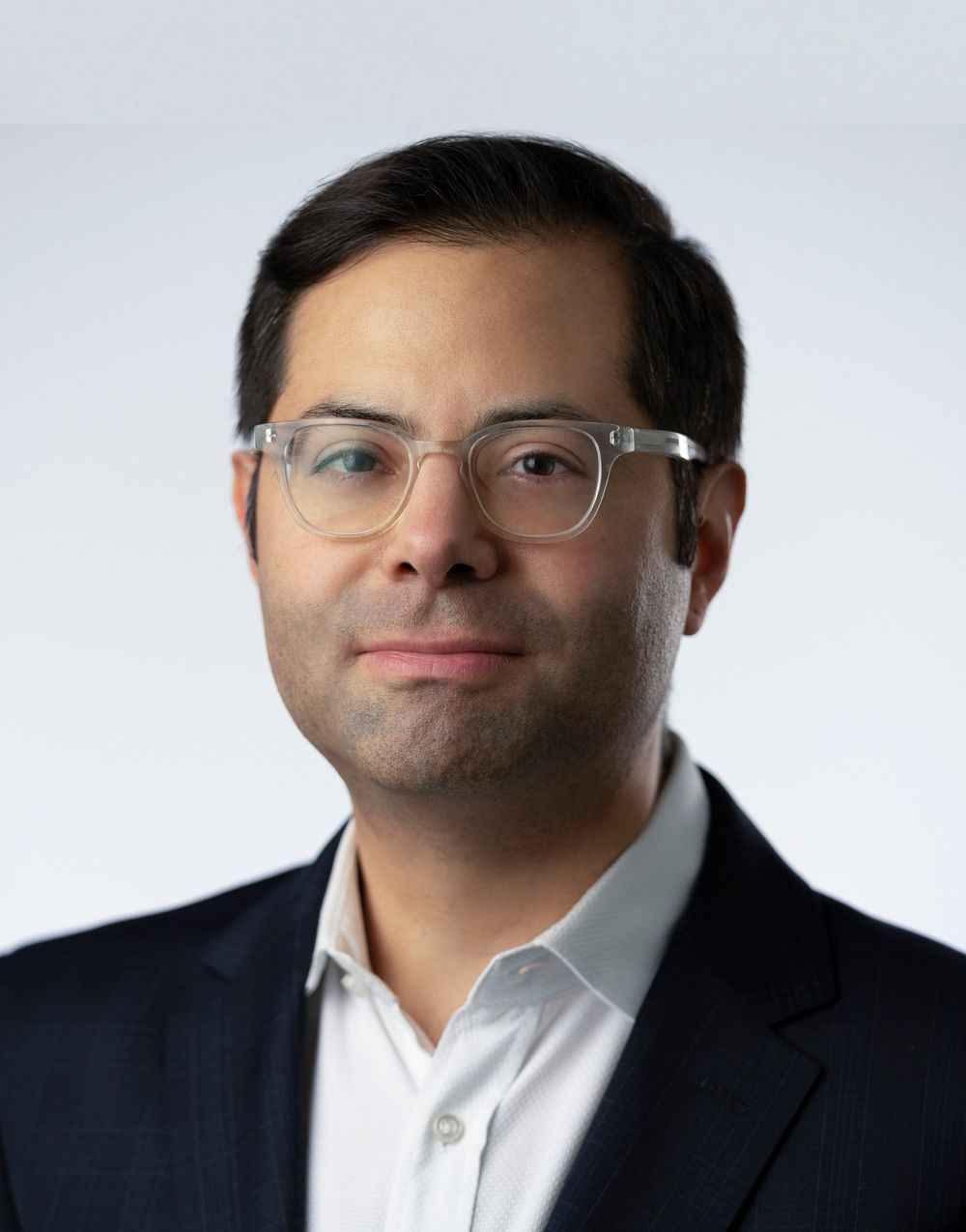
    BRIC Is Critical for U.S. National Security. After a Yearlong Legal Battle, It’s Back.

    Its reinstatement should be celebrated, but it retains some major shortcomings.

      Leonardo Martinez-Diaz

  • Article
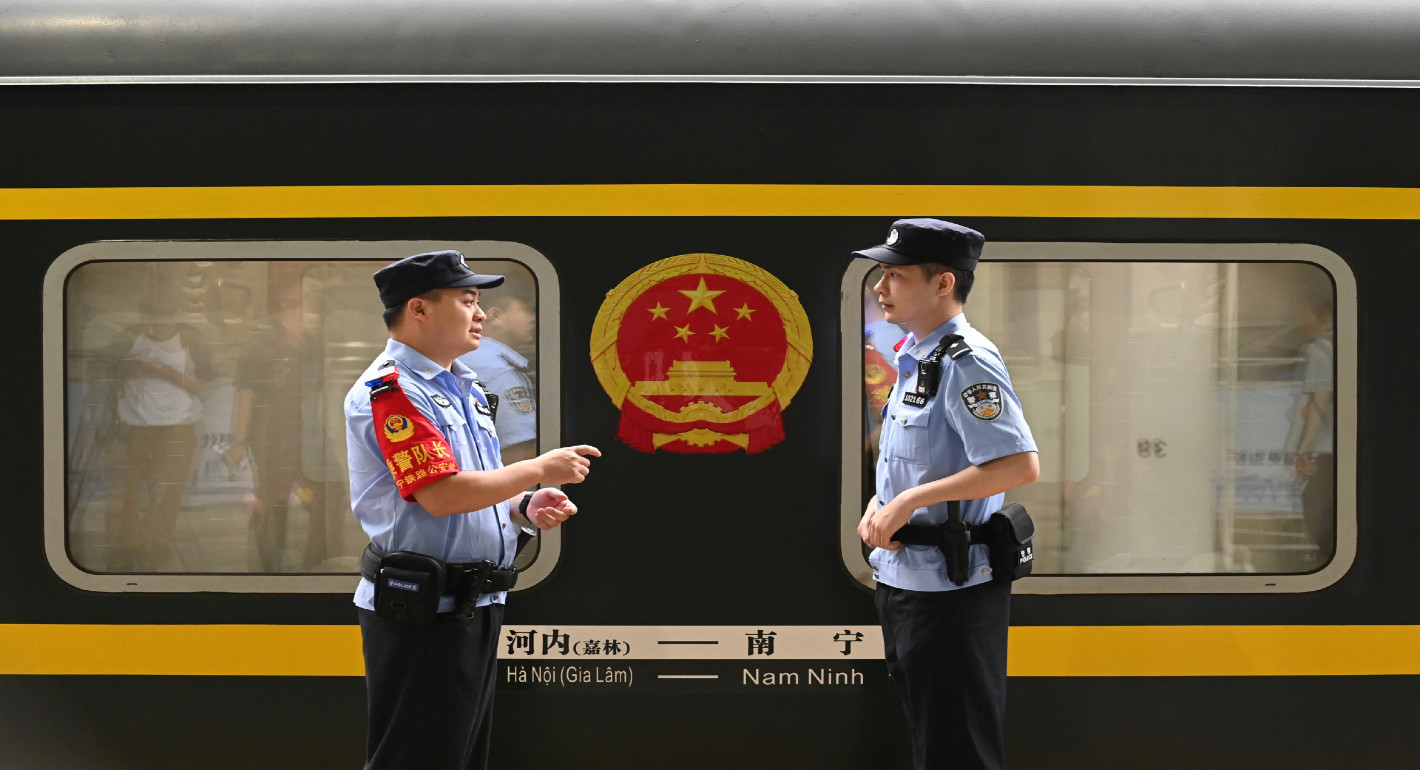
    Leveraging Internal Security Cooperation with Vietnam Offers a Glimpse of Future Chinese Diplomacy with Southeast Asia

    Despite long-standing differences, China and Vietnam are reinforcing common ground for collaboration, especially in public security. This internal security–centered diplomacy offers a strengthened road map for how China moves forward with Southeast Asia.

      Sophie Zhuang

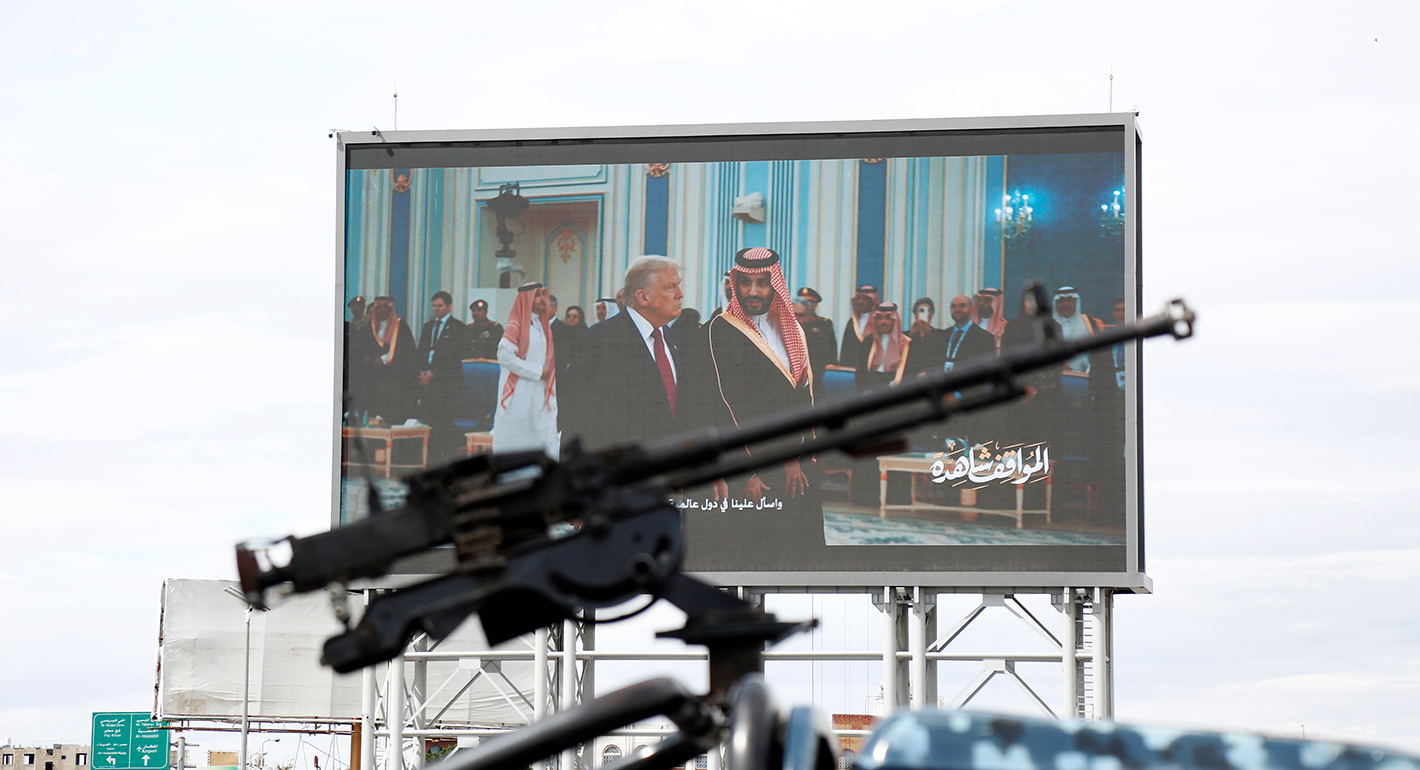
  •  A machine gun of a Houthi soldier mounted on a police vehicle next to a billboard depicting the U.S. president Donald Trump and Mohammed Bin Salman, the Crown Prince and Prime Minister of Saudi Arabia, during a protest staged to show support to Iran against the U.S.-Israel war on March 27, 2026 in Sana'a, Yemen.
    Collection
    The Iran War’s Global Reach

    As the war between the United States, Israel, and Iran continues, Carnegie scholars contribute cutting-edge analysis on the events of the war and their wide-reaching implications. From the impact on Iran and its immediate neighbors to the responses from Gulf states to fuel and fertilizer shortages caused by the effective shutdown of the Strait of Hormuz, the war is reshaping Middle East alliances and creating shockwaves around the world. Carnegie experts analyze it all.

  • Commentary
    Strategic Europe
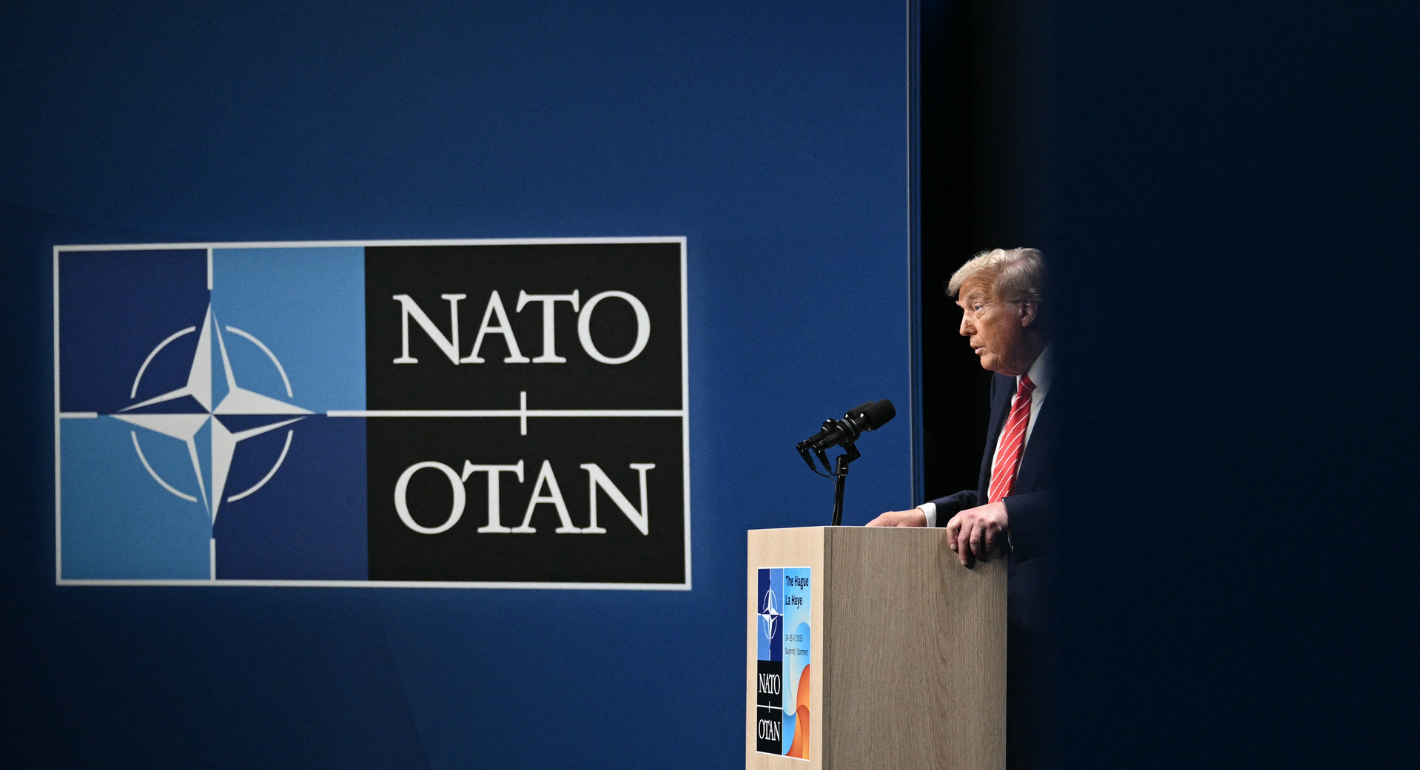
    Taking the Pulse: Can NATO Survive the Iran War?

    Donald Trump has repeatedly bashed NATO and European allies, threatening to annex Canada and Greenland and deploring their lack of enthusiasm for his war of choice in Iran. Is this latest round of abuse the final straw?

      • Rym Momtaz

      Rym Momtaz, ed.

Get more news and analysis from
Carnegie Endowment for International Peace
Carnegie global logo, stacked
1779 Massachusetts Avenue NWWashington, DC, 20036-2103Phone: 202 483 7600Fax: 202 483 1840
  • Research
  • Emissary
  • About
  • Experts
  • Donate
  • Programs
  • Events
  • Blogs
  • Podcasts
  • Contact
  • Annual Reports
  • Careers
  • Privacy
  • For Media
  • Government Resources
Get more news and analysis from
Carnegie Endowment for International Peace
© 2026 Carnegie Endowment for International Peace. All rights reserved.