• Research
  • Emissary
  • About
  • Experts
Carnegie Global logoCarnegie lettermark logo
DemocracyIran
  • Donate
Millennium Challenge Corporation: Can the Experiment Survive?

Source: Getty

Paper

Millennium Challenge Corporation: Can the Experiment Survive?

The Millennium Challenge Corporation is a valuable U.S. development tool that could reach its full potential if protected from Washington’s emphasis on short-term political victories.

Link Copied
By John Hewko
Published on Mar 29, 2010

Additional Links

Full TextExecutive Summary
Program mobile hero image

Program

Democracy, Conflict, and Governance

The Democracy, Conflict, and Governance Program is a leading source of independent policy research, writing, and outreach on global democracy, conflict, and governance. It analyzes and seeks to improve international efforts to reduce democratic backsliding, mitigate conflict and violence, overcome political polarization, promote gender equality, and advance pro-democratic uses of new technologies.

Learn More

The Millennium Challenge Corporation is an unique and valuable U.S. development tool that could reach its full potential if protected from Washington’s emphasis on short-term political victories.

Key Conclusions:

  • By making significant funding available to countries that pursue good governance, invest in health and education, and adopt sound economic policies, the Millennium Challenge Corporation (MCC) has performed admirably since it was established in 2004.
     
  • The goals of the MCC reflect core American values that, if properly explained and marketed, would resonate with most Americans. Only countries with good policies and proven results are eligible for funding. 
     
  • The MCC’s creation stemmed from a half century of mixed results from international development programs and growing understanding that aid works best when countries undertake meaningful economic and political reform.
     
  • With an unprecedented amount of transparency, the MCC’s selection process for recipient countries has fostered competition among countries and encouraged their leaders to make meaningful policy changes.
     
  • MCC compacts generate significant goodwill in recipient countries, build technical expertise and capacity, and advance U.S. foreign policy objectives.

Recommendations for U.S. Policy Makers:

  • Avoid Washington’s “business as usual” approach:  An attempt to institute earmarks and buy American provisions in MCC compacts would contradict MCC’s goal of encouraging recipient country ownership.
     
  • Maintain MCC’s independence: The agency’s success depends on its insulation from the short-term political pressures of the State Department and other agencies. Ongoing reviews of the U.S. foreign aid structure (including the Quadrennial Diplomacy and Development Review) should recognize that merging MCC into State or USAID would alter its core goals.
     
  • Get serious about foreign assistance: Foreign aid makes up significantly less than 1 percent of the U.S. annual budget. Lacking a domestic constituency, the push for foreign assistance will have to come from within Congress and from the executive branch.
     
  • Take a long-term view: Funding tied to immediate results doesn’t allow the MCC to pursue projects that carry a risk of failure but could have a big payoff down the road.
     
  • Remove funding restrictions: The MCC is banned from giving more than 25 percent of its funds to low-middle-income countries—an unnecessarily strict requirement that prevents the United States from helping countries with severe poverty challenges.

About the Author

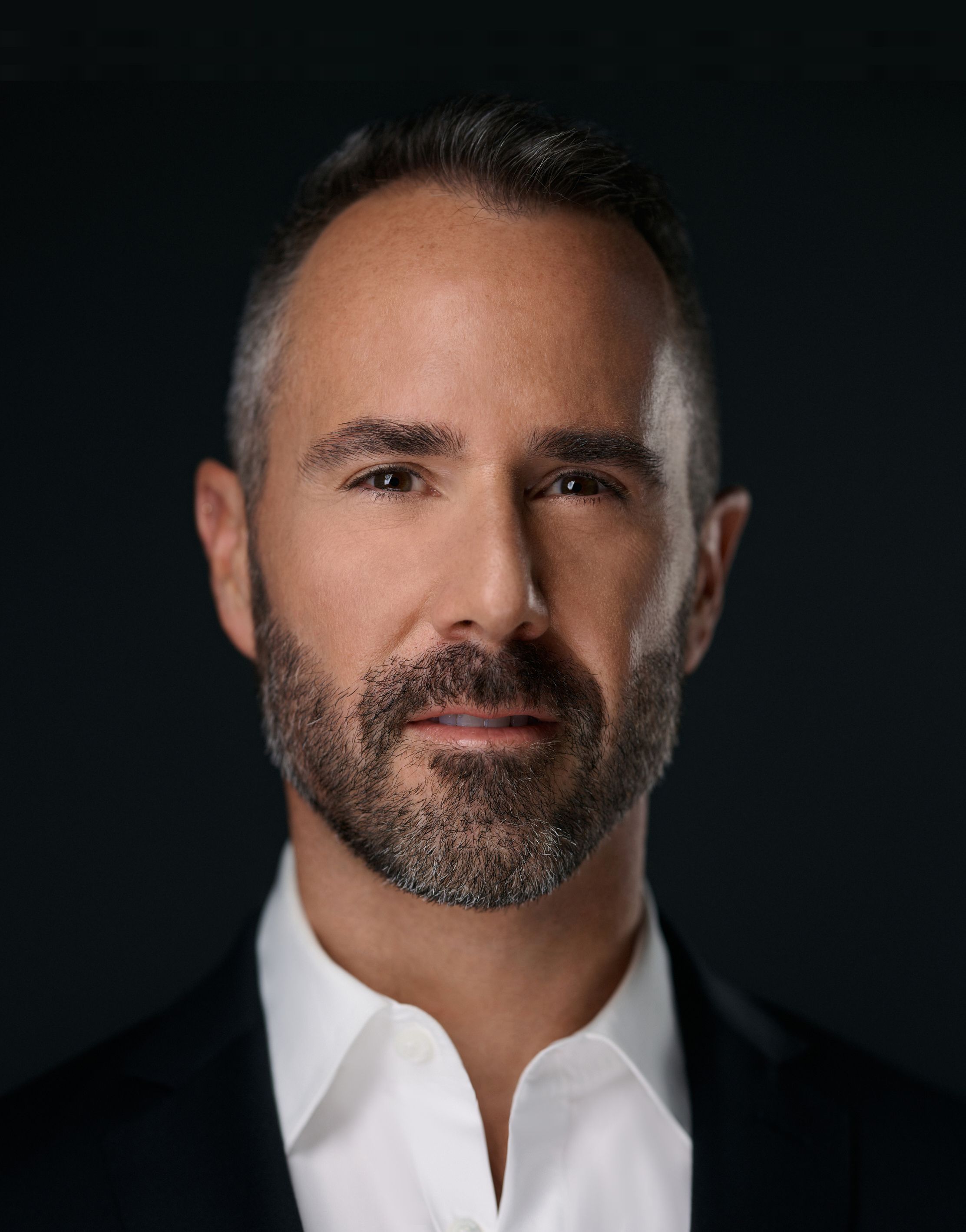
John Hewko

Former Nonresident Senior Associate, Democracy and Rule of Law Program

Hewko was a nonresident senior associate with the Carnegie Endowment’s Democracy and Rule of Law Program. His research focuses on international development issues, democracy promotion, and the countries of the former Soviet Union.

    Recent Work

  • Q&A
    Ukraine's New Direction

      John Hewko

  • Paper
    Foreign Direct Investment: Does the Rule of Law Matter?

      John Hewko

John Hewko
Former Nonresident Senior Associate, Democracy and Rule of Law Program
North AmericaUnited StatesEconomyForeign Policy

Carnegie does not take institutional positions on public policy issues; the views represented herein are those of the author(s) and do not necessarily reflect the views of Carnegie, its staff, or its trustees.
More Work from Carnegie Endowment for International Peace

  • Map of Hormuz shipping traffic on a smartphone screen
    Commentary
    Emissary
    “It’s Not Like Turning a Switch On and Off”

    Why the Iran ceasefire isn’t a quick fix to the Strait of Hormuz energy crisis.
      Helima Croft, Aaron David Miller
  • Commentary
    Diwan
    The United States and Iran Have Agreed to a Two-Week Ceasefire

    Spot analysis from Carnegie scholars on events relating to the Middle East and North Africa.

      Michael Young

  • Commentary
    China’s Energy Security Doesn’t Run Through Hormuz but Through the Electrification of Everything

    Across Asia, China is better positioned to withstand energy shocks from the fallout of the Iran war. Its abundant coal capacity can ensure stability in the near term. Yet at the same time, the country’s energy transition away from coal will make it even less vulnerable during the next shock.


      • Damien Ma

      Damien Ma

  • Delegates watch as U.S. President Donald Trump speaks onstage at the World Economic Forum (WEF) on January 21, 2026 in Davos, Switzerland.
    Article
    Unstrategic Ambiguity: Trump’s Erratic Approach Leaves Europe Guessing

    The behaviors, public statements, and policies of Donald Trump’s administration have perverted America’s strategic posture toward Europe.

      Dan Baer, Erik Brown
  • Commentary
    Strategic Europe
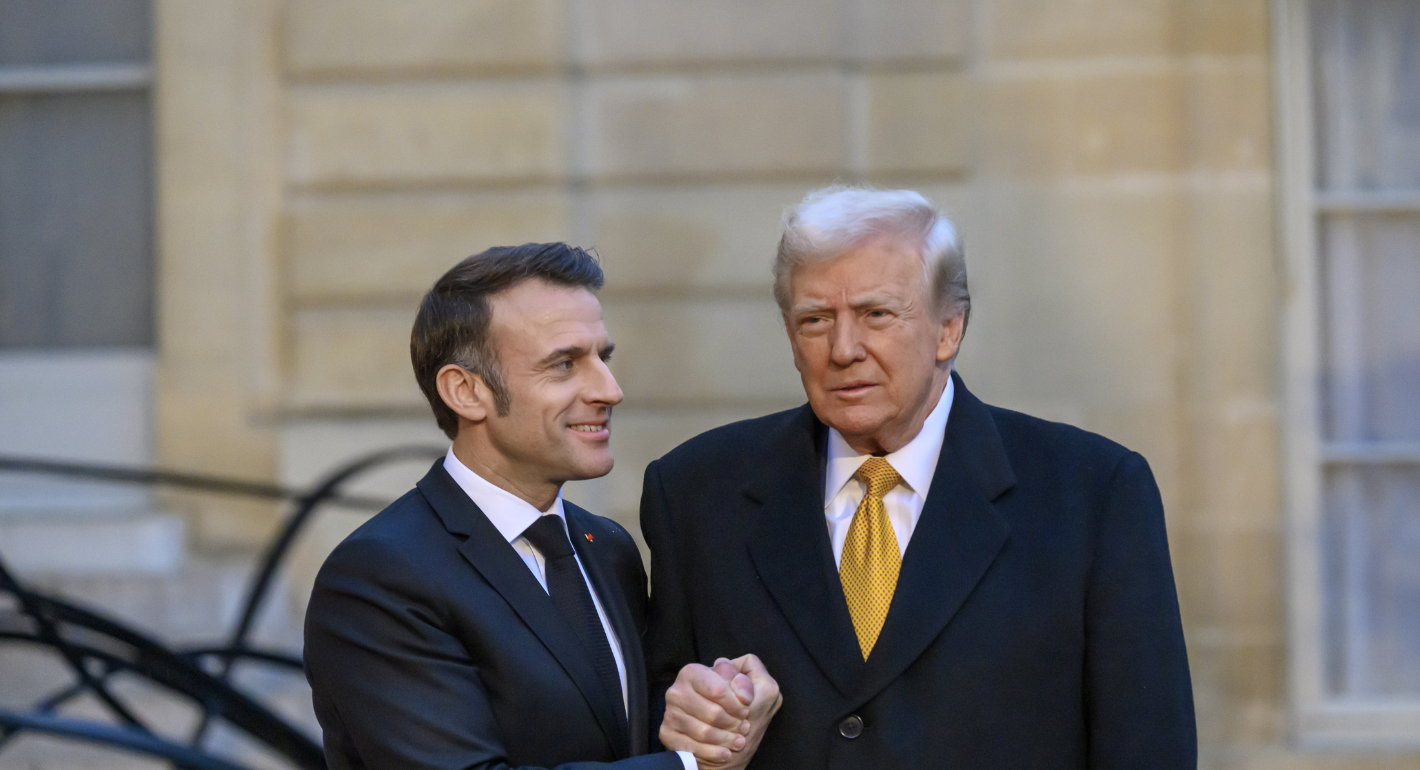
    On NATO, Trump Should Embrace France Instead of Bashing It

    Donald Trump’s repudiation of NATO goes against the Make America Great Again vision of a U.S.-centered foreign policy. If the goal is to preserve the alliance by boosting Europe’s commitments, leaning into France’s vision is the most America First way forward.

      • Rym Momtaz

      Rym Momtaz

Get more news and analysis from
Carnegie Endowment for International Peace
Carnegie global logo, stacked
1779 Massachusetts Avenue NWWashington, DC, 20036-2103Phone: 202 483 7600Fax: 202 483 1840
  • Research
  • Emissary
  • About
  • Experts
  • Donate
  • Programs
  • Events
  • Blogs
  • Podcasts
  • Contact
  • Annual Reports
  • Careers
  • Privacy
  • For Media
  • Government Resources
Get more news and analysis from
Carnegie Endowment for International Peace
© 2026 Carnegie Endowment for International Peace. All rights reserved.