In The Media
David Rothkopf
{
  "authors": [
    "David Rothkopf"
  ],
  "type": "legacyinthemedia",
  "centerAffiliationAll": "",
  "centers": [
    "Carnegie Endowment for International Peace"
  ],
  "collections": [],
  "englishNewsletterAll": "",
  "nonEnglishNewsletterAll": "",
  "primaryCenter": "Carnegie Endowment for International Peace",
  "programAffiliation": "",
  "programs": [],
  "projects": [],
  "regions": [
    "North America",
    "United States"
  ],
  "topics": [
    "Political Reform",
    "Economy"
  ]
}
Source: Getty
Effective financial regulation requires better public-private collaboration, and while there is a critical role for governments in markets, legislators should not indulge in overregulation of a complicated economic system.
Source: Financial Times

Legislators seem to be competing to offer the most draconian new regulatory measures or to appear the most implacable in the search for malfeasance on the part of business. There are ironic echoes of a prior administration in which out-of-shape pols who had never commanded troops in battle liked nothing better than sending soldiers off to war – except that today it is out-of-shape pols who have never run a business slapping around chief executives and telling them how to manage their companies.
Admittedly, business is not exactly blameless here. Mistakes have been made. Really big ones. But to respond to the culture of excess and recklessness on Wall Street with a culture of regulatory excess and recklessness in Washington is hardly the answer.
At a time when the business and economic challenges facing the US are dauntingly complex, what is really needed is a dose of humility. That is particularly the case when there are barely a handful of US senators who have even a basic understanding of the markets they seek to regulate. In such an environment, adversarial relationships are in no one’s interest.
Of course, circumstances have contributed to the overheated mood. A financial crisis helped usher in a president who believed in a more activist government. He was obliged by the severity of this crisis to intervene and to seek new regulatory ideas – as any other president would have. Then, much as George W. Bush moved from the obligation of intervening in Afghanistan to the option of intervening in Iraq, Barack Obama moved from the obligation of intervening with Wall Street and the auto companies to the option of intervening in healthcare. Admittedly, the US healthcare system was (and is) seriously broken, but the choice was not a requirement of the moment.
The ensuing debate briefly raised questions about the country’s appetite for more government intervention. But a sequence of events restored the activist mojo: first came Toyota’s safety concerns, then the West Virginia coal mining tragedy, the Goldman Sachs indictment and the oil leak in the Gulf of Mexico. With each new crisis came a new opportunity for politicians to appear tough by calling business leaders before them, questioning them and proposing sweeping regulatory reforms in each area.
It now seems likely that 2010 will mark a sea-change in Washington’s regulatory culture. That reforms are needed, that government has a central role to play in ensuring that businesses operate fairly – these things are undeniable. The problem is that the current situation is compromised by several factors.
First, of course, is hypocrisy. Congressional oversight has come to be something that only takes place after a crisis. The outrage of legislators is a perverse mirror of the outrage that ought to be felt by constituents who were let down by their representatives’ inattentiveness.
Next, and worse, is that the current regulatory feeding frenzy produces recommendations from people who do not have the slightest idea what they are talking about. Auditors opening the books of the Federal Reserve? Has anyone thought of the consequences? Spinning derivatives operations out of banks as if the derivatives themselves were “evil”, despite advice to the contrary from respected regulators such as Sheila Bair of the Federal Deposit Insurance Corporation? Proposals to turn back offshore drilling when it is undeniable that the country depends on it? “Fixing” rating agencies by increasing political influence over their activities?
Change needs to come not from populist posturing but from recognising that effective regulation requires better public-private collaboration; that there is a critical role for governments in markets; and that, as my old boss the late Commerce Secretary Ron Brown used to say, you can’t actually be for jobs and against the people who create them.

Former Visiting Scholar
David Rothkopf was a visiting scholar at the Carnegie Endowment as well as the former CEO and editor in chief of the FP Group.
Recent Work
David Rothkopf
David Rothkopf
Carnegie does not take institutional positions on public policy issues; the views represented herein are those of the author(s) and do not necessarily reflect the views of Carnegie, its staff, or its trustees.

As the war between the United States, Israel, and Iran continues, Carnegie scholars contribute cutting-edge analysis on the events of the war and their wide-reaching implications. From the impact on Iran and its immediate neighbors to the responses from Gulf states to fuel and fertilizer shortages caused by the effective shutdown of the Strait of Hormuz, the war is reshaping Middle East alliances and creating shockwaves around the world. Carnegie experts analyze it all.
The return of war as the organizing factor in Middle Eastern politics has predictable consequences: governments are prioritizing regime stability and becoming averse to political and social reform.


Sarah Yerkes, Amr Hamzawy
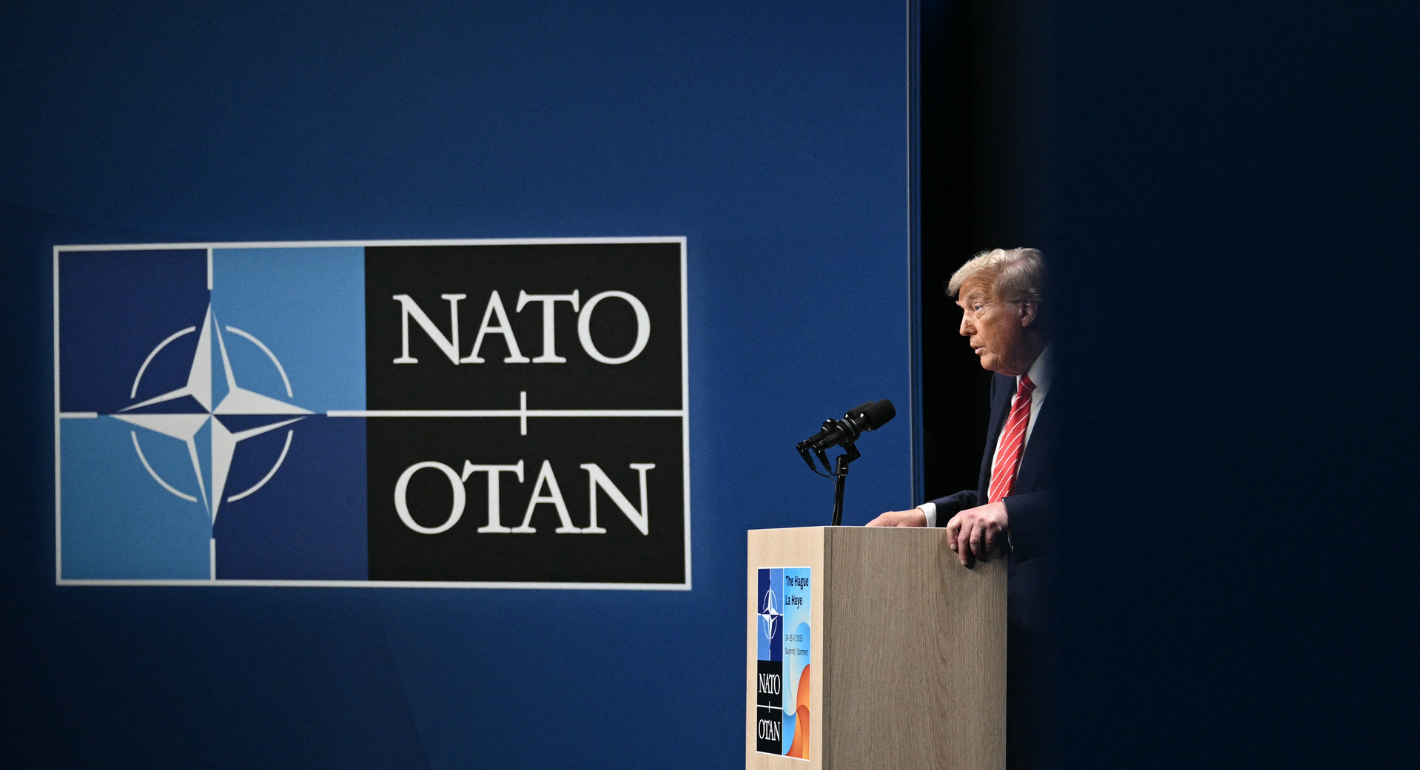
Donald Trump has repeatedly bashed NATO and European allies, threatening to annex Canada and Greenland and deploring their lack of enthusiasm for his war of choice in Iran. Is this latest round of abuse the final straw?

Rym Momtaz, ed.

The future looks bleak for independent media worldwide, but there is a robust infrastructure of knowledge, organizations, and people to build upon.


Daniel Sabet, Susan Abbott

Why the Iran ceasefire isn’t a quick fix to the Strait of Hormuz energy crisis.


Helima Croft, Aaron David Miller