Paper
Alejandro Foxley, Fernando Sossdorf
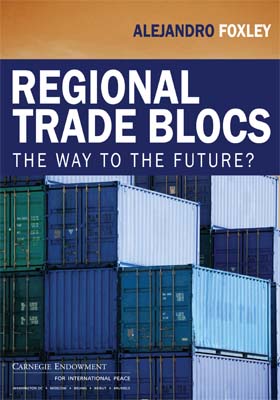
With global trade talks stalled and lower demand from major economies that were hit hard by the global economic crisis, three regions—Eastern Europe, Latin America, and East Asia—are managing to increase trade within their borders and building a broader free trade system.
With global trade talks stalled and lower demand from major economies that were hit hard by the global economic crisis, regional trade agreements are emerging as a way for middle-income countries to increase trade, spur growth, and lower unemployment rates. In a report, Alejandro Foxley analyzes how three regions—Eastern Europe, Latin America, and East Asia—are increasing trade within their borders and building a broader free trade system.
Using the findings from three vastly different experiences, Foxley says that regional trade agreements work best when participating countries have few political differences, coordinate their monetary and fiscal policies, and embrace globalization. And bottom-up approaches in which companies develop regional supply chains are more effective in improving regional integration than top-down approaches imposed by governments.
“Pursuing stronger regional trade agreements can help form the building blocks for global free trade deals,” Foxley writes. “Increasing trade will not only help middle-income economies develop but also drive growth around the world as the financial crisis recedes.”
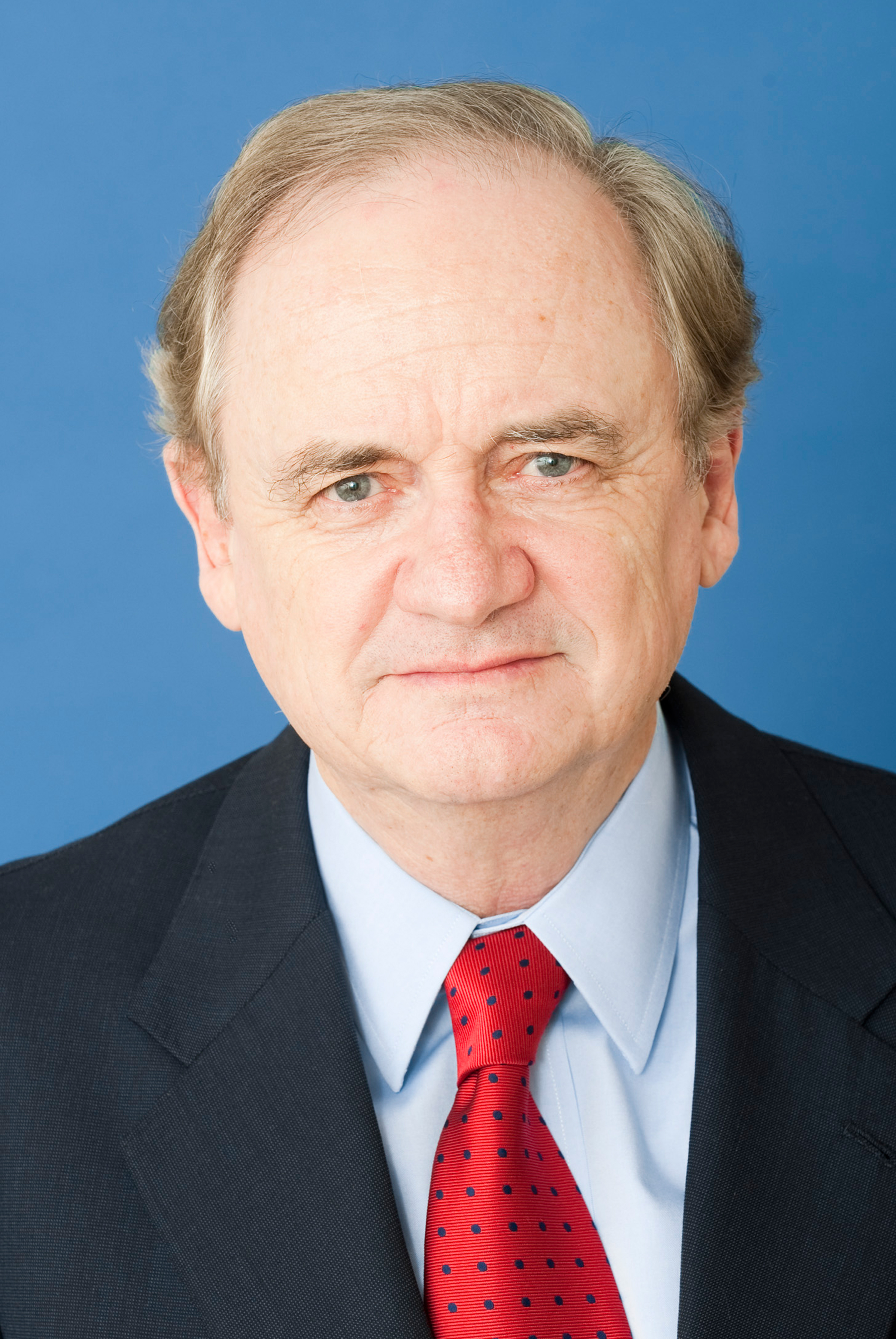
Former Senior Associate, International Economics Program
Foxley was previously minister of foreign affairs, senator, and minister of finance of the Republic of Chile. While minister of finance he concurrently served as a governor of the Inter-American Development Bank and the World Bank.
Recent Work
Alejandro Foxley, Fernando Sossdorf
Alejandro Foxley
Carnegie does not take institutional positions on public policy issues; the views represented herein are those of the author(s) and do not necessarily reflect the views of Carnegie, its staff, or its trustees.
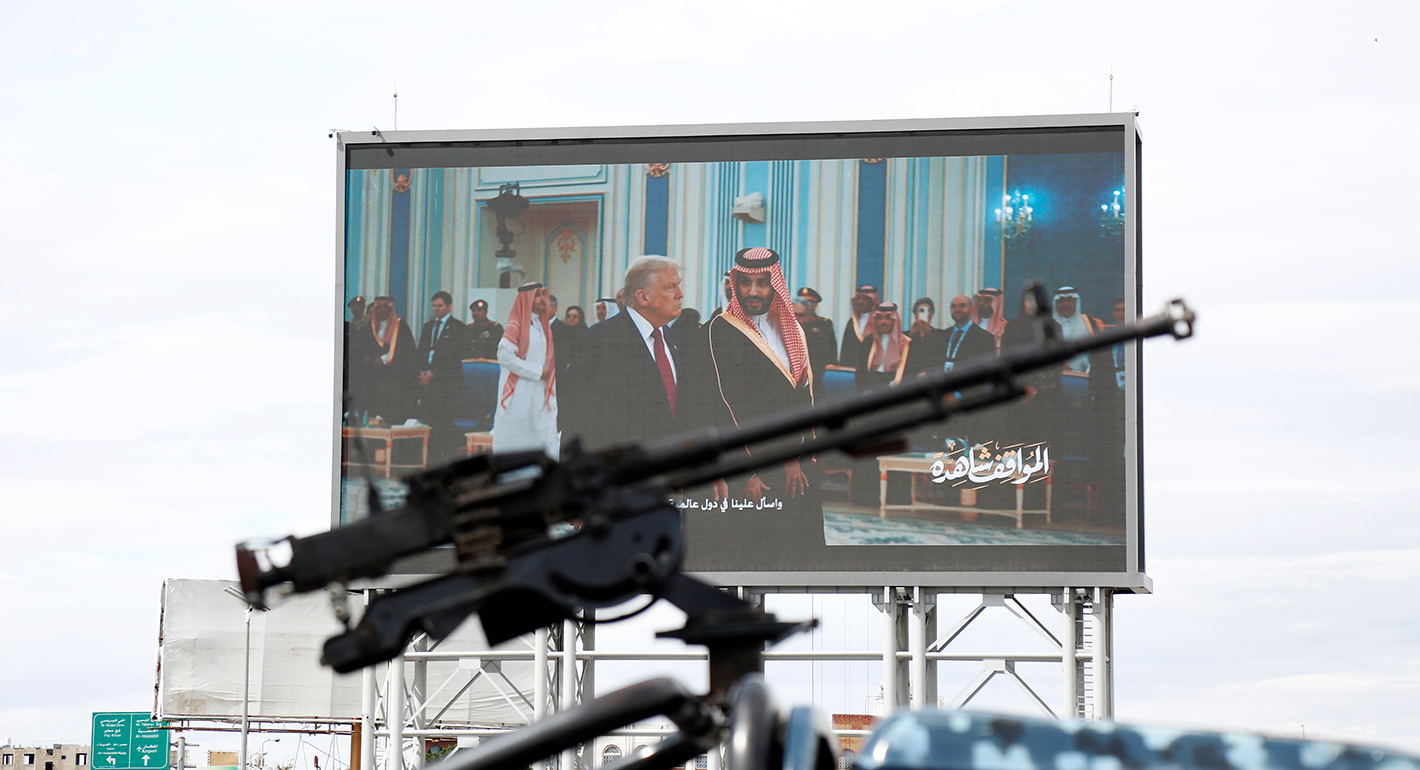
As the war between the United States, Israel, and Iran continues, Carnegie scholars contribute cutting-edge analysis on the events of the war and their wide-reaching implications. From the impact on Iran and its immediate neighbors to the responses from Gulf states to fuel and fertilizer shortages caused by the effective shutdown of the Strait of Hormuz, the war is reshaping Middle East alliances and creating shockwaves around the world. Carnegie experts analyze it all.

Central Asia’s digital ambitions are achievable, but only if policy is aligned with the region’s physical constraints.

Aruzhan Meirkhanova
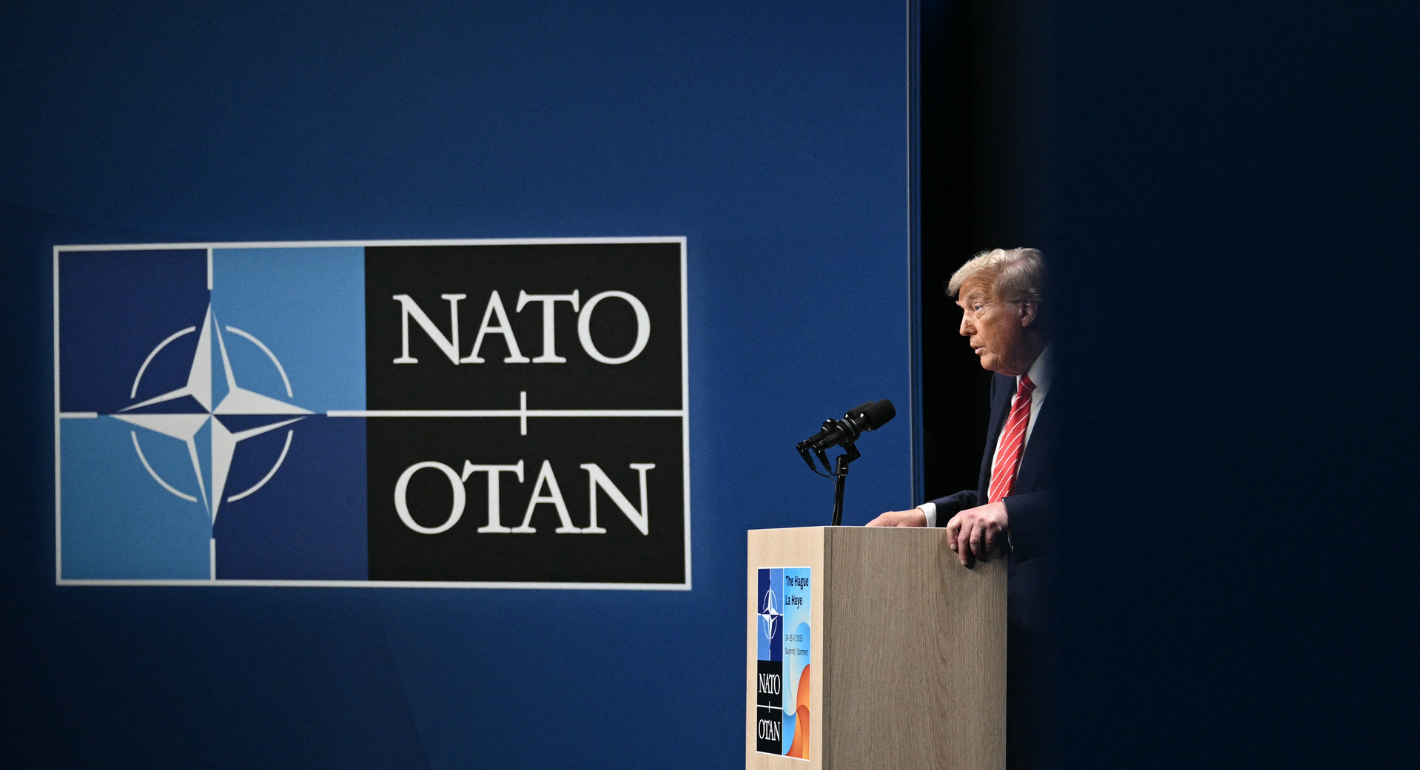
Donald Trump has repeatedly bashed NATO and European allies, threatening to annex Canada and Greenland and deploring their lack of enthusiasm for his war of choice in Iran. Is this latest round of abuse the final straw?

Rym Momtaz, ed.
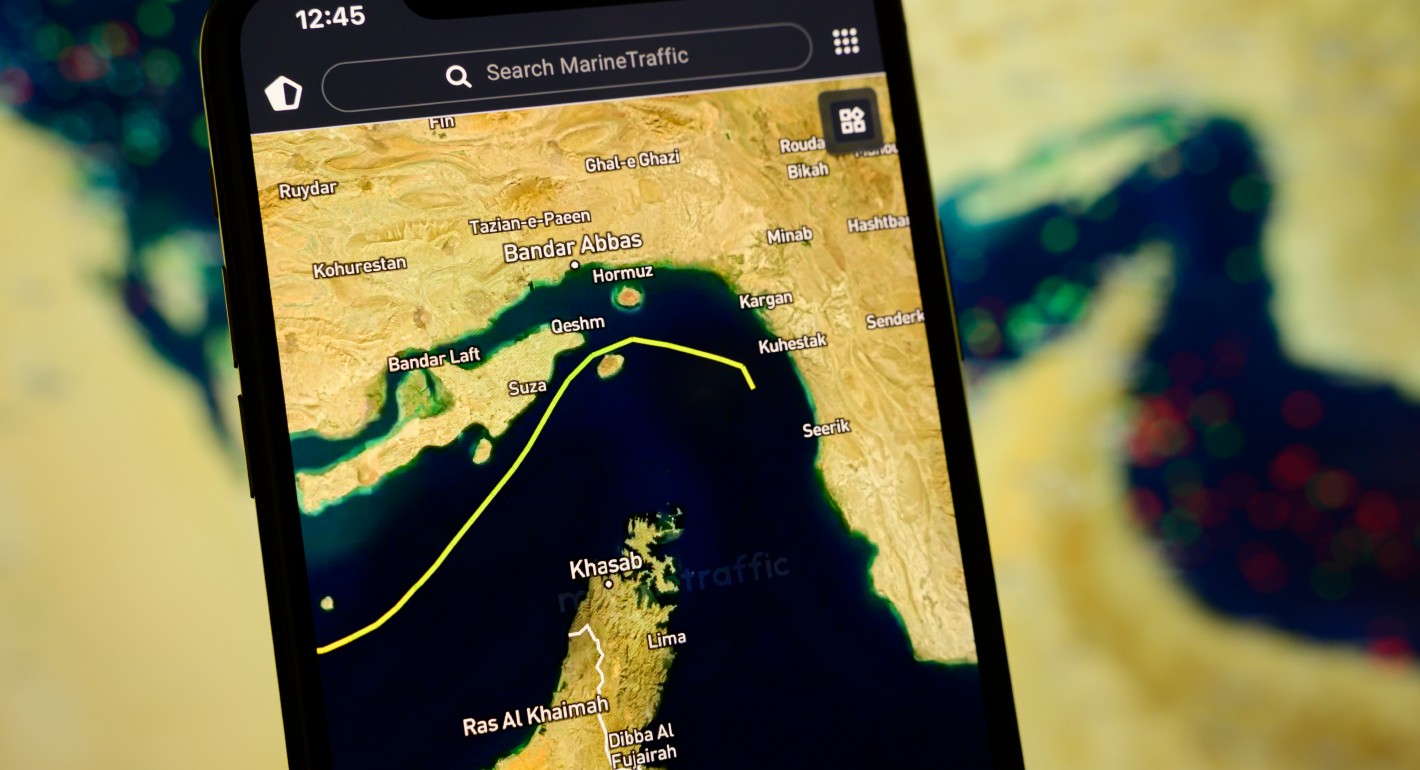
Why the Iran ceasefire isn’t a quick fix to the Strait of Hormuz energy crisis.


Helima Croft, Aaron David Miller

Across Asia, China is better positioned to withstand energy shocks from the fallout of the Iran war. Its abundant coal capacity can ensure stability in the near term. Yet at the same time, the country’s energy transition away from coal will make it even less vulnerable during the next shock.

Damien Ma