• Research
  • Emissary
  • About
  • Experts
Carnegie Global logoCarnegie lettermark logo
DemocracyIran
  • Donate
{
  "authors": [],
  "type": "pressRelease",
  "centerAffiliationAll": "dc",
  "centers": [
    "Carnegie Endowment for International Peace"
  ],
  "collections": [],
  "englishNewsletterAll": "menaTransitions",
  "nonEnglishNewsletterAll": "",
  "primaryCenter": "Carnegie Endowment for International Peace",
  "programAffiliation": "MEP",
  "programs": [
    "Middle East"
  ],
  "projects": [],
  "regions": [
    "Middle East"
  ],
  "topics": []
}
REQUIRED IMAGE

REQUIRED IMAGE

Press Release

Islamist movements struggle to balance religion and politics

As Islamist movements in the Arab world become more politically active, they are struggling to pursue their moral and religious agenda while navigating daily political tussles.

Link Copied
Published on Sep 27, 2010
Program mobile hero image

Program

Middle East

The Middle East Program in Washington combines in-depth regional knowledge with incisive comparative analysis to provide deeply informed recommendations. With expertise in the Gulf, North Africa, Iran, and Israel/Palestine, we examine crosscutting themes of political, economic, and social change in both English and Arabic.

Learn More

WASHINGTON—As Islamist movements in the Arab world become more politically active, they are struggling to pursue their moral and religious agenda while navigating daily political tussles. In the face of repressive regimes, they have achieved some popular support, but enjoyed few—if any—concrete successes, write Nathan J. Brown and Amr Hamzawy in their new book Between Religion and Politics. As a result, Islamist movements in Egypt, Morocco, Yemen, Jordan, Palestine, and Kuwait have failed to satisfy their political and religious constituencies. In the coming years, Islamist movements are likely to scale back their political engagement.

Key Challenges for Islamists:

  • Engage constituents. Despite poor returns in the short run, Islamists should convince their base of the value of political participation.
  • Balance religion and politics. Movements need to find a sustainable balance between pragmatic political platforms and ideological convictions.
  • Better organize proselytizing and political efforts. Islamists must rethink the relationship between political and religious activities to better serve both ends.

“We expect Islamists to compete in subsequent parliamentary elections,” the authors write. “But we also expect that they will place fewer of their hopes (and, in some countries, perhaps fewer of their energies) in a parliamentary strategy, instead contenting themselves for the foreseeable future to reap the limited gains that parliamentary activity offers without viewing it as the sole or even primary strategy for realizing their vision of Islamic reform.”

###

NOTES

  • Nathan J. Brown is a professor of political science and international affairs at George Washington University, a nonresident senior associate at the Carnegie Endowment, and a distinguished scholar and author of four well-received books on Arab politics.
  • Amr Hamzawy , research director and senior associate at the Carnegie Middle East Center in Beirut, is a distinguished Egyptian political scientist who has written extensively on the role of Islamist movements in Arab politics.
  • The Carnegie Middle East Program combines in-depth local knowledge with incisive comparative analysis to examine economic, socio-political, and strategic interests in the Arab world to provide analysis and recommendations in both English and Arabic that are deeply informed by knowledge and views from the region.
  • The Carnegie Middle East Center based in Beirut, Lebanon, aims to better inform the process of political change in the Middle East.
  • Carnegie's Arab Reform Bulletin analyzes political reform in the Middle East.

Press Contact: Kendra Galante, 202-939-2289, pressoffice@ceip.org

Middle East

Carnegie does not take institutional positions on public policy issues; the views represented herein are those of the author(s) and do not necessarily reflect the views of Carnegie, its staff, or its trustees.
More Work from Carnegie Endowment for International Peace

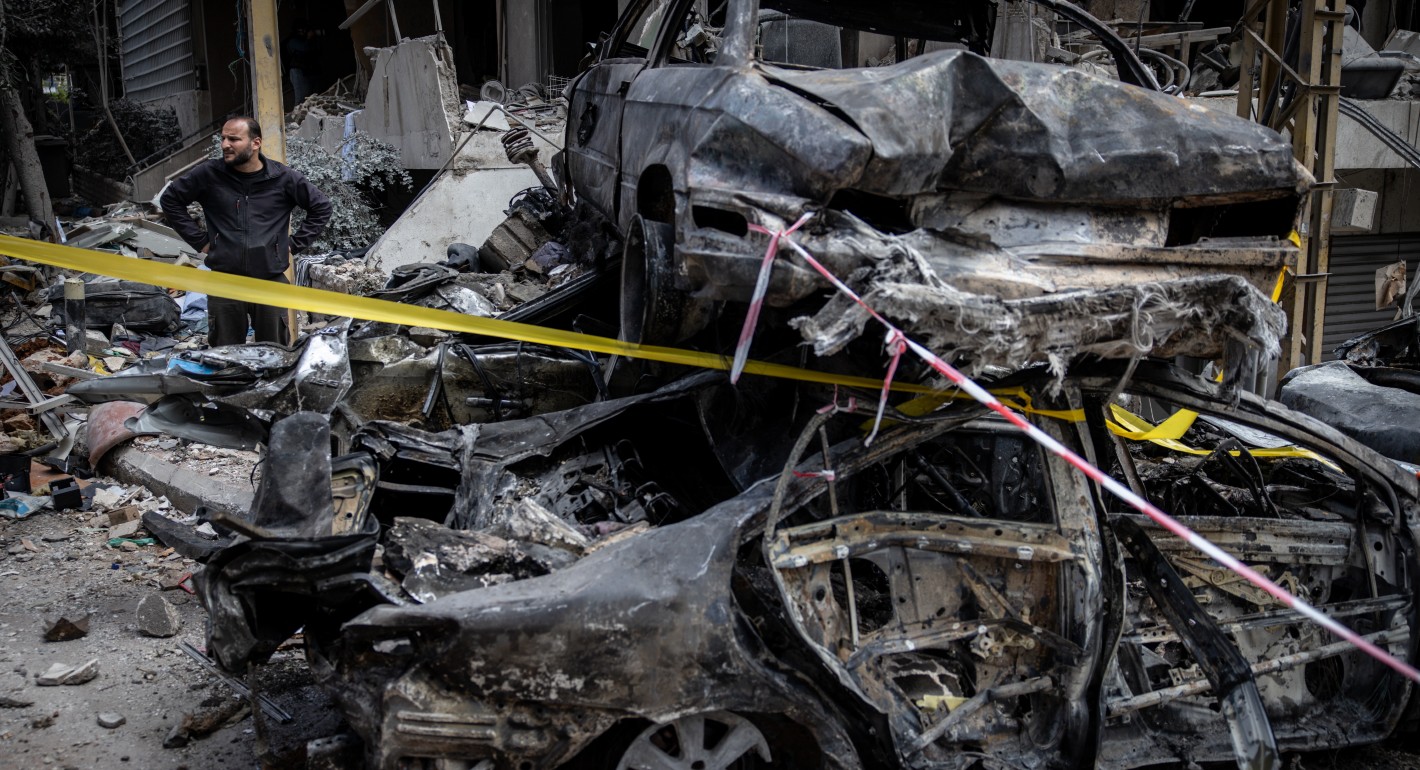
  • Man standing next to a pile of burned cars
    Commentary
    Emissary
    The Myriad Problems With the Iran Ceasefire

    Four Middle East experts analyze the region’s reactions and next steps.

      • Andrew Leber
      • Eric Lob
      • +1

      Amr Hamzawy, Andrew Leber, Eric Lob, …
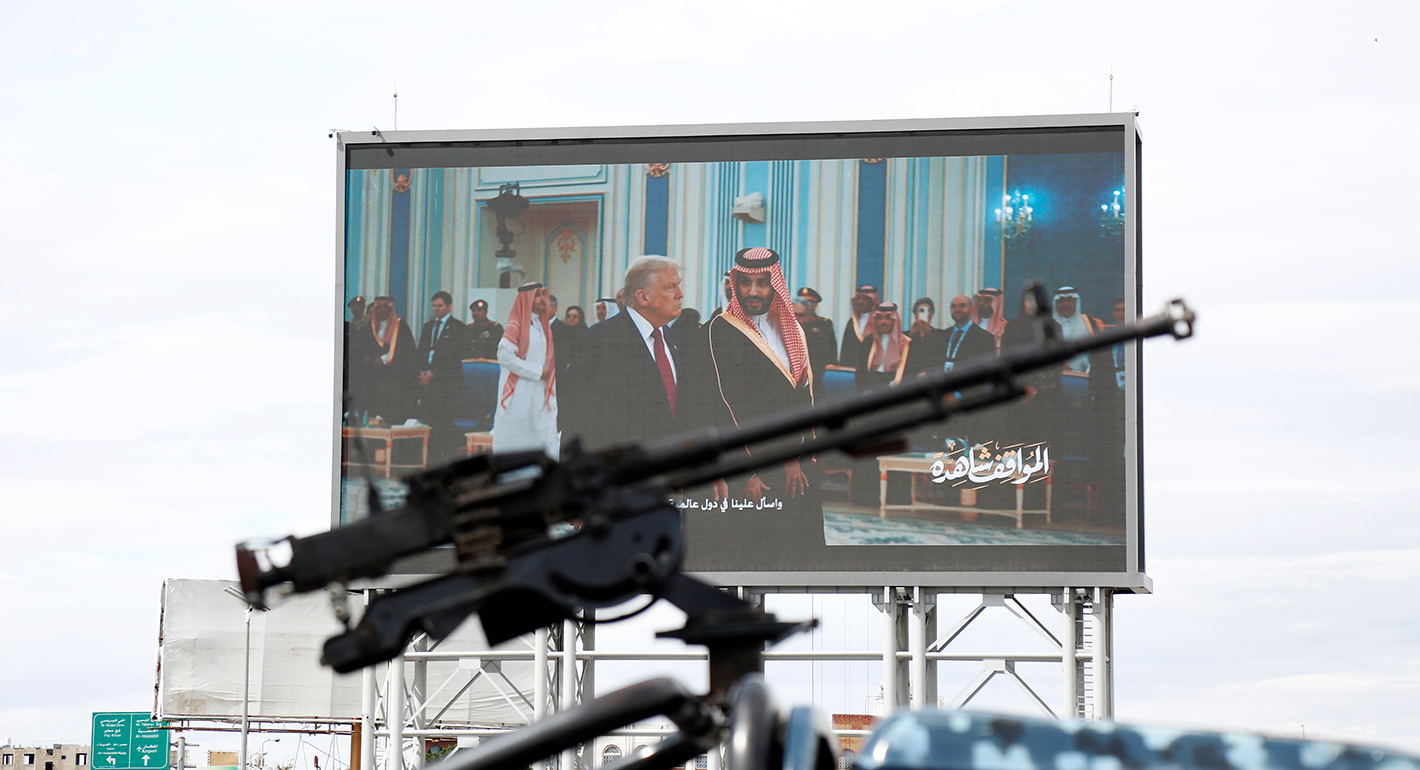
  •  A machine gun of a Houthi soldier mounted on a police vehicle next to a billboard depicting the U.S. president Donald Trump and Mohammed Bin Salman, the Crown Prince and Prime Minister of Saudi Arabia, during a protest staged to show support to Iran against the U.S.-Israel war on March 27, 2026 in Sana'a, Yemen.
    Collection
    The Iran War’s Global Reach

    As the war between the United States, Israel, and Iran continues, Carnegie scholars contribute cutting-edge analysis on the events of the war and their wide-reaching implications. From the impact on Iran and its immediate neighbors to the responses from Gulf states to fuel and fertilizer shortages caused by the effective shutdown of the Strait of Hormuz, the war is reshaping Middle East alliances and creating shockwaves around the world. Carnegie experts analyze it all.

  •  A machine gun of a Houthi soldier mounted on a police vehicle next to a billboard depicting the U.S. president Donald Trump and Mohammed Bin Salman, the Crown Prince and Prime Minister of Saudi Arabia, during a protest staged to show support to Iran against the U.S.-Israel war on March 27, 2026 in Sana'a, Yemen.
    Article
    Amid Iran War, Gulf Countries Slow the Pace of Reforms

    The return of war as the organizing factor in Middle Eastern politics has predictable consequences: governments are prioritizing regime stability and becoming averse to political and social reform.

      • Sarah Yerkes

      Sarah Yerkes, Amr Hamzawy

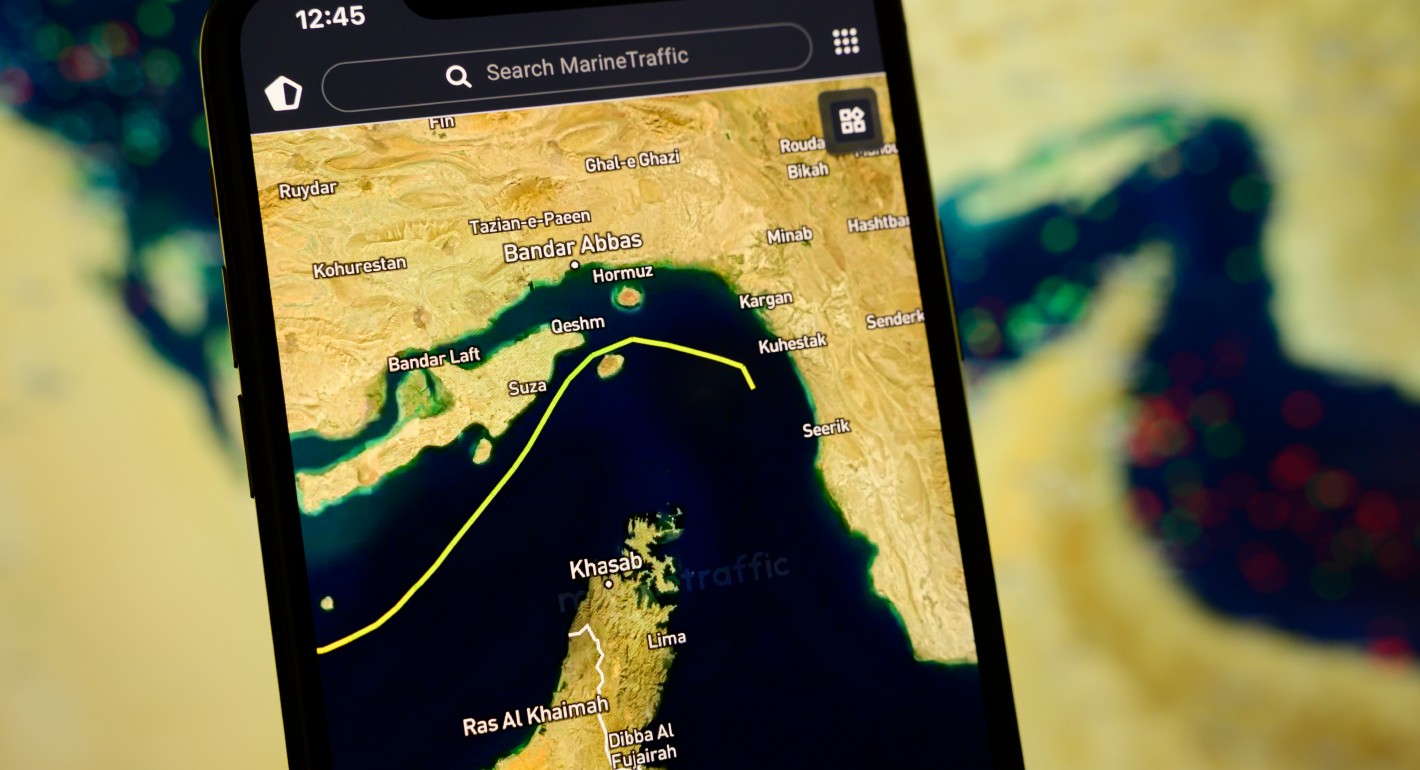
  • Map of Hormuz shipping traffic on a smartphone screen
    Commentary
    Emissary
    “It’s Not Like Turning a Switch On and Off”

    Why the Iran ceasefire isn’t a quick fix to the Strait of Hormuz energy crisis.
      Helima Croft, Aaron David Miller
  • Commentary
    Carnegie Politika
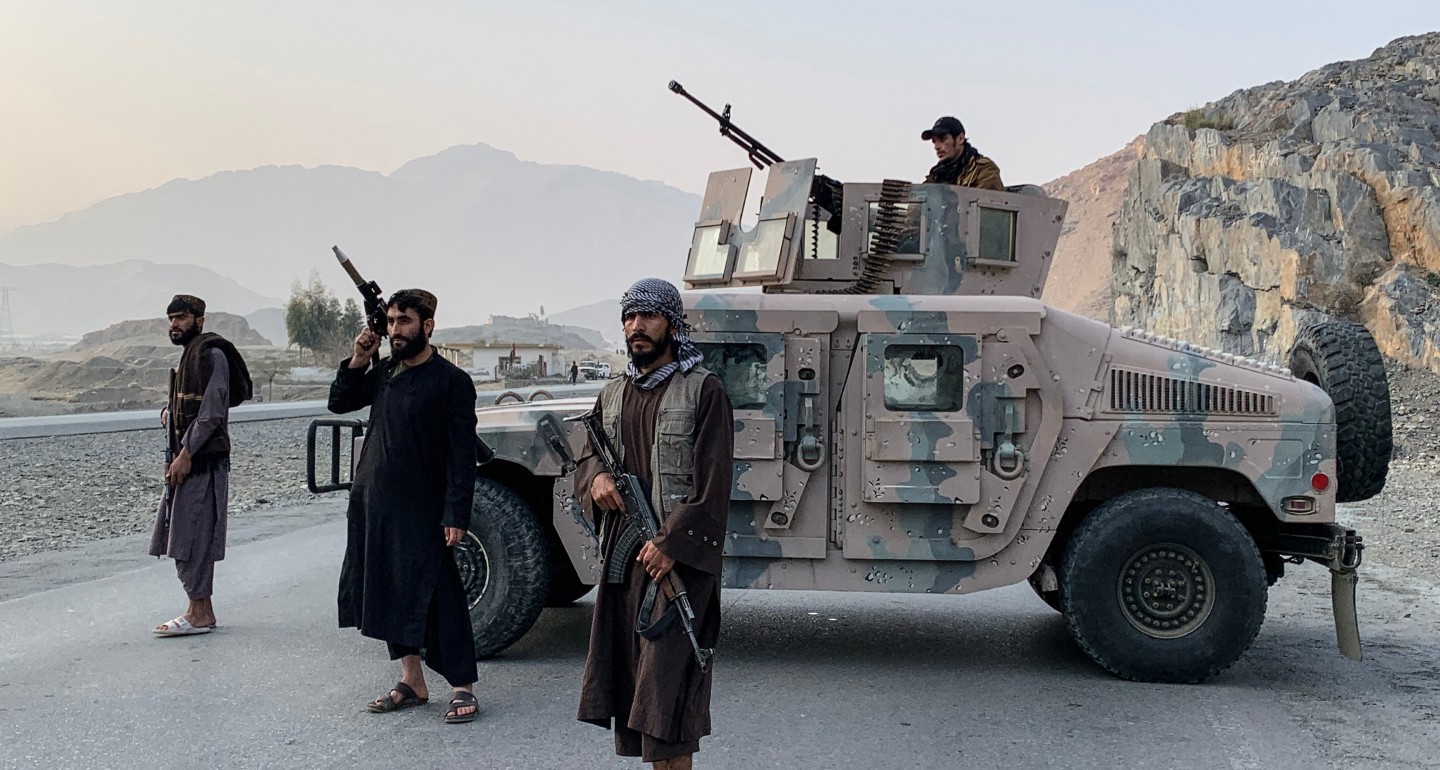
    The Afghanistan–Pakistan War Poses Awkward Questions for Russia

    Not only does the fighting jeopardize regional security, it undermines Russian attempts to promote alternatives to the Western-dominated world order.

      Ruslan Suleymanov
Get more news and analysis from
Carnegie Endowment for International Peace
Carnegie global logo, stacked
1779 Massachusetts Avenue NWWashington, DC, 20036-2103Phone: 202 483 7600Fax: 202 483 1840
  • Research
  • Emissary
  • About
  • Experts
  • Donate
  • Programs
  • Events
  • Blogs
  • Podcasts
  • Contact
  • Annual Reports
  • Careers
  • Privacy
  • For Media
  • Government Resources
Get more news and analysis from
Carnegie Endowment for International Peace
© 2026 Carnegie Endowment for International Peace. All rights reserved.