Article
Pieter Bottelier
{
  "authors": [
    "Pieter Bottelier"
  ],
  "type": "legacyinthemedia",
  "centerAffiliationAll": "dc",
  "centers": [
    "Carnegie Endowment for International Peace"
  ],
  "collections": [],
  "englishNewsletterAll": "asia",
  "nonEnglishNewsletterAll": "",
  "primaryCenter": "Carnegie Endowment for International Peace",
  "programAffiliation": "AP",
  "programs": [
    "Asia"
  ],
  "projects": [],
  "regions": [
    "North America",
    "United States",
    "East Asia",
    "China"
  ],
  "topics": [
    "Economy",
    "Trade"
  ]
}
Source: Getty
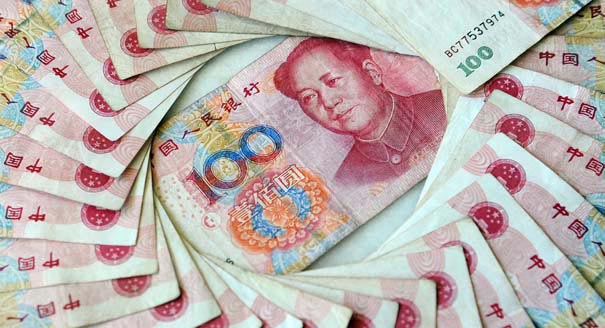
Understanding that the renminbi became undervalued because of expansionary monetary policy in the United States in 2003 helps explain why Chinese economists and political leaders have a differerent interpretation of the currency issue than Americans.
Source: The New York Times

The initial burst of China’s trade surplus, which had never been significant before, came on the heels of the sharp monetary expansion in the United States (and to a much lesser extent in some European Union countries) that was triggered by the switch to budget deficits in the early George W. Bush years. The Greenspan Fed’s interest rate cuts after the Nasdaq collapse and 9/11 also played a role.
China was the only major exporter that could and did respond quickly to the sharp increase in global demand driven by the massive credit expansion in the United States. In other words, China’s surplus exploded not because of anything China did with its exchange rate – it did nothing – but because of an explosion in external demand led by credit expansion in the United States.
When China fixed the nominal renminbi/dollar exchange rate at 8.27 in December 1997 — after the financial collapse of South Korea and contrary to international expectations of a renminbi devaluation — gaining an unfair trade advantage was clearly not China’s objective. If anything, the renminbi was slightly overvalued at 8.27.
China was applauded by Asian neighbors and by the U.S. Treasury for what it did at that time. It made the renminbi into a regional anchor currency, which helped the crisis economies in East Asia to overcome their economic and financial problems more quickly that otherwise would have been possible.
There were no international complaints about China’s fixed-exchange rate policy until the second half of 2003. Then, once the renminbi became undervalued, new dynamics set in.
Chinese officials were reluctant for a long time to admit that there was a problem with the exchange rate for several reasons: (a) they did not believe that the increased trade surplus was structural in nature, and (b) they did not want to reward the speculators who had found ways of bringing large amounts of “hot” money into the country, mainly to invest in the booming property markets of the big cities. They were also reluctant to respond to international political pressure led by the U.S.
If you accept this perspective on the question of how and when the renminbi became undervalued, you’ll understand better why almost all Chinese economists and political leaders sharply differ with American economists and political leaders in the interpretation of the currency issue as it stands today.

Former Nonresident Scholar, International Economics Program
Bottelier was a nonresident scholar in Carnegie’s International Economics Program and senior adjunct professor of China studies at the School of Advanced International Studies (SAIS), the Johns Hopkins University. His work currently focuses on China’s economic reform and development.
Recent Work
Pieter Bottelier
Pieter Bottelier
Carnegie does not take institutional positions on public policy issues; the views represented herein are those of the author(s) and do not necessarily reflect the views of Carnegie, its staff, or its trustees.
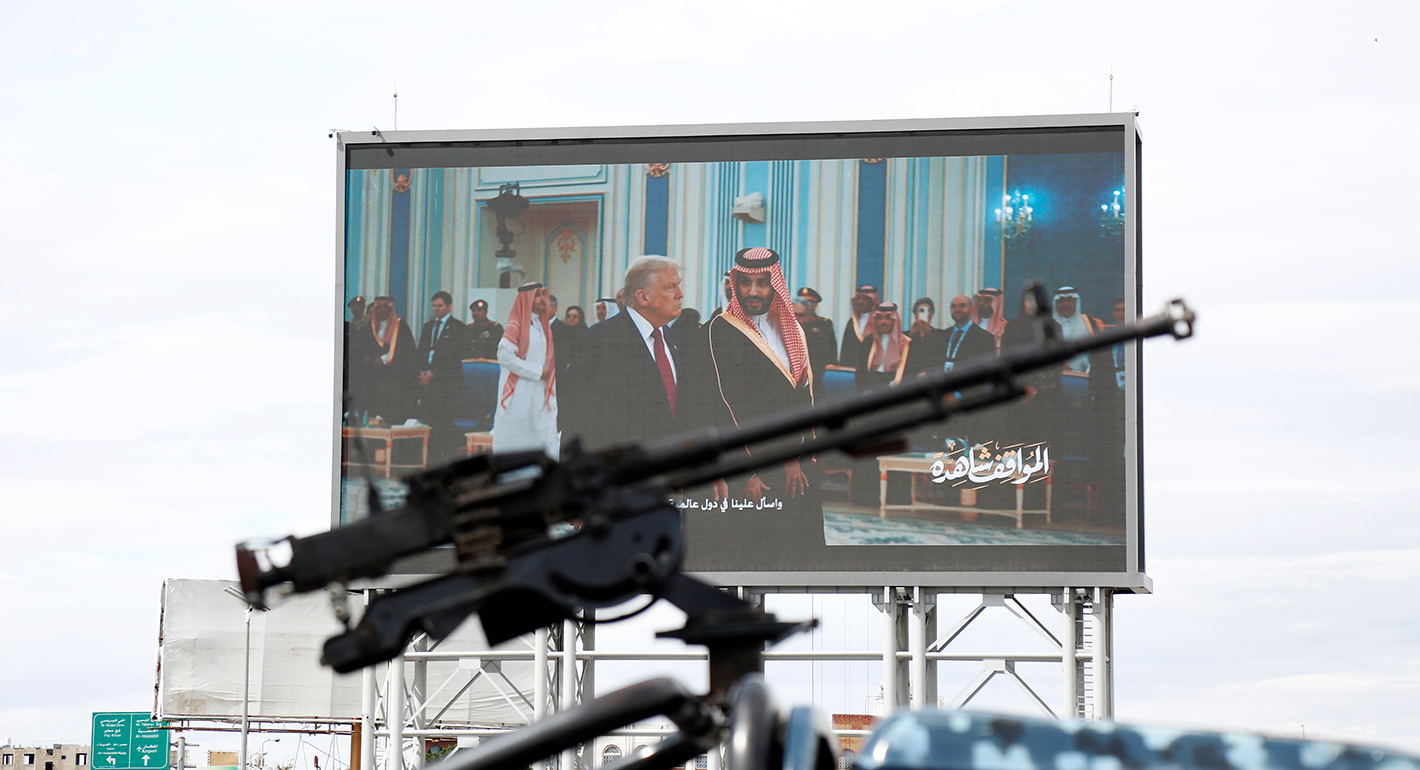
As the war between the United States, Israel, and Iran continues, Carnegie scholars contribute cutting-edge analysis on the events of the war and their wide-reaching implications. From the impact on Iran and its immediate neighbors to the responses from Gulf states to fuel and fertilizer shortages caused by the effective shutdown of the Strait of Hormuz, the war is reshaping Middle East alliances and creating shockwaves around the world. Carnegie experts analyze it all.
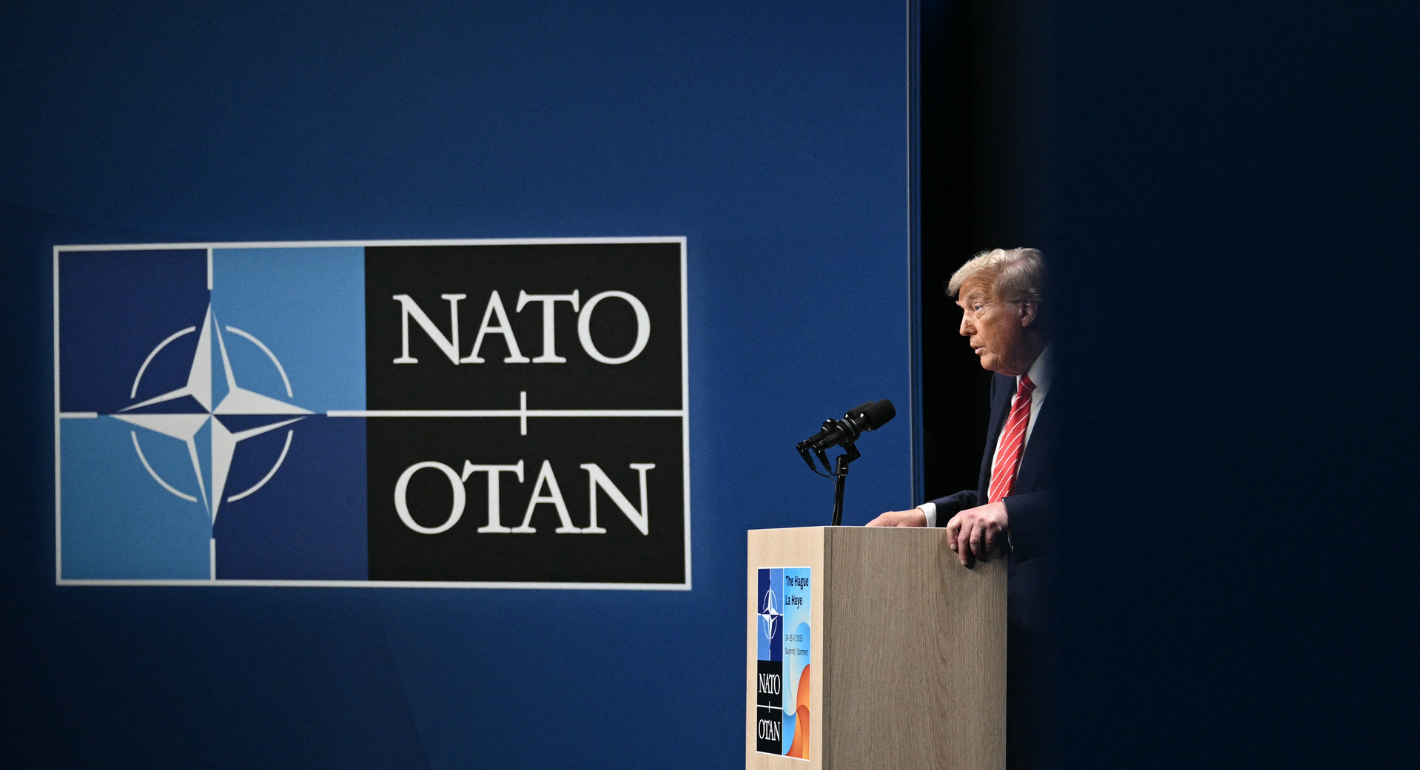
Donald Trump has repeatedly bashed NATO and European allies, threatening to annex Canada and Greenland and deploring their lack of enthusiasm for his war of choice in Iran. Is this latest round of abuse the final straw?

Rym Momtaz, ed.

The future looks bleak for independent media worldwide, but there is a robust infrastructure of knowledge, organizations, and people to build upon.


Daniel Sabet, Susan Abbott
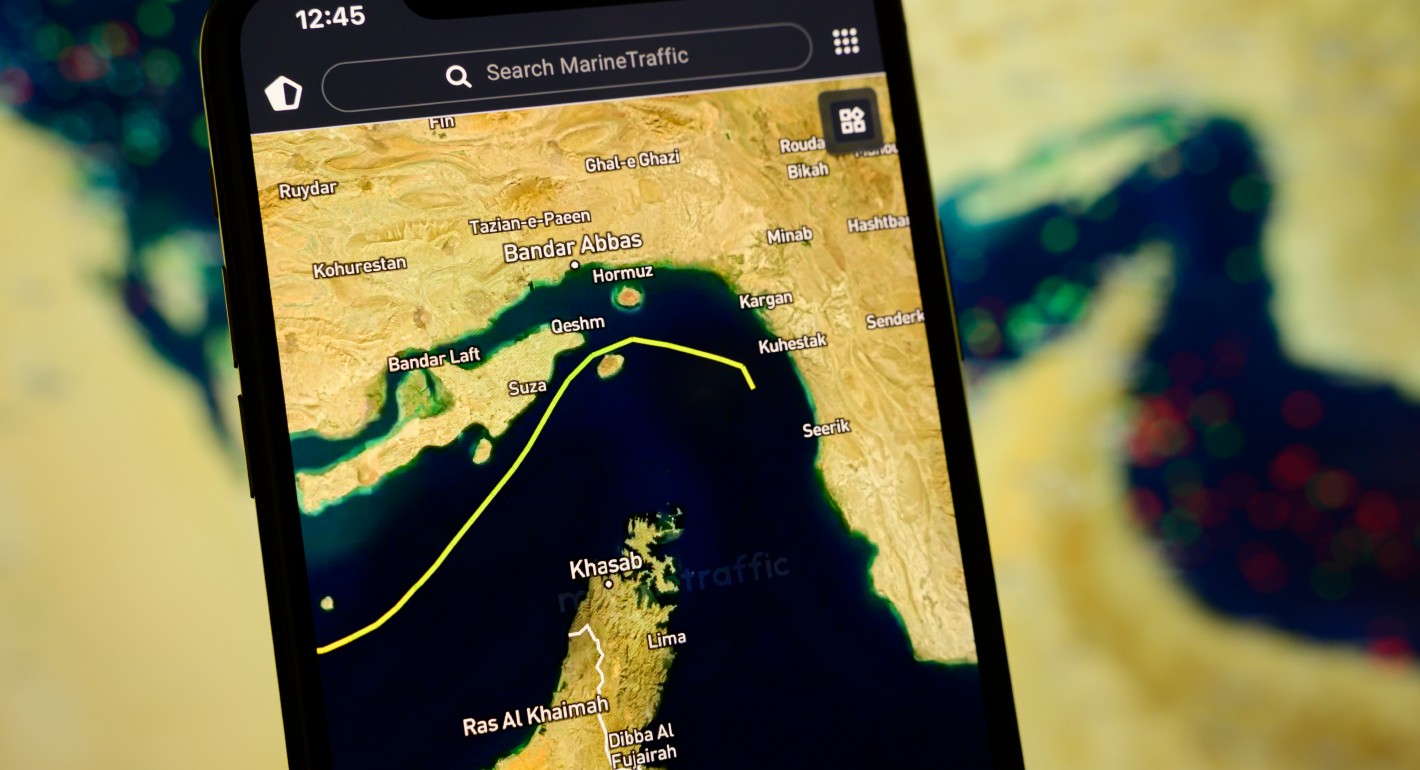
Why the Iran ceasefire isn’t a quick fix to the Strait of Hormuz energy crisis.


Helima Croft, Aaron David Miller
Spot analysis from Carnegie scholars on events relating to the Middle East and North Africa.

Michael Young