

Research
- +6
Yasmine Farouk, Nathan J. Brown, Maysaa Shuja Al-Deen, …
Source: Getty
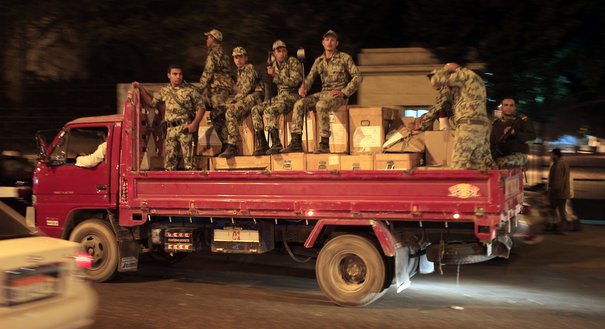
The lack of transparency and the presence of widespread irregularities in the voting and counting process have given Egypt’s parliamentary elections little credibility among both international and domestic observers.
As results come in for Egypt’s People’s Assembly elections—surprise, a victory for the ruling National Democratic Party (NDP)—they are likely to enjoy little credibility either inside or outside the country due to the total lack of transparency and the widespread irregularities and violence that characterized the voting and counting processes.
Extensive restrictions on media coverage and civil society monitoring ensured that there would be little transparency on election day. Egyptian authorities prevented live satellite broadcasts from the country and cancelled planned television programs by major media outlets, including the BBC.
After rebuffing the requests of international organizations to observe the elections on the excuse that there would be an extensive domestic monitoring effort, Egyptian authorities impeded the work of local civil society monitors. Only a small percentage were granted official credentials, and then most of those credentialed were either denied entry to polling and counting stations or evicted after they entered. (Similarly, representatives of opposition candidates were excluded from polling stations in many locations even if they had official credentials, while representatives of ruling party candidates were admitted.)
While the Higher Electoral Commission, which was charged with supervising the parliamentary elections, responded to early complaints about monitor exclusion by saying it would look into the problem, the commission itself created the problem by issuing overly restrictive regulations for monitoring—stipulating, for example, that credentialed monitors could enter polling stations only with the permission of the polling station chair, as if the credentials did not in themselves constitute permission.
Although monitors mostly watched the elections from outside polling places, they observed signs of widespread electoral fraud, in particular ballot box stuffing. Monitors witnessed or received eyewitness accounts (as well as video evidence) of voting stations being closed for hours while poll workers wrote out ballot after ballot, and of supporters of ruling party candidates arriving at voting stations bearing large plastic bags full of voter cards or completed ballots. Outside the polling places, vote buying proceeded as usual, with the price for a vote varying according to the location and the time of day.
Coercion and intimidation also featured in the Egyptian elections, primarily perpetrated by “baltagiyya,” thugs hired either by the security services or by individual candidates. Thugs kept voters out of certain polling stations for hours at a time, expelled civil society monitors and journalists by force, and intimidated or beat up campaign workers or thugs working for other candidates. A few of the thugs reportedly worked for Muslim Brotherhood candidates, but the vast majority appeared to be affiliated with the regime or the National Democratic Party and were tolerated by uniformed security.
With the baltagiyya on hand to do the dirty work, uniformed security officers appeared to be better behaved than in previous elections and there were fewer reports of security cordons around polling places in order to exclude or intimidate voters.
Among the little-noticed surprises of the elections was an announcement that Coptic Pope Shenouda had voted for an opposition candidate, Rami Lakah (a Copt) of the Wafd Party. This was in stark contrast to the Pope’s stance during the 2005 elections, when he instructed Copts that it was their duty to vote for the ruling National Democratic Party and went so far as to excommunicate several Copts who chose to run as opposition candidates. While Shenouda’s change of heart will not affect the election results, it is a strong sign of his displeasure with the regime’s handling of simmering sectarian tensions, including an incident the week before elections in which security services provoked unrest by disrupting the construction of a church, resulting in the killing of one young Coptic man.
Sectarian conflicts are among several other issues—economic dissatisfaction, police brutality and torture, and public safety problems—souring the attitude of Egyptians toward the government and keeping the internal situation at a simmer, if not a boil. A parliamentary election seen by Egyptians as having been stolen will turn the temperature up another notch.

Former Nonresident Scholar, Middle East Program
Michele Dunne was a nonresident scholar in Carnegie’s Middle East Program, where her research focuses on political and economic change in Arab countries, particularly Egypt, as well as U.S. policy in the Middle East.
Recent Work


Yasmine Farouk, Nathan J. Brown, Maysaa Shuja Al-Deen, …
Robert Springborg, Emile Hokayem, Becca Wasser, …
Carnegie does not take institutional positions on public policy issues; the views represented herein are those of the author(s) and do not necessarily reflect the views of Carnegie, its staff, or its trustees.
The return of war as the organizing factor in Middle Eastern politics has predictable consequences: governments are prioritizing regime stability and becoming averse to political and social reform.

Sarah Yerkes, Amr Hamzawy
The Africa Technology Policy Tracker reveals policymakers’ priorities for the continent’s digital transformation.
Jane Munga
The incoming government has swept Nepal’s election. The real work begins now.
Amish Raj Mulmi
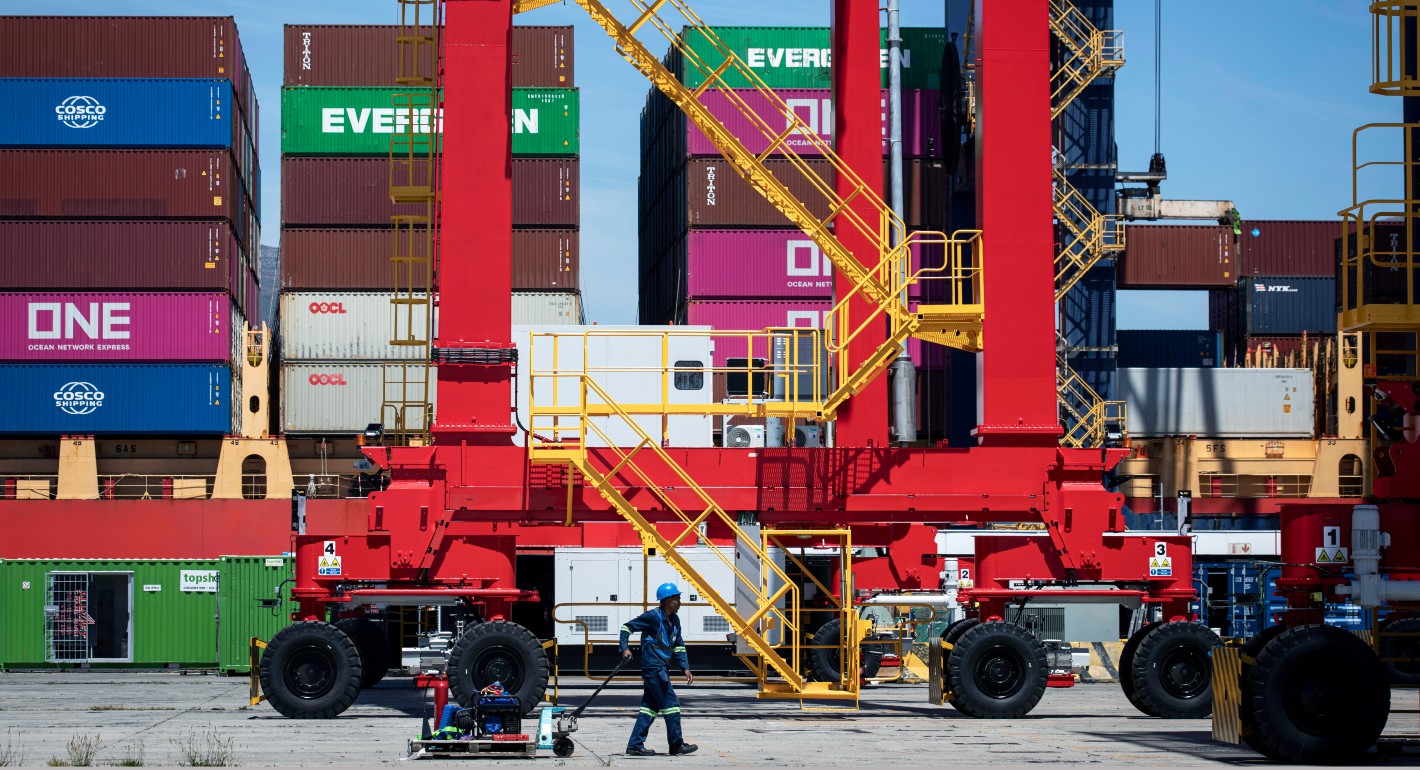
In key sectors such as critical minerals, specialty agriculture, and fintech, Africa can become a global powerhouse by investing more in manufacturing, value-add, and scaling.
Kholofelo Kugler, Georgia Schaefer-Brown
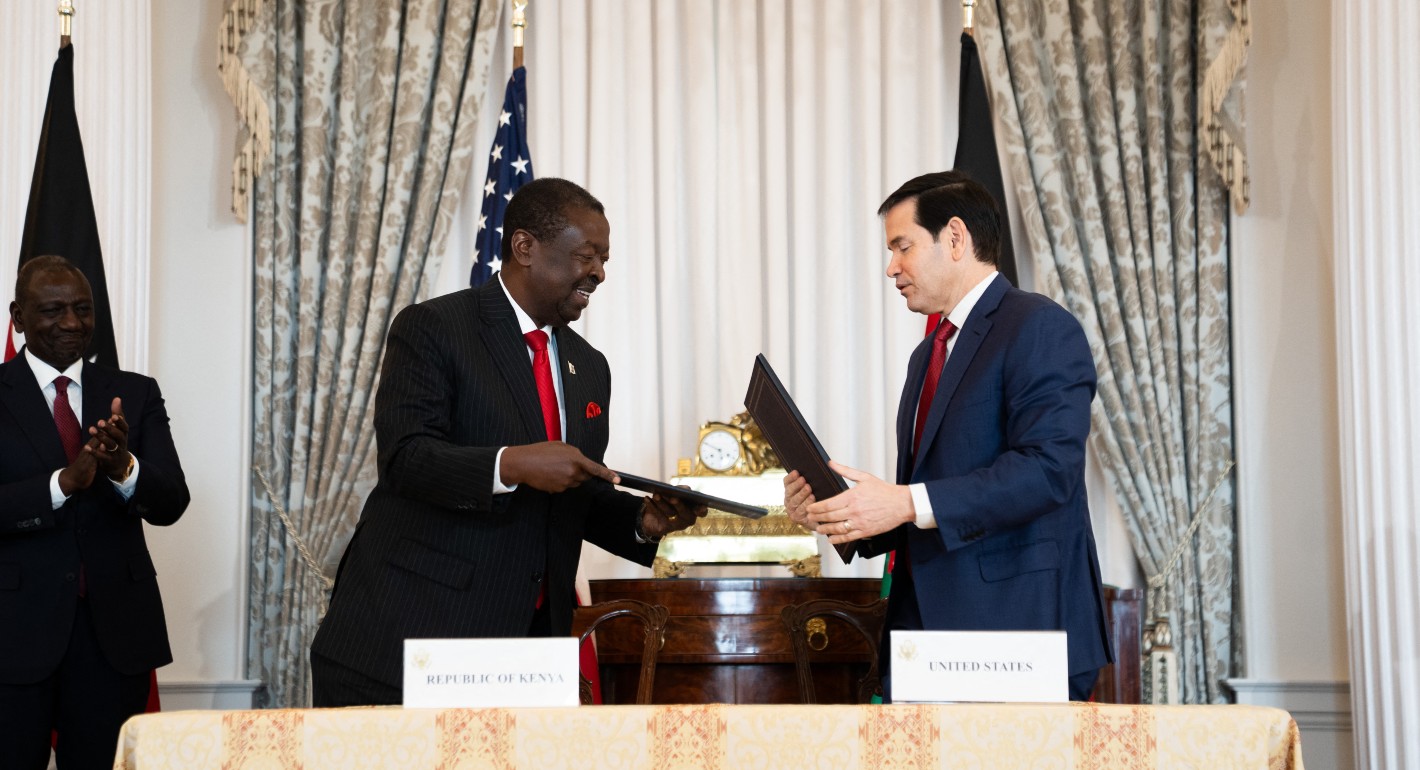
U.S. agreements must contend with national data protection laws to make durable foreign policy instruments.
Jane Munga, Rose Mosero