

Research
- +6
Yasmine Farouk, Nathan J. Brown, Maysaa Shuja Al-Deen, …
{
  "authors": [
    "Michele Dunne"
  ],
  "type": "legacyinthemedia",
  "centerAffiliationAll": "dc",
  "centers": [
    "Carnegie Endowment for International Peace",
    "Malcolm H. Kerr Carnegie Middle East Center"
  ],
  "collections": [
    "Arab Awakening"
  ],
  "englishNewsletterAll": "menaTransitions",
  "nonEnglishNewsletterAll": "",
  "primaryCenter": "Carnegie Endowment for International Peace",
  "programAffiliation": "MEP",
  "programs": [
    "Middle East"
  ],
  "projects": [],
  "regions": [
    "North Africa",
    "Egypt",
    "Tunisia"
  ],
  "topics": [
    "Political Reform",
    "Foreign Policy"
  ]
}
Source: Getty
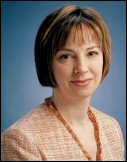
In the wake of the protests in Tunisia and Egypt, the United States has an opportunity to assist countries transition into stable democracies and to pressure allies in the Arab world to implement reforms before it is too late.
Source: MSNBC
Any substantial change in Egypt could portend a tectonic shift throughout the region, Michele Dunne said on MSNBC’s Dylan Ratigan Show. The grievances fueling the tumult in Egypt—unemployment, corruption, authoritarianism, and meaningless elections—are shared by citizens of many Arab states. There is an increasing gap between Arab governments and their citizens, Dunne warned.
Meanwhile, as the United States engages with Arab governments on geostrategic issues, its efforts to press for democratization and human rights have often been tepid, Dunne said. She noted that "the events in Tunisia and Egypt offer the United States the chance to assist countries in transition to becoming stable democracies." Moreover, she added, these events offer the United States the opportunity to pressure other allies to implement reforms before it is too late.

Former Nonresident Scholar, Middle East Program
Michele Dunne was a nonresident scholar in Carnegie’s Middle East Program, where her research focuses on political and economic change in Arab countries, particularly Egypt, as well as U.S. policy in the Middle East.
Recent Work


Yasmine Farouk, Nathan J. Brown, Maysaa Shuja Al-Deen, …
Robert Springborg, Emile Hokayem, Becca Wasser, …
Carnegie does not take institutional positions on public policy issues; the views represented herein are those of the author(s) and do not necessarily reflect the views of Carnegie, its staff, or its trustees.

Before the next wave of EU enlargement takes place, the union needs to grapple with thorny questions of how power is distributed among its members.


Emil Sondaj Hansen, Ditte Brasso Sørensen
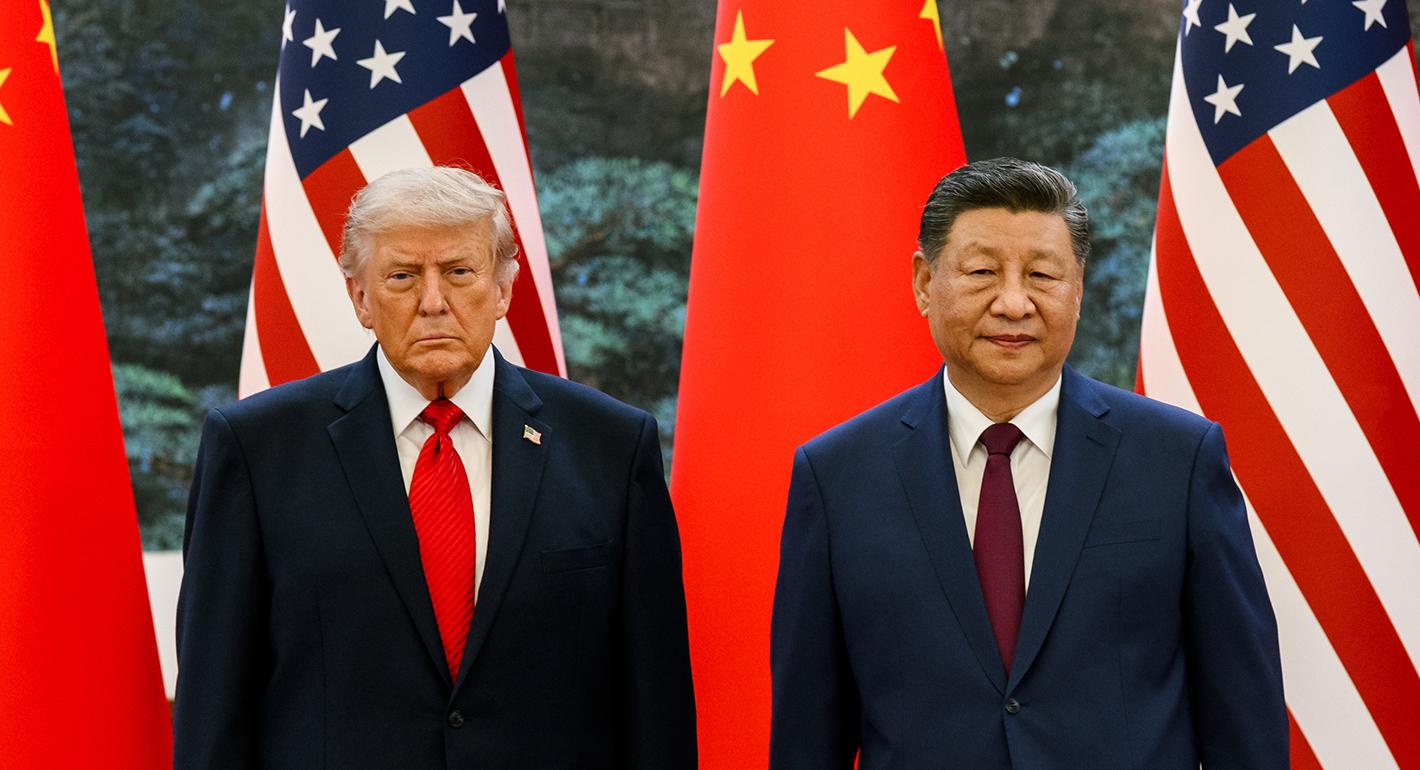
The real test may come after the leaders leave the room.



Sheena Chestnut Greitens, Oriana Skylar Mastro, Yukon Huang, …

The Horn of Africa countries are among those facing a new security calculus.


Andrew Leber, Lesley Anne Warner

The European far right might fail to steer EU policy in the direction Russia wants, but they will create enough chaos inside Europe to benefit the Kremlin.

Dimitar Bechev

The new U.S.–Denmark–Greenland agreement will help Washington exert political, economic, and financial dominance under the guise of security. Yet, it acknowledged Copenhagen’s and Nuuk’s sovereignty on the island.

Marc Pierini