

Q&A
Aaron David Miller, Karim Sadjadpour, Robin Wright
{
  "authors": [
    "Karim Sadjadpour"
  ],
  "type": "legacyinthemedia",
  "centerAffiliationAll": "dc",
  "centers": [
    "Carnegie Endowment for International Peace"
  ],
  "collections": [
    "Arab Awakening"
  ],
  "englishNewsletterAll": "menaTransitions",
  "nonEnglishNewsletterAll": "",
  "primaryCenter": "Carnegie Endowment for International Peace",
  "programAffiliation": "MEP",
  "programs": [
    "Middle East"
  ],
  "projects": [],
  "regions": [
    "Middle East",
    "Iran"
  ],
  "topics": [
    "Political Reform"
  ]
}
Source: Getty
Although the circumstances in Egypt and Iran are significantly different, protestors in Iran are being inspired by Egypt’s example and some of the Iranian opposition have begun to call for an end to the regime in Tehran.
Source: CNN
For the first time since the 1979 Islamic Revolution, the narrative in the region is no longer that Arabs are being inspired by Iranian theocracy, but that Iranians are being inspired by Arab, specifically Egyptian, democracy, explained Carnegie’s Karim Sadjadpour on CNN. However, “Egypt and Iran have some significant differences”, noted Sadjadpour. In particular, Iran has a great deal of oil wealth that it can use to financially co-opt its disaffected citizens and to arm its shock troops. Further, suggests Sadjadpour, “anti-American regimes like Iran are less vulnerable than U.S.-allied autocracies because Iran doesn’t have to worry about a reaching a threshold of violence where the U.S. will pull its funding.”
In the immediate aftermath of the contested June 2009 presidential elections, protesters were calling for transparent elections. Two years later, inspired by the revolutions in the Middle East, some of the opposition is calling for the downfall of the regime. While many of the leaders of the opposition, members of the old guard, are simply calling for reforms to the system, Sadjadpour explained that the youth are calling for structural changes. Moving forward, the opposition must coalesce around a common goal. In the short term, “it is going to be very difficult to rid Iran of the regime because the regime has a lot to work with in terms of oil wealth and shock troops,” said Sadjadpour. Yet he argued that the future does not augur well for Islamic Republic as change continues to sweep the region.

Senior Fellow, Middle East Program
Karim Sadjadpour is a senior fellow at the Carnegie Endowment for International Peace, where he focuses on Iran and U.S. foreign policy toward the Middle East.
Recent Work


Aaron David Miller, Karim Sadjadpour, Robin Wright

Aaron David Miller, David Petraeus, Karim Sadjadpour
Carnegie does not take institutional positions on public policy issues; the views represented herein are those of the author(s) and do not necessarily reflect the views of Carnegie, its staff, or its trustees.
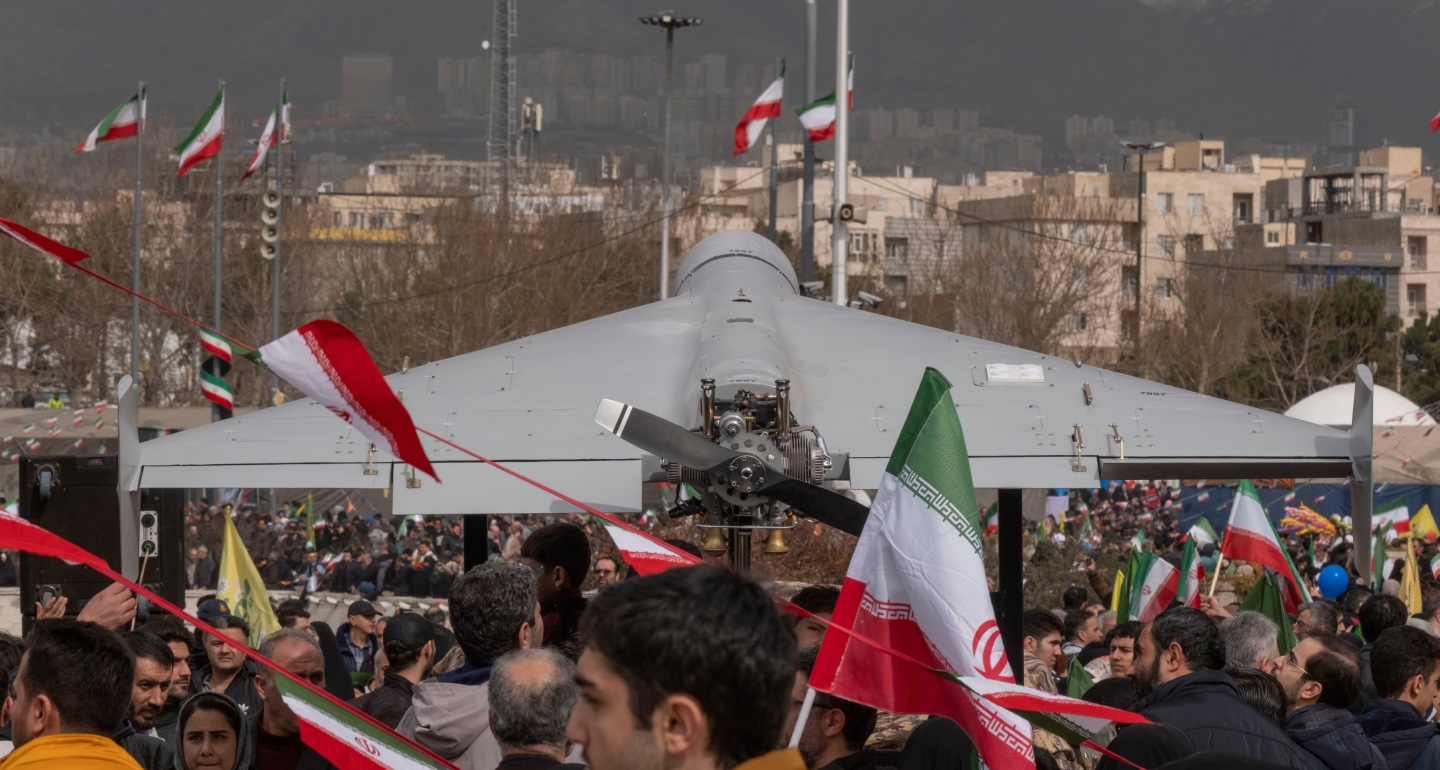
The Russian leadership wants to avoid a dangerous precedent in which it is squeezed out of Iran by the United States and Israel—and left powerless to respond in any meaningful way.

Nikita Smagin
One is hopeful. One is realistic. One is cautionary.

Andrew Leber, Sam Worby

In Ukraine, Gaza, and Iran, AI warfare has come to dominate, with barely any oversight or accountability. Europe must lead the charge on the responsible use of new military technologies.

Raluca Csernatoni
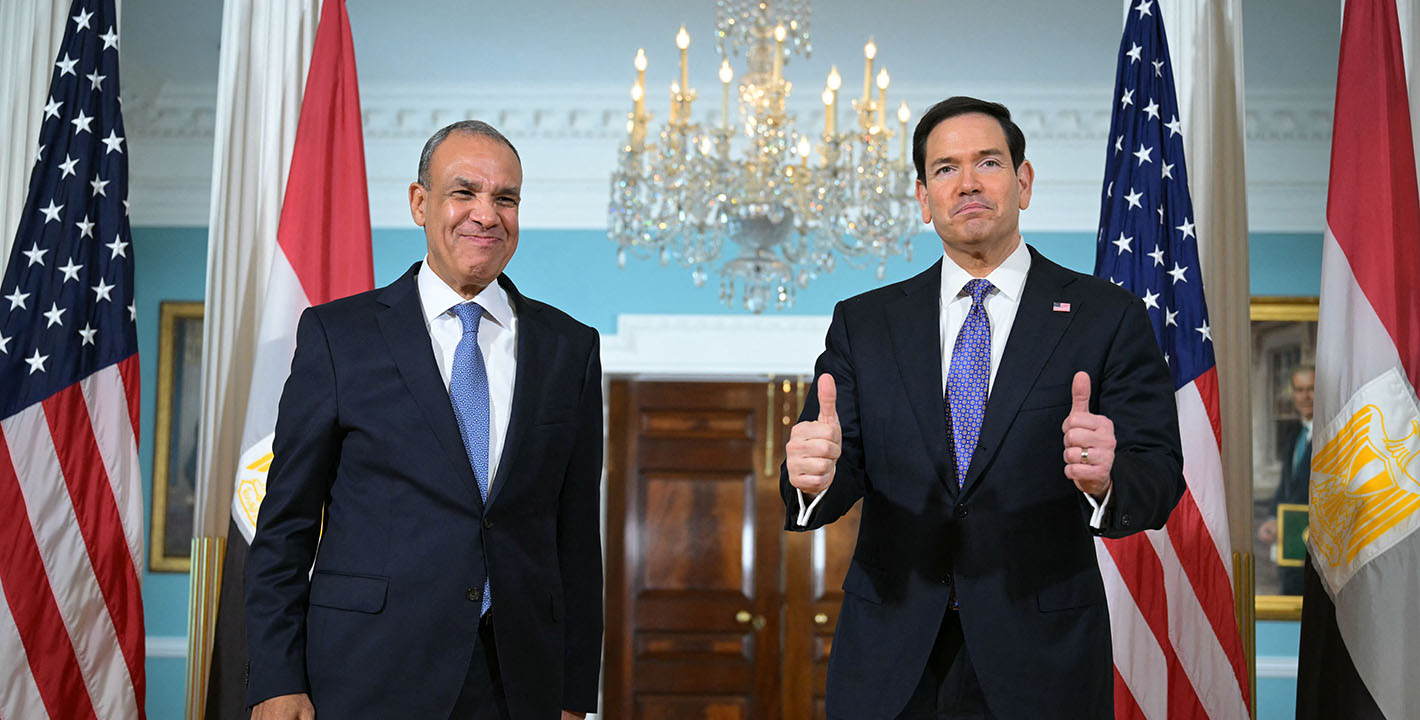
Cairo’s efforts send a message to the United States and the region that it still has a place at the diplomatic table.

Angie Omar
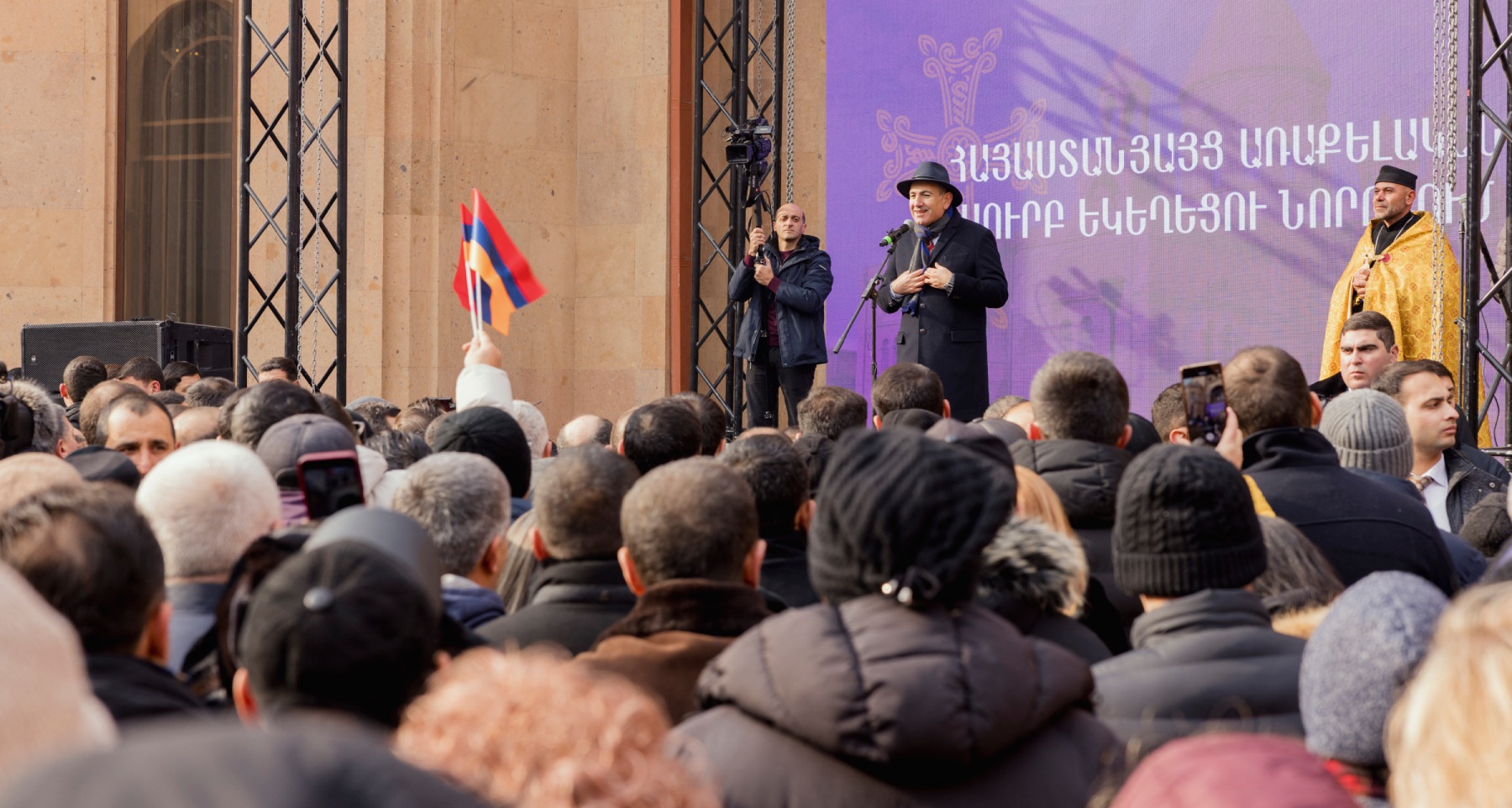
It’s true that many Armenians would vote for anyone just to be rid of Pashinyan, whom they blame for the loss of Nagorno-Karabakh, but the pro-Russia opposition is unlikely to be able to channel that frustration into an electoral victory.
Mikayel Zolyan