MELISSA BLOCK, host: The uprisings in the region are brewing at different strengths. Yesterday we talked about possibilities for further regime change in North Africa. Today, we'll focus on the Middle East with Michele Dunne, former Middle East specialist for the State department. She's now editor of the online journal, Arab Reform Bulletin. Michele, welcome back to the program.
Ms. MICHELE DUNNE (Editor, Arab Reform Bulletin): Thank you, Melissa.
BLOCK: And let's start with the country that's now seen weeks of violent protests - that's Yemen. And at least one demonstrator is reported killed there today. It's one of the poorest countries in the Arab world with an entrenched ruler in power for more than 30 years. Does it seem to you that Yemen is now at a tipping point or getting close?
Ms. DUNNE: Well, I'm very concerned about the situation in Yemen. Stability in the country was already threatened, really, before these demonstrations started. There's very serious economic problems. The country is running out of both water and oil. A southern cessation movement, rebellion in the north, and then the presence of al-Qaeda in the Arabian Peninsula, which is probably the most dangerous terrorist group in the Arab world.
So the demonstrations have started and the traditional opposition coalition, the Joint Meetings Party, initially was willing to negotiate with President Saleh. But I think because of the strength of the demonstrations, the Joint Meeting Party is now sort of backing out of that and saying that it doesn't trust Saleh and it's not willing to negotiate further with him.
BLOCK: Yemen has also been an ally of the United States in fighting terrorism. How do U.S. interests come to bear on what's going on in Yemen right now?
Ms. DUNNE: Well, most of the terrorist plots that we've seen aimed at Americans have been coming these days from al-Qaeda and the Arabian Peninsula, located in Yemen. So efforts against al-Qaeda, and that means cooperation with the Yemeni government, is extremely important in fighting terrorism. So this is really a difficult situation. You have a ruler who's been in power longer than Hosni Mubarak.
And I think, you know, legitimate grievances by the opposition there and by the young people who are, in effect, pushing the traditional opposition to go further. And yet, you know, this is a very unstable situation. I don't think you would see a transition in Yemen that would look even as smooth as what is happening in Egypt right now.
BLOCK: I want to turn from Yemen now to the kingdom of Jordan, ruled by King Abdullah, since his father, King Hussein, died. How is King Abdullah viewed by the Jordanian people?
Ms. DUNNE: In general, King Abdullah enjoys a good level of popularity among the population in Jordan. But I would say, you know, there are some differing views. One hears grumbling about corruption and conspicuous consumption on the part of the palace. Sometimes the tribes in Jordan, the so-called East Bank Jordanians, feel that the king isn't vigorous enough in protecting their interests.
And then there is the other part of Jordan, the community of Palestinian origin and they are, you know, always pushing for more democracy for, for example, for a prime minister that arises out of the elected parliament instead of one who is appointed by the king.
BLOCK: Let's end by talking now about Syria, which like Jordan is ruled by the son of a former ruler. In Syria's case it's Bashar al-Assad, who succeeded his father, Hafiz al-Assad. Fifty years now of Ba'athist rule in Syria, just about. And a regime that has, in the past, brutally crushed dissent. Successfully so in Syria?
Ms. DUNNE: Well, because of the brutal crackdown, particularly after, there was a kind of flowering of opposition in Syria in 2005 and a lot of people signed a Damascus declaration calling for reform and democracy in Syria. There was a very brutal crackdown after that. And now, a lot of the Syrian opposition is either out of the country or in jail, which I think is one of the reasons why the calls that had been going out for protests in Syria have really brought very few people to the streets so far.
BLOCK: If you think about the countries we've discussed now - Yemen, Jordan, Syria, maybe others - where would you say the opposition is most united around one cause?
Ms. DUNNE: Well, I know you had some information from Bahrain about the demonstrations there. I would say that's one of the places where we are really likely to see a lot of opposition because you've got that 70 percent or so of the population that is Shia and feels that the Sunni ruling family has been very insensitive to their demands and has really cracked down on them over the last six months or so.
So that's a place where I think there are very strong demands coming for, not necessarily the overturn of King Hamad as ruler of Bahrain, but a real overhaul of the political system and giving the elected parliament some power.
BLOCK: Michele Dunne, senior associate with the Carnegie Endowment for International Peace. Thanks very much.
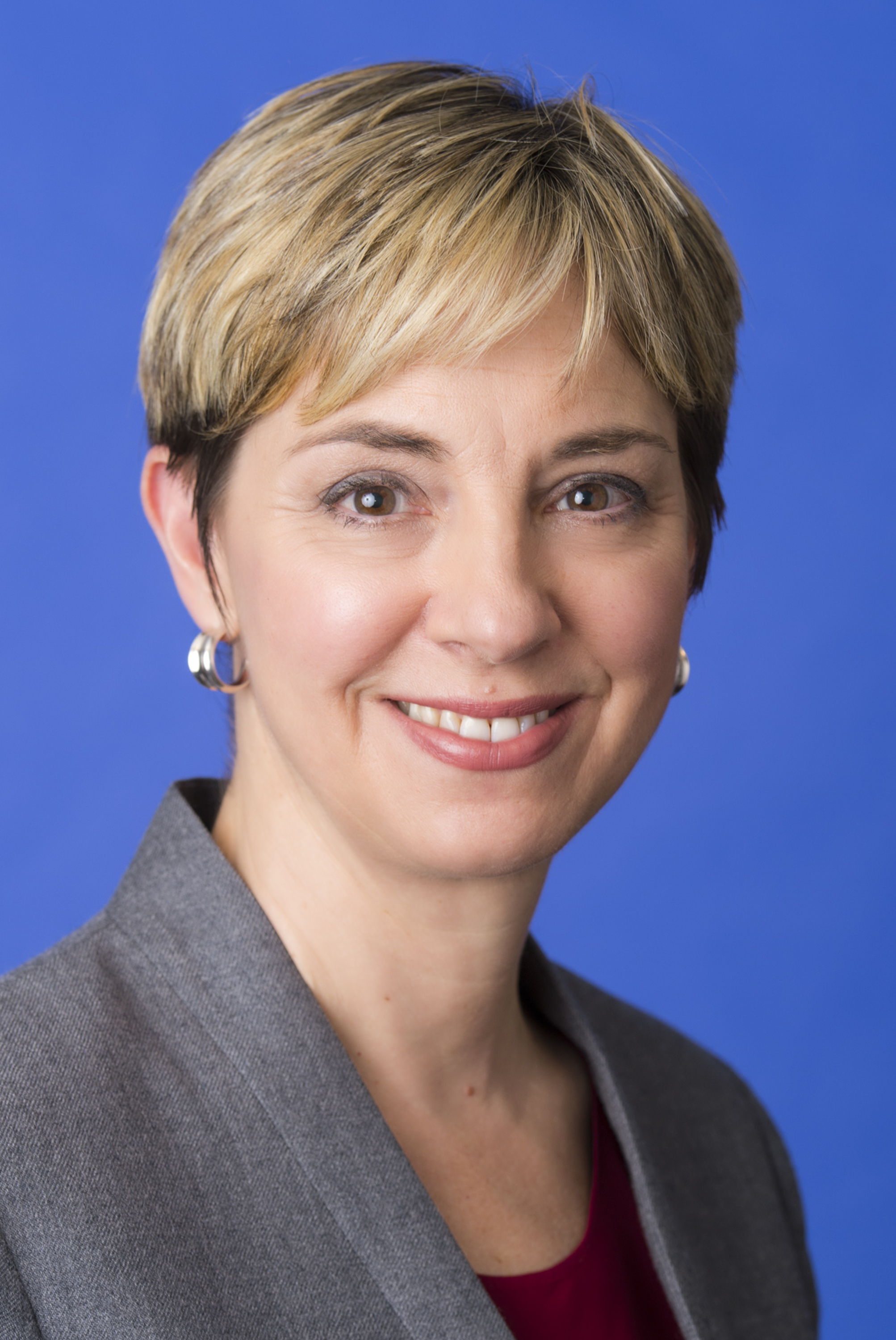
Michele Dunne was a nonresident scholar in Carnegie’s Middle East Program, where her research focused on political and economic change in Arab countries, particularly Egypt, as well as U.S. policy in the Middle East.
Carnegie does not take institutional positions on public policy issues; the views represented herein are those of the author(s) and do not necessarily reflect the views of Carnegie, its staff, or its trustees.
More Work from Carnegie Endowment for International Peace
After two years of mass protests, Serbia’s student-led movement has ousted Aleksandar Vučić. Now the Student List must prove it can deliver on its promises.
The global hydrocarbon order is changing. Economic diversification and developing productive economies have become essential for Middle Eastern and North African states, requiring them to address social and political challenges and rethink domestic, regional, and global settlements.