• Research
  • Emissary
  • About
  • Experts
Carnegie Global logoCarnegie lettermark logo
DemocracyIran
  • Donate
{
  "authors": [
    "Yukon Huang"
  ],
  "type": "testimony",
  "centerAffiliationAll": "dc",
  "centers": [
    "Carnegie Endowment for International Peace"
  ],
  "collections": [],
  "englishNewsletterAll": "asia",
  "nonEnglishNewsletterAll": "",
  "primaryCenter": "Carnegie Endowment for International Peace",
  "programAffiliation": "AP",
  "programs": [
    "Asia"
  ],
  "projects": [],
  "regions": [
    "East Asia",
    "China"
  ],
  "topics": [
    "Economy"
  ]
}
Source: Getty

Testimony

China's Internal Dilemmas

While China is now the world’s second largest economy, rising inequality poses serious risks to the country’s internal stability.

Link Copied
By Yukon Huang
Published on Feb 25, 2011
Program mobile hero image

Program

Asia

The Asia Program in Washington studies disruptive security, governance, and technological risks that threaten peace, growth, and opportunity in the Asia-Pacific region, including a focus on China, Japan, and the Korean peninsula.

Learn More

Source: February 25

While China has recently grown to become the world’s second largest economy, rising inequality poses serious risks to the country’s internal stability. The leadership has given greater priority to economic before political liberalization and assumed that rapid growth would be enough to maintain social balance. But the increasing incidence of protests and emerging tensions have raised concerns about the future. In testimony before the U.S.-China Economic and Security Review Commission, Yukon Huang describes the growing divide between coastal and inland, as well as urban and rural Chinese and outlines steps the Chinese leadership must take to avoid social unrest.

Policy Recommendations:

  • Resist the urge to "artificially" move production inland: China has benefited enormously from “unbalanced” growth that has favored coastal cities over isolated inland areas. Rather than trying to shift production to these underdeveloped regions, China should instead concentrate on improving their well-being through more regionally balanced social programs and improved infrastructure links that facilitate the movement of people and goods.
  • Oblige state corporations to pay higher dividends: China is unusual in that corporations have not been paying any significant share of their retained earnings to households or the government. Transfers to the budget through higher dividends stand to increase domestic consumption in social services, moderate growth in industrial investment, and help offset the bias in favor of exports.
  • Liberalize internal migration and the “hukou” system: A holdover from the days of central planning, the “hukou” system establishes a person’s official place of residency and determines access to social services and housing. Liberalizing the system would increase labor mobility and significantly reduce disparities between urban and rural Chinese by making it easier for the poor to access better jobs.

“Even with rapid growth, widening disparities are now threatening the fabric of society,” Huang writes. “How China handles this complex set of issues will have profound implications for internal security.”

About the Author

Yukon Huang

Senior Fellow, Asia Program

Huang is a senior fellow in the Carnegie Asia Program where his research focuses on China’s economy and its regional and global impact.

    Recent Work
  • Commentary
    Three Takeaways From the Biden-Xi Meeting

      Yukon Huang, Isaac B. Kardon, Matt Sheehan

  • Commentary
    Europe Narrowly Navigates De-risking Between Washington and Beijing

      Yukon Huang, Genevieve Slosberg

Yukon Huang
Senior Fellow, Asia Program
Yukon Huang
EconomyEast AsiaChina

Carnegie does not take institutional positions on public policy issues; the views represented herein are those of the author(s) and do not necessarily reflect the views of Carnegie, its staff, or its trustees.

More Work from Carnegie Endowment for International Peace

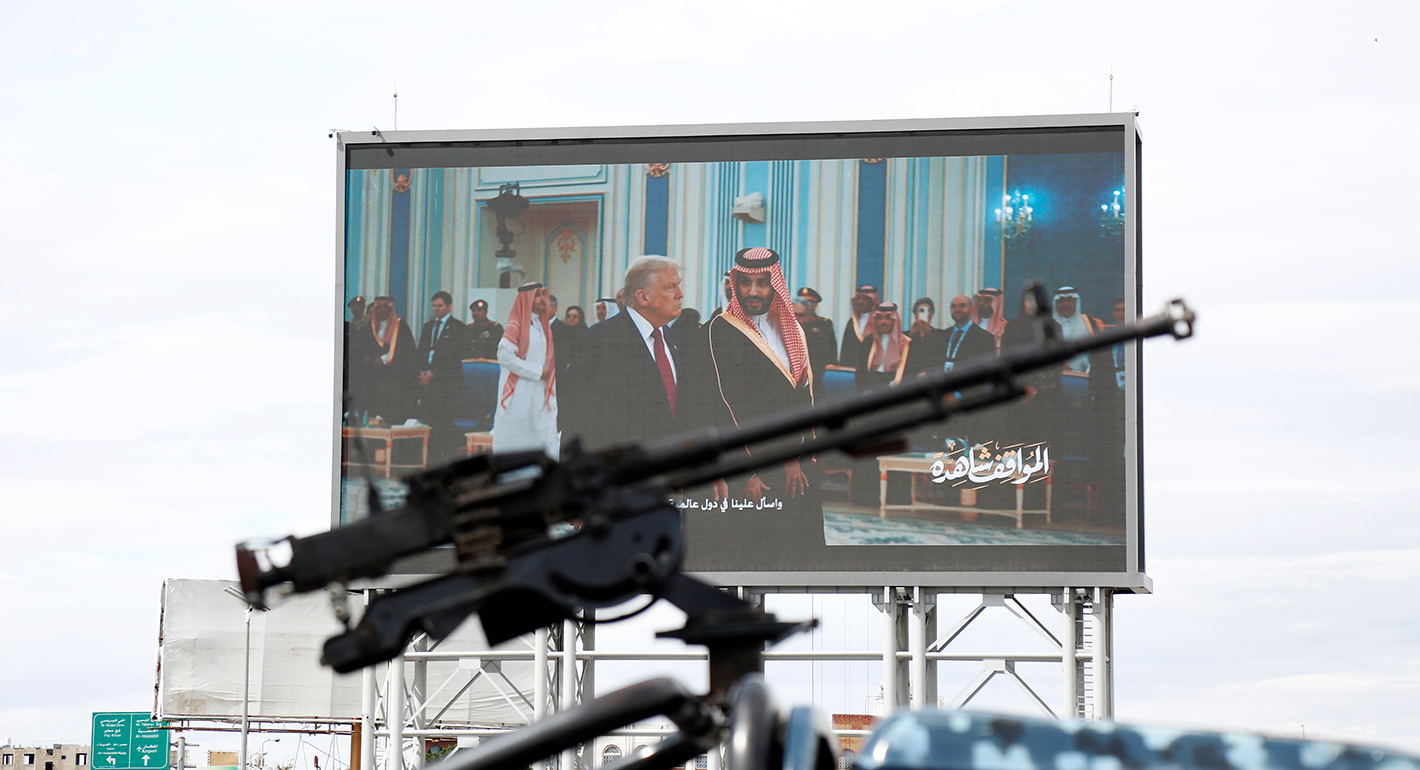
  •  A machine gun of a Houthi soldier mounted on a police vehicle next to a billboard depicting the U.S. president Donald Trump and Mohammed Bin Salman, the Crown Prince and Prime Minister of Saudi Arabia, during a protest staged to show support to Iran against the U.S.-Israel war on March 27, 2026 in Sana'a, Yemen.
    Collection
    The Iran War’s Global Reach

    As the war between the United States, Israel, and Iran continues, Carnegie scholars contribute cutting-edge analysis on the events of the war and their wide-reaching implications. From the impact on Iran and its immediate neighbors to the responses from Gulf states to fuel and fertilizer shortages caused by the effective shutdown of the Strait of Hormuz, the war is reshaping Middle East alliances and creating shockwaves around the world. Carnegie experts analyze it all.

  • Commentary
    China’s Energy Security Doesn’t Run Through Hormuz but Through the Electrification of Everything

    Across Asia, China is better positioned to withstand energy shocks from the fallout of the Iran war. Its abundant coal capacity can ensure stability in the near term. Yet at the same time, the country’s energy transition away from coal will make it even less vulnerable during the next shock.


      • Damien Ma

      Damien Ma

  • Commentary
    Southeast Asia’s Agency Amid the New Oil Crisis

    There is no better time for the countries of Southeast Asia to reconsider their energy security than during this latest crisis.
      Gita Wirjawan
  • Commentary
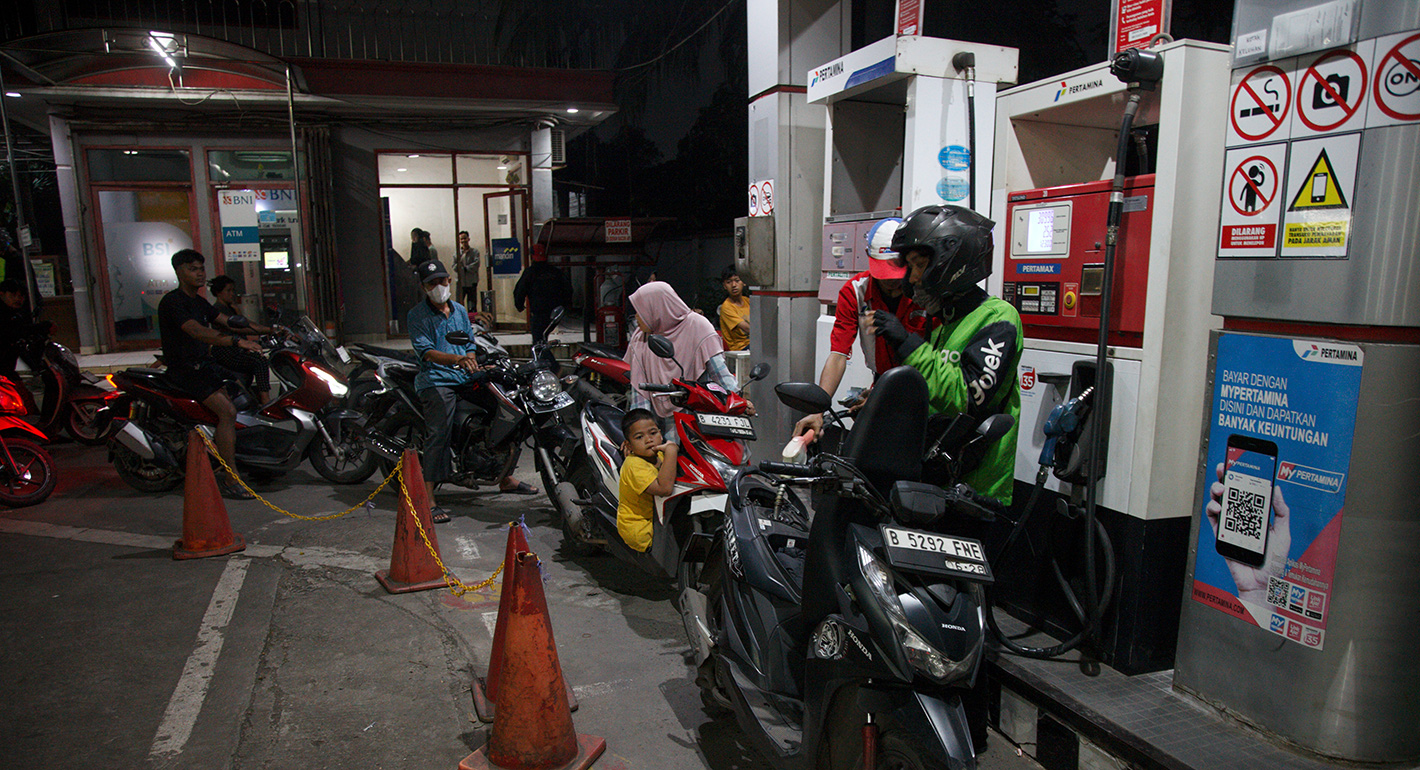
    Fuel Crisis Forces Politically Perilous Trade-Offs in Indonesia

    As conflict in the Middle East drives up fuel costs across Asia, Indonesia faces difficult policy trade-offs over subsidies, inflation, and fiscal credibility. President Prabowo’s personalized governance style may make these hard choices even harder to navigate.
      Sana Jaffrey
  • Commentary
    Emissary
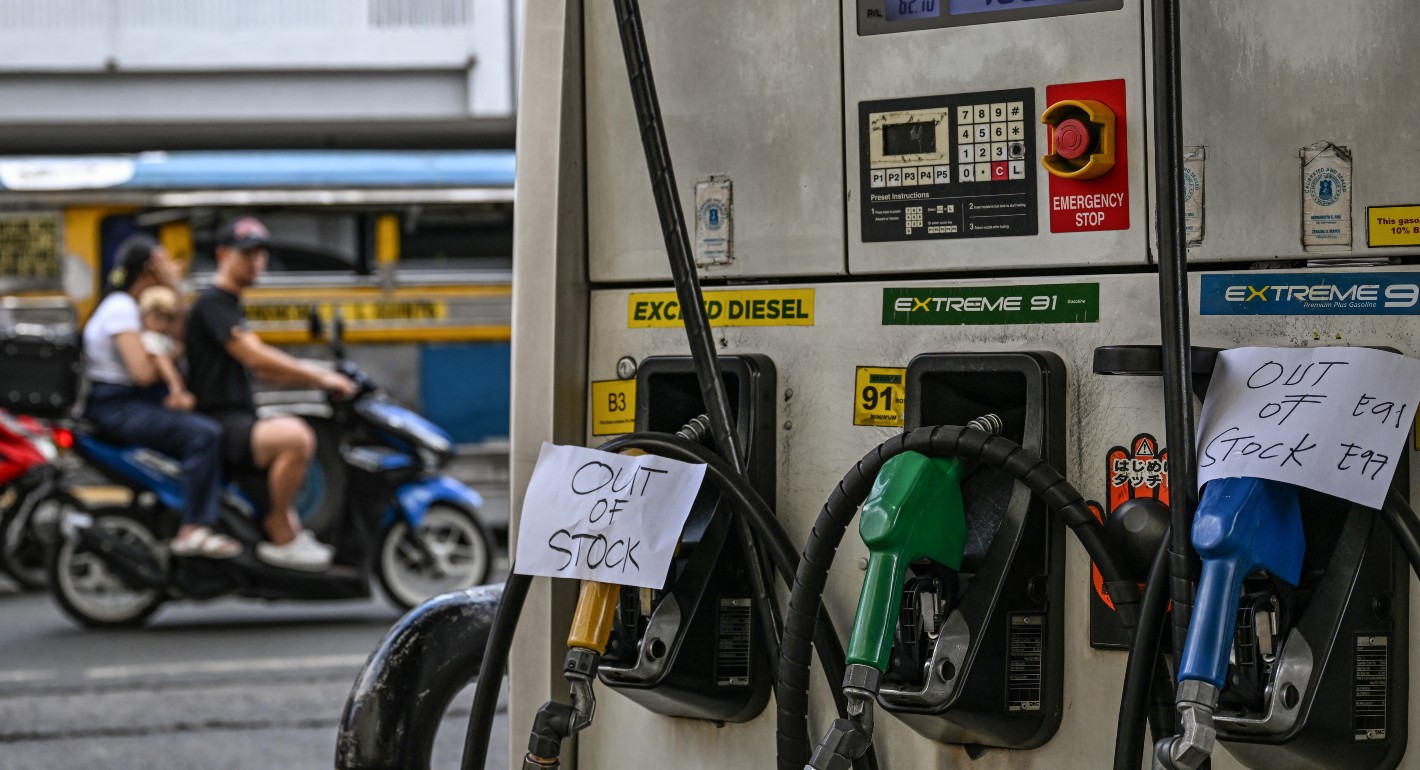
    In Its Iran War Debate, Washington Has Lost the Plot in Asia

    The United States ignores the region’s lived experience—and the tough political and social trade-offs the war has produced—at its peril.

      Evan A. Feigenbaum
Get more news and analysis from
Carnegie Endowment for International Peace
Carnegie global logo, stacked
1779 Massachusetts Avenue NWWashington, DC, 20036-2103Phone: 202 483 7600Fax: 202 483 1840
  • Research
  • Emissary
  • About
  • Experts
  • Donate
  • Programs
  • Events
  • Blogs
  • Podcasts
  • Contact
  • Annual Reports
  • Careers
  • Privacy
  • For Media
  • Government Resources
Get more news and analysis from
Carnegie Endowment for International Peace
© 2026 Carnegie Endowment for International Peace. All rights reserved.