• Research
  • Emissary
  • About
  • Experts
Carnegie Global logoCarnegie lettermark logo
DemocracyIran
  • Donate
{
  "authors": [
    "Stephen Tankel"
  ],
  "type": "testimony",
  "centerAffiliationAll": "dc",
  "centers": [
    "Carnegie Endowment for International Peace"
  ],
  "collections": [],
  "englishNewsletterAll": "ctw",
  "nonEnglishNewsletterAll": "",
  "primaryCenter": "Carnegie Endowment for International Peace",
  "programAffiliation": "SAP",
  "programs": [
    "South Asia"
  ],
  "projects": [],
  "regions": [
    "South Asia",
    "Pakistan"
  ],
  "topics": [
    "Political Reform",
    "Security"
  ]
}
Source: Getty

Testimony

LeT Unlikely to Take al-Qaeda’s Place

The Pakistani militant group Lashkar-e-Taiba—while unlikely to replace al-Qaeda at the forefront of global jihad even with bin Laden’s death—has the capability to threaten the U.S. homeland.

Link Copied
By Stephen Tankel
Published on May 3, 2011
Program mobile hero image

Program

South Asia

The South Asia Program informs policy debates relating to the region’s security, economy, and political development. From strategic competition in the Indo-Pacific to India’s internal dynamics and U.S. engagement with the region, the program offers in-depth, rigorous research and analysis on South Asia’s most critical challenges.

Learn More

Source: May 3

The death of Osama bin Laden has badly weakened al-Qaeda and deprived Islamic extremists of their most visible leader. In testimony before the House Homeland Security Committee, Stephen Tankel explains how the Pakistani militant group Lashkar-e-Taiba (LeT)—while unlikely to replace al-Qaeda at the forefront of global jihad even with bin Laden’s death—has the capability to threaten the U.S. homeland.

U.S. Policy Recommendations:

  • Deliver a clear message to Pakistan: The United States should continue to signal to Pakistan the severe repercussions that would result if LeT or elements within it were involved in an attack against American interests at home or abroad.

  • Improve intelligence sharing: The United States should push Pakistan to provide intelligence regarding LeT’s international networks and begin taking steps to dismantle LeT’s training apparatus in the Federally Administered Tribal Areas.

  • Push for a program to disarm, demobilize, and reintegrate militants: The United States should partner with a third country, possibly Saudi Arabia, to spur Pakistan’s launch of a formal program to reintegrate LeT fighters back into society. Such a program could then be used to deactivate militants from LeT as well as other extremist organizations within Pakistan.

“Lashkar-e-Taiba is one of Pakistan’s oldest and most powerful militant groups,” concludes Tankel. “Dismantling LeT must be a gradual process in order to avoid provoking a major backlash that could destabilize Pakistan or cause the group’s transnational operatives to be unleashed.”

About the Author

Stephen Tankel

Former Nonresident Scholar, South Asia Program

Tankel was a nonresident scholar at the Carnegie Endowment, where his research focuses on insurgency, terrorism, and the evolution of nonstate armed groups.

    Recent Work

  • Q&A
    Restoring Trust: U.S.-Pakistan Relations

      Stephen Tankel

  • Q&A
    LeT’s Global Rise

      Stephen Tankel

Stephen Tankel
Former Nonresident Scholar, South Asia Program
Stephen Tankel
Political ReformSecuritySouth AsiaPakistan

Carnegie does not take institutional positions on public policy issues; the views represented herein are those of the author(s) and do not necessarily reflect the views of Carnegie, its staff, or its trustees.
More Work from Carnegie Endowment for International Peace

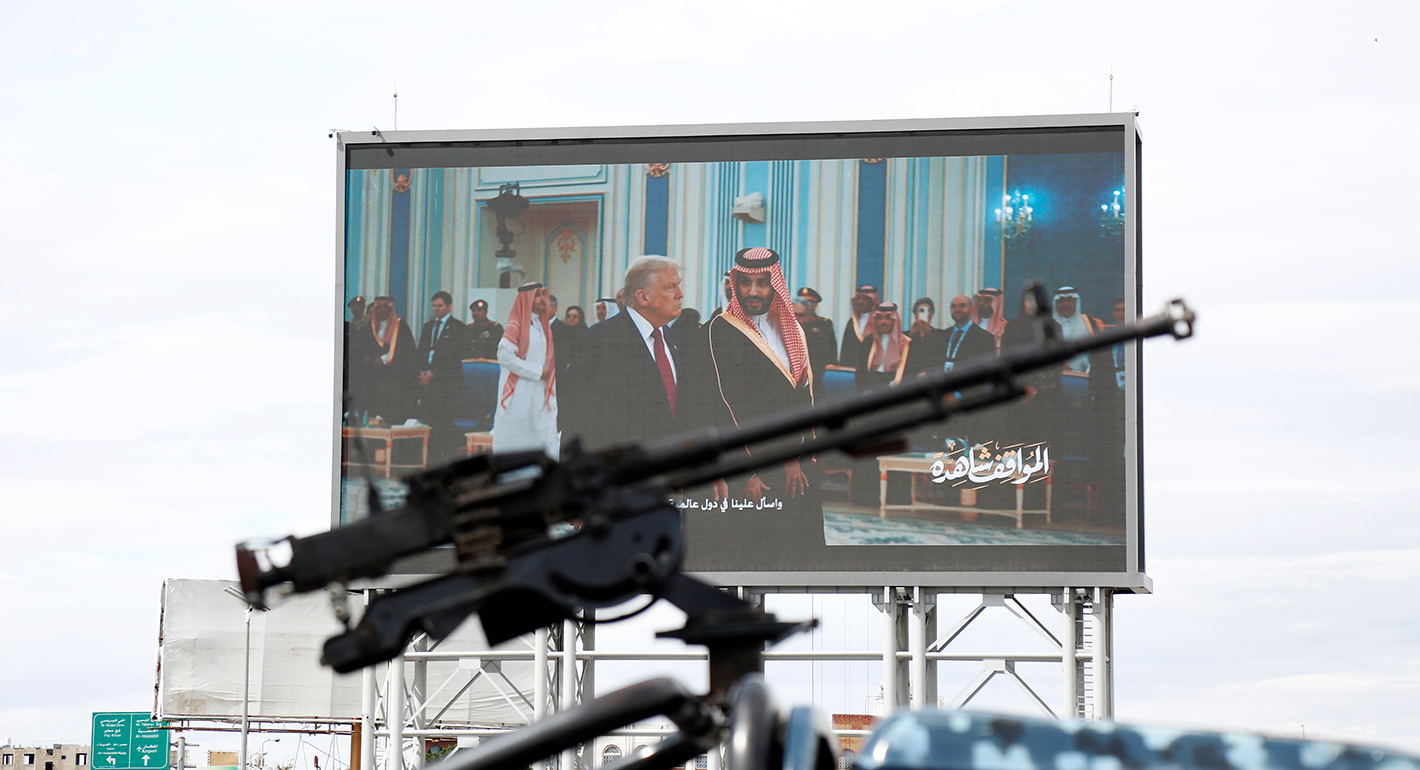
  •  A machine gun of a Houthi soldier mounted on a police vehicle next to a billboard depicting the U.S. president Donald Trump and Mohammed Bin Salman, the Crown Prince and Prime Minister of Saudi Arabia, during a protest staged to show support to Iran against the U.S.-Israel war on March 27, 2026 in Sana'a, Yemen.
    Collection
    The Iran War’s Global Reach

    As the war between the United States, Israel, and Iran continues, Carnegie scholars contribute cutting-edge analysis on the events of the war and their wide-reaching implications. From the impact on Iran and its immediate neighbors to the responses from Gulf states to fuel and fertilizer shortages caused by the effective shutdown of the Strait of Hormuz, the war is reshaping Middle East alliances and creating shockwaves around the world. Carnegie experts analyze it all.

  •  A machine gun of a Houthi soldier mounted on a police vehicle next to a billboard depicting the U.S. president Donald Trump and Mohammed Bin Salman, the Crown Prince and Prime Minister of Saudi Arabia, during a protest staged to show support to Iran against the U.S.-Israel war on March 27, 2026 in Sana'a, Yemen.
    Article
    Amid Iran War, Gulf Countries Slow the Pace of Reforms

    The return of war as the organizing factor in Middle Eastern politics has predictable consequences: governments are prioritizing regime stability and becoming averse to political and social reform.


      • Sarah Yerkes

      Sarah Yerkes, Amr Hamzawy

  • Commentary
    Strategic Europe
    Taking the Pulse: Can NATO Survive the Iran War?

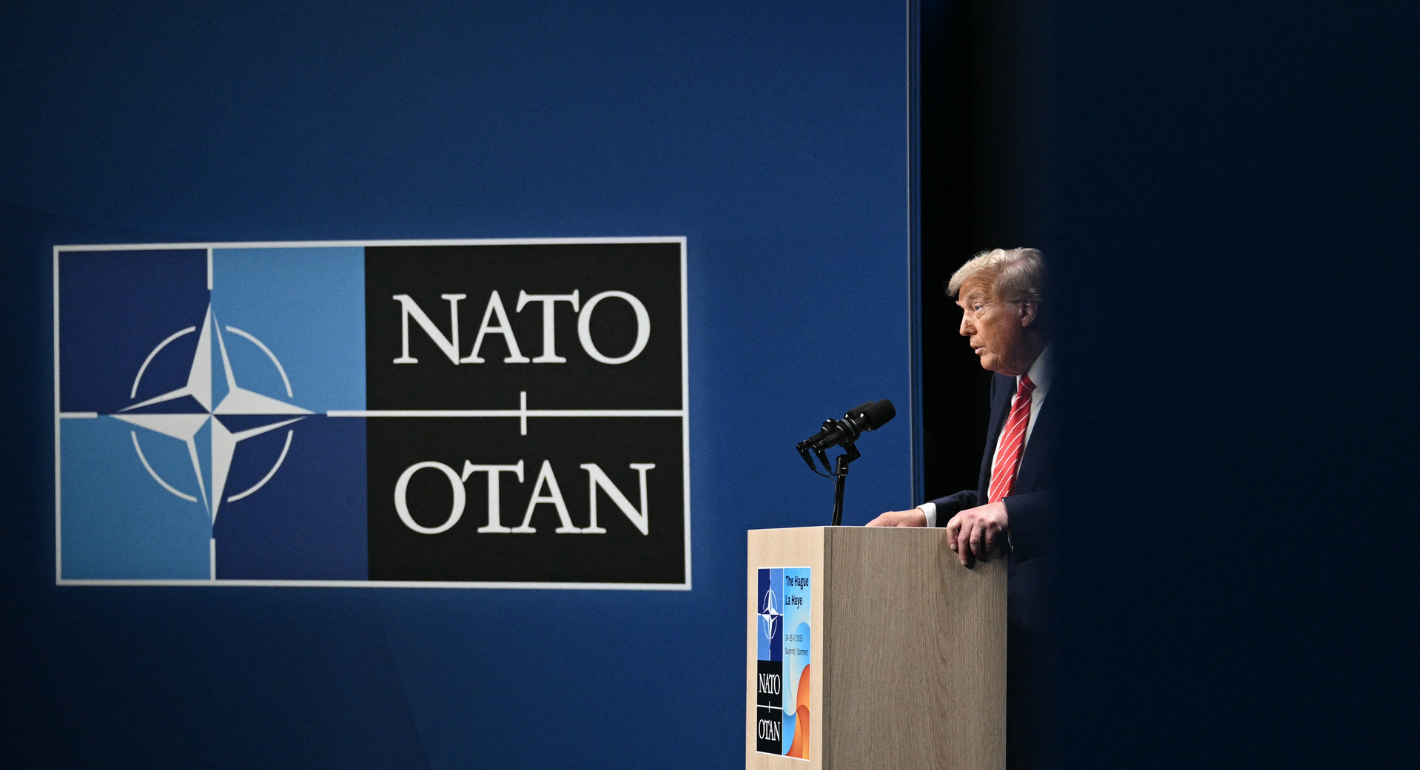
    Donald Trump has repeatedly bashed NATO and European allies, threatening to annex Canada and Greenland and deploring their lack of enthusiasm for his war of choice in Iran. Is this latest round of abuse the final straw?

      • Rym Momtaz

      Rym Momtaz, ed.

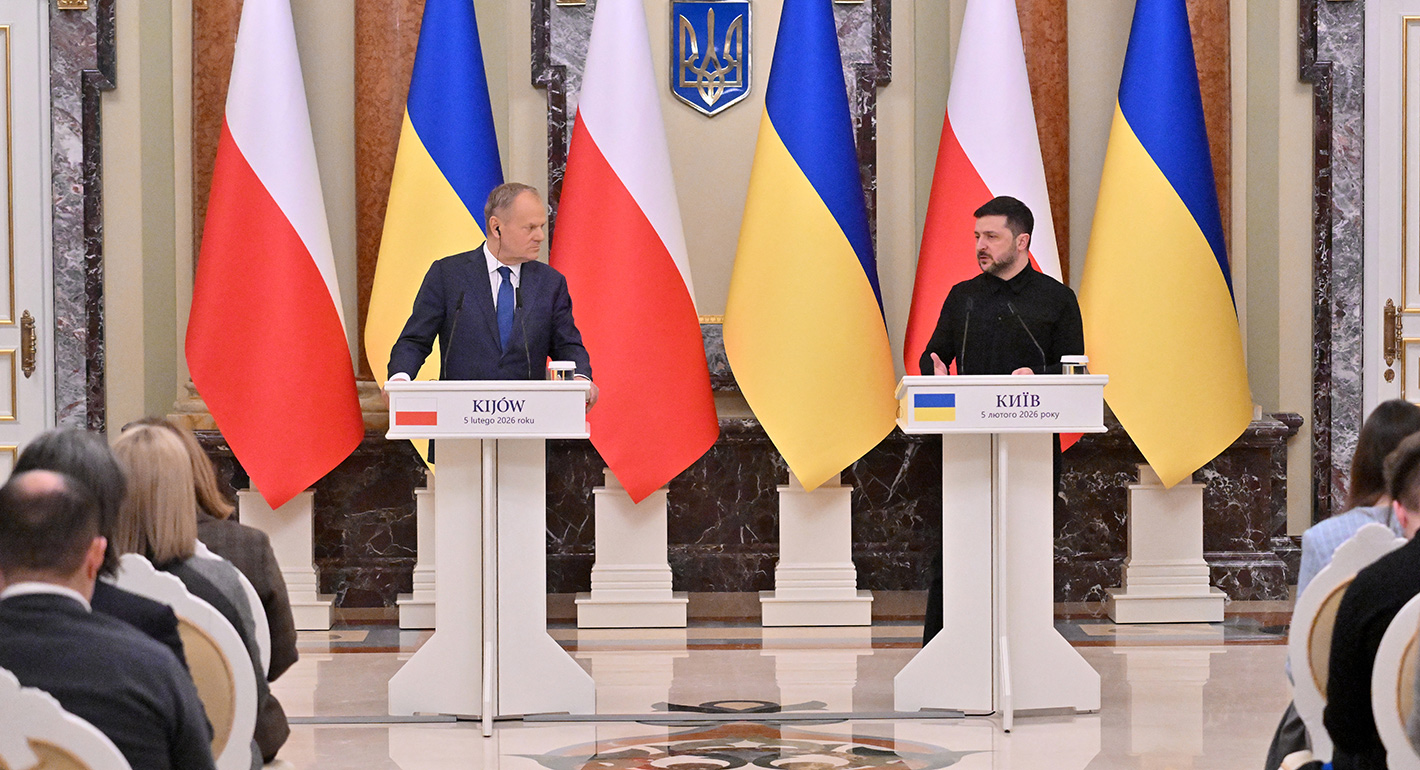
  • Ukraine's President Volodymyr Zelensky (R) and Poland's Prime Minister Donald Tusk attend a press conference at the Mariinskyi Palace in Kyiv on February 5, 2026, amid the Russian invasion of Ukraine.
    Article
    Kindred Nations, Uneasy Neighbors: Polish-Ukrainian Relations in the Crucible of Russia’s War

    The full-scale invasion cemented Ukraine’s determination to sever its ties with Russia; reimagining the Poland-Ukraine partnership can accelerate Kyiv’s westward alignment and improve the security of both countries.
      Eric Green

  • Commentary
    Emissary
    In Its Iran War Debate, Washington Has Lost the Plot in Asia

    The United States ignores the region’s lived experience—and the tough political and social trade-offs the war has produced—at its peril.

      Evan A. Feigenbaum

Get more news and analysis from
Carnegie Endowment for International Peace
Carnegie global logo, stacked
1779 Massachusetts Avenue NWWashington, DC, 20036-2103Phone: 202 483 7600Fax: 202 483 1840
  • Research
  • Emissary
  • About
  • Experts
  • Donate
  • Programs
  • Events
  • Blogs
  • Podcasts
  • Contact
  • Annual Reports
  • Careers
  • Privacy
  • For Media
  • Government Resources
Get more news and analysis from
Carnegie Endowment for International Peace
© 2026 Carnegie Endowment for International Peace. All rights reserved.