In The Media
Minxin Pei
{
  "authors": [
    "Minxin Pei"
  ],
  "type": "legacyinthemedia",
  "centerAffiliationAll": "dc",
  "centers": [
    "Carnegie Endowment for International Peace"
  ],
  "collections": [],
  "englishNewsletterAll": "asia",
  "nonEnglishNewsletterAll": "",
  "primaryCenter": "Carnegie Endowment for International Peace",
  "programAffiliation": "AP",
  "programs": [
    "Asia"
  ],
  "projects": [],
  "regions": [
    "East Asia",
    "China"
  ],
  "topics": [
    "Political Reform",
    "Economy"
  ]
}
Source: Getty
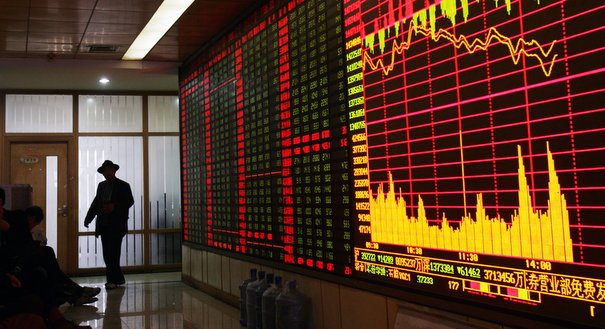
Inflation poses a particularly significant challenge to China's leadership, since it can both incite broad-based dissatisfaction among diverse social groups and create fissures among the ruling elite.
Source: Diplomat

First, some data and a little background. To be sure, rising inflation isn’t a recent economic challenge for China—prices were spiking as early as last autumn. What makes China’s recent round of inflation fighting interesting is the apparent ineffectiveness of the measures adopted by the government, including raising interest rates, hiking the bank reserve ratio (so that less money is lent out), and imposing price controls on some goods. According to official data, China’s consumer price index (CPI) rose 5.3 percent in April, following a slightly higher increase of 5.4 percent in March. The inflation numbers for the last six months kept hovering around 5 percent per annum, considered high by China’s historical standards (the average inflation rate per year was 4.3 percent from 1994 to 2010).
For a rapidly growing economy such as China’s, some inflation is inevitable. But in the Chinese case, there are additional causes fuelling price increases. The massive credit boom unleashed by the Chinese government to revive growth in 2009 obviously succeeded—perhaps too well. Tighter labour supply, due to changing demographics, has pressured wages upwards. Global food price hikes have also hit China—food price inflation for April was 11 percent, which was double the CPI.
The problem could be being compounded by Beijing’s policies. For a start, interest rates are too low. Despite recent increases, the one-year lending rate today is 6.31 percent a year, barely one percentage point above the inflation rate. The deposit rate, at 3 percent a year, remains negative, making putting money in Chinese banks a losing bet. Quantitative tightening through raising the bank reserve ratio, meanwhile, has been ineffective—since last October, Beijing has increased the bank reserve ratio eight times, to a record of 21 percent (meaning that one-fifth of bank deposits can’t be loaned out). However, China’s shadow banking system, consisting of various non-bank finance companies and clever regulation-evading schemes, is hard to subdue.
So it appears that rising inflation will be with China for quite some time, raising an interesting political issue: will rising inflation create social instability in China, and if so, how?
Chinese leaders have good reason to fear rising inflation. The Kuomintang government lost the Chinese civil war to the Communists in the late 1940s, as the legend goes, mainly because it allowed hyperinflation to destroy the wealth of the urban middle class. Another anecdote frequently cited by observers of China was the Tiananmen pro-democracy movement in 1989. In 1988, China’s failed price reform led to price spirals and panic buying in cities. So some observers attributed the massive nationwide protest that occurred in the spring of 1989 to high inflation at that time.
Yet, such interpretations may be simplistic. True, inflation tends to intensify economic grievances and alienate urban middle class elements, but inflation alone rarely sparks revolutions. For inflation to produce a real and substantial political effect, it must occur in a unique political context. For instance, it wasn’t inflation per se that triggered the Tiananmen protest—two critical political factors drove the confrontation in the spring of 1989. First, liberal intelligentsia and college students were dissatisfied with the pace of political reform. Second, serious divisions emerged within the top ruling elites—between moderate liberals such as Zhao Ziyang, and hard-line conservatives—long before the inflation spikes of 1988.
Today’s Chinese leaders actually understand the politics of inflation better than many analysts give them credit for. In particular, they deeply appreciate the two mechanisms through which inflation could lead to social and political instability.
The first mechanism through which rising inflation is translated into general social discontent works at the grassroots level. In a one-party system such as China’s, government policies that result in social injustice and official abuse of power inevitably create many enemies. Under normal circumstances, such disgruntled—but unorganized—elements are relatively easy to handle. When they protest or engage in anti-government activities, Beijing can dispatch its riot police and efficiently quell such social disturbances since they are mostly small in scale and localized.
However, the political dynamics of social protest change dramatically when inflation is high and keeps rising. The critical political function performed by inflation is coordination—high inflation sends out a signal to many disparate groups, each of which are unhappy with the status quo for different reasons and at different times. Galloping inflation makes such groups unhappy at the same time. The result is easy to imagine: when inflation is higher, social disturbances can grow larger, attract different groups, and become more intense.
The second mechanism for turning inflation into a political powder keg operates at the elite level. The secret to the survival of the Chinese Communist Party is elite unity. Such unity is easier to maintain when the economy performs well, but becomes more tenuous when economic indicators deteriorate. One reason for the erosion of elite unity in hard times is simple: some key constituencies within the system, such as state-owned enterprises, local governments, or private businesses closely connected with government officials, will be hurt by the necessary policy adjustments. Politics becomes zero-sum. Credit rationing, for example, has dampened China’s real estate market, in which powerful interest groups have huge stakes. So defending their interests will pit one group against another. Elite unity also declines when inflation rises because of the blame game—some senior official must take responsibility for the mess. In 1988, Zhao Ziyang was criticized by conservatives for mismanaging price reforms (although the idea for price reforms originally came from Deng Xiaoping). Today, if inflation isn’t tamed soon, it’s almost certain that someone at the top will have to take responsibility.
Had the Chinese Communist Party not been gearing itself up for the leadership transition in autumn 2012, a little shake-up at the top might not turn into a political earthquake. But as we all know, succession politics in China is entering its most delicate and tricky phase. Any infighting among the ruling elites—over anything—could upset the balance of power and throw an otherwise orderly process into turmoil.
No wonder some Chinese leaders are losing sleep over relatively tame inflation numbers.
Former Adjunct Senior Associate, Asia Program
Pei is Tom and Margot Pritzker ‘72 Professor of Government and the director of the Keck Center for International and Strategic Studies at Claremont McKenna College.
Recent Work
Minxin Pei
Minxin Pei
Carnegie does not take institutional positions on public policy issues; the views represented herein are those of the author(s) and do not necessarily reflect the views of Carnegie, its staff, or its trustees.
As the war between the United States, Israel, and Iran continues, Carnegie scholars contribute cutting-edge analysis on the events of the war and their wide-reaching implications. From the impact on Iran and its immediate neighbors to the responses from Gulf states to fuel and fertilizer shortages caused by the effective shutdown of the Strait of Hormuz, the war is reshaping Middle East alliances and creating shockwaves around the world. Carnegie experts analyze it all.
The return of war as the organizing factor in Middle Eastern politics has predictable consequences: governments are prioritizing regime stability and becoming averse to political and social reform.


Sarah Yerkes, Amr Hamzawy

Across Asia, China is better positioned to withstand energy shocks from the fallout of the Iran war. Its abundant coal capacity can ensure stability in the near term. Yet at the same time, the country’s energy transition away from coal will make it even less vulnerable during the next shock.

Damien Ma
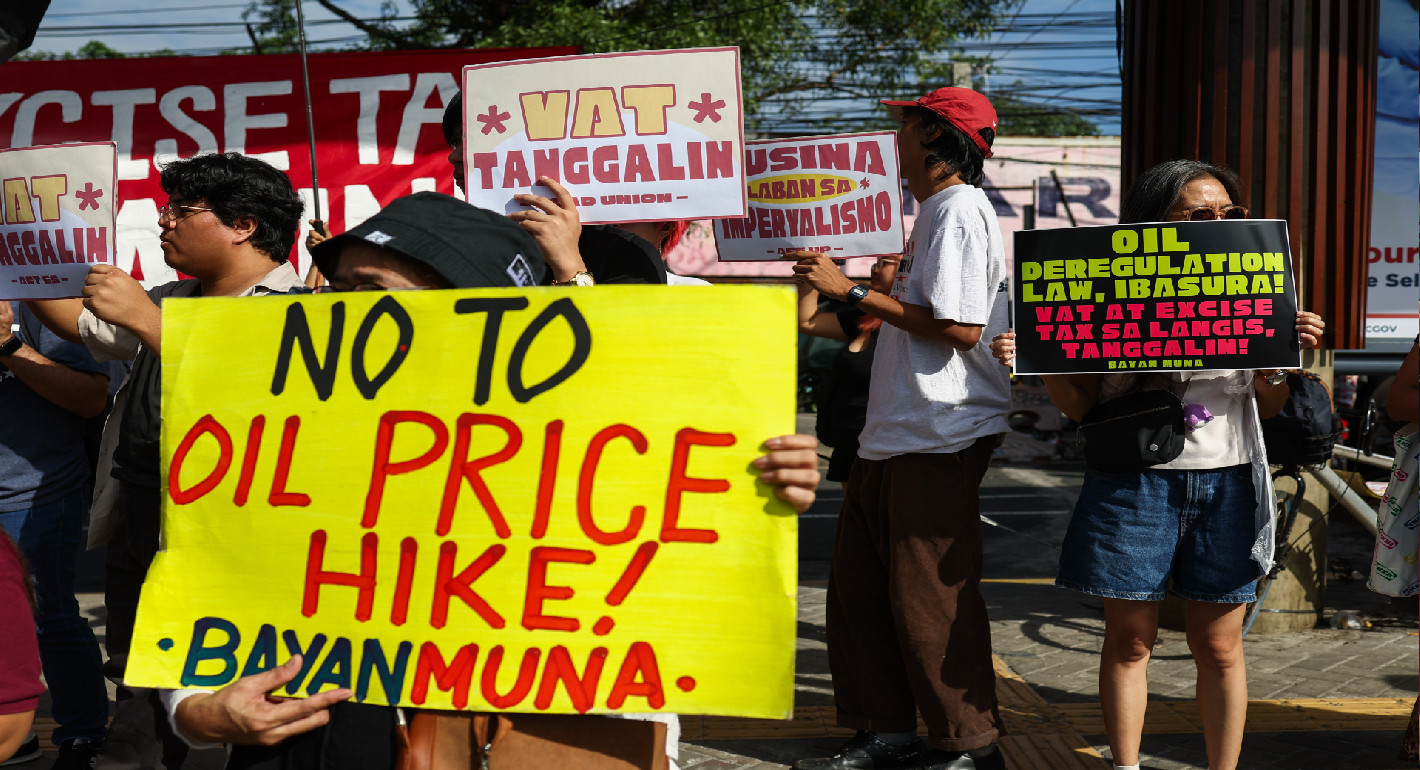
There is no better time for the countries of Southeast Asia to reconsider their energy security than during this latest crisis.
Gita Wirjawan
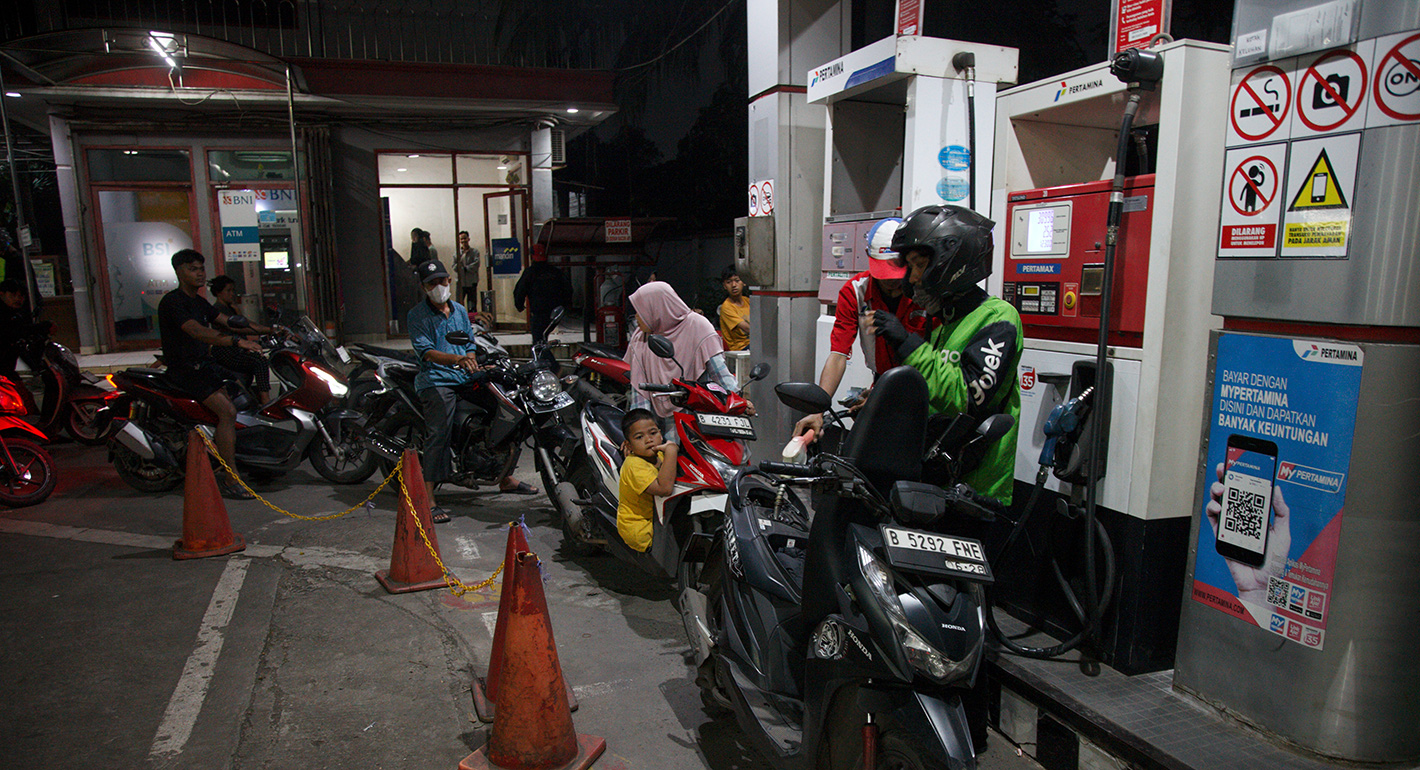
As conflict in the Middle East drives up fuel costs across Asia, Indonesia faces difficult policy trade-offs over subsidies, inflation, and fiscal credibility. President Prabowo’s personalized governance style may make these hard choices even harder to navigate.

Sana Jaffrey