Paper
David Burwell
{
  "authors": [
    "David Burwell"
  ],
  "type": "legacyinthemedia",
  "centerAffiliationAll": "dc",
  "centers": [
    "Carnegie Endowment for International Peace",
    "Carnegie Europe"
  ],
  "collections": [],
  "englishNewsletterAll": "ctw",
  "nonEnglishNewsletterAll": "",
  "primaryCenter": "Carnegie Endowment for International Peace",
  "programAffiliation": "SCP",
  "programs": [
    "Sustainability, Climate, and Geopolitics"
  ],
  "projects": [],
  "regions": [
    "North America",
    "United States"
  ],
  "topics": [
    "Climate Change"
  ]
}
Source: Getty
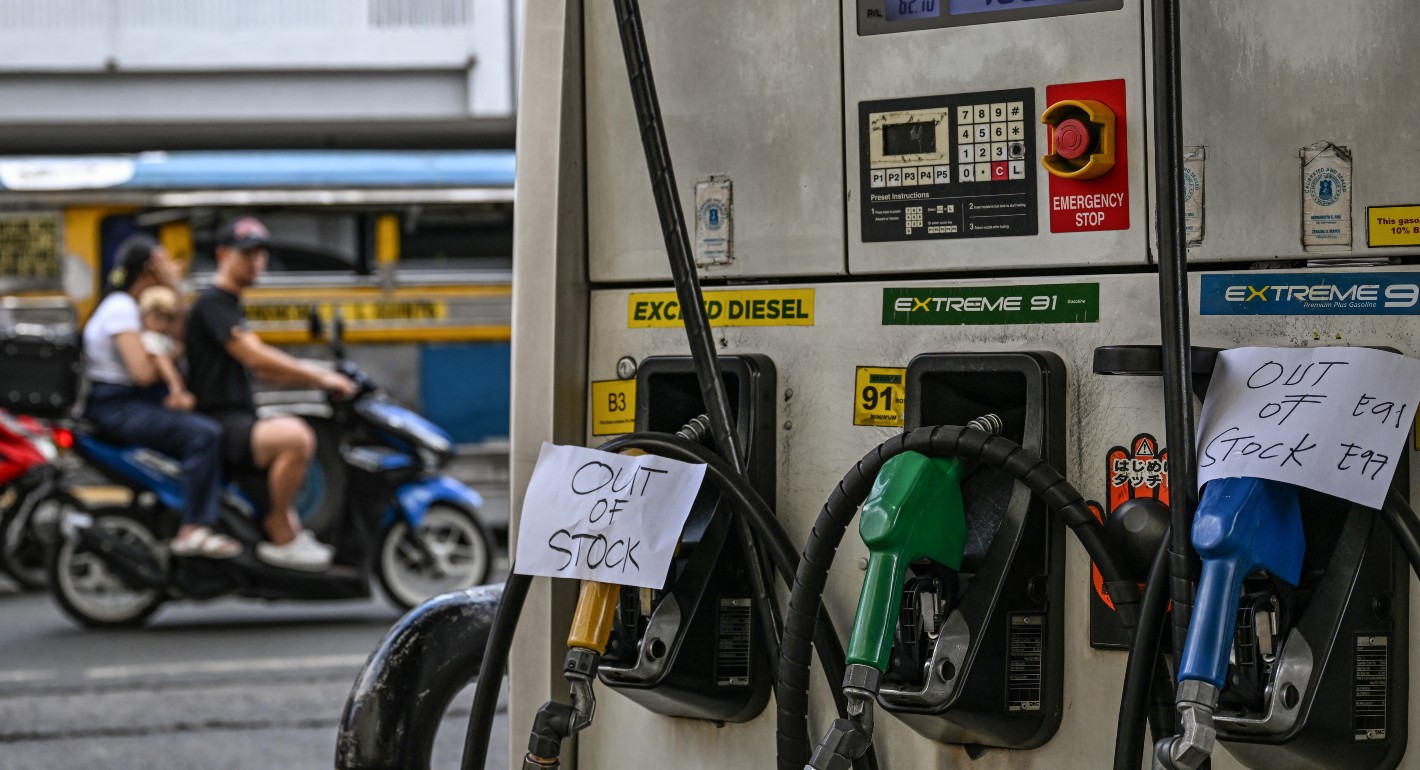
Transitioning to low-carbon fuels and improving vehicle and system efficiency holds a higher promise for oil independence in the short term than a focus on increasing domestic oil production that only drains America's reserves faster.
Source: Huffington Post

Green shoots prophesying accelerated declines in American oil consumption are cropping up everywhere. Even before the recession, total domestic oil consumption was in decline and the trend accelerated as the economy lagged. And, importantly, the recovery has not led to the expected increase in consumption. The Energy Information Agency reports that gasoline consumption has declined for sixteen straight weeks compared to sales a year ago. Last week, the year-over-year weekly decline was 3.7 percent. While total travel has bounced back a bit as the economy has picked up, the most important measure of what's happening, vehicle miles traveled per capita, continues to decline.
U.S. vehicle sales also portend increasing declines in oil consumption. In 2008, auto sales, in the face of $4 gas and economic troubles, crashed to nine million vehicles annually. In the first quarter of 2011 they bounced back to a new rate of 13 million vehicles annually as consumers abandoned their gas guzzlers for Detroit's new line of gas sippers. As a result, the economy is exhibiting remarkable resilience amid this new oil price spike. President Obama's directive that the entire federal vehicle fleet will be fuel efficient or rely on alternative fuels by 2015 will accelerate this transition.
Consumers are already "producing" new oil by reducing their need for it.
Oil and gas companies are also beginning to demonstrate new doubts about overreliance on oil. Even as oil prices -- and profits -- rise, windfall earnings are being re-invested more widely. ExxonMobil is only replacing 90 percent of the oil it produces through exploration or acquisition of new oil reserves, instead significantly increasing its investment in natural gas, algae, and other biofuels. BP is doing the same, announcing this week an investment in Verdezyne, maker of a yeast that converts plant sugars to biofuels. Total, the big French oil company, has just bought a 60 percent interest in Sunpower, the largest U.S. solar energy company.
Regulatory policy is also nudging the energy industry off oil. New standards for fuel efficiency and renewable fuels mean that it doesn't take a chemical engineer to understand that oil, the source of 95 percent of transportation fuel, is about to face heavy competition in the fuels market.
Perhaps the most significant incentive driving reduction in oil demand is the price of oil itself. While current prices might be a short-term trend, long-term prices will remain high due to the rapid pace of motorization in China, India, and other developing countries. High world oil prices, while painful at the pump, accelerate turnover to a low-carbon vehicle fleet which, in turn, help reduce the marginal cost of travel even at higher fuel prices.
With the progress that has already been made, the choice is easy. Transitioning to low-carbon fuels and improving vehicle and system efficiency, promises higher returns in oil independence in the short term than a focus on increasing domestic production that only drains America's reserves faster.
Consider this: if America fully exploited all its known reserves to meet 100 percent of its domestic needs we would run out of oil within four years. Yes, we have more domestic oil to discover but we are increasingly tapped out on the production side.
History, as well as basic economics, demonstrates that increased domestic oil production does not necessarily lower prices for American consumers. After several years of aggressive incentives to boost domestic production, the percentage of oil the United States imports is 15 percent lower than it was in 2005 though the price of oil has doubled to over $100 a barrel. Obviously, further increases in domestic production will have little to no impact on gasoline prices.
Washington can accelerate demand destruction by intensifying its efforts to increase fuel efficiency, establishing a low carbon fuel standard, investing in more travel choices, and ending subsidized sprawl. It could also extend an olive branch to oil companies by offering to trade oil subsidies for investment tax credits in renewables, or by encouraging pooled energy R&D efforts as it is already doing with China. The fact that oil companies are already testing the waters for alternative energy investments indicates that they may be ready to step up their efforts.
The road to oil independence is clear and straight: better to water the green shoots of demand destruction than feed our oil addiction through the chimera of "drill-baby-drill."
Former Nonresident Senior Fellow, Energy and Climate Program
Burwell focused on the intersection between energy, transportation, and climate issues, as well as policies and practice reforms to reduce global dependence on fossil fuels.
Recent Work
David Burwell
David Burwell
Carnegie does not take institutional positions on public policy issues; the views represented herein are those of the author(s) and do not necessarily reflect the views of Carnegie, its staff, or its trustees.

As the war between the United States, Israel, and Iran continues, Carnegie scholars contribute cutting-edge analysis on the events of the war and their wide-reaching implications. From the impact on Iran and its immediate neighbors to the responses from Gulf states to fuel and fertilizer shortages caused by the effective shutdown of the Strait of Hormuz, the war is reshaping Middle East alliances and creating shockwaves around the world. Carnegie experts analyze it all.
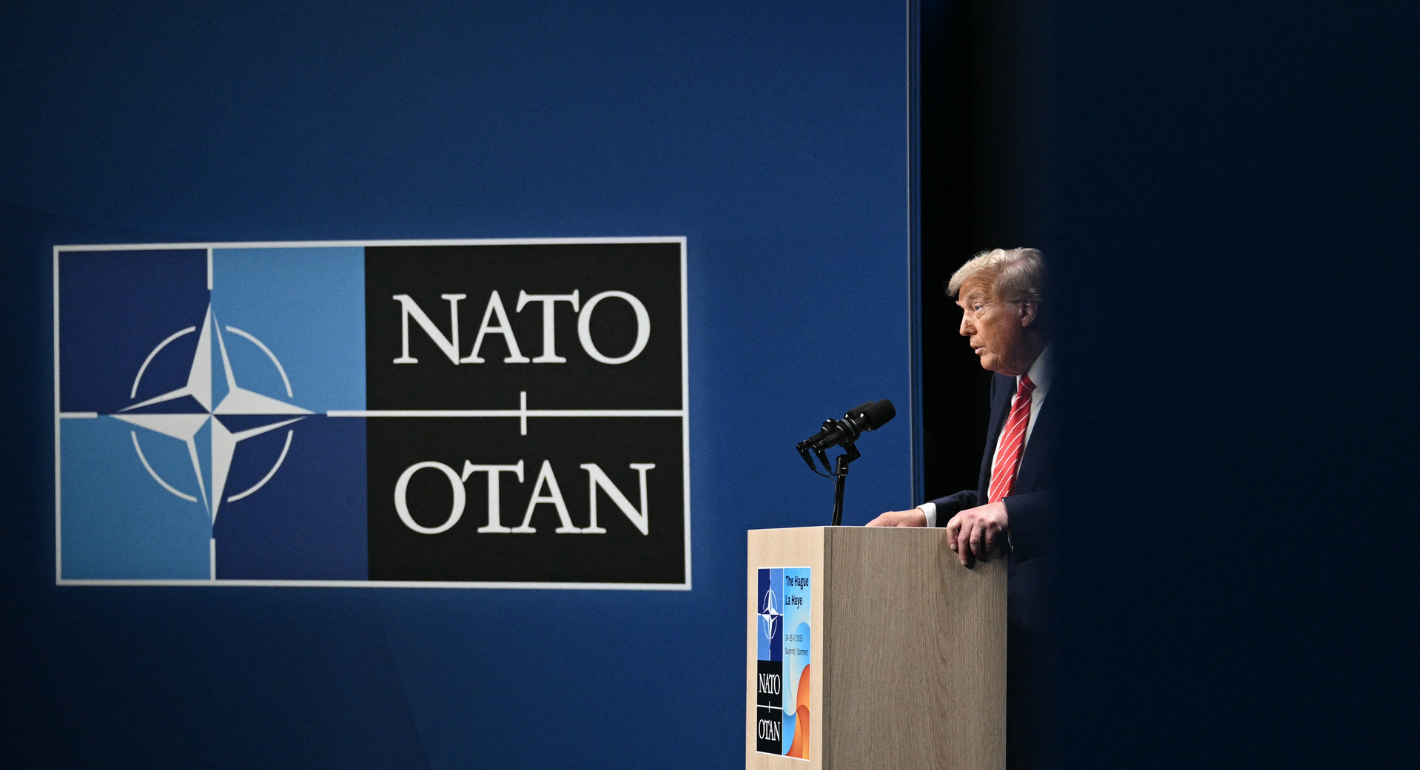
Donald Trump has repeatedly bashed NATO and European allies, threatening to annex Canada and Greenland and deploring their lack of enthusiasm for his war of choice in Iran. Is this latest round of abuse the final straw?

Rym Momtaz, ed.

The future looks bleak for independent media worldwide, but there is a robust infrastructure of knowledge, organizations, and people to build upon.


Daniel Sabet, Susan Abbott

Why the Iran ceasefire isn’t a quick fix to the Strait of Hormuz energy crisis.


Helima Croft, Aaron David Miller

Spot analysis from Carnegie scholars on events relating to the Middle East and North Africa.

Michael Young