

Q&A
Stephen Tankel
{
  "authors": [
    "Stephen Tankel"
  ],
  "type": "legacyinthemedia",
  "centerAffiliationAll": "dc",
  "centers": [
    "Carnegie Endowment for International Peace"
  ],
  "collections": [],
  "englishNewsletterAll": "ctw",
  "nonEnglishNewsletterAll": "",
  "primaryCenter": "Carnegie Endowment for International Peace",
  "programAffiliation": "SAP",
  "programs": [
    "South Asia"
  ],
  "projects": [],
  "regions": [
    "South Asia",
    "Afghanistan",
    "Pakistan"
  ],
  "topics": [
    "Security",
    "Military"
  ]
}
Source: Getty
While Pakistan may be using the Afghan insurgency in order to improve its own strategic position in Afghanistan, it remains unclear how much direct control it exerts over insurgent groups like the Haqqani network.
Source: C-SPAN's Washington Journal
Speaking on C-SPAN’s Washington Journal, Carnegie’s Stephen Tankel examined the complicated relationship between the Haqqani network, Pakistan’s intelligence service (ISI), and Pakistan's overall strategy in Afghanistan. He argued that the Haqqani network is the most lethal insurgent group within Afghanistan, a status it maintains in part through its reliance on Pakistan as a safe haven. He noted, however, that U.S. Admiral Mike Mullen's assertion that the Haqqani network was a "veritable arm" of the ISI is subject to some doubt, as the exact level of Pakistan’s control of the group is unclear. Ultimately, however, Tankel argued that there is little doubt that Pakistan has used the Taliban in order to improve its own strategic position in Afghanistan.
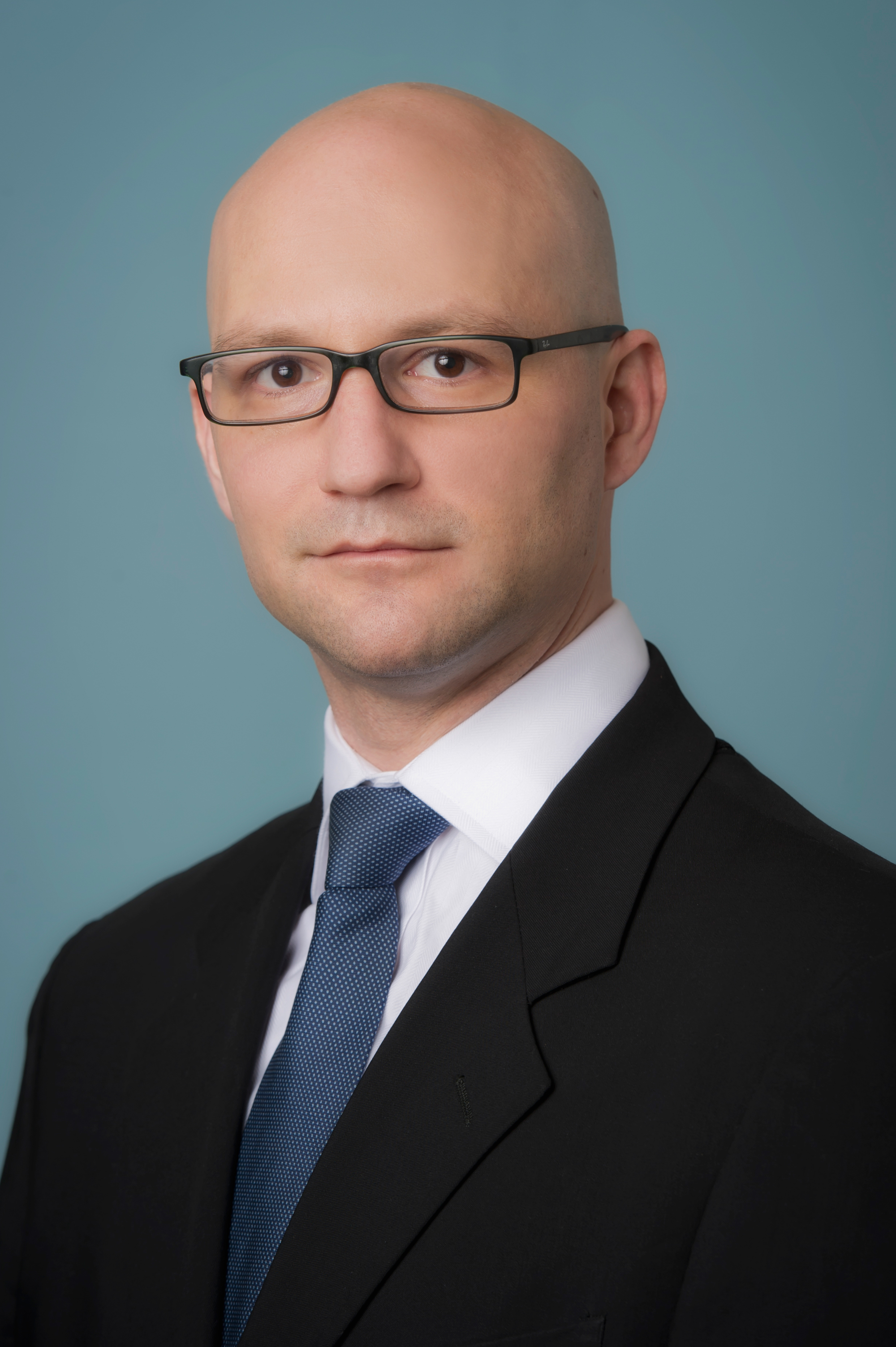
Former Nonresident Scholar, South Asia Program
Tankel was a nonresident scholar at the Carnegie Endowment, where his research focuses on insurgency, terrorism, and the evolution of nonstate armed groups.
Recent Work
Stephen Tankel
Stephen Tankel
Carnegie does not take institutional positions on public policy issues; the views represented herein are those of the author(s) and do not necessarily reflect the views of Carnegie, its staff, or its trustees.
In the Philippines, Duterte-era discourse emphasizing sovereignty, anti-Western skepticism, and strongman diplomacy mirrors tenets of populist foreign policy around the world.
Aries A. Arugay
After four years of war, there is no one who can stand up to the security establishment, and President Vladimir Putin is increasingly passive.

Tatiana Stanovaya
How Ukraine is driving doctrinal change in modern warfare.
Andriy Zagorodnyuk
The Russian leadership wants to avoid a dangerous precedent in which it is squeezed out of Iran by the United States and Israel—and left powerless to respond in any meaningful way.

Nikita Smagin
One is hopeful. One is realistic. One is cautionary.

Andrew Leber, Sam Worby