

In The Media
Shahram Chubin
{
  "authors": [
    "Shahram Chubin"
  ],
  "type": "legacyinthemedia",
  "centerAffiliationAll": "",
  "centers": [
    "Carnegie Endowment for International Peace",
    "Carnegie Europe",
    "Carnegie China",
    "Malcolm H. Kerr Carnegie Middle East Center"
  ],
  "collections": [
    "U.S.-China Relations"
  ],
  "englishNewsletterAll": "",
  "nonEnglishNewsletterAll": "",
  "primaryCenter": "Carnegie Endowment for International Peace",
  "programAffiliation": "",
  "programs": [],
  "projects": [],
  "regions": [
    "Middle East"
  ],
  "topics": [
    "Security",
    "Arms Control"
  ]
}
Source: Getty
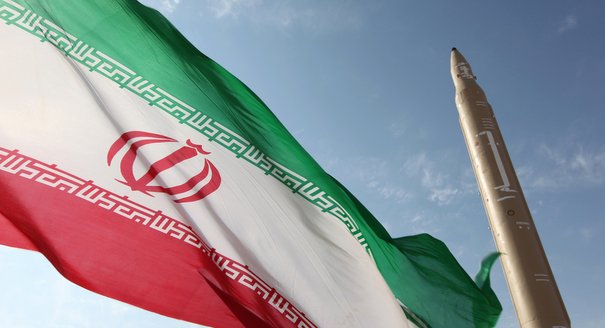
Nearly ten years after the question of Iran’s nuclear ambitions became an international issue, little progress has been made in settling it.
Source: Le Temps

As far as we know, Iran wants to attain a nuclear capability that would allow it to move to operational weapons quickly, if it should so choose. The international community wants to keep it as far away as possible from this so-called “threshold.” The usual explanation for the elusiveness of progress is that a lack of trust is the culprit; neither side has confidence in the other’s goodwill or even good faith.
Trust is an essential component of any relationship, but there is another problem: the parties do not understand each other very well. There is therefore the risk of serious, mutual misjudgment. Iran may believe the West is in terminal decline and political Islam is on the rise, and overestimate its own power and importance. The international community may believe that Iran has been weakened more by sanctions than is actually the case. This could lead to both sides overreaching in their demands, while conceding too little.In a sense, the nuclear question stands in for many others in the relationship. Iran sees it as an issue of “rights”: to technology, to respect, and to reciprocity and equal treatment. The P5+1 sees it as one issue among many concerning Iran’s willingness to fulfill its international commitments; its irresponsible regional behavior; its strident, belligerent rhetoric encouraging militancy; and its deplorable human rights record. So even if a “technical fix” were found in Moscow next week, or in another forum subsequently, the main issue¬¬—the behavior of the Islamic Republic of Iran—would remain unresolved.
But even focusing on the nuclear question alone does not encourage optimism.
Again, there are problems on both sides. The Iranians want to have existing sanctions lifted and their right to enrichment recognized. They will not be content with avoiding future sanctions. They may be willing to limit, end, or transfer uranium enrichment to 20 percent, but they will not accept limits (or a freeze) on enrichment to 5 percent. They also will not terminate their activities at Fordow, the enrichment center near Qom, which is fortified underground. As a sweetener they may agree to “cooperate” with the IAEA in answering questions or giving access to sites previously denied the agency.
Iran has no domestic politics to speak of; but after years of bragging about its nuclear program, the Iranian leadership will find it difficult to retreat too far. Personal and intra-factional rivalry will see the issue turned into a political football.
Equally seriously, it is not clear that the leadership has made a strategic decision to resolve this and related issues with the international community. More likely it has made a tactical decision to try to reduce the pressures on Iran, seek to divide the international community, delay further sanctions, and focus attention on its new willingness to “negotiate.” This would be consistent with Iran’s belief that Israel is bluffing, the West is in decline, and that the Arab Spring is indeed an “Islamic awakening” that favors anti-Western forces. It is also consistent with Iran’s tendency to misjudge others and to overreach in its ambitions. All of this suggests it will be difficult to get Iran to do what many in the international community consider the minimum for a durable as opposed to temporary or “Band-Aid” agreement.
The international community is in an even more parlous state. Far from being united, it runs from one end of the spectrum with Israel and the Republicans in the United States being the most “hardline,” through to the center which covers the Obama administration and most of Europe, and on to the other end of the spectrum with Russia and China. Differences in the positions of these states on the spectrum cover ends and means; in other words, they differ on what would be a satisfactory agreement and on how to get there. Israel and the Republicans openly flaunt the military option and want Iran to not enrich at all. The Obama administration and many European states would accept limited enrichment if there were intrusive inspections, and they are willing to continue sanctions until Iran bends.
Russia and China are critical of sanctions outside the UN Security Council (that is, they want to have a veto over sanctions) and would accept for Iran a more lenient form of inspections and a more generous entitlement to enrichment. Their recent call for a “diplomatic solution” to the crisis surely is designed to encourage Iran in its delaying tactics.
This leaves some room for Iran to play on divisions and to miscalculate the determination of the other end of the spectrum: Israel and the Republicans. Israel may simply not believe Obama’s reassurances. It is still perfectly possible that if no agreement is reached in Moscow or at a later meeting perhaps in the summer that Israel will calculate that it must act before Iran reaches a notional technical “point of no return.” An Israeli attack in the electoral season would leave the Obama administration with little choice but to approve of the strike, or leave itself open to charges of weakness by the Republicans. Israel may take such a chance simply because the technological clock is running out combined with the premise that a second Obama administration would be much less susceptible to pressure than one seeking reelection.
None of this is inevitable. An attack could revive oil prices and spark more generalized hostilities. Iran may make meaningful concessions covering them with a blanket of triumphal rhetoric. The meetings may slowly become a “process,” building confidence and eventually yielding political results across-the-board. Slow, incremental progress may defuse all the possible explosions noted.
All of this is possible, but no one studying the Middle East is likely to bet on it.
Former Nonresident Senior Fellow, Nuclear Policy Program
Chubin, who is based in Geneva, focuses his research on nonproliferation, terrorism, and Middle East security issues. He was director of studies at the Geneva Centre for Security Policy, Switzerland, from 1996 to 2009.
Recent Work
Shahram Chubin
Shahram Chubin
Carnegie does not take institutional positions on public policy issues; the views represented herein are those of the author(s) and do not necessarily reflect the views of Carnegie, its staff, or its trustees.

Despite Morocco’s hopes that its film industry would reap rewards, the blockbuster’s success will be tainted by controversy surrounding filming in occupied Western Sahara.

Sarah Yerkes
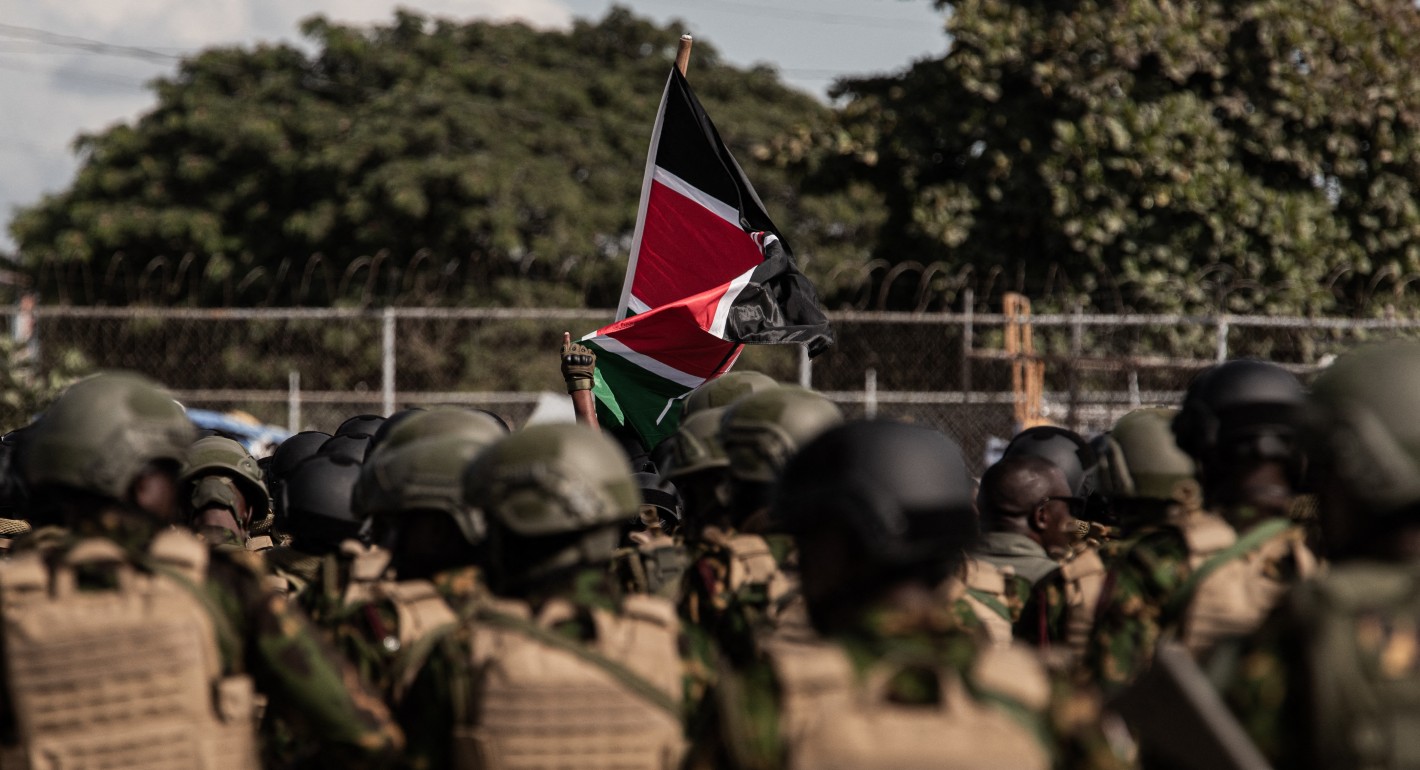
Helping to stabilize Haiti is in the United States’ national interest and can be done by making wise use of various foreign policy tools in addition to supporting international security forces.
Christopher Shell

The Alliance is being pulled toward a NATO 3.0 model by two structural drivers: the changing character of warfare, made visible by the war in Ukraine, and the redistribution of transatlantic burden-sharing as the United States gives greater priority to homeland security and the Indo-Pacific.

Alper Coşkun, Fatih Ceylan, Tacan İldem, …
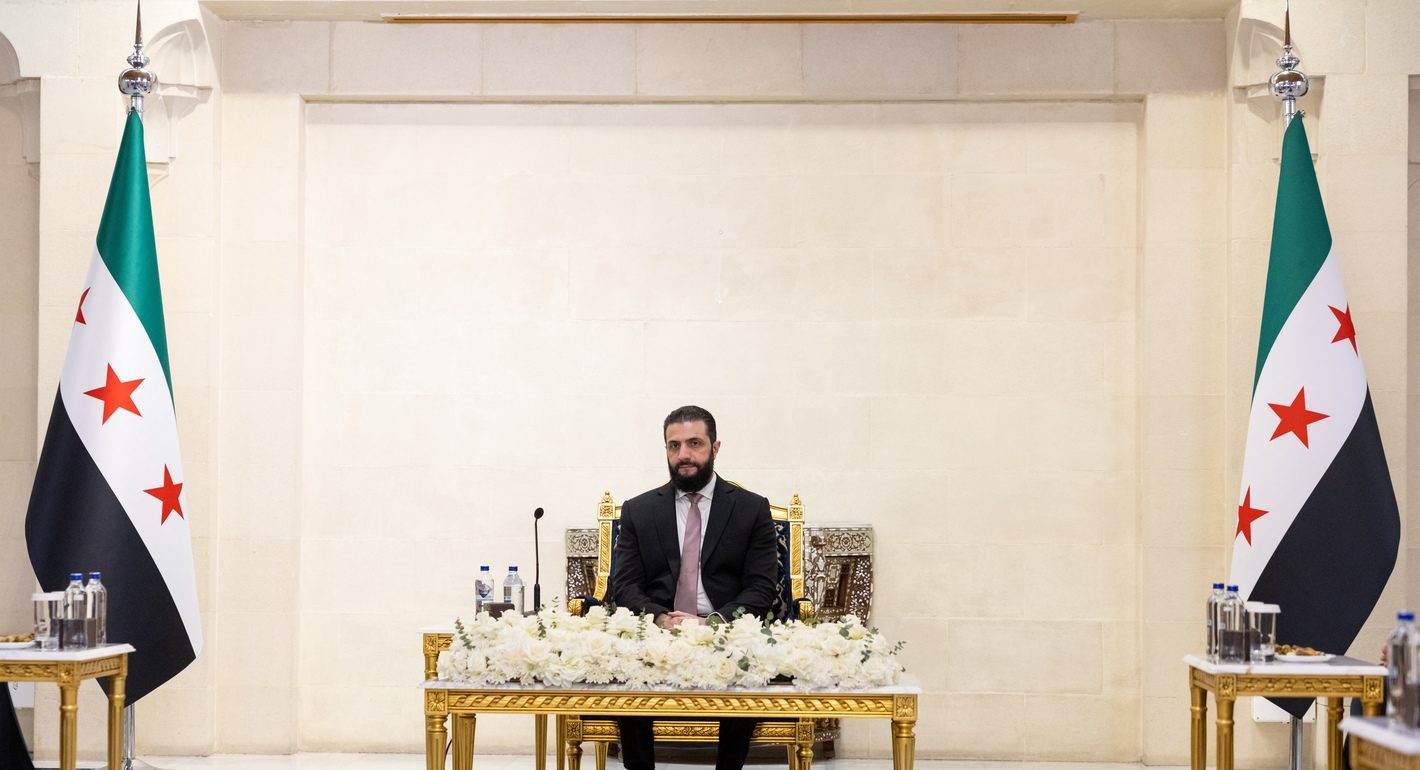
Syria's transition promised a fresh start. But are old habits of power making a comeback? This analysis looks at the warning signs and what it will take to build a more accountable state.

Sima Beitinjaneh
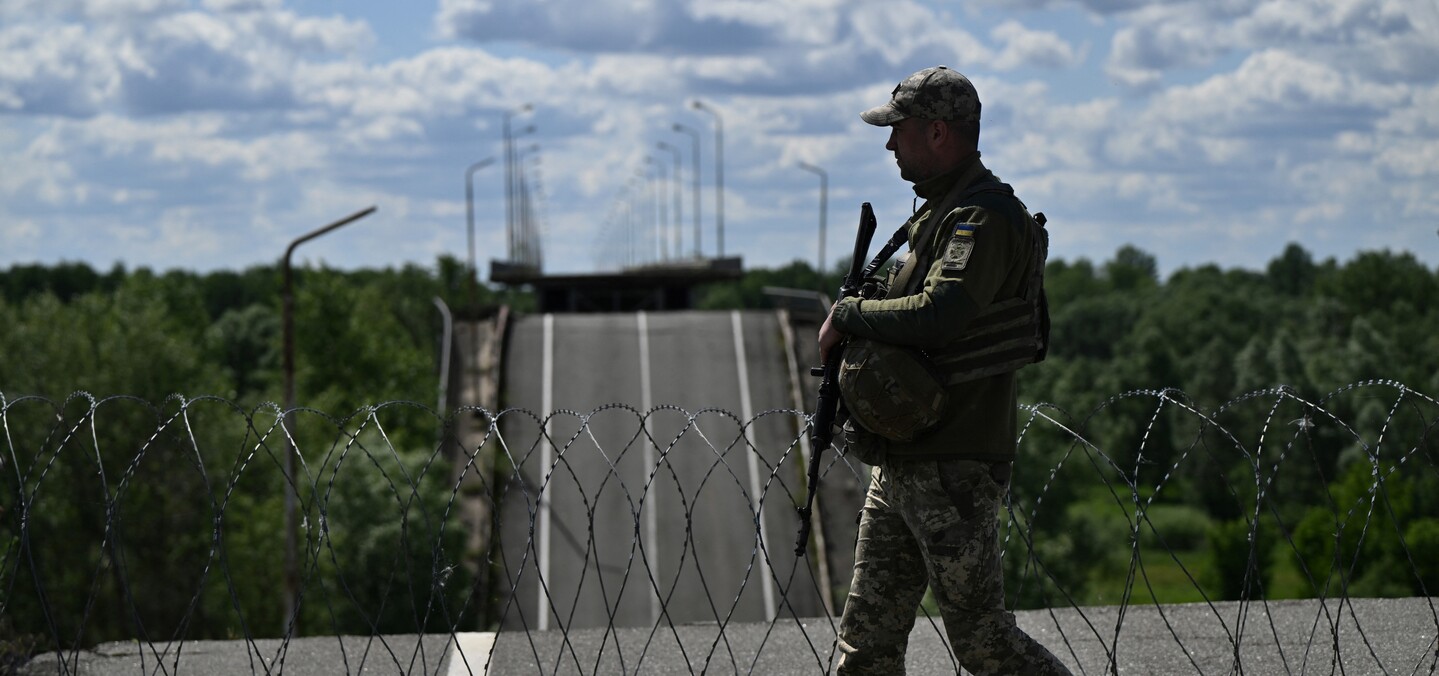
The recent damage inflicted by Ukrainian drones and missiles on Russia has made Belarus aware of its own vulnerabilities—and surprisingly amenable to Kyiv’s demands.

Artyom Shraibman