Other
- +18
James M. Acton, Saskia Brechenmacher, Cecily Brewer, …
{
  "authors": [
    "James M. Acton"
  ],
  "type": "legacyinthemedia",
  "centerAffiliationAll": "dc",
  "centers": [
    "Carnegie Endowment for International Peace"
  ],
  "collections": [
    "U.S. Nuclear Policy"
  ],
  "englishNewsletterAll": "ctw",
  "nonEnglishNewsletterAll": "",
  "primaryCenter": "Carnegie Endowment for International Peace",
  "programAffiliation": "NPP",
  "programs": [
    "Nuclear Policy"
  ],
  "projects": [],
  "regions": [
    "North America",
    "United States"
  ],
  "topics": [
    "Nuclear Policy",
    "Nuclear Energy"
  ]
}
Source: Getty
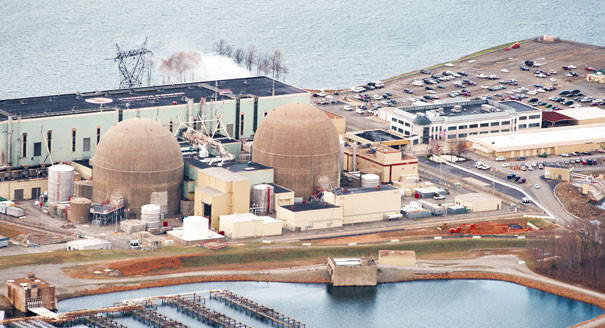
The former chairman of the U.S. Nuclear Regulatory Commission, Gregory Jaczko, is back in the news with a story that’s causing a stir in the nuclear industry.
Source: Platts Energy Week
The former chairman of the U.S. Nuclear Regulatory Commission is back in the news with a story that’s causing a stir in the nuclear industry. At a Washington conference, Gregory Jaczko said all 104 nuclear power reactors in the U.S. are fundamentally flawed and should be phased out. What will be the fallout of his remarks in the industry and the public? Carnegie's James Acton spoke with Platts Energy Week host Bill Loveless.
"The chairman made remarks about the problem of decay heat and there is no question that the problems of mismanaging decay heat were vividly demonstrated in the Fukushima accident," Acton said, adding that he thinks that opposing the filtered, hardened venting, which is an issue that is going before the NRC at the moment, is a mistake on behalf of the industry.
"I think that had the industry been pro-active about this issue, as they had been very pro-active about the so-called FLEX approach for managing a severe accident should one occur, the industry would have done itself a much greater service than by trying to oppose the particular step of filtered, hardened venting," Acton said.
"My interpretation of the chairman's comments was that he was saying that there are issues with current reactors and that they should be phased out over time, that is something that I fundamentally disagree with," concluded Acton.

Jessica T. Mathews Chair, Co-director, Nuclear Policy Program
Acton holds the Jessica T. Mathews Chair and is co-director of the Nuclear Policy Program at the Carnegie Endowment for International Peace.
Recent Work

James M. Acton, Saskia Brechenmacher, Cecily Brewer, …
James M. Acton
Carnegie does not take institutional positions on public policy issues; the views represented herein are those of the author(s) and do not necessarily reflect the views of Carnegie, its staff, or its trustees.
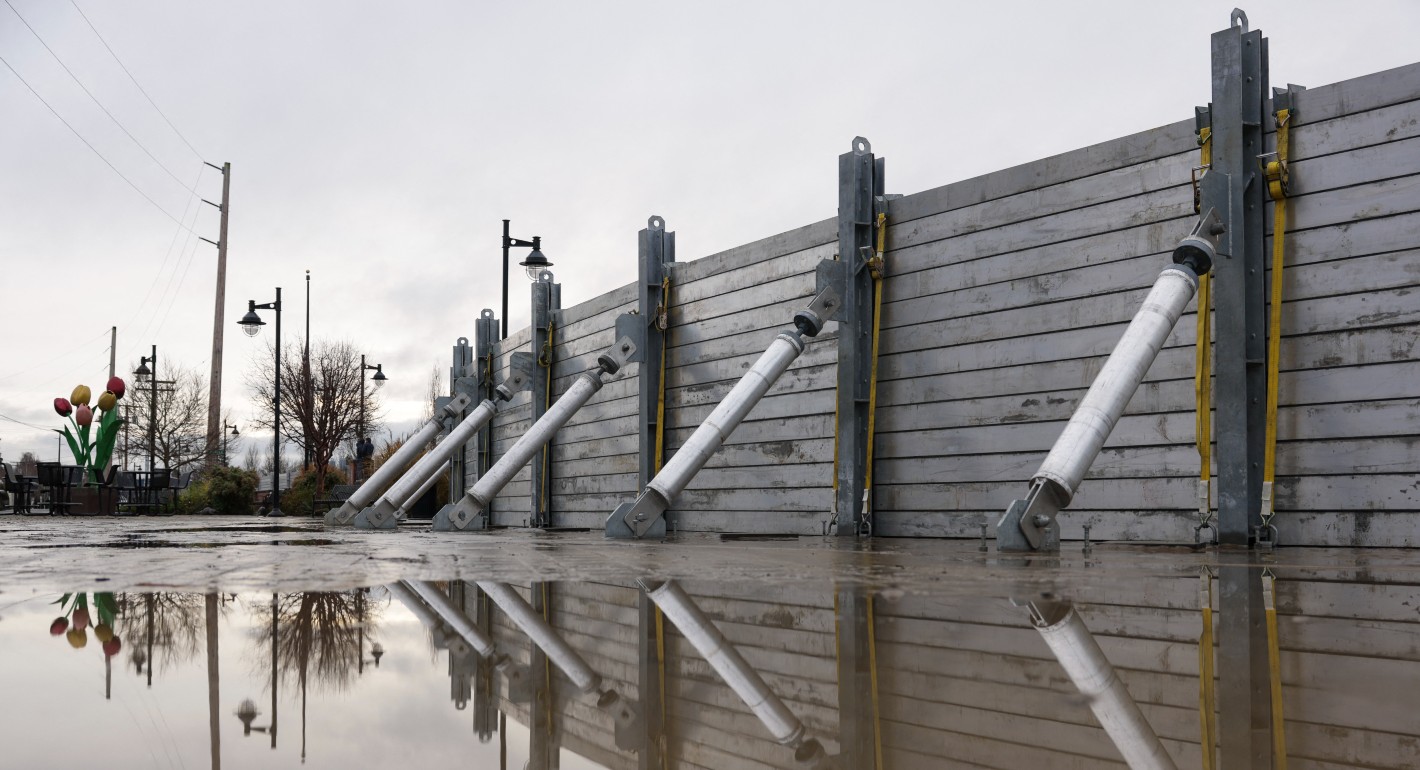
Its reinstatement should be celebrated, but it retains some major shortcomings.

Leonardo Martinez-Diaz
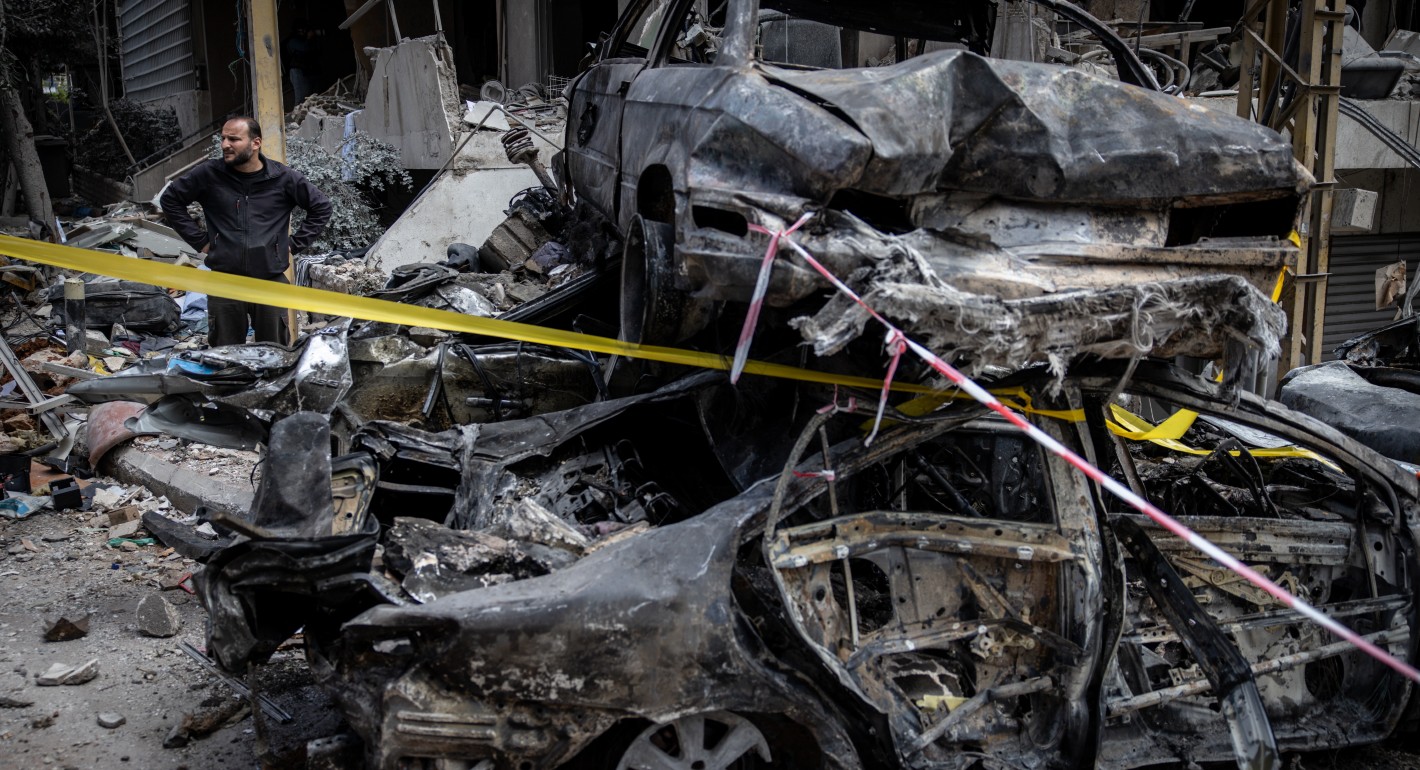
Four Middle East experts analyze the region’s reactions and next steps.



Amr Hamzawy, Andrew Leber, Eric Lob, …

As the war between the United States, Israel, and Iran continues, Carnegie scholars contribute cutting-edge analysis on the events of the war and their wide-reaching implications. From the impact on Iran and its immediate neighbors to the responses from Gulf states to fuel and fertilizer shortages caused by the effective shutdown of the Strait of Hormuz, the war is reshaping Middle East alliances and creating shockwaves around the world. Carnegie experts analyze it all.
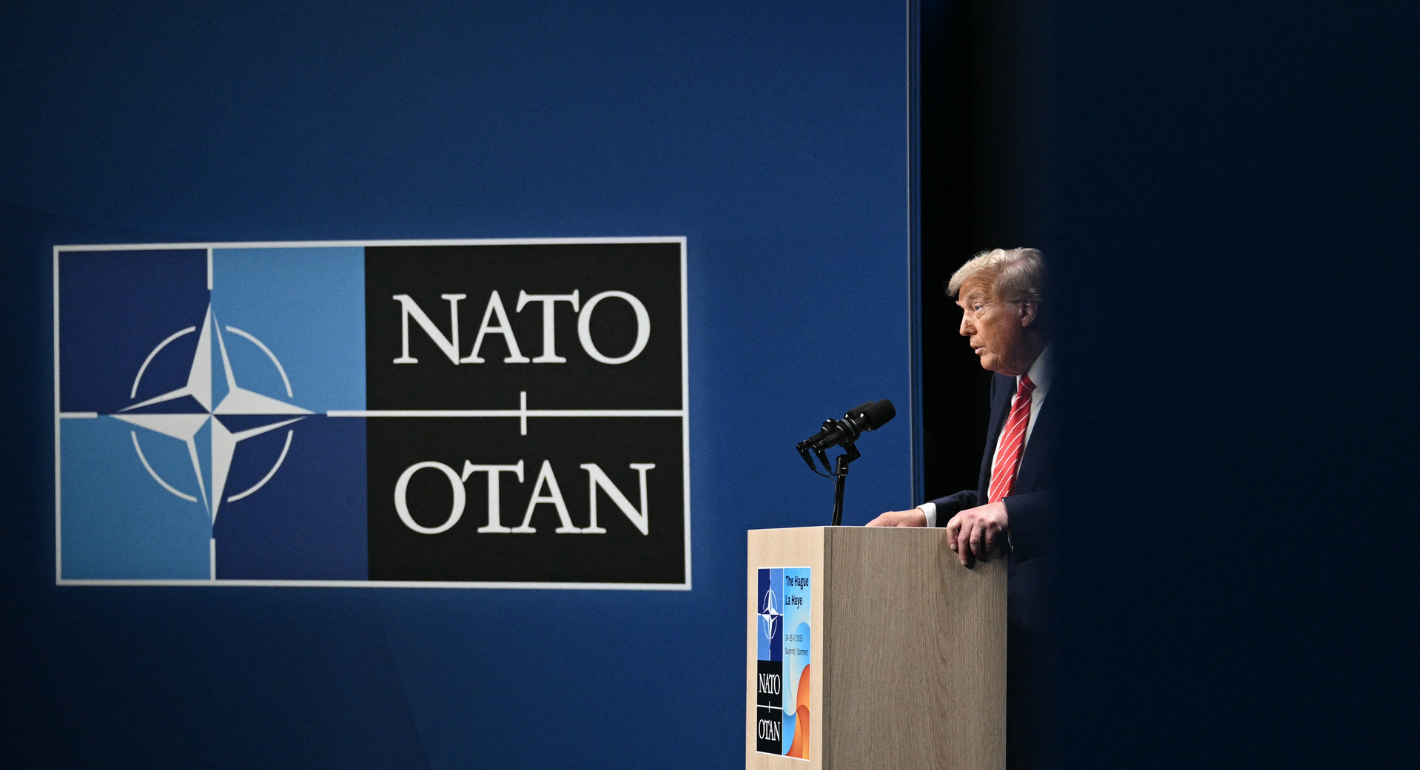
Donald Trump has repeatedly bashed NATO and European allies, threatening to annex Canada and Greenland and deploring their lack of enthusiasm for his war of choice in Iran. Is this latest round of abuse the final straw?

Rym Momtaz, ed.
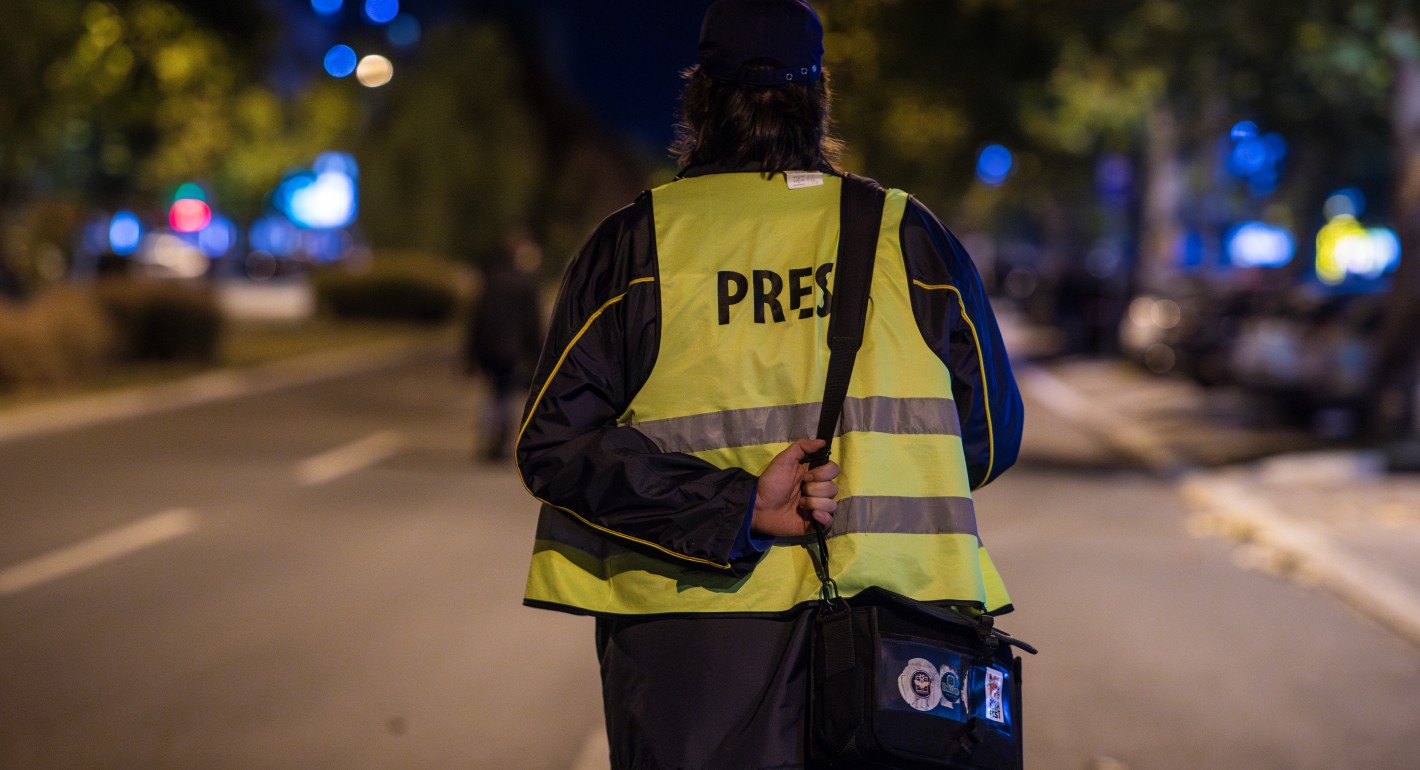
The future looks bleak for independent media worldwide, but there is a robust infrastructure of knowledge, organizations, and people to build upon.


Daniel Sabet, Susan Abbott