

Article
Wang Tao
{
  "authors": [
    "Wang Tao"
  ],
  "type": "legacyinthemedia",
  "centerAffiliationAll": "",
  "centers": [
    "Carnegie Endowment for International Peace",
    "Carnegie China"
  ],
  "collections": [],
  "englishNewsletterAll": "",
  "nonEnglishNewsletterAll": "",
  "primaryCenter": "Carnegie China",
  "programAffiliation": "",
  "programs": [],
  "projects": [],
  "regions": [
    "East Asia",
    "China"
  ],
  "topics": [
    "Climate Change"
  ]
}
Source: Getty
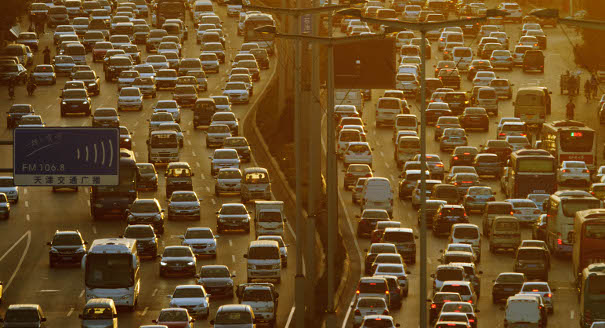
High levels of smog persist throughout China due to weak enforcement of current environmental regulations. Environmental protection agencies are understaffed and do not have the power to oppose government officials that prioritize GDP growth over environmental protection.
Source: CCTV World Insight
High levels of smog persist throughout China due to weak enforcement of current environmental regulations. In an interview with CCTV’s World Insight, Carnegie-Tsinghua’s Wang Tao explained the various causes of this problem. He pointed out that environmental protection agencies are understaffed and do not have the power to oppose government officials that prioritize GDP growth over environmental protection.
Wang proposed a number of short-term solutions, such as utilizing newer technology that reduces emissions from factories and vehicles as well as ensuring that regulations are enforced. In the long term, though, he said that China needs to reduce its energy reliance on coal and increase the use of other energy sources such as nuclear, hydroelectric, and solar power. Questions remain over how Chinese authorities will create policy incentives and establish the infrastructure necessary for China to decrease its reliance on coal and work toward lower levels of smog. The public, Wang concluded, could play a significant role in exerting necessary pressure on Chinese authorities to address this issue of pollution. He added that lower vehicle usage and electricity consumption by the Chinese public will also have an impact on reducing pollution.
This video inteview was originally aired on CCTV World Insight.
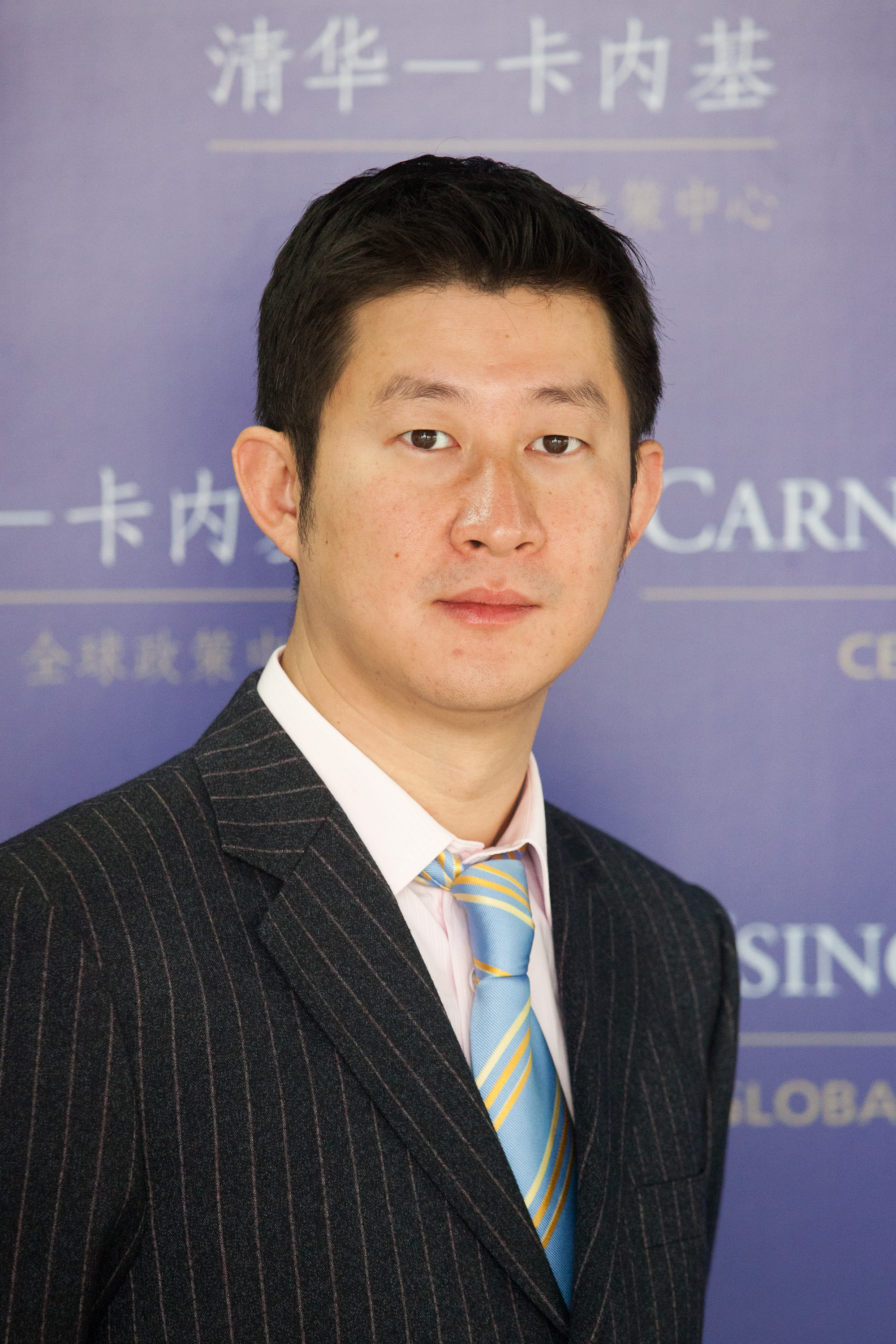
Former Nonresident Scholar, Carnegie-Tsinghua Center for Global Policy
Wang Tao was a nonresident scholar in the Energy and Climate Program based at the Carnegie–Tsinghua Center for Global Policy.
Recent Work
Wang Tao
Wang Tao, Yang Yifang
Carnegie does not take institutional positions on public policy issues; the views represented herein are those of the author(s) and do not necessarily reflect the views of Carnegie, its staff, or its trustees.
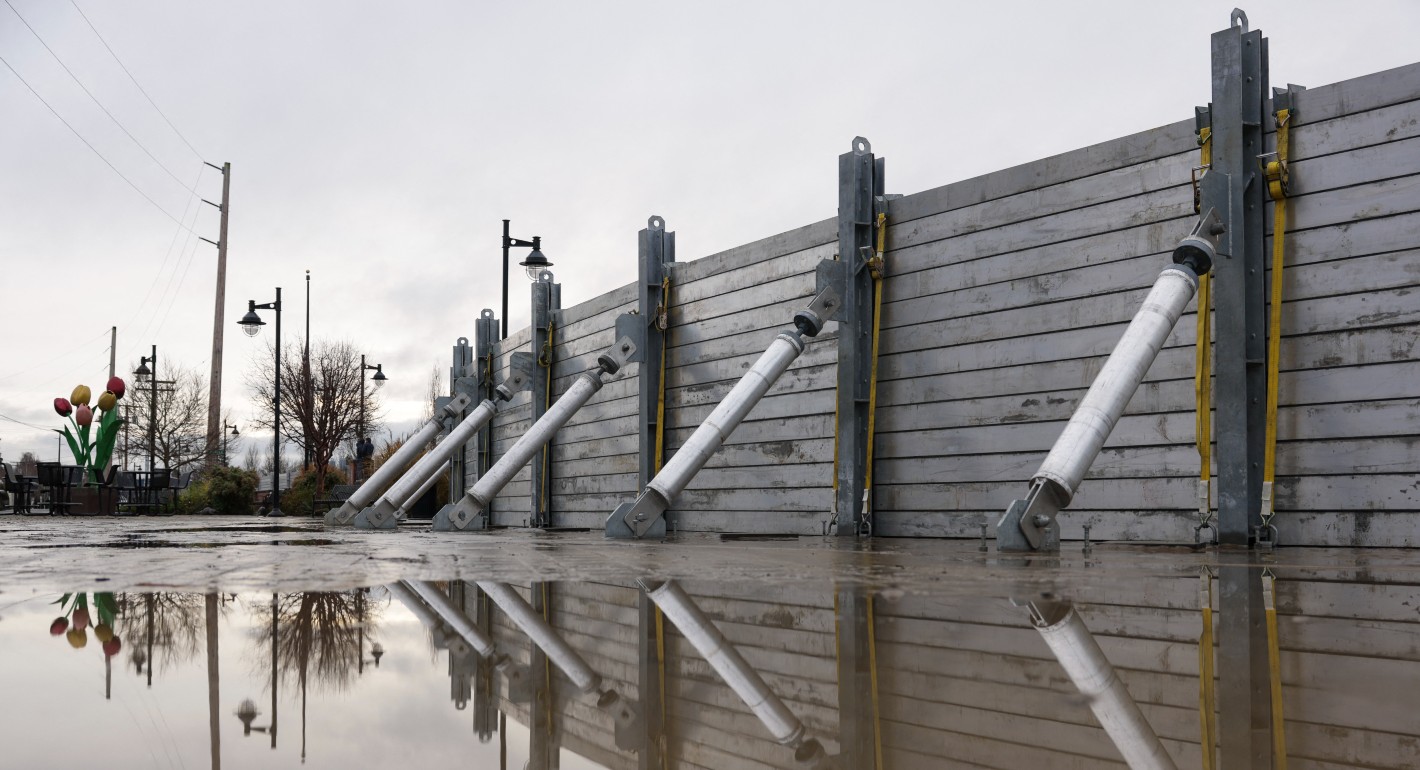
Its reinstatement should be celebrated, but it retains some major shortcomings.

Leonardo Martinez-Diaz
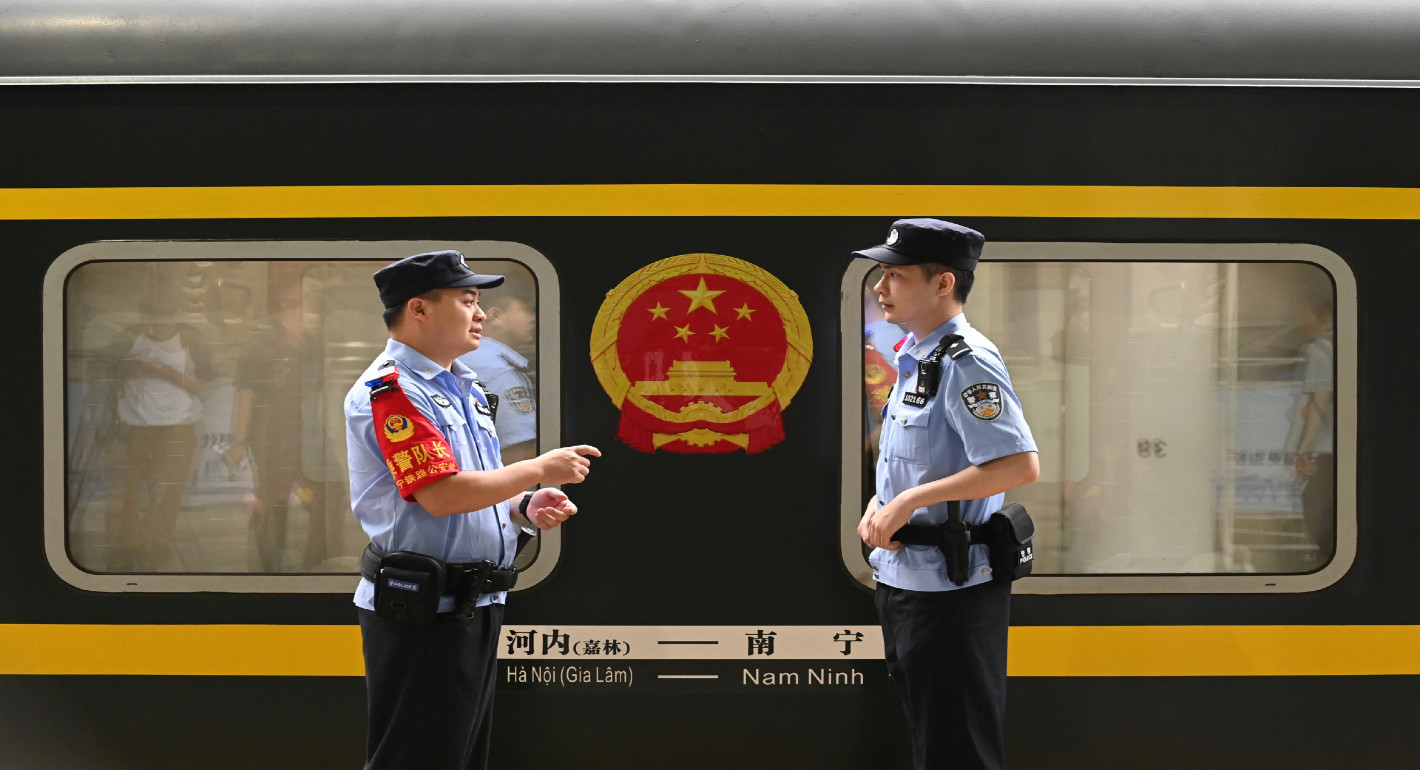
Despite long-standing differences, China and Vietnam are reinforcing common ground for collaboration, especially in public security. This internal security–centered diplomacy offers a strengthened road map for how China moves forward with Southeast Asia.
Sophie Zhuang
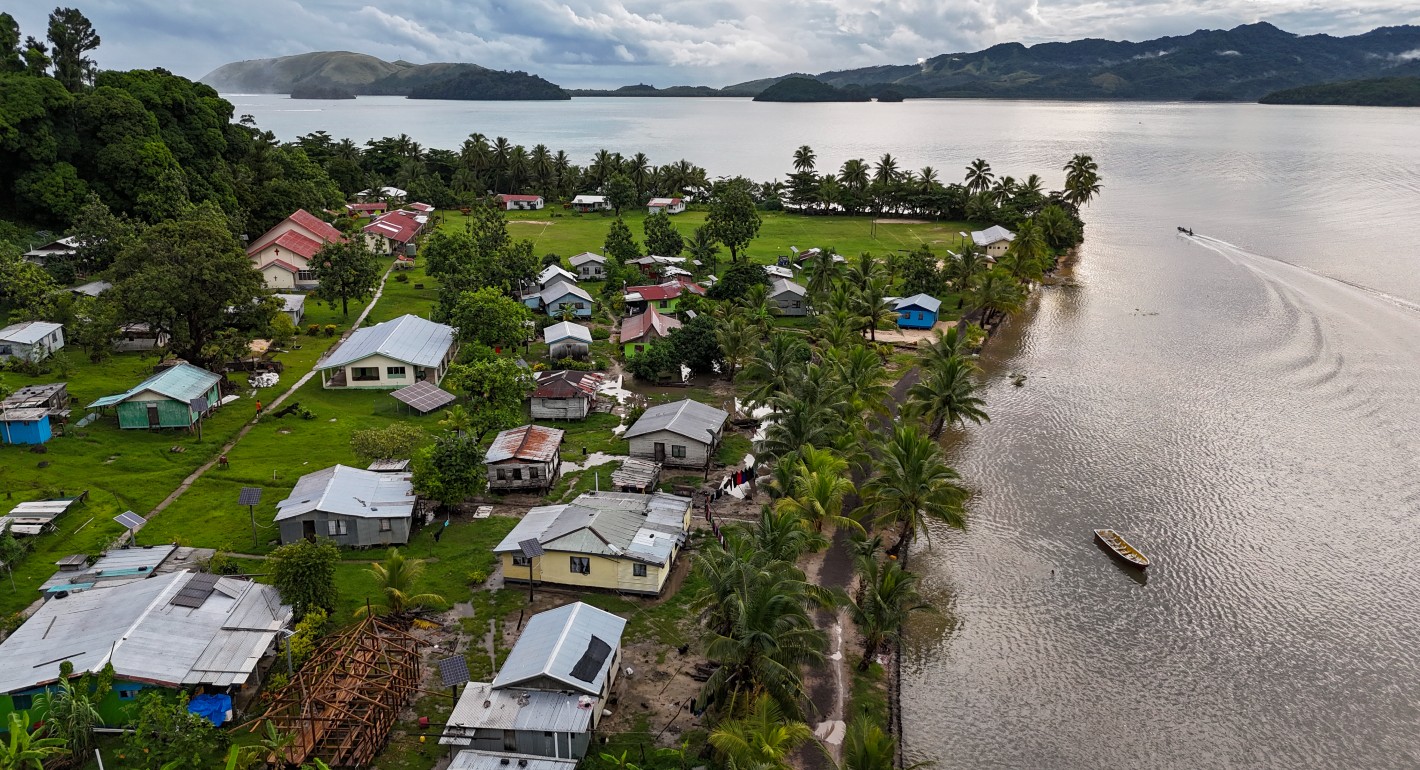
Climate mobility interventions can vary, but they all present opportunities to unlock transformative results that mitigate costs associated with inaction.

Alejandro Martin Rodriguez
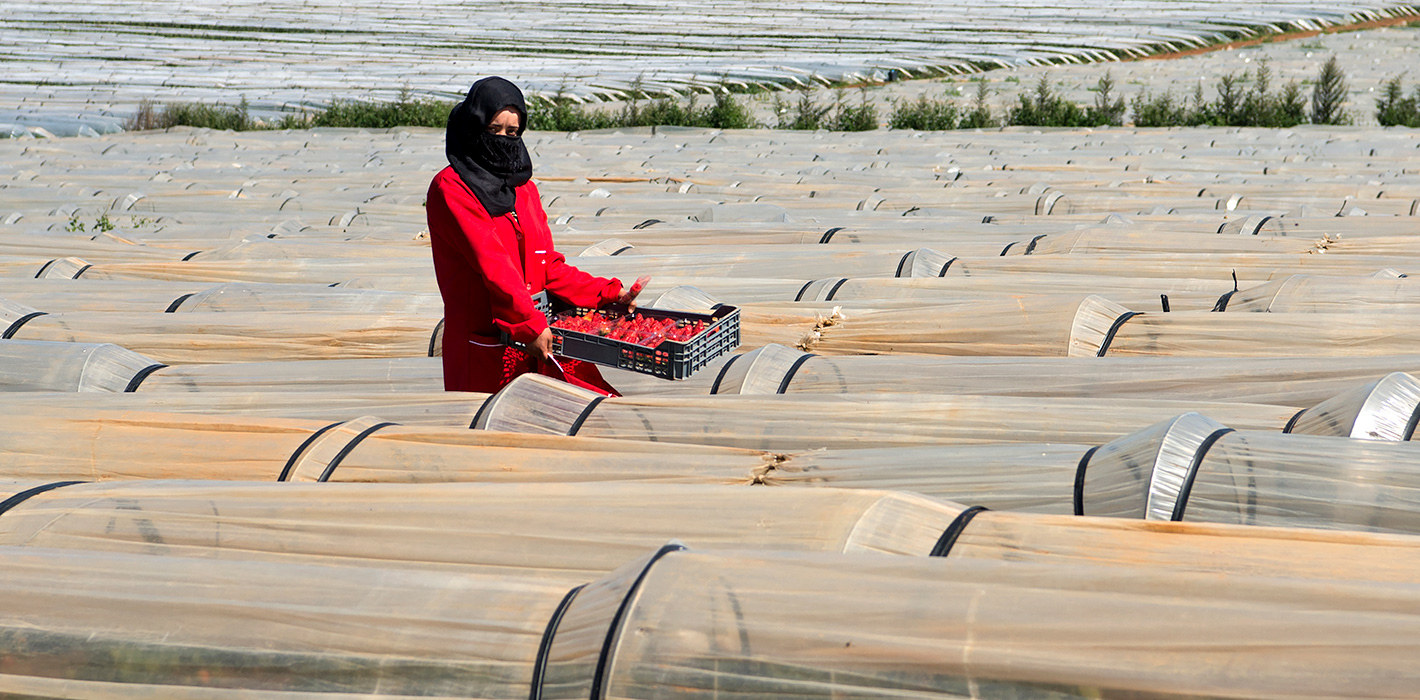
For Morocco, integrating gender into climate governance is not simply a matter of social justice. It is a strategic imperative for effective adaptation.
Fadwa Rajoauni

Across Asia, China is better positioned to withstand energy shocks from the fallout of the Iran war. Its abundant coal capacity can ensure stability in the near term. Yet at the same time, the country’s energy transition away from coal will make it even less vulnerable during the next shock.

Damien Ma