

Commentary
The acknowledgment has sparked fears of a new arms race with China and Russia.
Chris O’Meara
{
  "authors": [],
  "type": "legacyinthemedia",
  "centerAffiliationAll": "dc",
  "centers": [
    "Carnegie Endowment for International Peace",
    "Carnegie China"
  ],
  "collections": [
    "China’s Foreign Relations"
  ],
  "englishNewsletterAll": "ctw",
  "nonEnglishNewsletterAll": "",
  "primaryCenter": "Carnegie Endowment for International Peace",
  "programAffiliation": "NPP",
  "programs": [
    "Nuclear Policy"
  ],
  "projects": [],
  "regions": [
    "East Asia",
    "China"
  ],
  "topics": [
    "Nuclear Policy",
    "Security",
    "Arms Control"
  ]
}
REQUIRED IMAGE
The Carnegie–Tsinghua Center for Global Policy announced today that Tong Zhao is joining as an associate working with Carnegie’s Nuclear Policy Program.
BEIJING—The Carnegie–Tsinghua Center for Global Policy announced today that Tong Zhao is joining as an associate working with Carnegie’s Nuclear Policy Program.
Zhao’s research will focus on strategic security issues, including nuclear arms control, nonproliferation, missile defense, and strategic stability, as well as China’s security and foreign policy. He joins a global team of Carnegie nuclear policy experts based in Washington, Moscow, Bonn, London, Brussels, Tel Aviv, Istanbul, and Beijing.
“I am looking forward to working with Carnegie’s distinguished experts across the world,” Zhao said. “It is my honor and pleasure to be part of this great community that strives to promote cooperation, peace, and stability around the globe.”
Zhao was previously a Stanton Nuclear Security Fellow with the Project on Managing the Atom and the International Security Program at the Belfer Center for Science and International Affairs at Harvard University. Zhao has also served as a nonresident WSD-Handa Fellow at Pacific Forum CSIS and worked for the Office of Foreign Affairs of the People’s Government of Beijing Municipality. Zhao holds a doctorate in science, technology, and international affairs from the Georgia Institute of Technology.
“I’m thrilled to welcome Tong Zhao, a rising expert in the fields of nuclear security, arms control, and China’s security policy, to the Carnegie-Tsinghua team,” said Paul Haenle, director of the Carnegie-Tsinghua Center. “Zhao’s expertise in arms control and international security are important additions to both Carnegie’s Nuclear Policy Program and Asia Program.”
Press Contact: Yuxi Han | +86 10 82150178 | yhan@ceip.org
The Carnegie–Tsinghua Center for Global Policy brings together leading policy experts and practitioners from China and around the world to engage in collaborative dialogue and research. From its platform at Tsinghua University, the center works to identify constructive solutions to common global challenges.
Carnegie does not take institutional positions on public policy issues; the views represented herein are those of the author(s) and do not necessarily reflect the views of Carnegie, its staff, or its trustees.

The acknowledgment has sparked fears of a new arms race with China and Russia.

Chris O’Meara

The European Commissioner for Trade is headed to China. But after President Xi’s bridge-building visit to Washington, can a more isolated EU overcome Beijing’s stranglehold on critical raw materials? Who will blink first?

Rym Momtaz, ed.
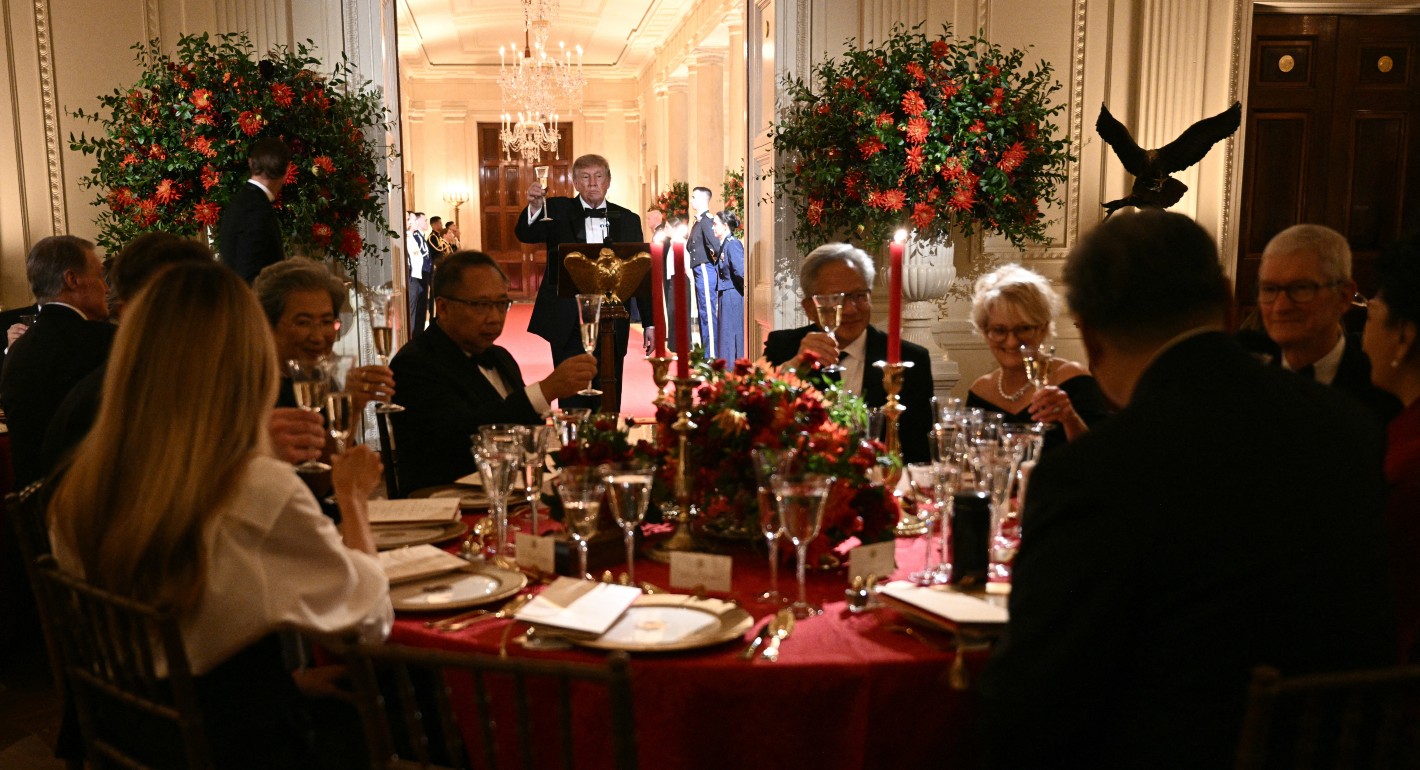
The summit may be remembered as a fatal blunder, when Washington, Beijing, and the AI industry collectively chose ceremony over action.
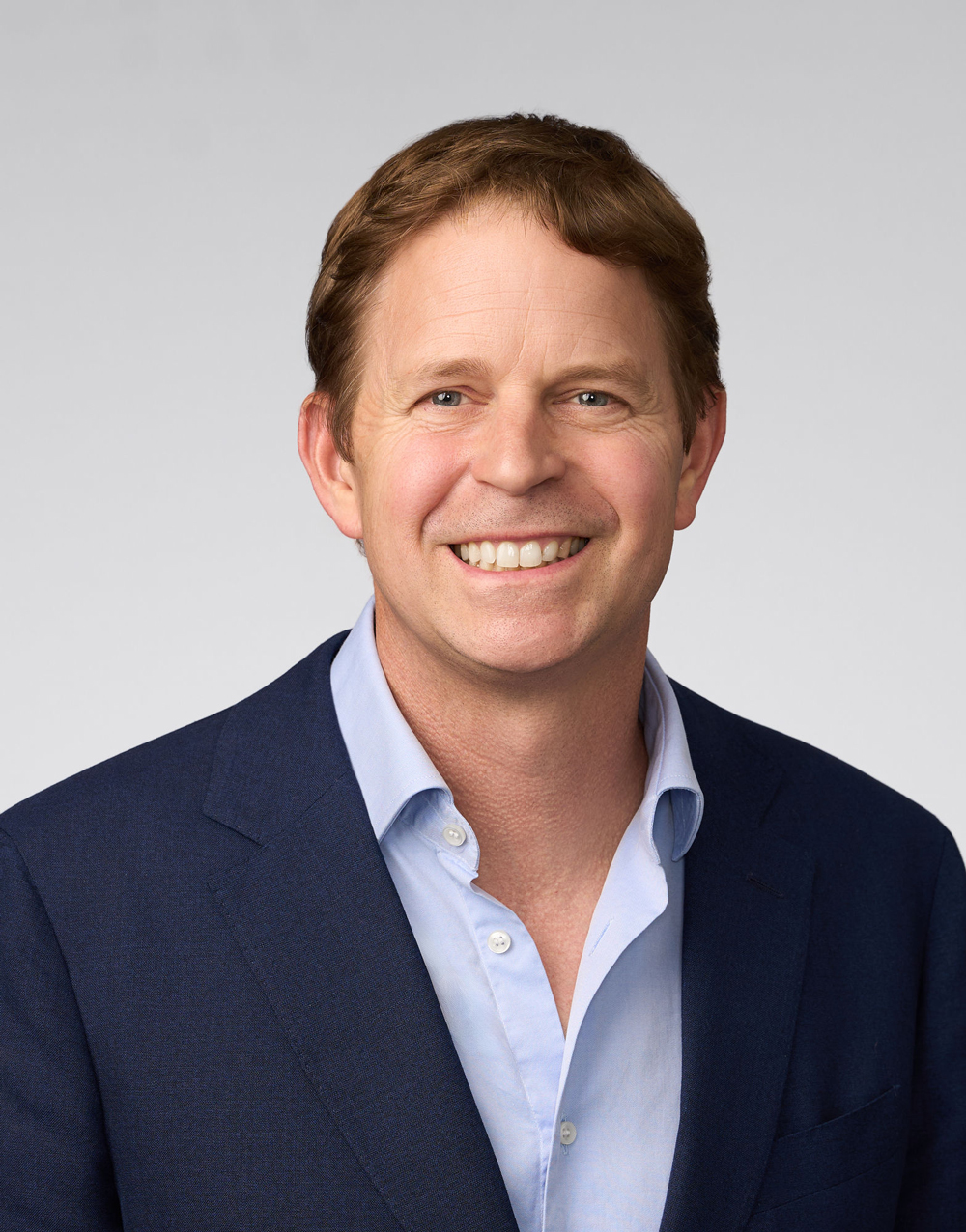
Jeffrey Prescott

A deep dive into the policy ecosystems behind battery development in China, South Korea, Japan, the European Union (including some of its member states), the United States, Canada, and India.



Milo McBride, Herbert Crowther, Darcie Draudt-Véjares, …

The Plaza Accord was not an externally imposed punishment of Japan but part of a broader restructuring that Japanese economists and policymakers themselves recognized was necessary. Its effects were undermined, however, when Tokyo responded to the resulting slowdown with policies that exacerbated investment, credit expansion, and the very imbalances the adjustment was intended to resolve.

Michael Pettis