

In The Media
Vikram Nehru
{
  "authors": [
    "Vikram Nehru"
  ],
  "type": "legacyinthemedia",
  "centerAffiliationAll": "dc",
  "centers": [
    "Carnegie Endowment for International Peace"
  ],
  "collections": [],
  "englishNewsletterAll": "asia",
  "nonEnglishNewsletterAll": "",
  "primaryCenter": "Carnegie Endowment for International Peace",
  "programAffiliation": "AP",
  "programs": [
    "Asia"
  ],
  "projects": [],
  "regions": [
    "Southeast Asia",
    "Myanmar"
  ],
  "topics": [
    "Political Reform",
    "Democracy"
  ]
}
Source: Getty
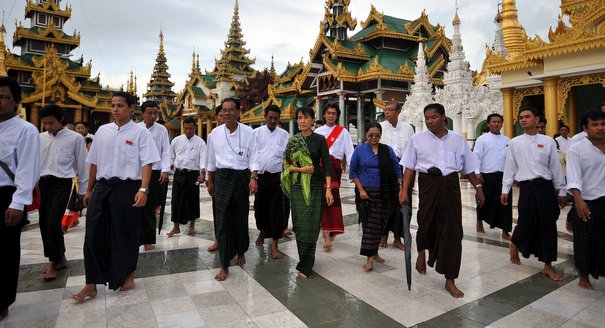
While the easy reforms in Myanmar have been implemented, institutional reforms are necessary going forward.
Source: NPR’s Here & Now
Speaking on NPR’s Here & Now, Carnegie’s Vikram Nehru discussed the current situation in Myanmar in light of President Obama’s statement, at a joint press conference with Aang San Suu Kyi, that Myanmar’s political reforms are “still incomplete” and that the rights of the Rohingya need to be protected. Nehru described the persecution and violence suffered by the Rohingya after the military junta declared them stateless in 1982. He stated that they face widespread antagonism across all levels of society and that protecting their rights going forward would be difficult. This is especially true given the Rakhine Action Plan, which is a law that purports to offer the Rohingya a path to citizenship.While seemingly positive, Nehru said, this law actually presents such difficult-to-meet requirements for citizenship that it may only help a few. Those Rohingya who are not “naturalized” face being put into internment camps. Nehru went on to discuss U.S. and international interest in Myanmar, stating that while reforms in Myanmar have been slow, there has been progress, which has invited more foreign investment into the country. Nehru finished by commenting that while the easy reforms in Myanmar have been implemented, institutional reforms are necessary going forward.
This interview was originally published on NPR’s Here & Now.
Former Nonresident Senior Fellow, Asia Program
Nehru was a nonresident senior fellow in the Carnegie Asia Program. An expert on development economics, growth, poverty reduction, debt sustainability, governance, and the performance and prospects of East Asia, his research focuses on the economic, political, and strategic issues confronting Asia, particularly Southeast Asia.
Recent Work
Vikram Nehru
Vikram Nehru
Carnegie does not take institutional positions on public policy issues; the views represented herein are those of the author(s) and do not necessarily reflect the views of Carnegie, its staff, or its trustees.
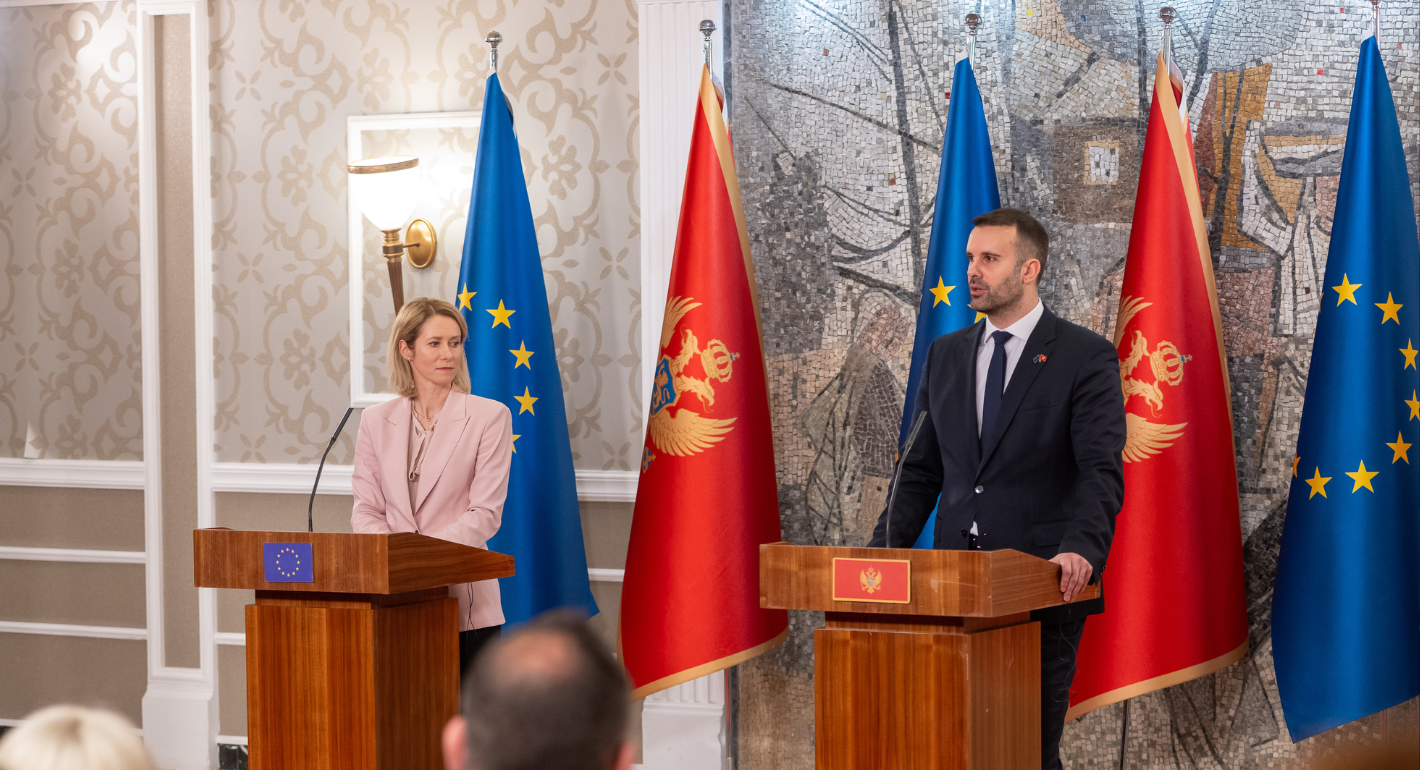
Montenegro and Albania are frontrunners for EU enlargement in the Western Balkans, but they can’t just sit back and wait. To meet their 2030 accession ambitions, they must make a strong positive case.


Dimitar Bechev, Iliriana Gjoni
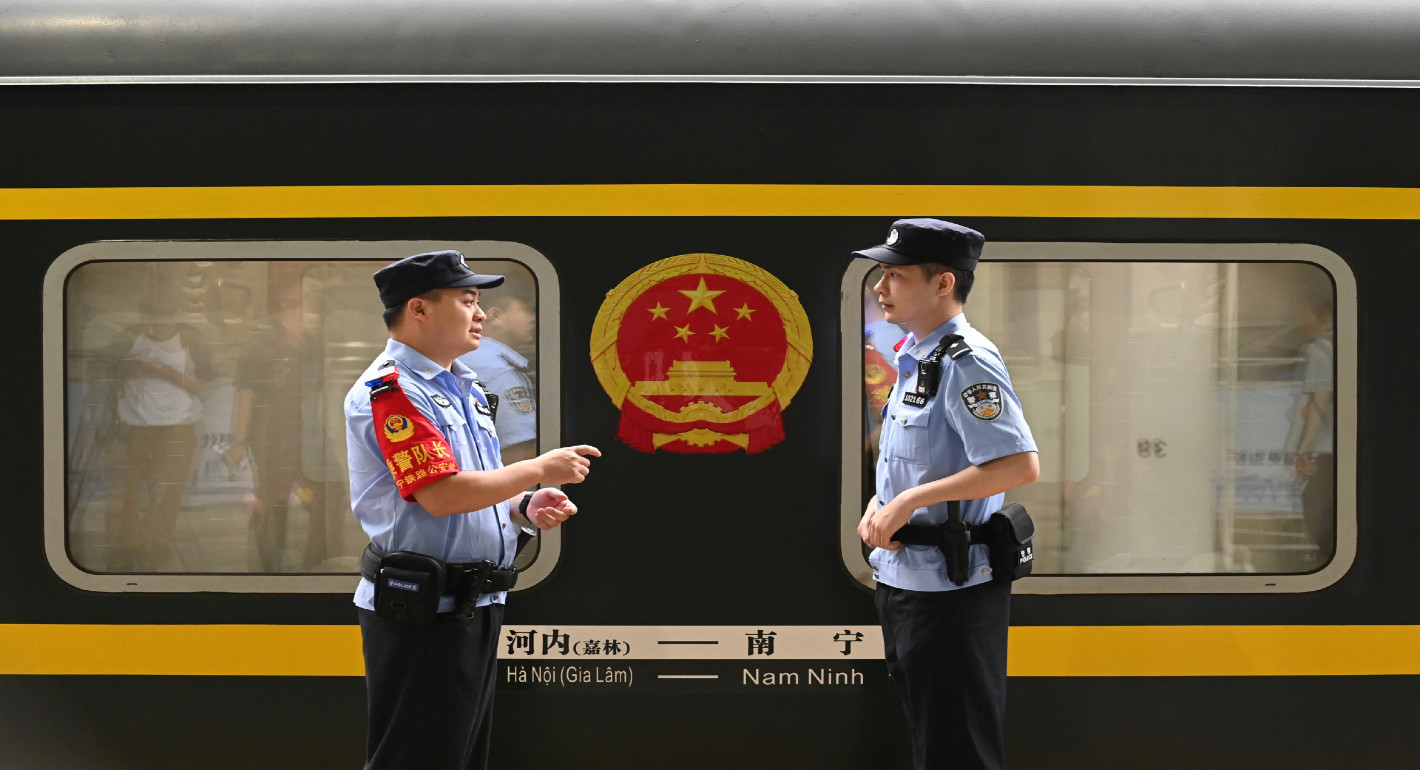
Despite long-standing differences, China and Vietnam are reinforcing common ground for collaboration, especially in public security. This internal security–centered diplomacy offers a strengthened road map for how China moves forward with Southeast Asia.
Sophie Zhuang

The return of war as the organizing factor in Middle Eastern politics has predictable consequences: governments are prioritizing regime stability and becoming averse to political and social reform.


Sarah Yerkes, Amr Hamzawy

The future looks bleak for independent media worldwide, but there is a robust infrastructure of knowledge, organizations, and people to build upon.


Daniel Sabet, Susan Abbott

Defenders of democracy often split over perceptions, methods, urgency levels, and priorities.

Murat Somer, Jennifer McCoy