

Commentary
Five problems—and solutions—to make it actually work as a tool of great power competition.
Afreen Akhter
{
  "authors": [
    "Stephen Tankel",
    "Ryan Evans",
    "Erin Simpson",
    "Francis Gavin"
  ],
  "type": "legacyinthemedia",
  "centerAffiliationAll": "dc",
  "centers": [
    "Carnegie Endowment for International Peace"
  ],
  "collections": [],
  "englishNewsletterAll": "ctw",
  "nonEnglishNewsletterAll": "",
  "primaryCenter": "Carnegie Endowment for International Peace",
  "programAffiliation": "SAP",
  "programs": [
    "South Asia"
  ],
  "projects": [],
  "regions": [
    "South Asia"
  ],
  "topics": [
    "Foreign Policy"
  ]
}
Source: Getty
Is scholarship relevant to the policymaker? Is the academy preparing people to go into the policy world?
Source: War on the Rocks
The Schoolhouse series of the War on the Rocks podcast is concerned with the intersection between policy and the academy. Is scholarship relevant to the policymaker? Is the academy preparing people to go into the policy world? Guests grappled with these questions and more, telling their own stories of how they came be involved as scholars in the policy world, in the field in Afghanistan, and the private sector. This episode had Frank Gavin of MIT, Erin Simpson of Caerus Associates, and Stephen Tankel of American University. Gavin noted that the incentives for graduate students work against getting involved in policy early in their careers. Simpson discussed the role that her experience working in Afghanistan had in her intellectual and career development, and Tankel explained how a policy fellowship in the Pentagon made him a better researcher.
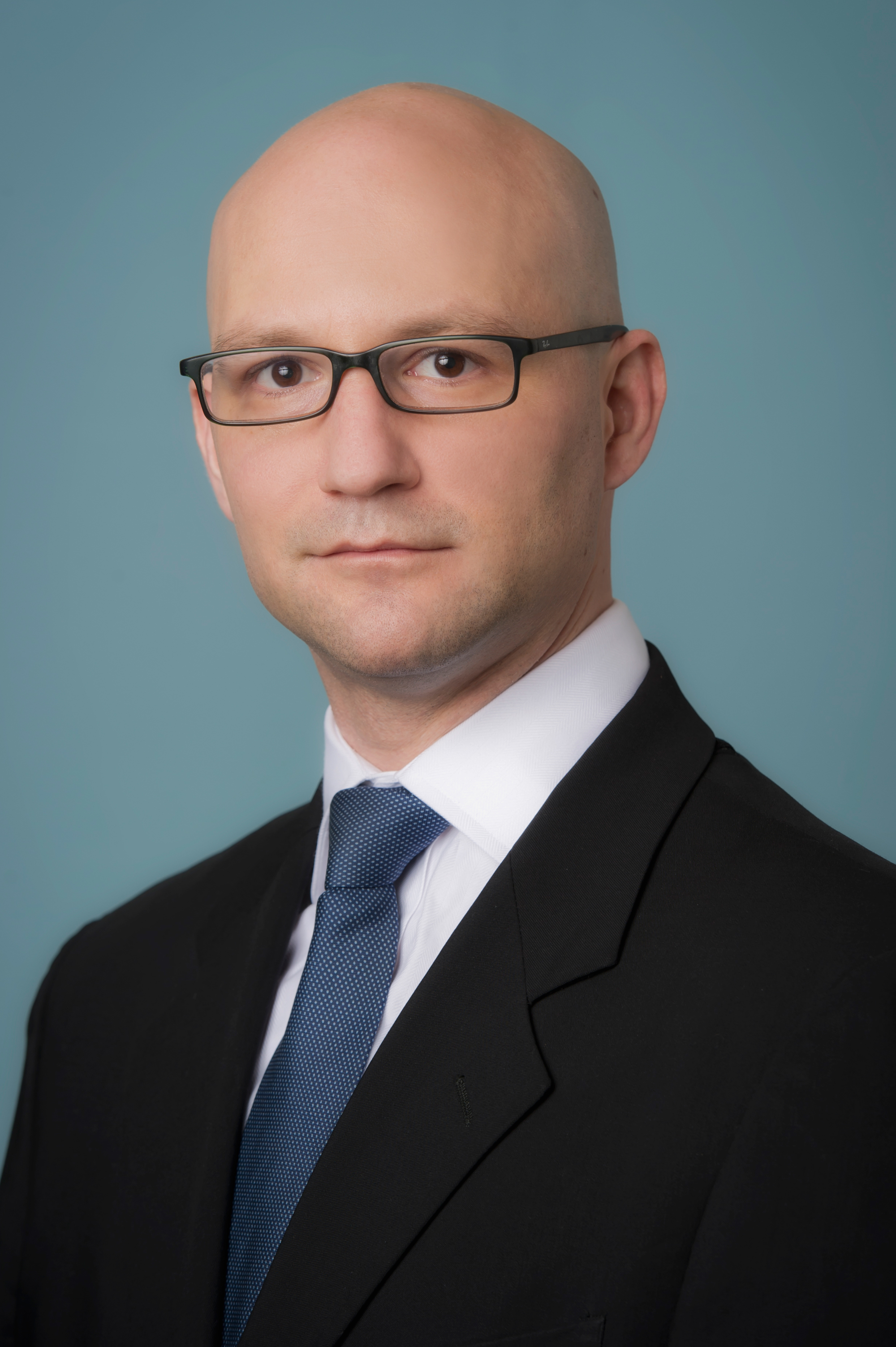
Former Nonresident Scholar, South Asia Program
Tankel was a nonresident scholar at the Carnegie Endowment, where his research focuses on insurgency, terrorism, and the evolution of nonstate armed groups.
Ryan Evans
War on the Rocks
Erin Simpson
Caerus Associates
Francis Gavin
MIT
Carnegie does not take institutional positions on public policy issues; the views represented herein are those of the author(s) and do not necessarily reflect the views of Carnegie, its staff, or its trustees.

Five problems—and solutions—to make it actually work as a tool of great power competition.

Afreen Akhter
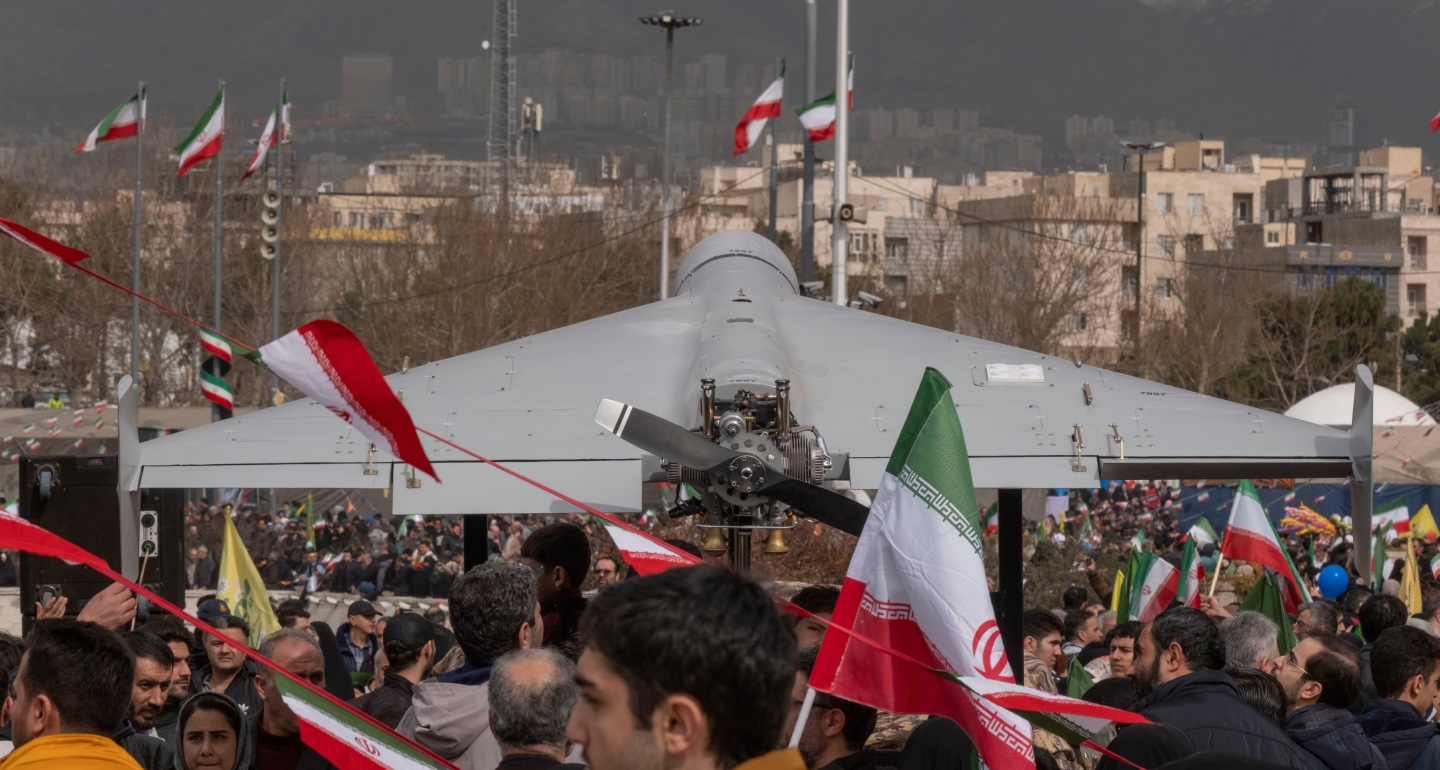
The Russian leadership wants to avoid a dangerous precedent in which it is squeezed out of Iran by the United States and Israel—and left powerless to respond in any meaningful way.

Nikita Smagin

One is hopeful. One is realistic. One is cautionary.

Andrew Leber, Sam Worby
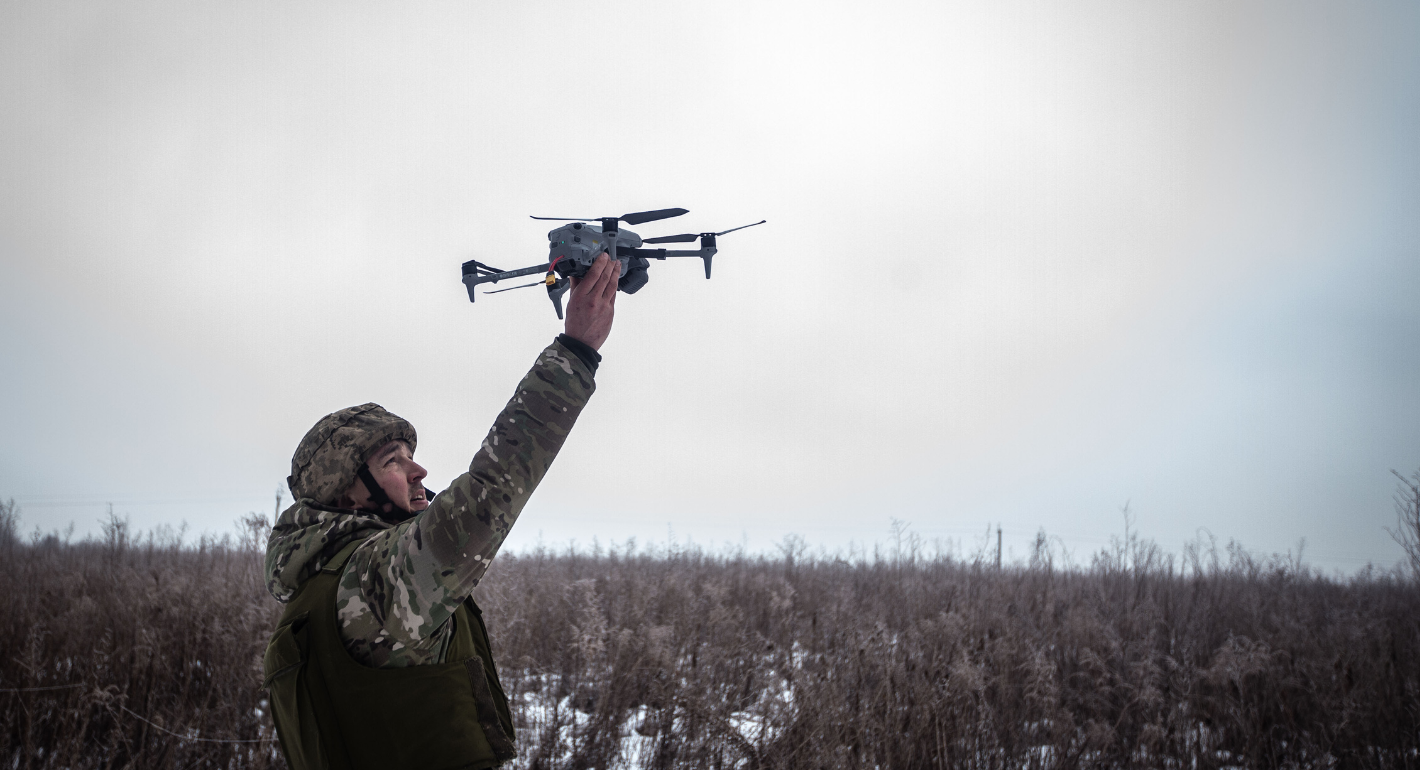
In Ukraine, Gaza, and Iran, AI warfare has come to dominate, with barely any oversight or accountability. Europe must lead the charge on the responsible use of new military technologies.

Raluca Csernatoni

Military rule is now a defining political factor in South Asia. Here’s how analysts can understand and account for it.

Paul Staniland