

Research
- +10
Rosa Balfour, Frances Z. Brown, Yasmine Farouk, …
{
  "authors": [
    "Moisés Naím"
  ],
  "type": "legacyinthemedia",
  "centerAffiliationAll": "",
  "centers": [
    "Carnegie Endowment for International Peace"
  ],
  "collections": [],
  "englishNewsletterAll": "",
  "nonEnglishNewsletterAll": "",
  "primaryCenter": "Carnegie Endowment for International Peace",
  "programAffiliation": "",
  "programs": [],
  "projects": [],
  "regions": [
    "United States",
    "Middle East",
    "Syria",
    "China",
    "Eastern Europe",
    "Western Europe",
    "Germany"
  ],
  "topics": [
    "Economy",
    "Climate Change",
    "Foreign Policy"
  ]
}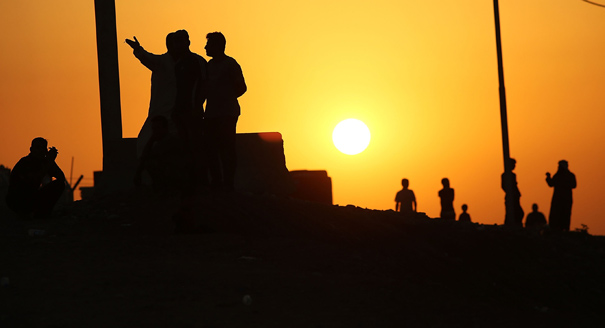
Source: Getty
An analysis of the week’s top international news stories.
Source: NPR’s Diane Rehm Show
E.U. nations disagree over the latest plan to resettle migrants. China’s President Xi Jinping arrives in the U.S. for a state visit. And the German government comes under fire over the Volkswagen emissions scandal.
Carnegie’s Moisés Naím appeared on NPR's Diane Rehm Show to discuss these issues with Nancy Youssef and Geoff Dyer.
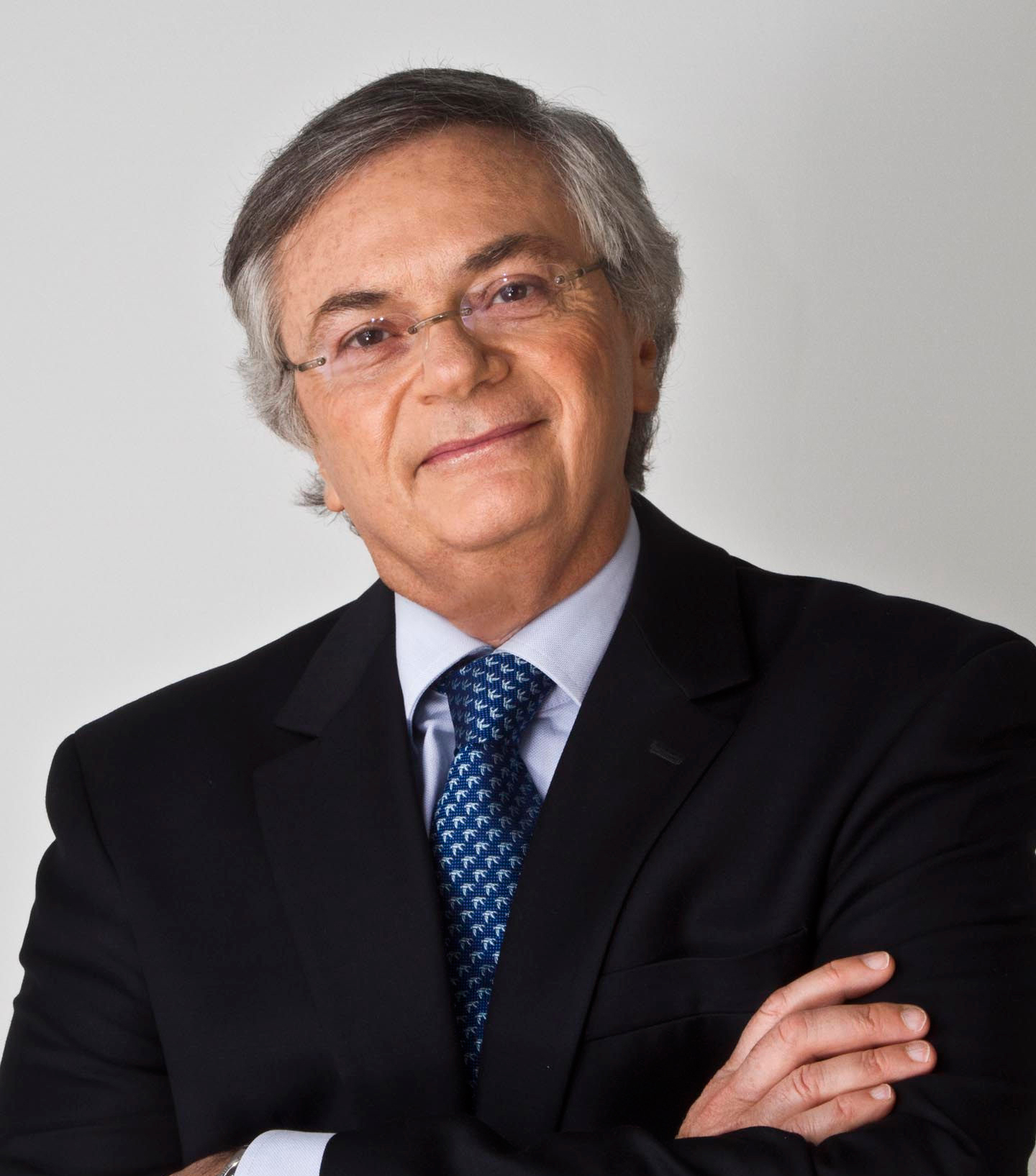
Distinguished Fellow
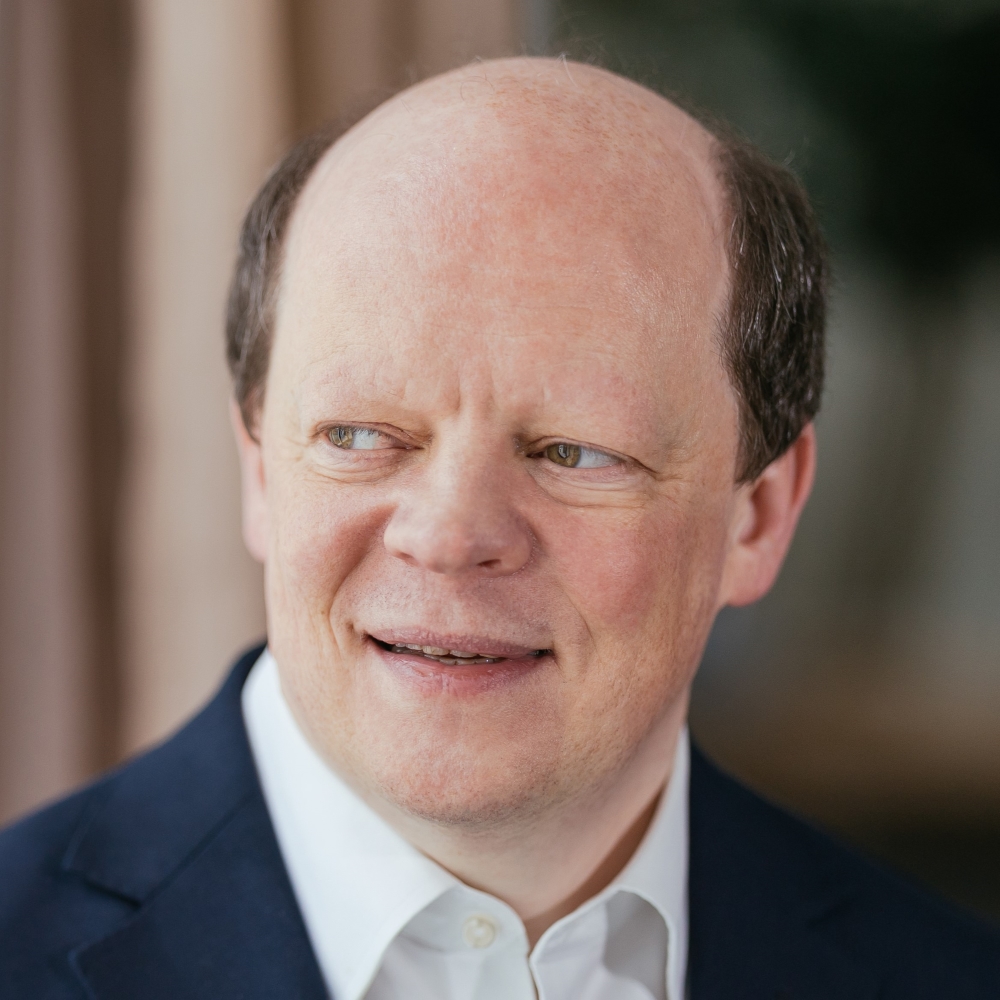
Moisés Naím is a distinguished fellow at the Carnegie Endowment for International Peace, a best-selling author, and an internationally syndicated columnist.
Recent Work

Rosa Balfour, Frances Z. Brown, Yasmine Farouk, …
Moisés Naím
Carnegie does not take institutional positions on public policy issues; the views represented herein are those of the author(s) and do not necessarily reflect the views of Carnegie, its staff, or its trustees.

Voters sent mixed messages about funding priorities.
Mark Baldassare, Ian Klaus
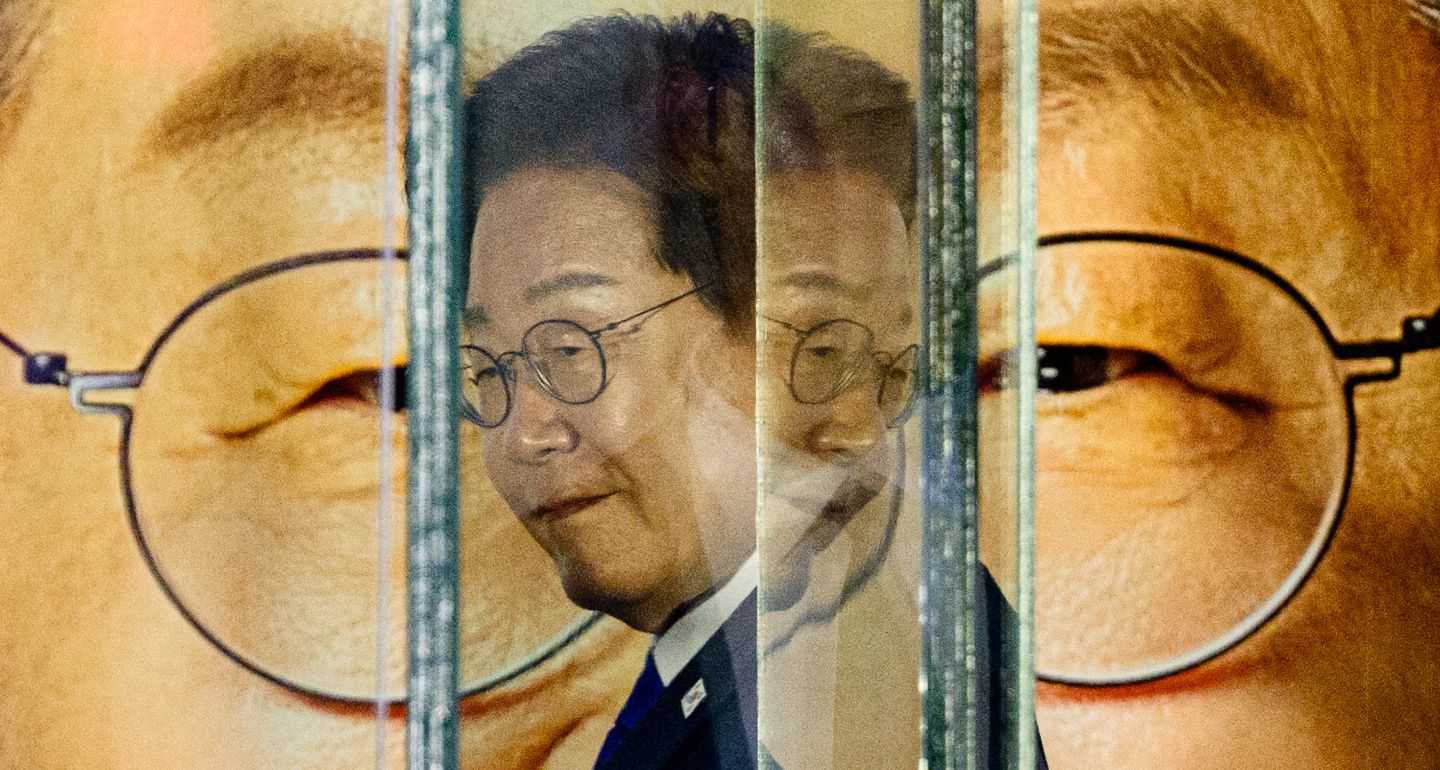
There are limits as to how far the shift in South Korea’s foreign policy will go.
James D.J. Brown
As the nuclear order rapidly evolves, what can Europeans and other key players do to strengthen deterrence and reduce risks?
Jamie Kwong, ed.
A sizeable funding shortfall looks increasingly likely to hit Ukraine in 2027. Can the Europeans, with their strained budgets and economies, come up with the cash without seizing frozen Russian assets?

Rym Momtaz, ed.
A gas deal would create palpable economic value, but it wouldn’t fundamentally change the position of either Russia or the EU.
Sergey Vakulenko