

Q&A
Dara Massicot, Aaron David Miller, Andrew S. Weiss
{
  "authors": [
    "Andrew S. Weiss"
  ],
  "type": "legacyinthemedia",
  "centerAffiliationAll": "dc",
  "centers": [
    "Carnegie Endowment for International Peace"
  ],
  "collections": [],
  "englishNewsletterAll": "ctw",
  "nonEnglishNewsletterAll": "",
  "primaryCenter": "Carnegie Endowment for International Peace",
  "programAffiliation": "russia",
  "programs": [
    "Russia and Eurasia"
  ],
  "projects": [],
  "regions": [
    "North America",
    "United States",
    "Russia"
  ],
  "topics": [
    "Political Reform",
    "Foreign Policy",
    "Technology"
  ]
}
Source: Getty
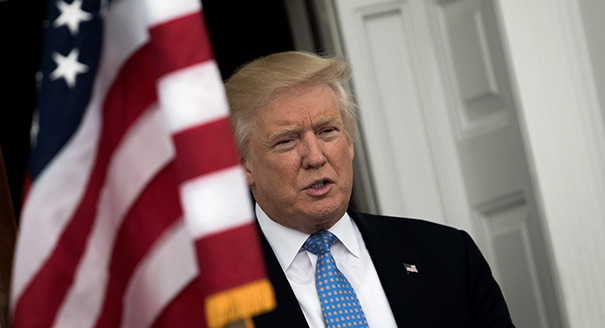
There is a lot that remains unknown about Russia’s involvement in the 2016 U.S. presidential elections.
Source: KCRW’s To the Point
Carnegie’s Andrew Weiss spoke with Warren Olney about Russia’s involvement in the 2016 U.S. presidential elections, as well as President-elect Donald Trump’s recent cabinet nominations. Weiss suggested that the U.S. Congress should lead a deep investigation, beyond oversight powers, to determine Russia’s scope and intentions, which seem to reach beyond the presidential-level election. With regard to cabinet nominations, Weiss mentioned that historically, presidents have been entitled to pick his or her advisors unless there are serious disqualifications.
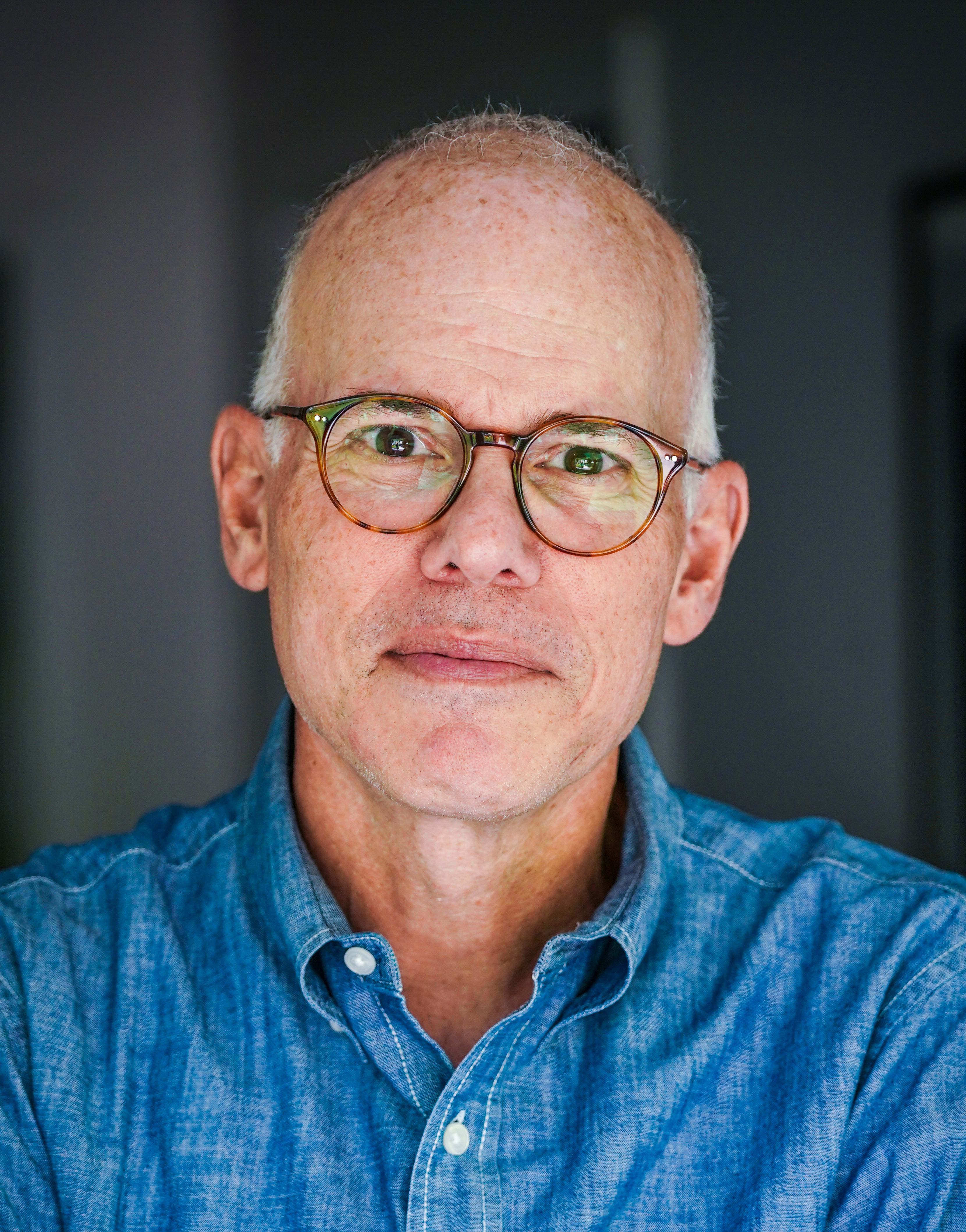
James Family Chair, Vice President for Studies
Andrew S. Weiss is the James Family Chair and vice president for studies at the Carnegie Endowment for International Peace, where he oversees research on Russia, Ukraine, and Eurasia. His graphic novel biography of Vladimir Putin, Accidental Czar: the Life and Lies of Vladimir Putin, was published by First Second/Macmillan in 2022.
Recent Work

Dara Massicot, Aaron David Miller, Andrew S. Weiss

Frances Z. Brown, Nate Reynolds, Priyal Singh, …
Carnegie does not take institutional positions on public policy issues; the views represented herein are those of the author(s) and do not necessarily reflect the views of Carnegie, its staff, or its trustees.

In an interview, Ian Lustick and Eli Clifton discuss their new book on why a prominent ally has so much influence in America.

Michael Young

Germany, India, and other middle powers can’t build frontier AI alone, and they risk being cut off if they depend on the United States or China. The way through is to build the capacity for a frontier sprint while hoping never to use it.

Anton Leicht, Sam Winter-Levy

Sergei Kiriyenko used Russia’s parliamentary vote to further hone his strategy of corporate mobilization that is designed to maximize votes for United Russia.

Andrey Pertsev

Trump has promised Belarus a massive potash deal. But Minsk is seeking something greater: restored Western transit and greater room for maneuver from Russia.

Balázs Jarábik

Before the next wave of EU enlargement takes place, the union needs to grapple with thorny questions of how power is distributed among its members.


Emil Sondaj Hansen, Ditte Brasso Sørensen