

{
  "authors": [
    "William J. Burns",
    "James L. Schoff",
    "Masayoshi Tanaka"
  ],
  "type": "event",
  "centerAffiliationAll": "dc",
  "centers": [
    "Carnegie Endowment for International Peace"
  ],
  "collections": [
    "The United States and Japan in Asia"
  ],
  "englishNewsletterAll": "asia",
  "nonEnglishNewsletterAll": "",
  "primaryCenter": "Carnegie Endowment for International Peace",
  "programAffiliation": "AP",
  "programs": [
    "Asia"
  ],
  "projects": [],
  "regions": [
    "North America",
    "United States",
    "East Asia",
    "Japan"
  ],
  "topics": [
    "Economy",
    "Trade",
    "Security",
    "Military",
    "Foreign Policy"
  ]
}
The Continuing Evolution of a Post-Cold War U.S.-Japan Alliance
Wed, February 15th, 2017
Washington, DC
The three decade-old U.S.-Japan alliance faced a major turning point in 1990, as the Cold War wound down and bilateral trade competition was peaking. For all the tensions and uncertainties, the allies broadened and deepened ties throughout the next quarter century. As the world faces another major turning point, and as the new U.S. administration takes office, it is useful to reassess and recalibrate the alliance.
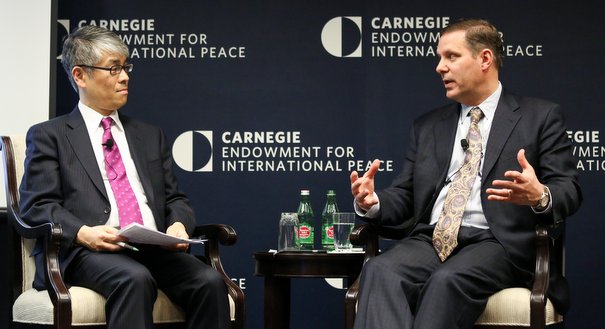
Carnegie’s James L. Schoff presented the findings of his new report, Uncommon Alliance for the Common Good: The United States and Japan After the Cold War. In addition to surveying progress, the report outlines what’s possible for the alliance in a changing international landscape. NHK Washington Bureau Chief Masayoshi Tanaka moderated. Carnegie President William J. Burns offered opening remarks.
Copies of the report were available at the event.
William J. Burns
William J. Burns is president of the Carnegie Endowment for International Peace. He previously served as U.S. deputy secretary of state.
James L. Schoff
James L. Schoff is a senior fellow in the Carnegie Asia Program. His research focuses on U.S.-Japan relations and regional engagement, Japanese politics and security, and the private sector’s role in Japanese policymaking.
Masayoshi Tanaka
Masayoshi Tanaka is the Washington Bureau chief for NHK. He is a specialist in the U.S.-Japan relationship and previously was posted in Japan, China, France, and Kenya.
Carnegie does not take institutional positions on public policy issues; the views represented herein are those of the author(s) and do not necessarily reflect the views of Carnegie, its staff, or its trustees.
Event Speakers
Former Carnegie President (2015-2021)
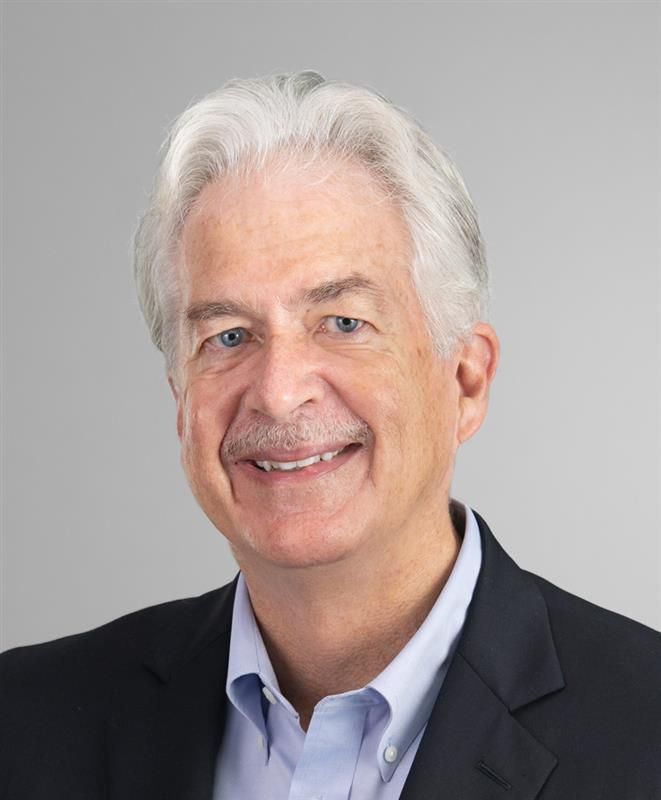
A former career diplomat, William J. Burns served as director of the CIA, deputy secretary of State, and ambassador to Russia and Jordan. Burns was also president of the Carnegie Endowment for International Peace from 2015 to 2021.
Former Senior Fellow, Asia Program
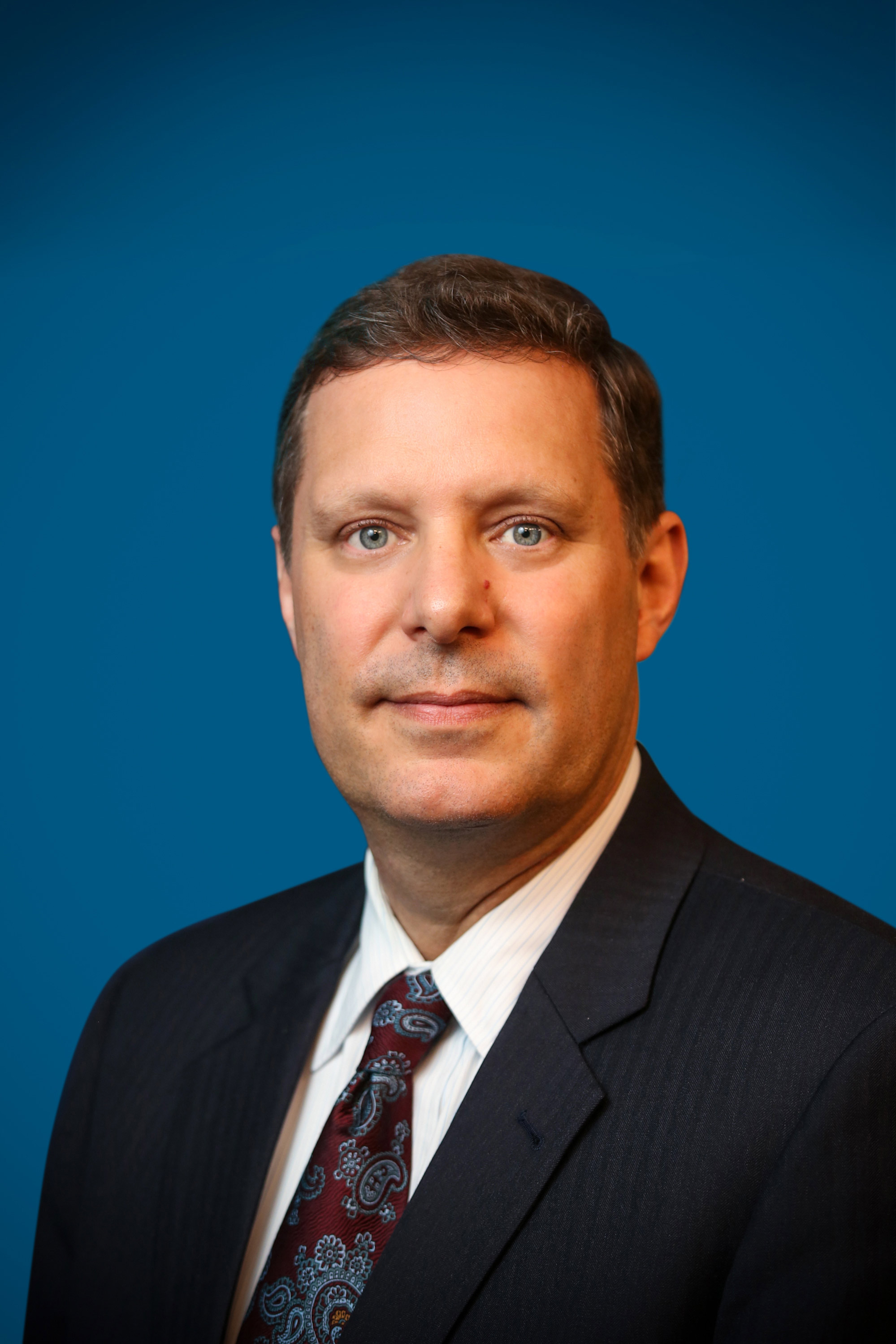
James L. Schoff was a senior fellow in the Carnegie Asia Program. His research focuses on U.S.-Japan relations and regional engagement, Japanese technology innovation, and regional trade and security dynamics.
Masayoshi Tanaka